
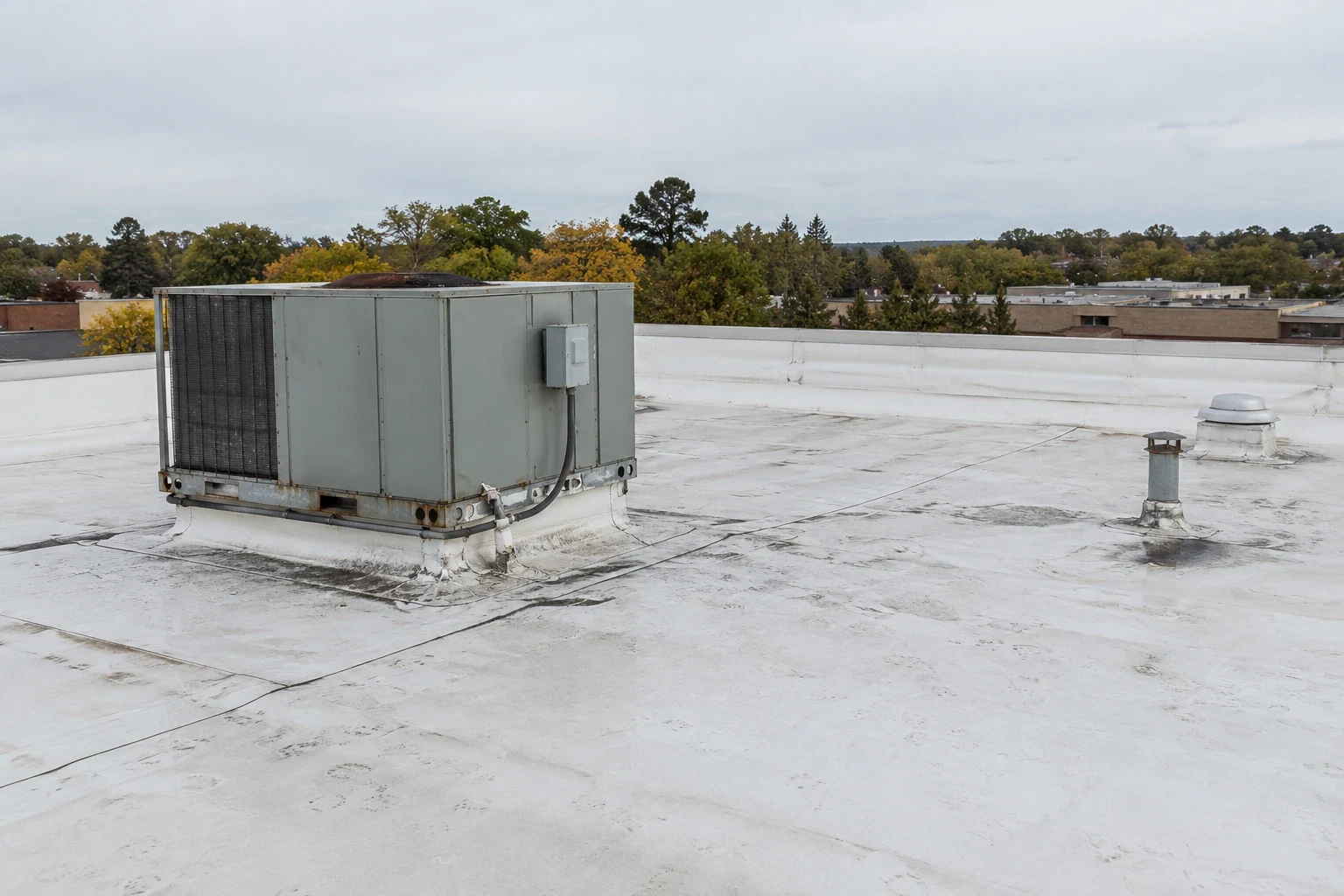
Commercial Cool Roof Installation in Westminster, CO
Evaluate Westminster reflective roofing for heat, insulation, drainage, and roof condition. Compare compatible systems before selecting a cool-roof scope.
Commercial Cool Roof Installation
On a hot afternoon, a light roof surface may reduce solar heat absorption, but the roof assembly decides whether that option fits. We inspect the membrane, insulation, drainage, and equipment before comparing reflective systems. The Denver-Boulder area sees heat events as well as snow and hail, so a Westminster roof has to perform across changing seasons. A coating or white membrane is not a substitute for correcting wet material or a failing substrate.
Start with the building load
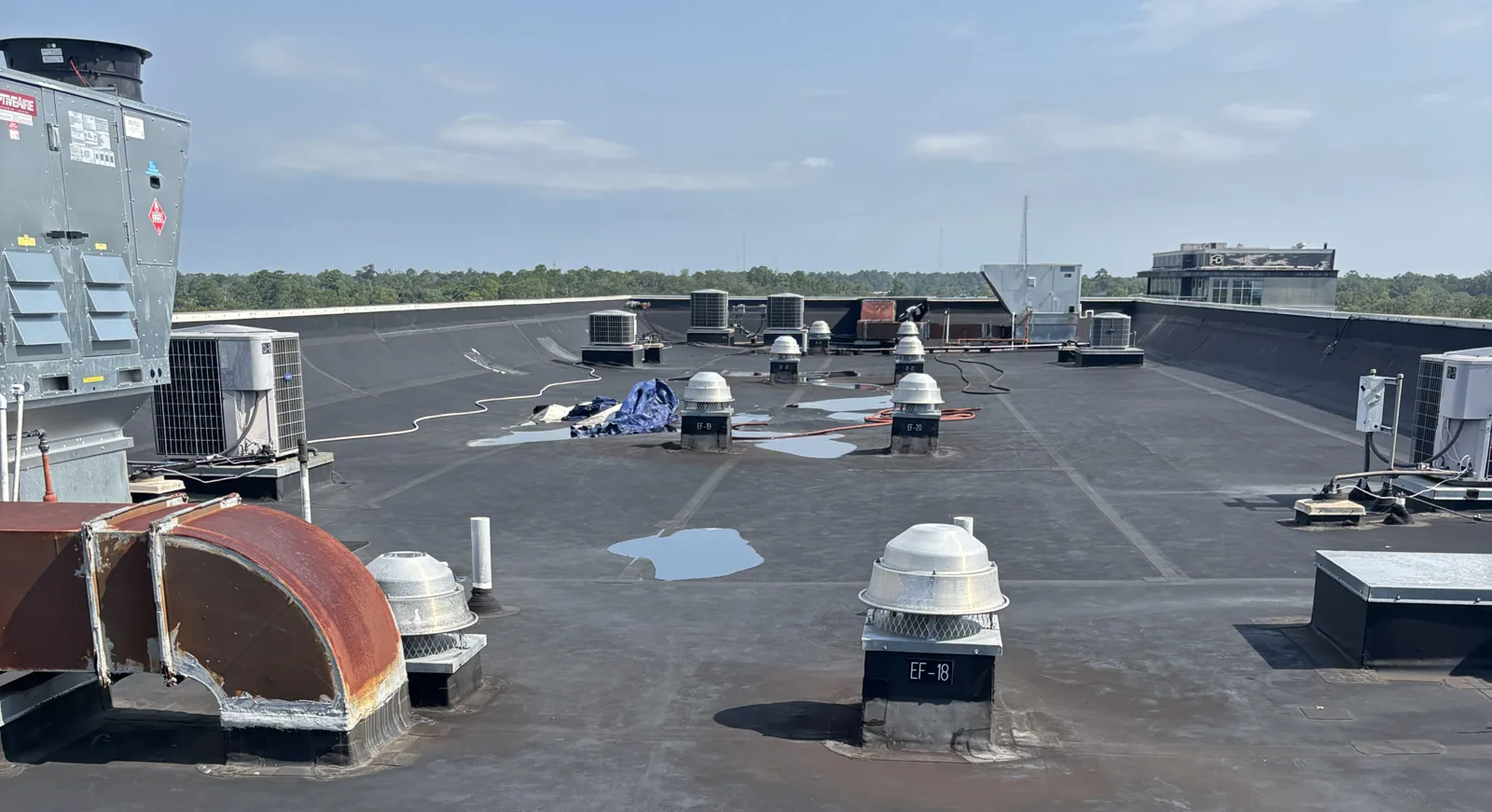
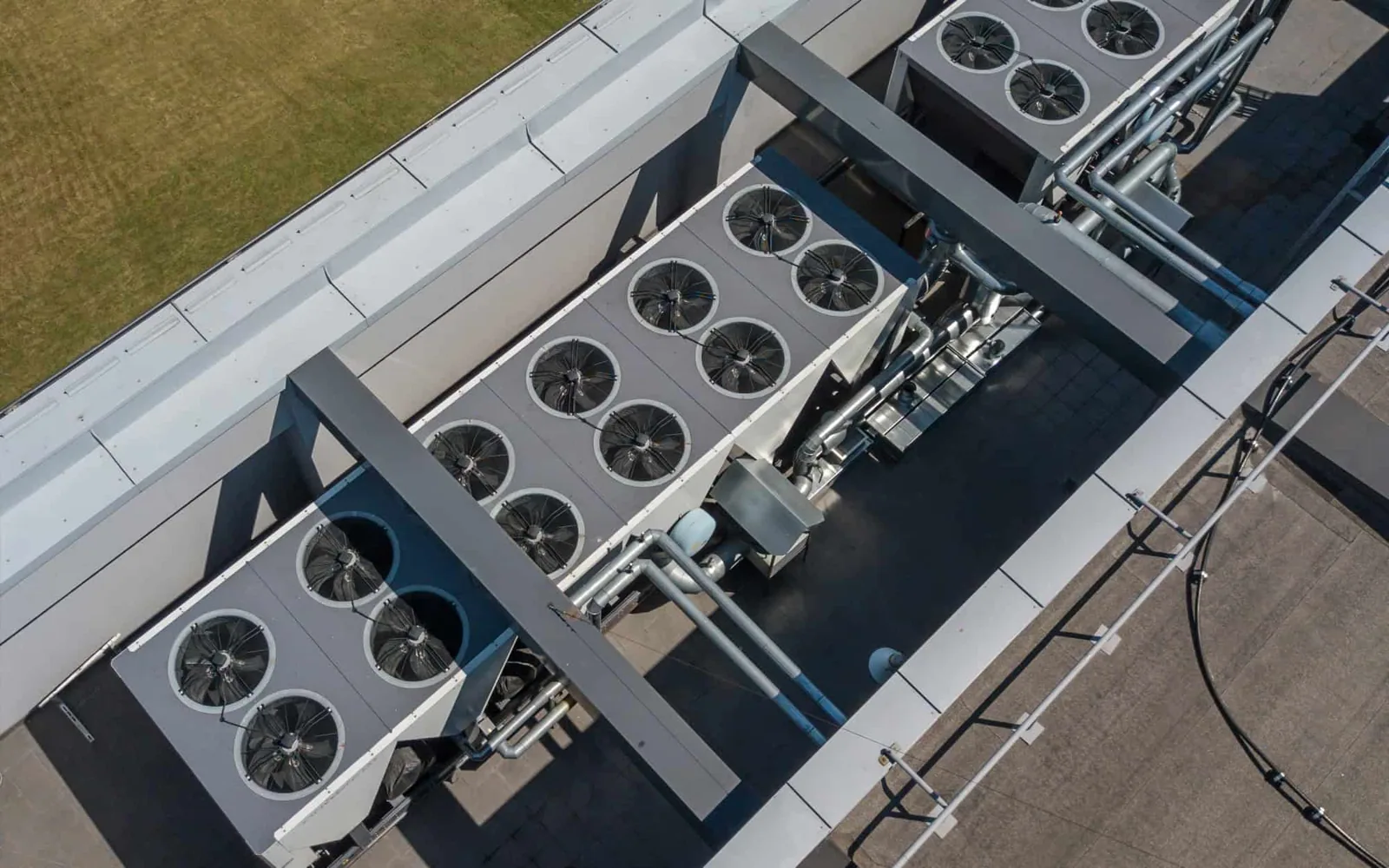
Roof color is one part of a thermal decision. Existing insulation, air leakage, HVAC condition, roof orientation, occupancy, and equipment schedules also affect interior load. We ask where heat is a concern and review available utility or comfort information without promising a savings number. If the roof is wet or its membrane has reached the end of serviceable life, those conditions come before appearance.
Westminster's technology and information businesses span research, development, manufacturing, and equipment servicing. A facility near Westmoor Technology Park may have cooling needs that change with process equipment and occupied hours. We inspect the actual building and discuss the roof assembly with the manager rather than treating the industry label as a performance calculation.
A roof insulation review helps compare reflective surface choices with the layers below. Added insulation can change roof height and drain elevations. If the assembly needs tapered drainage or cover board, those components belong in the design before a finish color is selected.
Compare coating and membrane paths
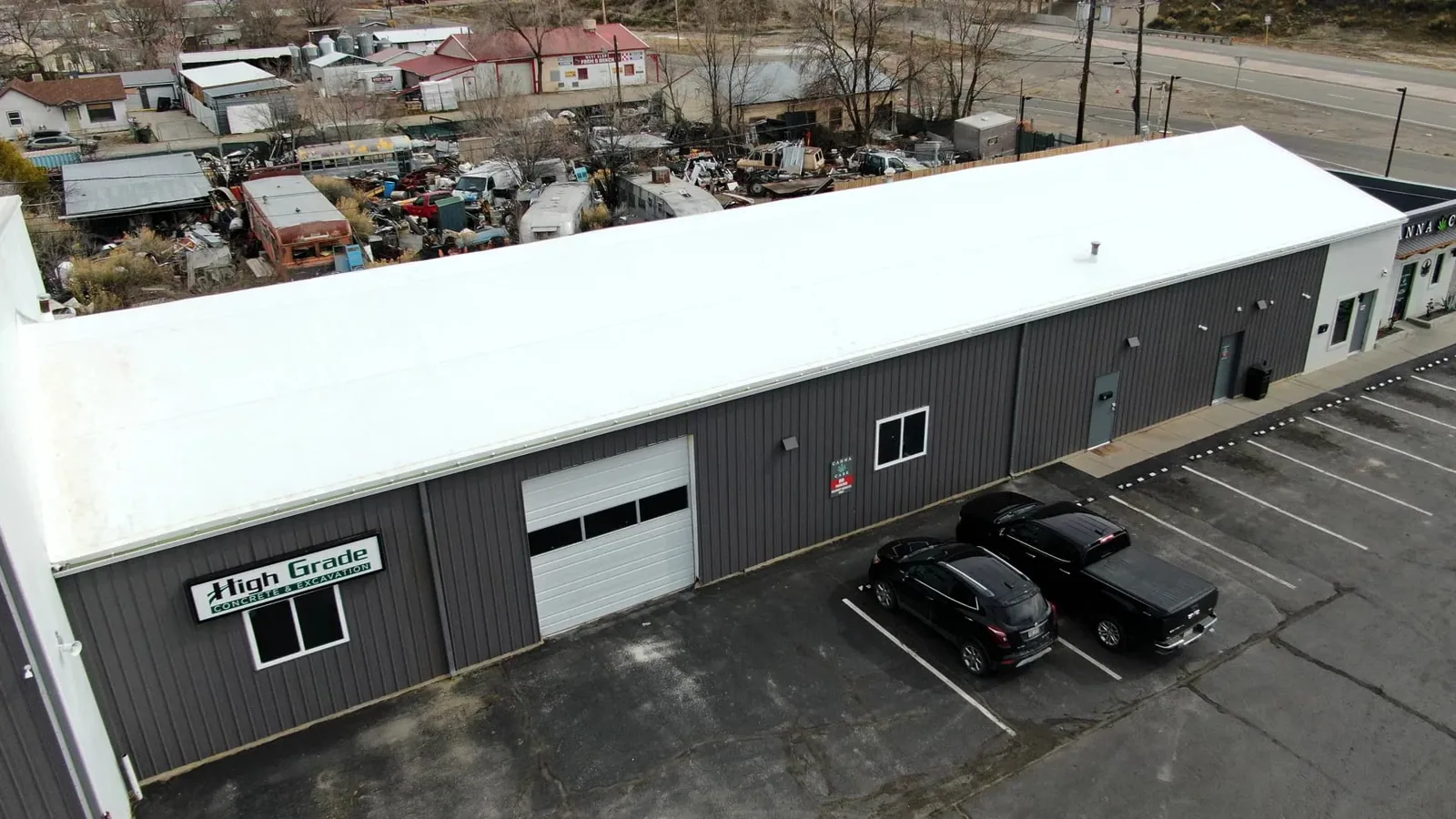
A reflective option might be a new light-colored membrane, a compatible coating over a sound roof, or a replacement assembly with improved insulation. Each path has different preparation, attachment, drainage, and detail requirements. Coating cannot bridge every crack or bond to every surface. We test adhesion when appropriate and identify repairs needed before a coating is considered.
A coating project starts with the substrate. The crew cleans the roof, repairs seams and flashings, treats approved details, and applies the specified system at the required coverage. Ponded areas, wet insulation, and incompatible prior coatings can change the recommendation. A restoration evaluation separates eligible areas from places needing replacement or repair.
For an aged membrane with broad failure, a new assembly may be more suitable. We compare removal, recover, and replacement based on existing layers, moisture, attachment, roof height, and code. A replacement scope can include insulation, perimeter metal, drains, and equipment transitions rather than only the visible field.
Keep winter water in the design
A reflective roof still needs a reliable drainage path. A roof plan and field elevations show how this building handles meltwater. Check drains, overflows, scuppers, and low areas before applying a new surface or changing insulation.
Hail is another local consideration. After the May 2024 hail event, check exposed membrane and metal on properties that may have been affected before planning restoration. Photograph visible marks and compare them with prior roof records to determine whether testing or repair is needed. A storm condition check can include the roof surface and edge details.
At a commercial building along the 120th Avenue corridor, the work plan should consider rooftop traffic, parapets, and adjacent tenant operations. Drainage remains a building-specific question. A drain inspection records outlet condition and visible water paths before a new assembly is installed.
Set a measurable project scope
A cool-roof proposal should identify the product type, surface preparation, repair limits, insulation assumptions, edge work, and any exclusions. If the owner wants to compare energy use, establish a baseline with the building's operating schedule and utility data. Weather, tenant load, equipment changes, and controls affect that comparison. Roof color alone cannot isolate the cause of a bill change.
We can document the roof area, membrane condition, penetrations, and existing insulation where visible or confirmed by testing. If portions remain concealed, they are described as unknown until opened. A condition report preserves photos and repair boundaries. The owner can then compare a restoration, recover, and replacement on the same observed roof conditions.
Warranty terms depend on the selected system and project details. We state only terms available for the specified assembly and do not promise a duration before design and approval. The same applies to reflectance and energy characteristics: use product data and project design, not generalized claims about every building.
Compare the roof options
Share your Westminster address, roof plan, heat or comfort concern, current system, and operating schedule. Include known leaks, ponding, and energy information. We will inspect the assembly and compare reflective coating, membrane, or insulation work against the conditions found.
Control preparation and application
Preparation controls whether a reflective system bonds and remains continuous. The crew protects drains and adjacent surfaces, removes loose material, repairs approved defects, and confirms the roof is dry enough for the selected product. Coating work depends on temperature and weather windows. Membrane work has its own substrate and attachment checks.
Occupied properties need a staged plan for deliveries, access, odors where applicable, noise, and equipment service. In the North I-25 commercial area, roof areas may sit above retail, lodging, or office uses. We coordinate the work zone, keep access routes clear, and protect entries below. If operations cannot pause, sections can be sequenced to maintain a defined area of work.
Before closeout, we verify visible coverage, seams, terminations, drains, and transitions. Photos show the completed surface and any limitations. If a test or later observation is needed, the report lists it as follow-up rather than implying the roof has been tested beyond the work performed. Product quantities and application rates are recorded by work area so later inspections can compare like surfaces.
Choose the system from roof evidence
The project record identifies the roof area, system layers, preparation, repairs, and any reflective product applied. It includes photos of field conditions, edges, and penetrations. If the work is coating, the owner receives the limits and maintenance requirements for that system. A future inspection can compare observed conditions with this baseline.
Commercial roofs in the North I-25 area and along U.S. 36 may have different membrane, insulation, and equipment arrangements. Inspect the specified building and record its assembly before choosing a reflective system. If you manage multiple facilities, a maintenance plan can track inspection dates and recurring roof findings across them.
Send the building address, roof plan, known membrane and insulation, heat concern, and access contact. Include available energy information and any planned equipment changes. We will compare viable reflective systems with the roof condition and define the work required before installation.
Before selecting a reflective assembly, check whether existing insulation is dry, the deck is suitable, and the perimeter can accept the proposed height. A new surface can change flashing heights, drain transitions, and equipment clearances. Document those interfaces in the scope and resolve any incompatible condition before material arrives. At closeout, photograph the completed field, edges, penetrations, and drainage paths so maintenance can compare them during the next seasonal review.
Commercial Roofing Questions
Will a white roof lower my building's energy bill?
A reflective surface may reduce solar heat absorption. Insulation, HVAC, occupancy, controls, and climate also affect energy use, so utility savings require building-specific measurement.
Can you coat the roof that is already there?
Only when the substrate, existing coating, moisture condition, and details support adhesion and serviceability. We inspect and test where needed before recommending restoration.
Does reflective roofing work in a snowy climate?
The roof still needs to manage snowmelt and drainage. We inspect the outlets, slope, and edge details and choose a system that fits the building through both warm and cold conditions.
Should I add insulation with a reflective membrane?
Existing layers, code, roof height, and energy goals guide that choice. We review the assembly and drainage before specifying additional board or a new membrane.
How do you compare coating with replacement?
We look at moisture, membrane condition, repairs, attachment, and expected project constraints. The proposal separates eligible restoration areas from conditions that call for a new assembly.
Related Roofing Work
Westmoor Technology Park
Read more
Commercial Roof Insulation and Cover Board
Read more
Commercial Roof Coating Restoration
Read more
Commercial Roof Replacement
Read more
More Commercial Roofing Services in Westminster
See the rest of our commercial roofing services for Westminster commercial buildings, or call 555-555-5555 to talk through your roof.
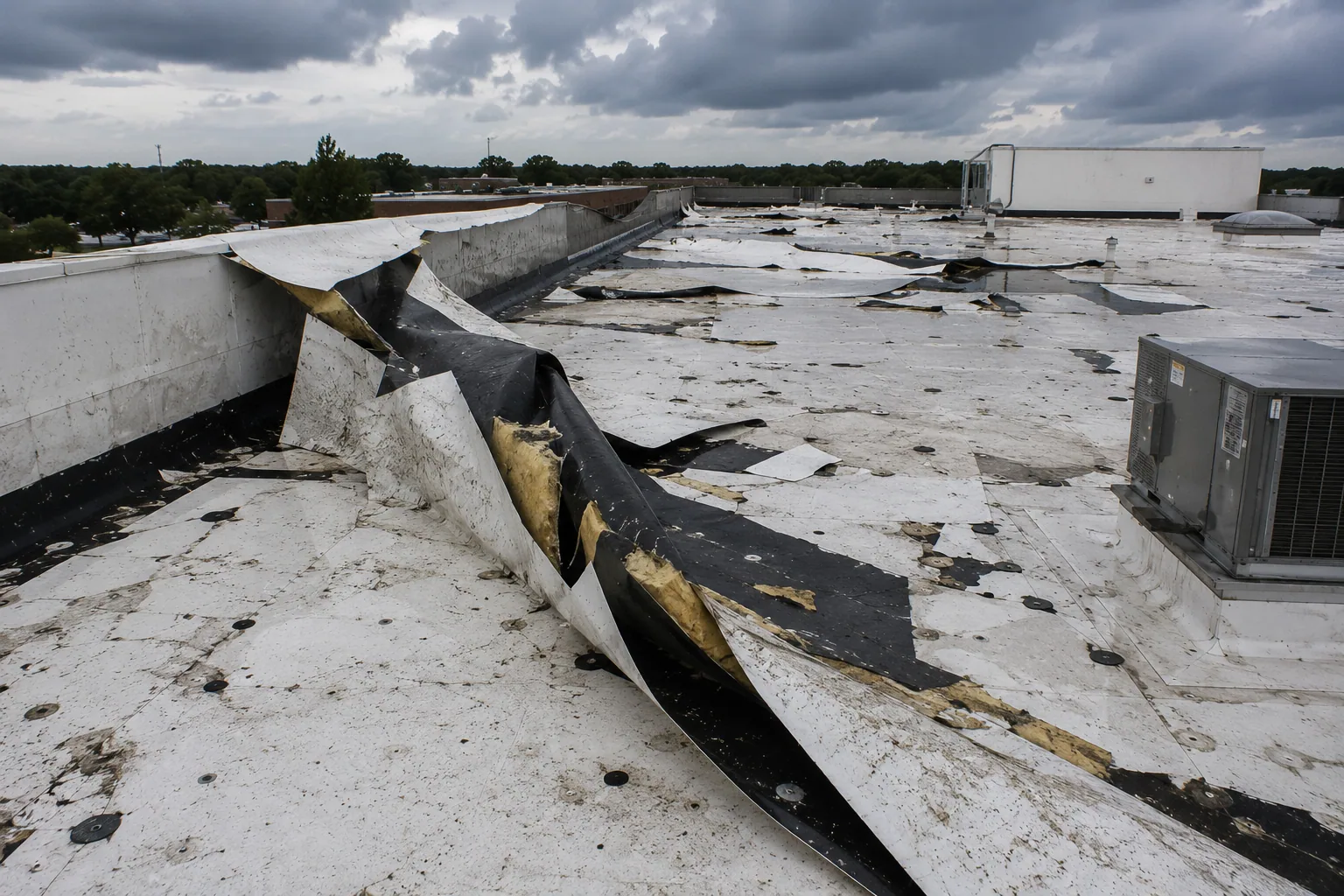
Commercial Cool Roof Installation
Talk to Commercial Roofing Westminster
Call 555-555-5555 or send a request and we will schedule a visit to look at the roof, explain what we find and lay out your options.