
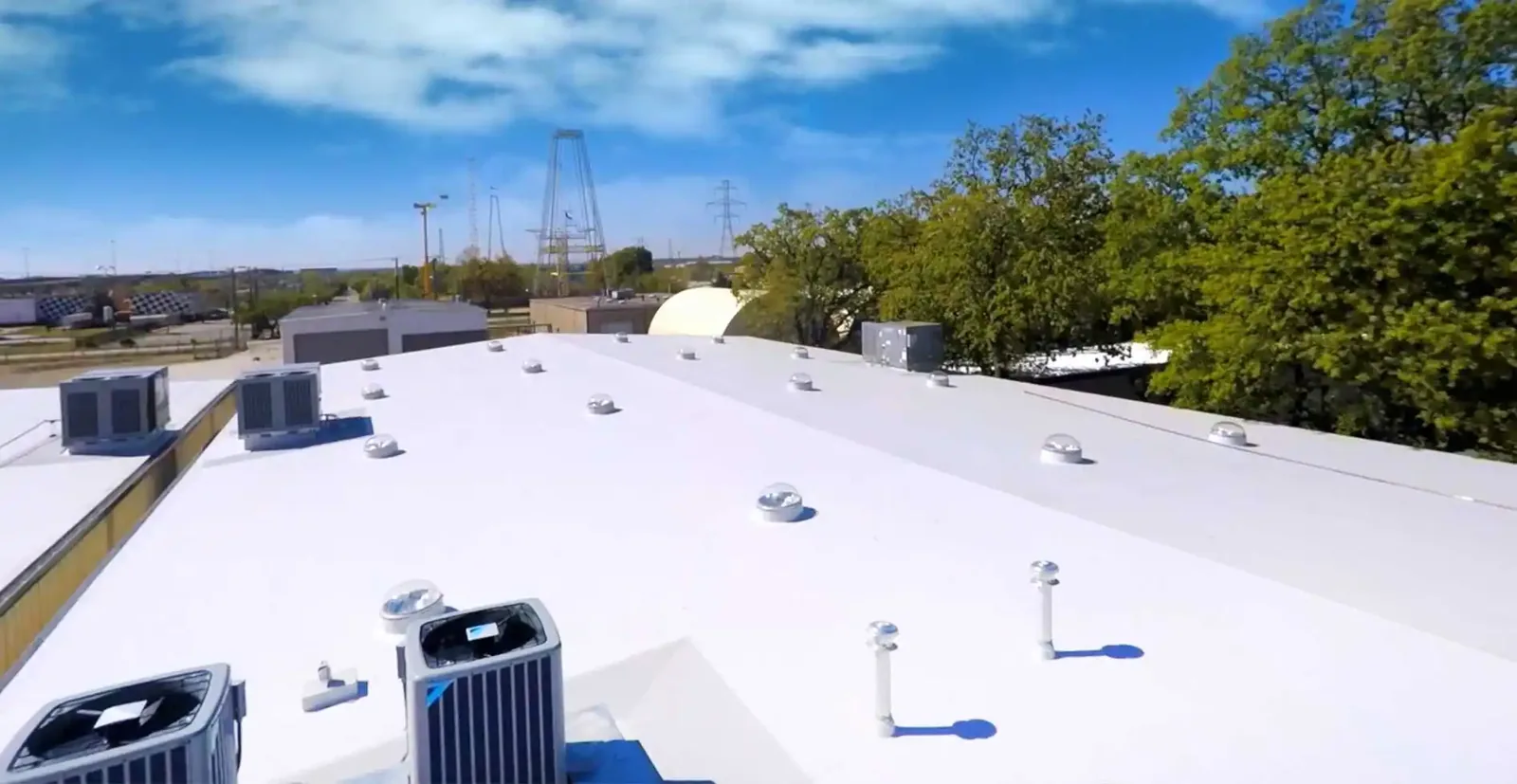
Commercial TPO Roofing in Westminster, CO
Inspect and plan Westminster TPO roofing for seams, flashings, drainage, and hail exposure. Compare repair, recover, and replacement from roof conditions.
Commercial TPO Roofing
A hail report can set the timing, but the TPO sheet sets the scope. A membrane may show a surface mark without a seam failure, or a quiet-looking area can have an open lap at a curb. The May 2024 hail event is a reason to check exposed TPO seams, flashings, and edge details where a property may have been affected. We inspect the membrane, welds, flashings, drains, and edge before defining a TPO repair or replacement scope.
Read the field and each weld
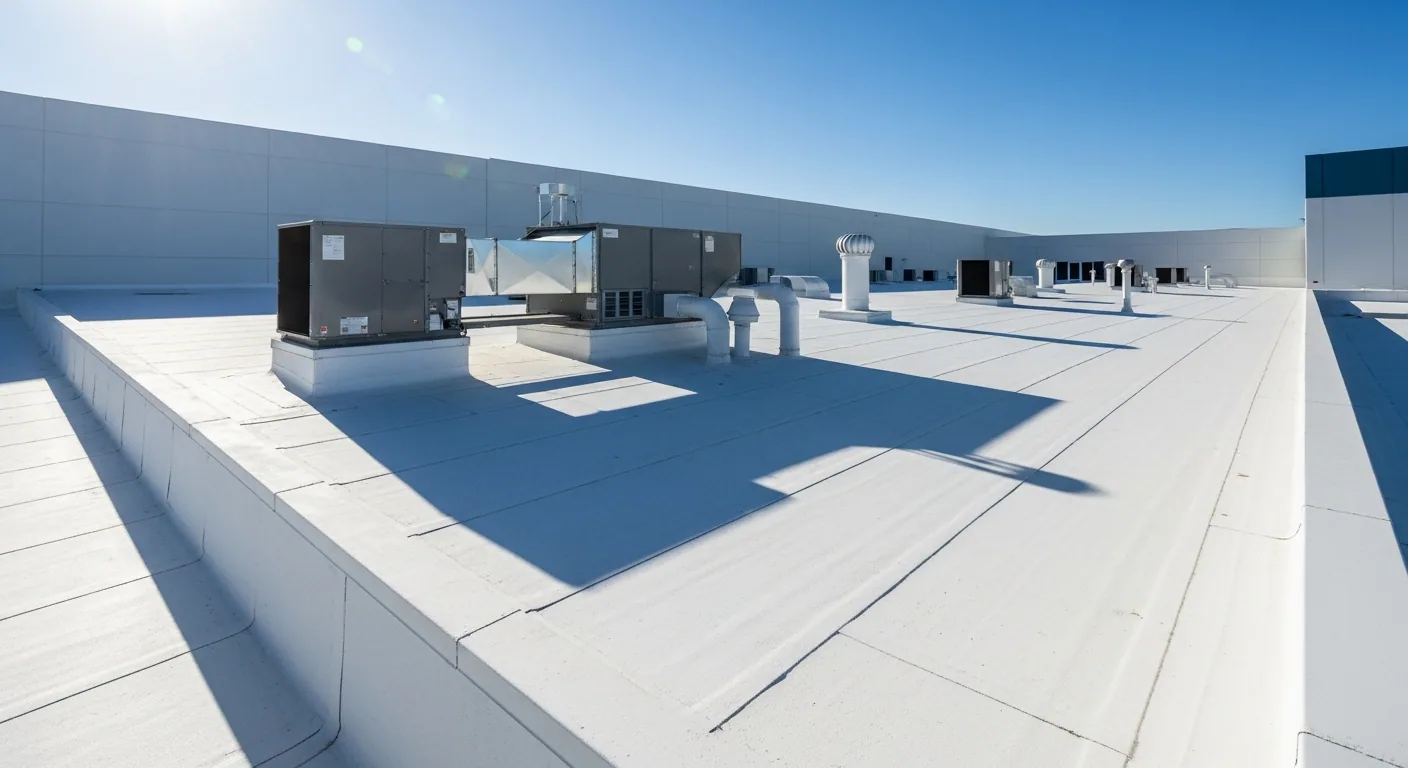
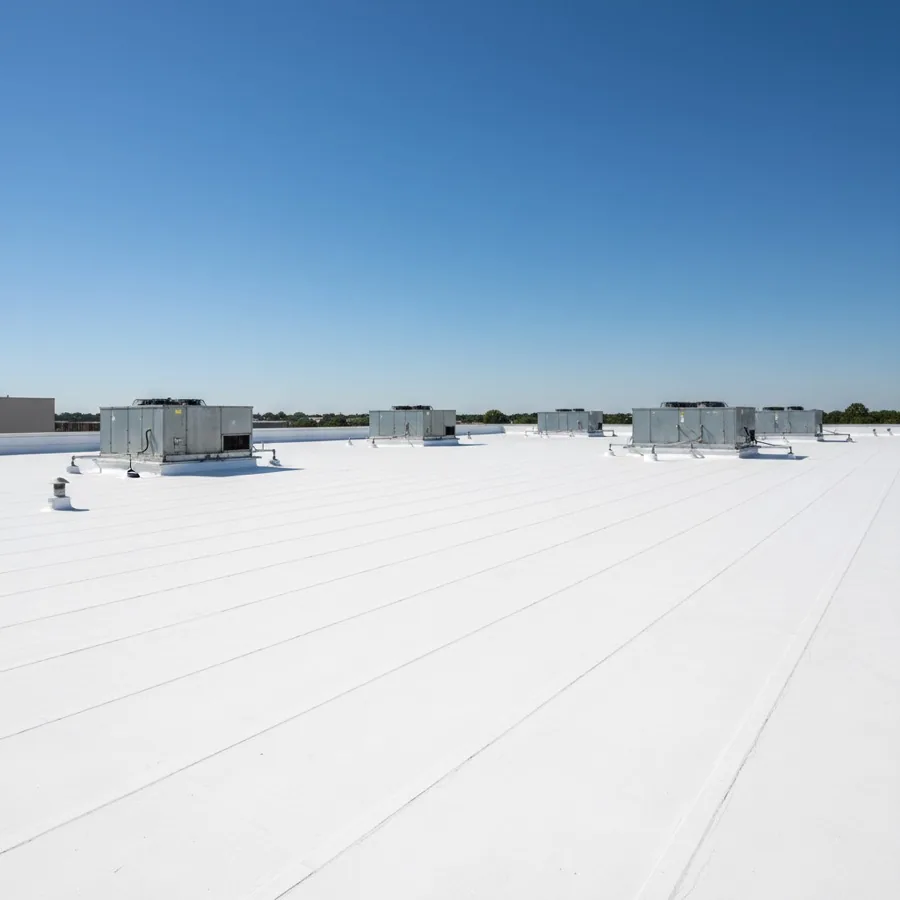
TPO is a thermoplastic single-ply membrane. Its seams are heat-welded, and the weld quality depends on clean surfaces, suitable temperature, machine settings, and steady travel. We inspect laps for voids, contamination, fishmouths, and separation. A probe check can find an open edge, but the test is limited to the accessible seam and conditions at the time of inspection.
Surface chalking, scuffs, or impact marks need context. We compare the mark with membrane thickness, nearby seams, and any underlying insulation or deck issue. A puncture may call for a compatible patch; broad seam failure or brittle membrane may change the system recommendation. We record the affected roof zone and repair boundary.
Buildings near Westmoor Technology Park may have varied rooftop equipment and access paths. We map the TPO field by section and number curbs or penetrations so a service record points to the right weld and adjacent detail. Owners comparing single-ply materials can review how PVC roofing handles chemical exposure and how EPDM roofing uses a different seam system; the choice still follows the building's use and design.
Follow water at penetrations and edges
A TPO assembly depends on more than the field membrane. Pipe boots, skylight curbs, equipment supports, drains, scuppers, and perimeter edges interrupt the sheet and require compatible flashing. We inspect how the membrane rises at curbs, turns at corners, and terminates beneath metal. Sealant can protect a detail only when the underlying connection is sound.
At drains, the sheet must connect to the bowl or clamping ring without wrinkles that hold water. At an edge, metal termination and membrane attachment work together. If water appears inside, we compare the reported room with roof slopes and nearby details; water can travel before it becomes visible. A drain review can track the outlet path while we inspect the perimeter assembly.
Meltwater performance depends on this roof's actual slope, outlets, and low spots. Record water marks and ponding limits on the building instead of inferring drainage from weather alone. Drain and edge findings are logged separately when both details need attention.
Choose a repair, recover, or new membrane
A localized patch can be appropriate when the membrane around the defect is clean, attached, and weldable. We remove contamination and damaged material, prepare the surface, weld the patch, and check its perimeter. If many seams are open, the sheet is badly weathered, or insulation is wet, repeated patches may not address the wider condition. The report explains what changed the recommendation.
A recover places a new assembly over an existing roof only when the existing layers, moisture, attachment, height, drainage, and code allow it. A recover assessment checks these conditions before adding material. Replacement may include removal, deck repair, new insulation, cover board, TPO, edge metal, and drain details. A replacement plan states each layer and transition.
For Westminster properties along the 120th Avenue corridor, work planning also accounts for tenant schedules, rooftop equipment, and safe material staging. The same assembly decision still comes from the building's roof, not the corridor or neighboring properties.
Keep seasonal checks specific to the roof
Colorado roofs move through heat, hail, wind, snow, and freeze-thaw conditions. Westminster's weather profile makes periodic inspection useful, but each visit should record what the crew sees. Check welded seams after roof work, inspect penetrations after equipment service, and keep drains and overflows clear. A weather event is a prompt to look; it is not evidence by itself.
Routine maintenance removes debris and records membrane changes before they become a larger opening. The inspector notes roof section, seam location, curb, patch age if known, and interior report. A maintenance record can track recurring details and assign follow-up. Where moisture is suspected below the sheet, targeted testing can help confirm the affected area if roof conditions support the survey.
At a mixed-use property near Westminster Promenade or in North I-25 commercial blocks, access rules differ by building. We coordinate roof entry, lift placement, tenant paths, and work hours with the site contact before repairs begin.
Inspect the sheet before choosing the scope
Send the Westminster address, roof plan, TPO history, leak or impact location, access contact, and recent repair details. We will check the field, seams, penetrations, and drainage, then define the repair boundary or next system option.
Control the installation detail
New TPO installation begins with the substrate and attachment design. The crew checks deck condition, insulation layout, cover board, fasteners or adhesive, and planned membrane direction. Field seams are welded to the system requirements, and details receive compatible prefabricated or field-formed flashing. The approved project design sets wind attachment and perimeter requirements.
Weather affects welding and adhesive work. The surface needs to be clean and dry, and rolls must be staged without damage. Roof openings are protected as the work advances. At curbs and pipes, the crew confirms that the flashing height and termination meet the detail before covering adjacent work.
Before closeout, we record seam checks, edge terminations, drains, penetrations, and any test area. A condition report can preserve installation photos and areas that were not part of the authorized scope. Warranty terms, if specified, are tied to the selected product and submitted assembly rather than assumed in advance.
Leave the membrane history clear
The service record identifies TPO type where confirmed, roof sections, seam conditions, repairs, test limits, drainage observations, and next actions. Photos show the membrane before and after work. If an interior condition remains unresolved or a concealed layer needs testing, that question is listed separately so a later visit can pick it up. Each seam gets a location label. Date the observation.
For a facility in Westminster's commercial area, label the roof by building and section. A portfolio near North I-25 may include separate structures, but each roof receives its own condition record. That makes a future repair estimate more precise than a generic note about TPO.
Send the building address, roof plan, membrane history, leak location, access contact, and any recent weather or equipment work. We will inspect the sheet and its details, then explain whether a repair, further test, recover, or replacement fits the roof evidence.
Before a repair, confirm membrane identity and thickness from records or a suitable field check. Clean and prepare the weld area according to the selected repair system, then inspect the finished seam for continuity. Note the weather and surface conditions during installation because moisture and temperature affect the work window. Closeout photos should show the patch perimeter and its location on the roof plan.
Commercial Roofing Questions
Can a TPO seam be repaired without replacing the membrane?
A local weld repair can work when the surrounding sheet is sound and can accept a compatible patch. We inspect the membrane and seam first and set a boundary around confirmed defects.
Does a hail mark mean the TPO roof is leaking?
A mark alone does not show a breach. We check its depth, nearby welds, penetrations, and interior reports, then document whether testing or repair is warranted.
How do you check a TPO seam?
We inspect the lap visually and probe accessible edges after the membrane is clean enough to evaluate. If a weld is open, the repair uses heat and compatible sheet material.
Can you install TPO over my current roof?
A recover is possible only if moisture, attachment, height, drainage, and code conditions allow it. We verify those items before proposing another layer.
What Westminster roof details should be checked with TPO?
Inspect drains, scuppers, curbs, pipe boots, edge metal, and welds near equipment. Snowmelt and storm runoff make the roof's actual outlets and low areas important.
Related Roofing Work
Westmoor Technology Park
Read more
Commercial PVC Roofing
Read more
Commercial EPDM Roofing
Read more
Commercial Roof Recover
Read more
More Roof Systems in Westminster
See the rest of our roof systems for Westminster commercial buildings, or call 555-555-5555 to talk through your roof.
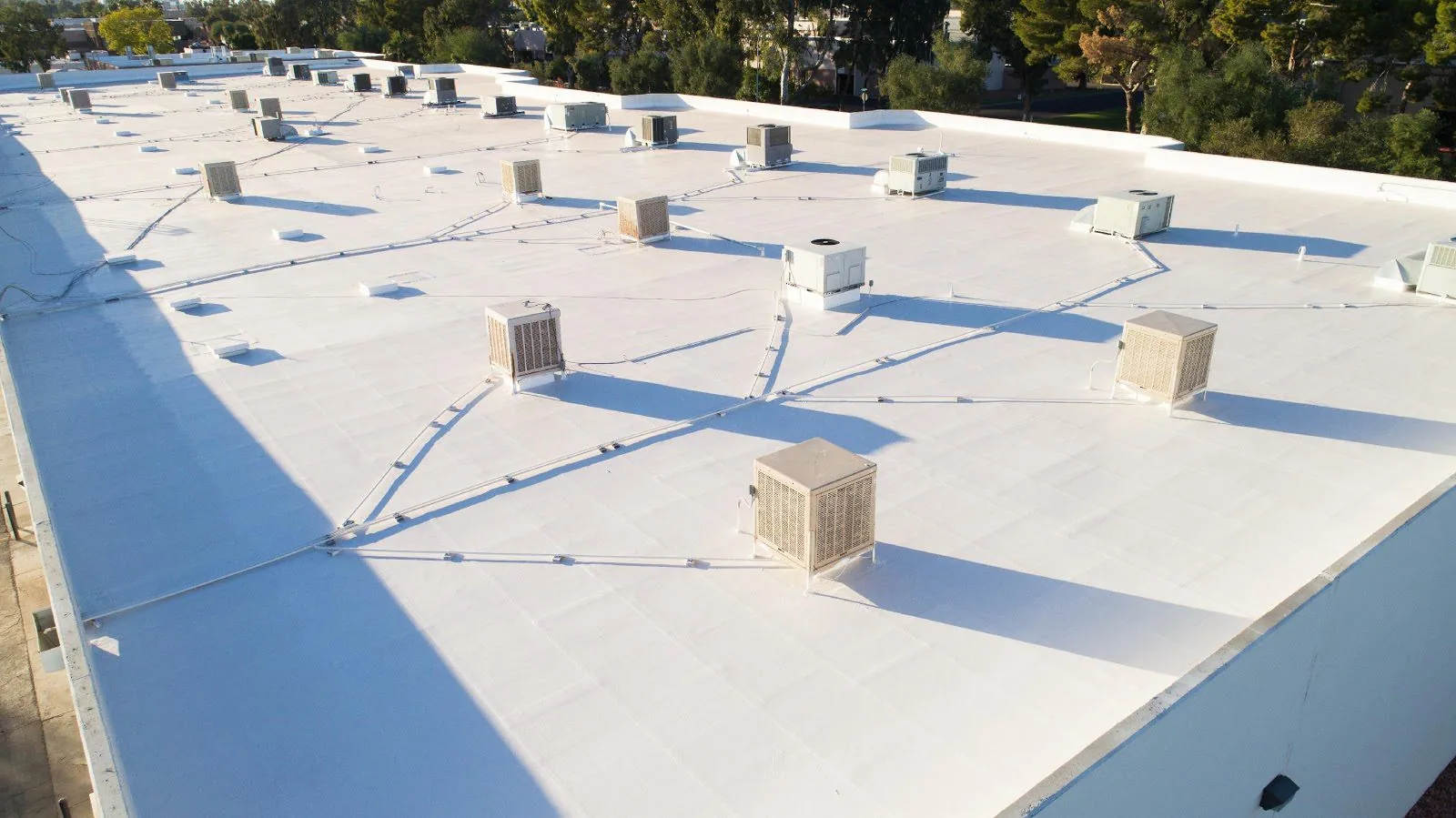
Commercial TPO Roofing
Talk to Commercial Roofing Westminster
Call 555-555-5555 or send a request and we will schedule a visit to look at the roof, explain what we find and lay out your options.