
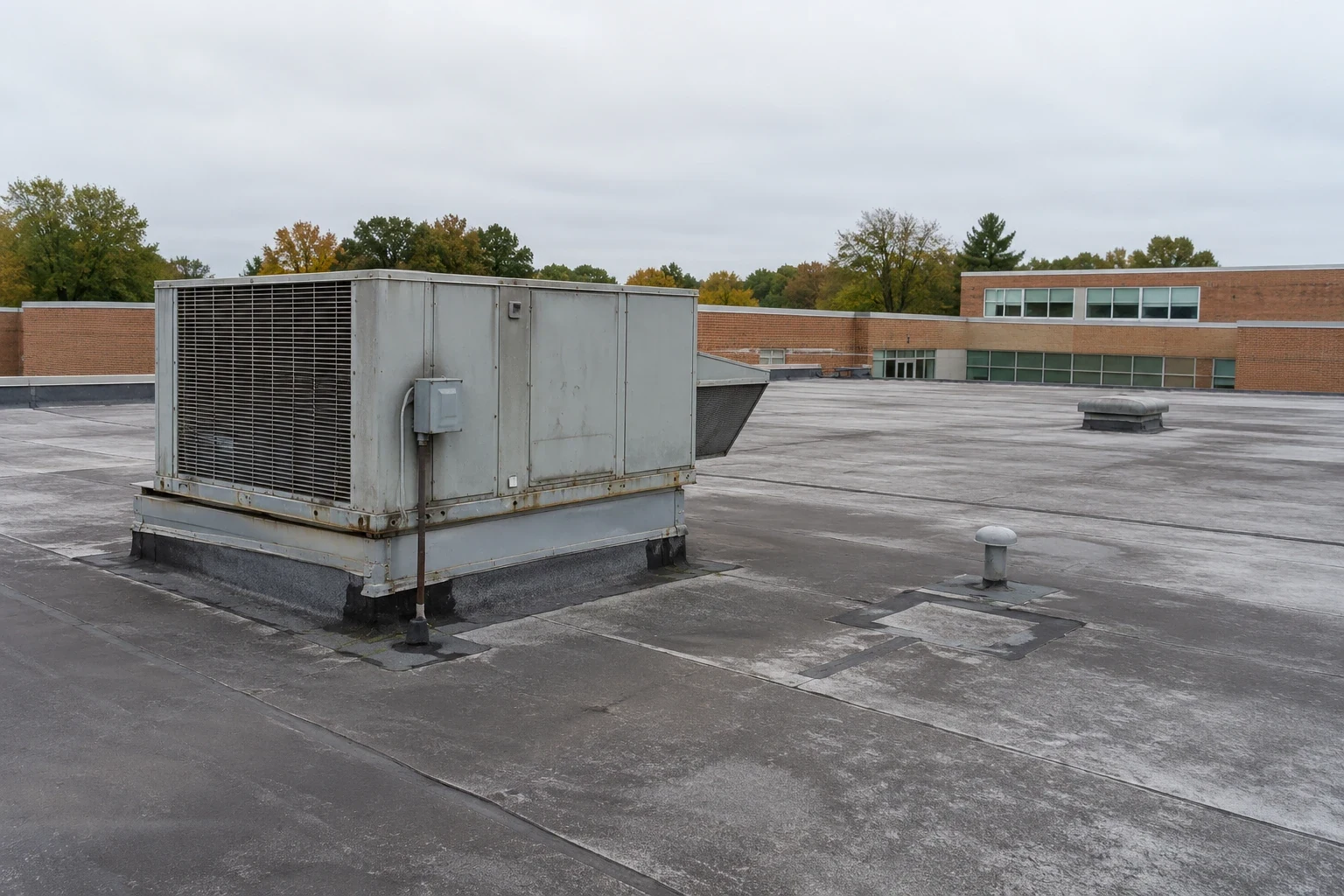
Commercial Roofing for School Districts in Westminster, CO
Plan Westminster school roof inspections, repairs, and replacement around academic calendars, occupied buildings, weather, and campus access.
School Districts
After hail, a district needs a roof check before summer work windows become crowded. The 2024 hailstorm moved through the northern suburbs, including Broomfield, Northglenn, and Thornton; roof damage was documented during the event. Use it to prioritize a roof walk, not to assign damage to every school. Start with the building, affected room, roof section, and time available before students or staff return. That first pass gives facilities staff a practical list to review before the next campus schedule is published.
Use the school calendar to sequence roof work
A school roof project competes with summer programs, cleaning, classroom setup, athletics, food service, and scheduled maintenance. Mark each roof zone with the dates its interior can be protected and the point by which the surface must be dry and secure. A daily closeout should name who accepts the space and what remains unavailable.
Westminster Station is a 135-acre transit-oriented district planned for retail, office, and residential development. The West 120th Avenue corridor includes commercial centers and connects to district-wide routes. These are geographic references, not proof of a school parcel in either area. For each school, the district provides its own campus map, loading access, neighboring activity, and occupied-building restrictions. Westmoor Technology Park is another northwest commercial reference for regional crew routing; a school site's own entrance and staging rules still control access.
A phased school reroof plan can keep one wing or building in service while another receives work. It should show roof openings, temporary dry-in, material staging, playground or loading restrictions, and daily inspection points. If a summer deadline is not realistic, split the work into approved phases rather than leaving a roof section exposed to a schedule assumption.
Separate storm evidence from maintenance needs
A regional weather report is a reason to look, not a roof diagnosis. Inspect membrane fields, metal edges, skylights, drains, curbs, and equipment supports on each campus. For school campuses, photograph edge metal before temporary protection is installed; leave structural questions to the project design professional. After melt, check the campus roof drains, scuppers, overflow routes, and low areas; use structural documents, not a weather record, for roof-loading decisions. Record blocked outlets and retained water by section so district staff can assign maintenance.
A storm-damage inspection can document a defined event-related scope. Keep that response separate from routine maintenance and deferred replacement. If an active leak appears above a classroom, library, gym, or kitchen, the school contact identifies the area to protect and the route that can be entered.
Protect spaces beneath the active work
Roof openings above classrooms, science rooms, kitchens, libraries, and gymnasiums need different interior plans. Identify sensitive equipment, ceiling conditions, stored materials, and any activity scheduled below. The school assigns a contact who can confirm the room is clear and approve protective measures. Crews should not assume a room is available because students are out.
Water from a seam, penetration, or drain may travel before it reaches a visible ceiling mark. Compare the interior report with roof plans and prior work, then document the actual roof detail. A commercial roof inspection can record seams, flashing, penetrations, edge conditions, and drainage. Temporary dry-in and permanent repair should appear as separate line items.
Noise, odors, dust, and debris may affect programs that continue during school breaks. Set work hours, delivery routes, fencing, fire lanes, and a cleanup process before mobilization. If a school is open for a summer program, coordinate with its facility lead rather than applying a district-wide calendar to every building.
Keep campus records consistent
District staff need a roof map, system information, inspection photos, repair history, warranty records, drains, access routes, and open recommendations for each property. Use the same campus and roof-zone labels in work orders and closeout files. That helps a future technician find the reported area and compare it with earlier photographs.
A condition report can rank visible repairs, testing needs, and longer-term renewal without claiming that every roof needs the same work. A separate property-level service record can keep occupant notices and access contacts current. District staff retain responsibility for education schedules, campus restrictions, and procurement decisions.
For renovation work, share roof penetrations, mechanical changes, and temporary protection requirements with the design and construction team before equipment is installed. A construction coordination scope can identify who owns flashing, inspections, and final closure at each interface.
Plan school roof work before the break
Send campus plans, roof history, leak tickets, academic dates, summer-program needs, access rules, and the district facilities contact. We will map the zones and document a workable sequence.
Choose repair or renewal from field findings
A localized puncture, open seam, loose edge, or failed curb may be repaired if nearby materials remain sound. Widespread moisture or repeated leaks may call for testing, a repair program, or replacement analysis. The district should receive measured roof quantities, photographs, material assumptions, and unresolved conditions. Building floor area is not the roof measurement.
Cost and timing depend on system, removal, insulation, access, staging, weather, and the academic schedule. A replacement proposal should state assembly, edge details, sequencing, temporary dry-in, protection below, and each building included. Do not roll excluded roofs into a portfolio total without identifying them.
Westminster moved to the 2021 International Codes in June 2024. The permit record and project jurisdiction determine which building and energy provisions apply to a campus. Keep drawings, submittals, inspection records, and change decisions together so the district can maintain the roof file after the summer contractor demobilizes. Procurement documents should state whether the price includes tear-off, insulation replacement, temporary protection, disposal, and interior protection. List alternates separately so the district can compare scope without mixing optional work into the base proposal. A pre-bid walkthrough can clarify access and identify questions before schedules are committed.
Close the summer project before reopening
Before a campus returns to full use, verify that temporary openings are closed, drains are clear, debris is removed, and affected rooms are ready for their scheduled use. Provide photographs of completed details, materials installed, and any area that still needs follow-up. The school contact records acceptance and outstanding access needs.
Keep a separate list for repairs deferred to a later break. Include the roof zone, condition, reason for deferral, interim monitoring, and budget year under consideration. The district can then compare projects without confusing urgent leaks with planned renewal. Keep the deferral decision with the campus file and assign a review date that matches the next accessible break.
A maintenance schedule can carry seasonal drainage and flashing checks into the school year. The district remains able to reprioritize if a leak or storm creates a new need, while the inspection history preserves why the earlier work was sequenced as it was.
Add the inspection date to each campus record.Commercial Roofing Questions
Can roofing work finish before students return?
The schedule depends on roof area, access, weather, and interior protection. Each building needs a sequence with a secure daily closure point and an identified acceptance contact.
Should every school be inspected after a hail report?
Prioritize roofs in the event area, then document the actual conditions at each campus. A nearby report does not establish damage at every property.
What does a school roof condition report include?
It identifies roof zones, visible defects, drainage, photos, repair boundaries, access limits, and testing or renewal questions that remain open.
Can a roof be repaired while a summer program is running?
Yes, if the school approves work hours, safe routes, room protection, fencing, and daily closure. Some tasks may need another window.
How do you plan a multi-school replacement?
Use campus plans and measured roof quantities to build separate scopes, phases, staging plans, and reopening dates for each school.
Related Roofing Work
Westminster Station
Read more
West 120th Avenue Corridor
Read more
Westmoor Technology Park
Read more
Occupied Commercial Building Reroofing
Read more
More Industries We Serve in Westminster
See the rest of our industries we serve for Westminster commercial buildings, or call 555-555-5555 to talk through your roof.
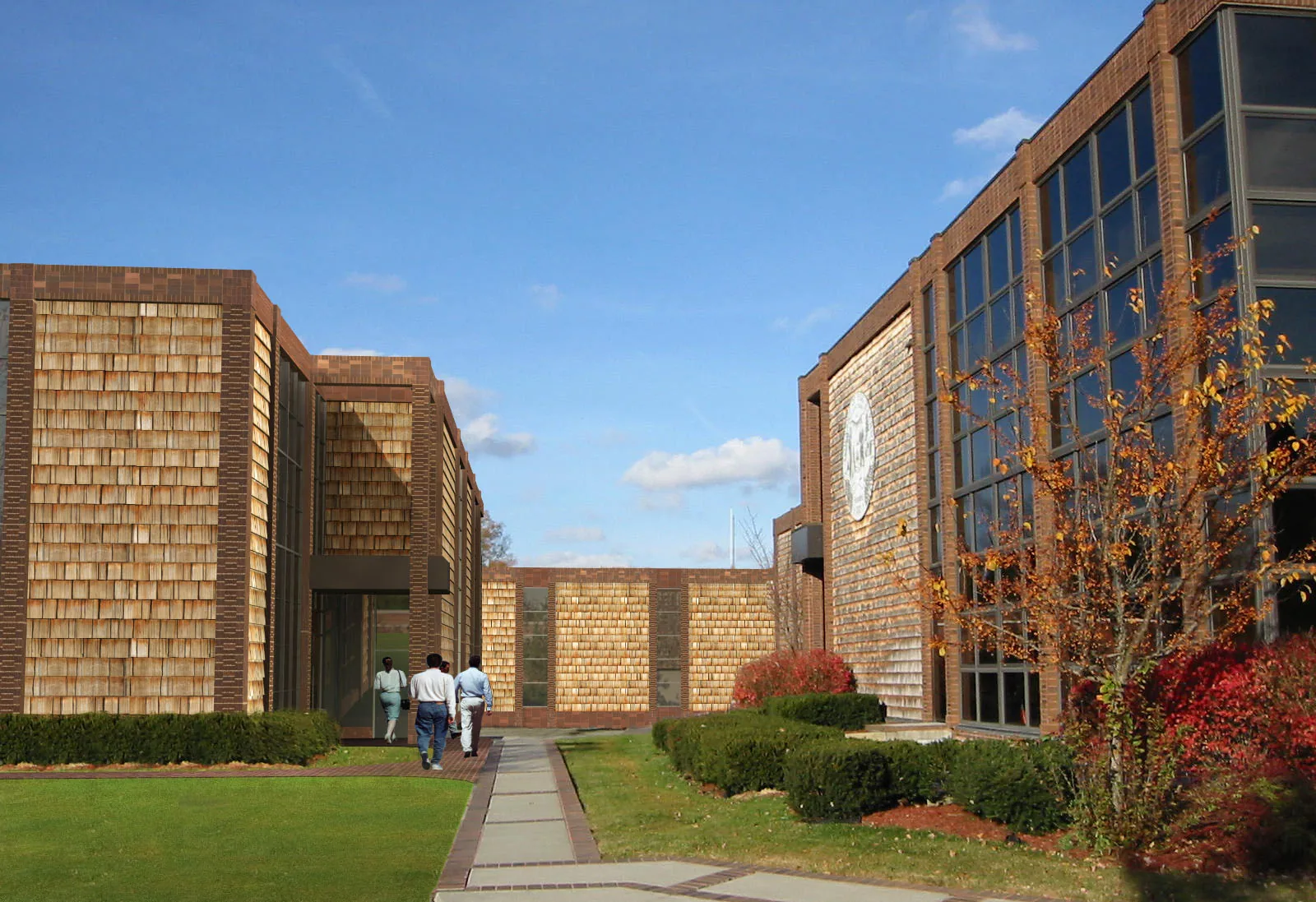
School Districts
Talk to Commercial Roofing Westminster
Call 555-555-5555 or send a request and we will schedule a visit to look at the roof, explain what we find and lay out your options.