
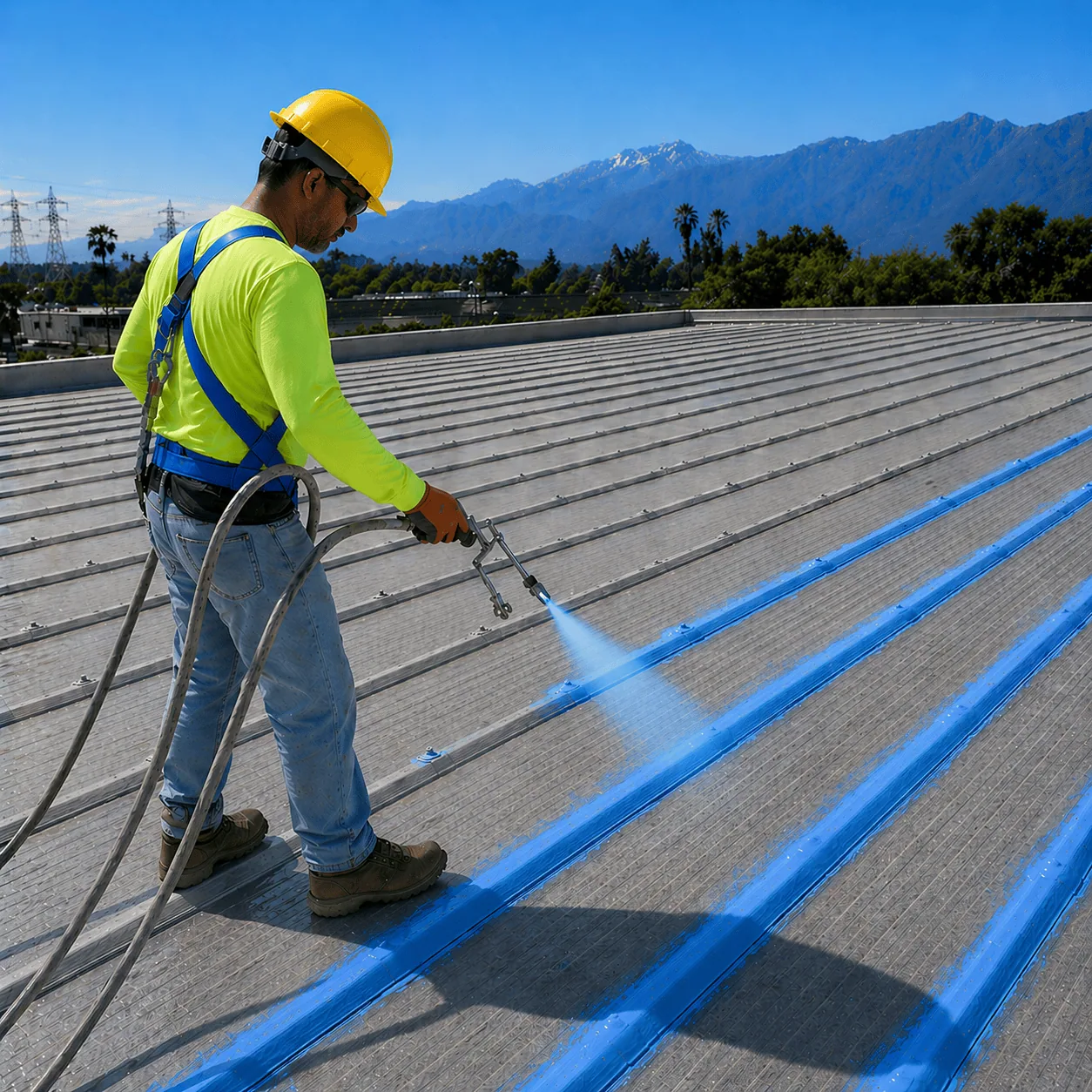
Commercial Roof Coating Restoration in Westminster, CO
Restore a Westminster commercial roof with substrate checks, compatible coating tests, repair preparation, defined application areas, and closeout records.
Commercial Roof Coating Restoration
After repeated sun, hail, and wet weather, a fading roof surface can raise a practical question: is the assembly still sound enough to restore? We inspect the membrane, seams, flashings, drains, and substrate before considering coating. Hail was reported near Westminster in May 2024, and intense storms are part of the area's weather exposure. Neither condition proves that a particular roof needs coating. The inspection records adhesion, moisture concerns, repairs, and transitions first. If the existing surface is stable and compatible, a coating may protect a roof area; if it is not, preparation or broader repair comes before application.
Confirm the roof can hold another layer
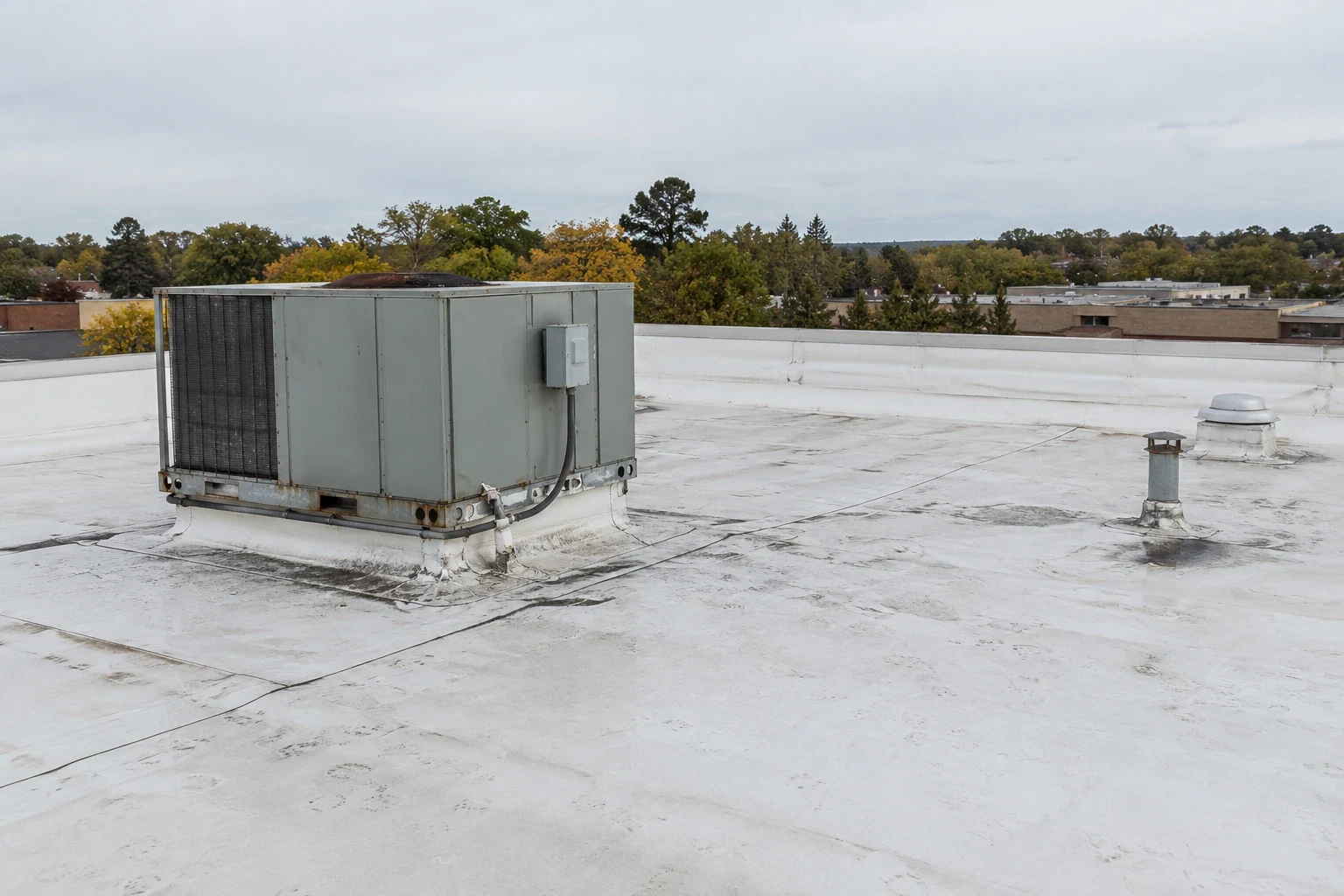
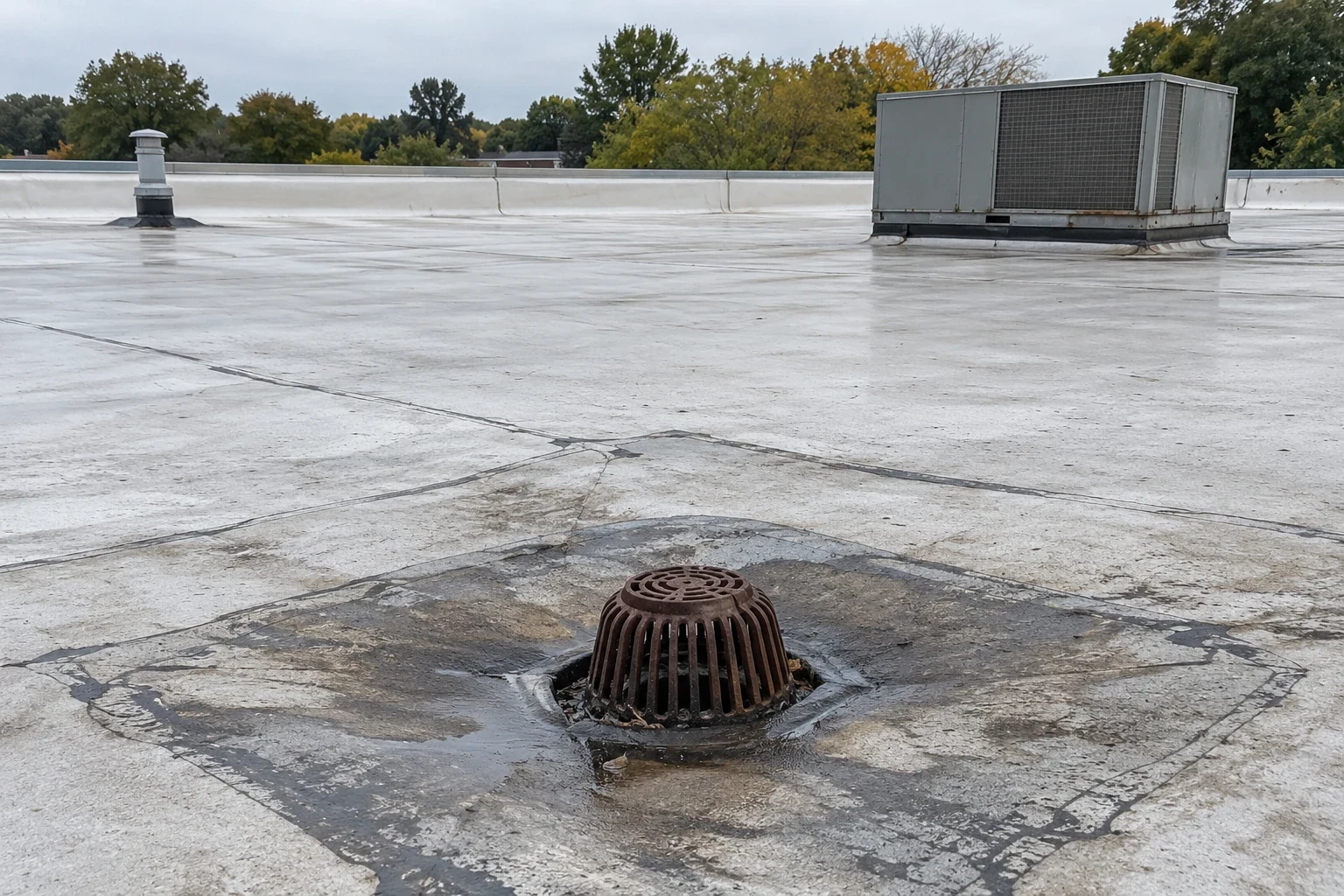
A coating belongs on a prepared, suitable surface. We identify the existing membrane or coating, note loose or contaminated areas, inspect seams and penetrations, and check whether water remains at low points. A test patch can evaluate adhesion when required by the selected product. It does not confirm the condition of concealed insulation or deck. If a roof is wet, unstable, or failing at a curb, coating over it can hide rather than correct the problem.
We map each proposed application area and distinguish repairs from coating coverage. The scope names cleaning, removal of loose material, seam work, reinforcement, primer, application rate where specified, and transition details. Product compatibility and weather limits are reviewed before materials arrive. A roof inspection or moisture survey may help answer questions that a surface walk cannot.
Westmoor Technology Park includes commercial office and industrial property along the U.S. 36 corridor. At another Westminster property, the roof system and repair history may differ. We verify the address and assembly before proposing a restoration. The location helps plan access and staging; it does not establish substrate condition.
Match coating chemistry to the exposure
Silicone and acrylic products have different properties and limitations. We compare expected water exposure, existing membrane, surface preparation, application conditions, reinforcement details, and project requirements. A coating chosen only by color or a general promise is not a sound specification. The proposal identifies the product system, areas included, repairs required first, and any exclusions.
Where a roof holds water, we inspect slope, outlet height, drain bowl, overflow, and membrane connection. Some products tolerate ponding better than others, but coating does not lower a roof or clear a blocked outlet. A drainage repair may be needed before a coating is applied. If ponding reflects structural or design conditions, the owner may need additional evaluation rather than a surface treatment.
A coating restoration is also different from full replacement. If the assembly is dry, bonded, and suitable, a restorative layer can be considered. If test openings find wet insulation or the membrane has widespread failure, a recover evaluation or replacement scope may better address the observed condition. The report compares these options without treating a coating as a substitute for every roof repair.
Prepare transitions before the field
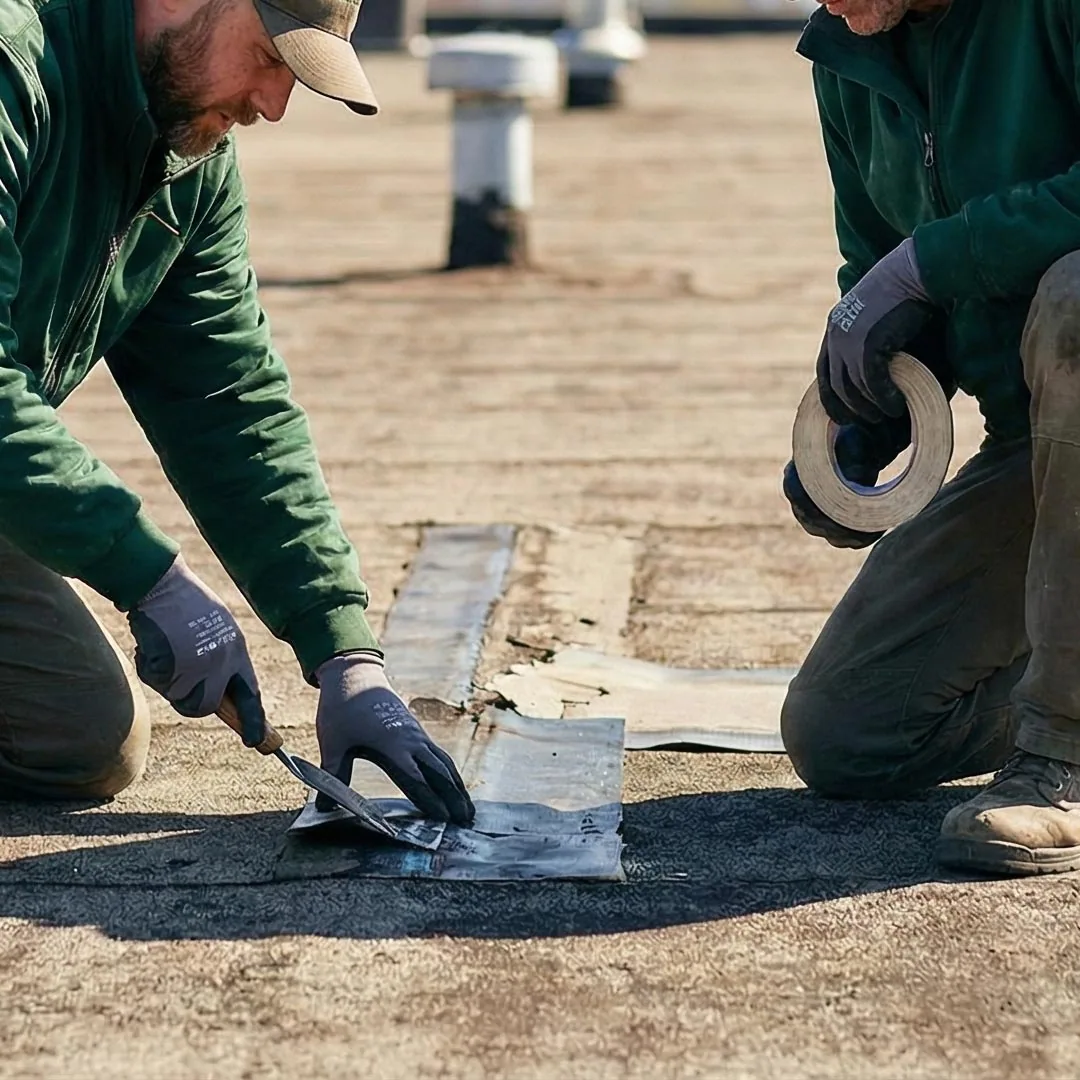
Work starts with cleaning and drying the approved area, removing loose coating, repairing openings, and reinforcing details where the system calls for it. We protect drains, walls, equipment, skylights, and air intakes from debris and overspray. Seams and curb flashings are repaired before coating bridges them. If the roof has multiple materials, the scope identifies transition strips or other details needed for compatibility.
Edge metal, coping, gutters, and penetrations need their own review. A coating should terminate where the approved design says it should, not run across an incompatible edge. A perimeter inspection can identify loose joints or water paths. For equipment curbs, a separate detail repair can be scheduled before coating begins.
Coating application depends on substrate temperature, ambient conditions, forecast, and product cure requirements. We select a work window that allows preparation and application without trapping water or exposing an unfinished section. The daily plan states the access route, material staging, pedestrian controls, and stop point. A weather interruption changes the sequence and may require reinspection before work resumes.
Control each day's work area
Before coating starts, we confirm roof access, approved application limits, equipment that must remain operational, and air intakes that need protection. The crew applies material at the specified thickness and reinforces details according to the product instructions and design. We track coverage by roof section and document changes in substrate or weather. If an unexpected wet area, loose membrane, or open termination appears, it is corrected or excluded before coating proceeds. We check for pinholes, thin spots, missed edges, and coating over an unprepared patch. A wet-film check during application and a visual cure review help identify a section that needs attention before the area is released to routine access.
Circle Point is a Westminster office campus with nearby amenities. Westminster Promenade combines retail and hospitality uses. These settings can influence crew access, lift placement, and work hours, but the property's contact sets the actual rules. A project near Circle Point or the Promenade remains subject to building-specific entry and protection requirements.
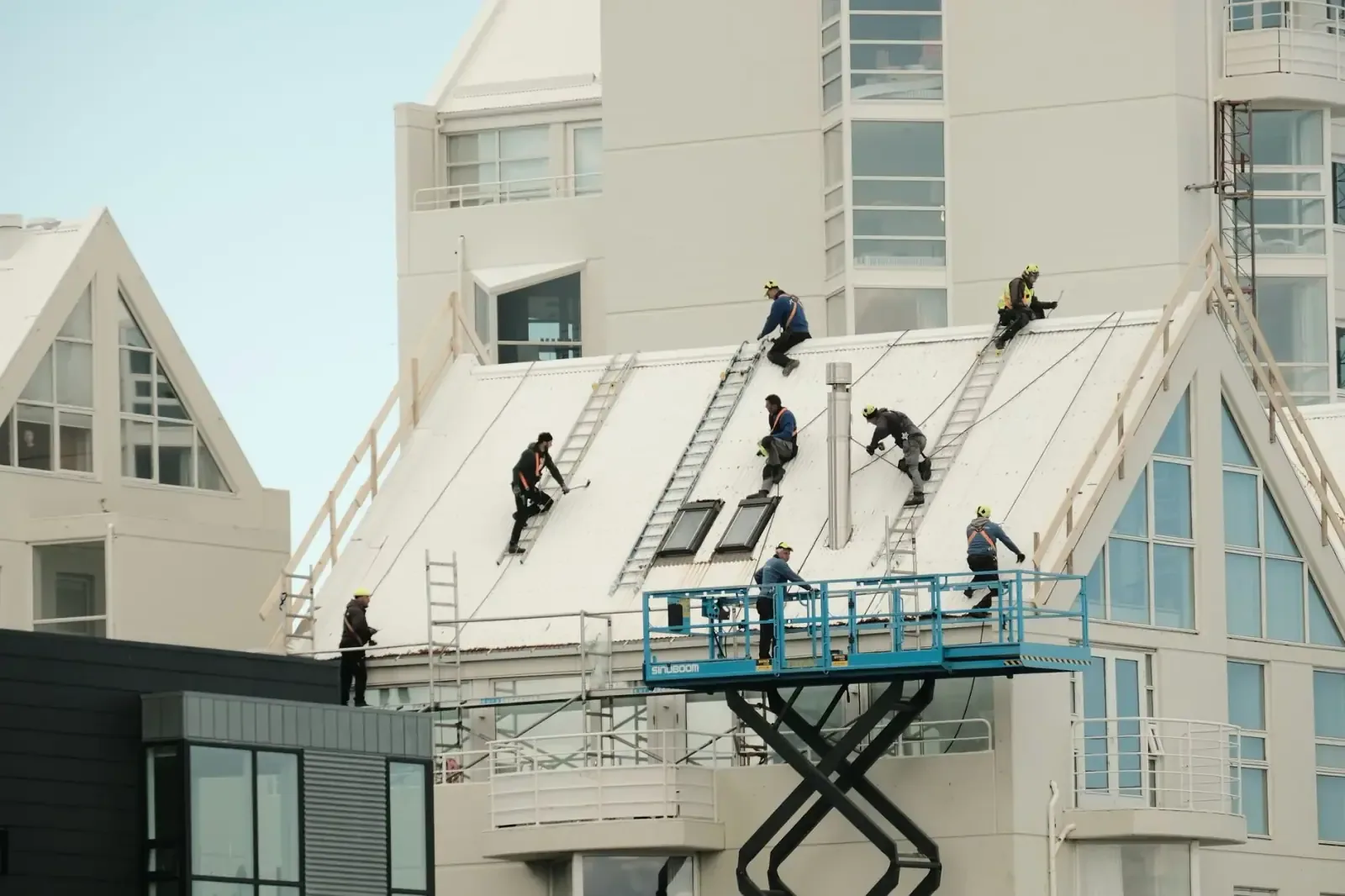
When an occupied building stays open, the work plan lists areas below the coating, approved walk paths, temporary barriers, and times when a roof hatch or delivery area is restricted. We keep drains accessible as coating cures and remove temporary protection when the surface is ready. A phased work plan can coordinate roofing with tenant and mechanical work.
Test the surface before recoating
Tell us what weather event or roof concern prompted the call, which area is affected, and how the roof can be accessed. Send system records and prior coating information. We will inspect adhesion, substrate, and transitions before defining an application scope.
Record the restored area
At closeout, the file identifies the substrate, coating system where confirmed, surface preparation, repairs, test-patch results, application sections, and excluded areas. Photographs show representative field coverage, seams, curbs, drains, and terminations. We note weather and access limits that affected the work. A later inspector can compare the coating edge and details with the original map instead of assuming every roof area was included. The closeout also notes where a different membrane, metal panel, or previous coating required a special transition. That boundary matters if equipment work or a repair is scheduled later, because the next crew can match materials and avoid cutting into a restored area without a plan.
Follow-up maintenance checks for adhesion, cracks, punctures, ponding, and damage from later trade work. Recoat timing depends on the product, surface condition, maintenance, and exposure; we do not infer a service life from appearance alone. A maintenance visit can compare current photos and record issues before another layer is considered.
To request a restoration review, send the Westminster address, roof plan, known membrane and coating history, leak reports, previous repairs, access contact, and preferred work window. Tell us what weather or roof condition prompted the call. We will identify tests or preparation needed and explain whether coating, repair, recover, or replacement fits the conditions found.
Commercial Roofing Questions
Can coating go over an existing roof membrane?
It can when the surface and assembly are compatible, stable, and properly prepared. We inspect seams, moisture concerns, repairs, and transitions before setting application limits.
Will a coating repair a leak at a curb?
The curb flashing and adjoining membrane need a specific repair first. We identify the opening, correct the detail, and include coating only where the approved system supports it.
Does coating fix ponding water?
No. We inspect the outlet, overflow, and roof slope. Drain or design work may be needed before a coating is considered.
How do you check adhesion?
We review the product requirements and can apply a test patch to a prepared area. The result applies to that surface and does not confirm hidden layers.
What affects coating work timing?
Preparation, drying, temperature, wind, precipitation, access, and cure requirements control the window. We define daily stop points and protect the roof if weather changes.
Related Roofing Work
Commercial Roof Inspection
Read more
Infrared Moisture Survey
Read more
Commercial Roof Drains and Scuppers
Read more
Commercial Roof Recover
Read more
More Commercial Roofing Services in Westminster
See the rest of our commercial roofing services for Westminster commercial buildings, or call 555-555-5555 to talk through your roof.
Commercial Roof Coating Restoration
Talk to Commercial Roofing Westminster
Call 555-555-5555 or send a request and we will schedule a visit to look at the roof, explain what we find and lay out your options.