Westminster, CO

About Commercial Roofing Westminster

Your Commercial Roofing Team in Westminster

A roof decision should begin with the building, not a stock recommendation. Commercial Roofing Westminster works with owners, facility teams, property managers, asset managers, and general contractors on commercial low-slope and metal roofs. We inspect conditions, repair active defects, maintain serviceable assemblies, restore suitable surfaces, and replace roofs when the evidence supports a larger project. The work is documented by building and roof zone so the person approving scope can see what was observed and what remains open.

How We Work

Straight Answers About Your Roof

Start with a roof walk

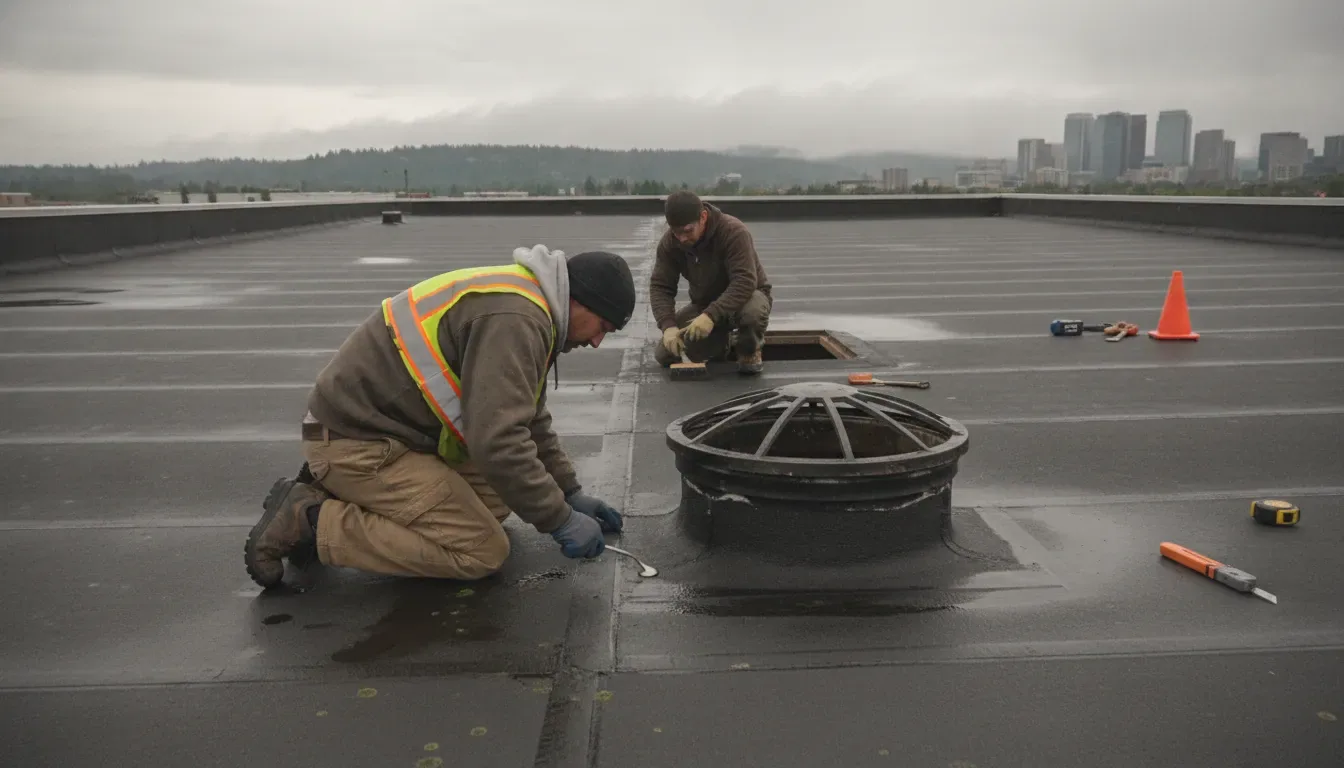
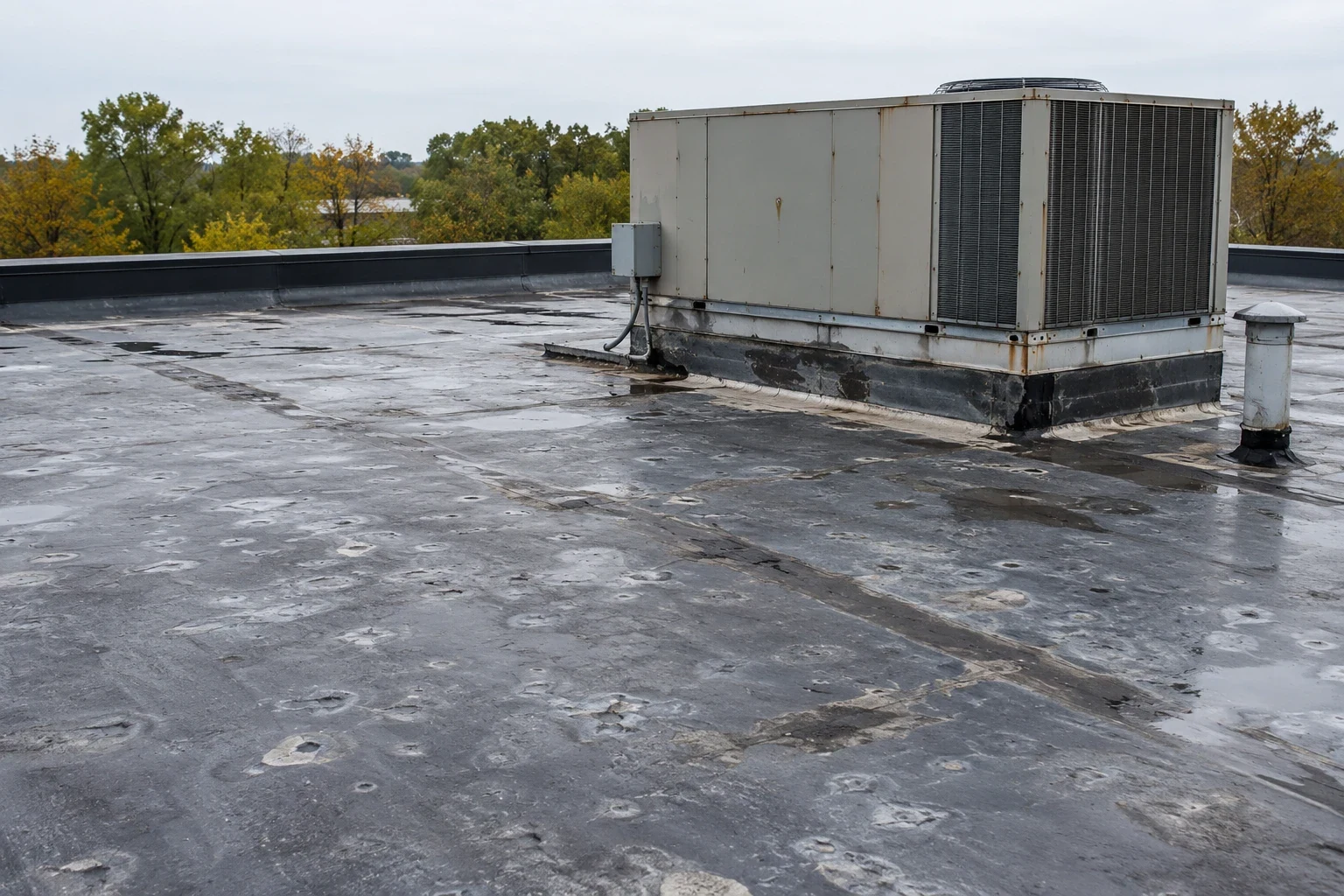
An interior leak report gives us a place and a time to investigate. It does not always identify the roof opening. Water can move through a roof assembly before it reaches a ceiling, so we compare the report with seams, penetrations, curb bases, wall transitions, edge metal, drains, and overflow routes. We photograph the close detail and its wider location. If the area cannot be reached, the report says so. That boundary keeps an unseen zone from being described as clear.

Some questions need more than a visual check. Drone or infrared moisture surveys can help when roof access is limited or concealed moisture may affect the repair path. Testing should answer a defined question. We explain the coverage and limits so an owner understands what the result can and cannot establish. Our commercial roof inspection work can include a written condition report with photos, findings, and follow-up items.

The first visit also checks what is already known. Roof plans, prior repair notes, warranty documents, and maintenance logs help identify the installed system and past changes. Field conditions still matter. If records and the visible assembly disagree, we flag that difference before selecting materials or describing a replacement scope.
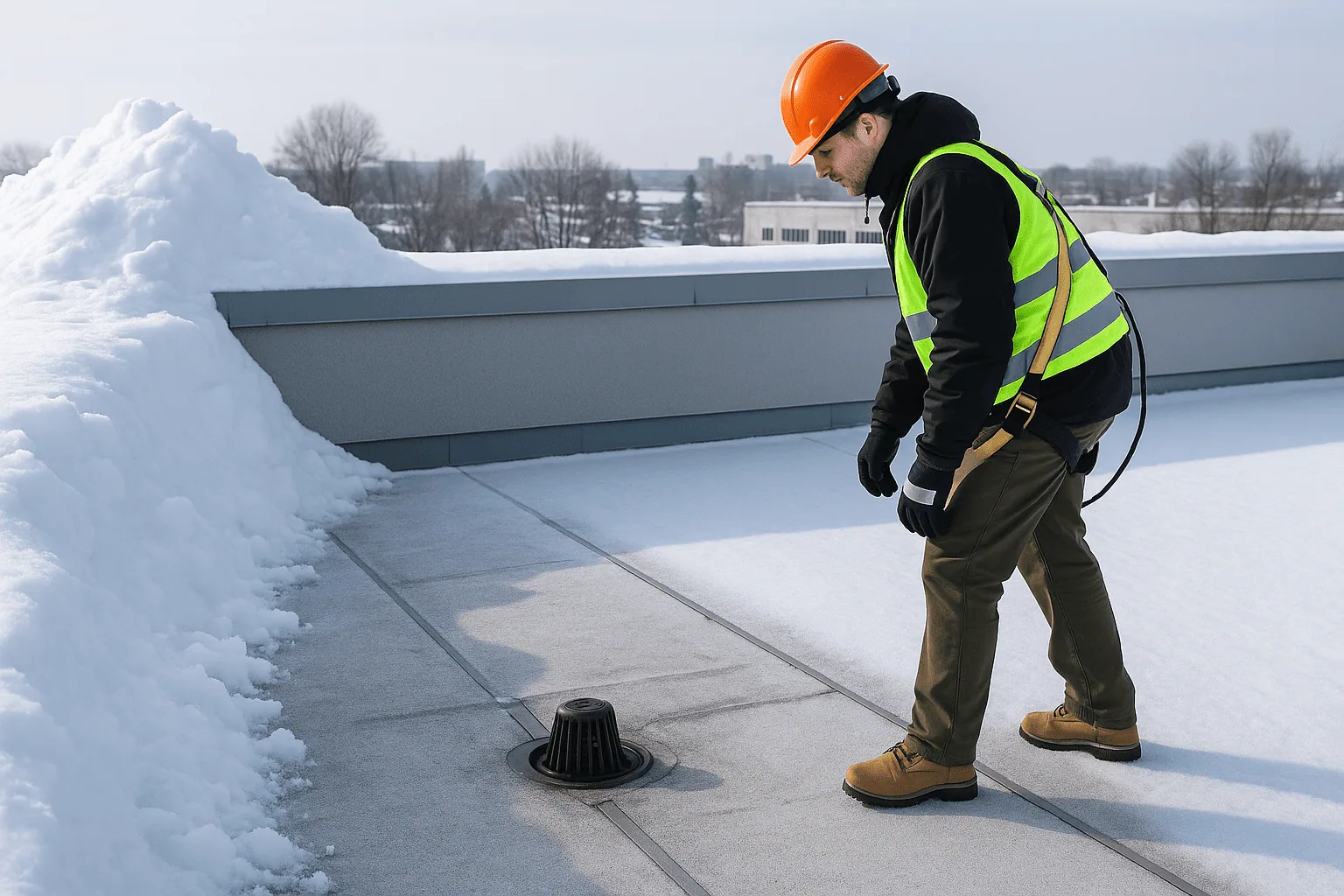
Commercial roof inspection in Westminster, CO

Correct the active problem

For active water, the first task may be temporary protection while the source is located. For urgent water entry, dispatch remains available nights, weekends, and holidays. A temporary dry-in is marked as temporary and given a return action. It is not listed as a permanent repair. The follow-up should verify the boundary, confirm that the opening is closed, and record whether water returns after precipitation.

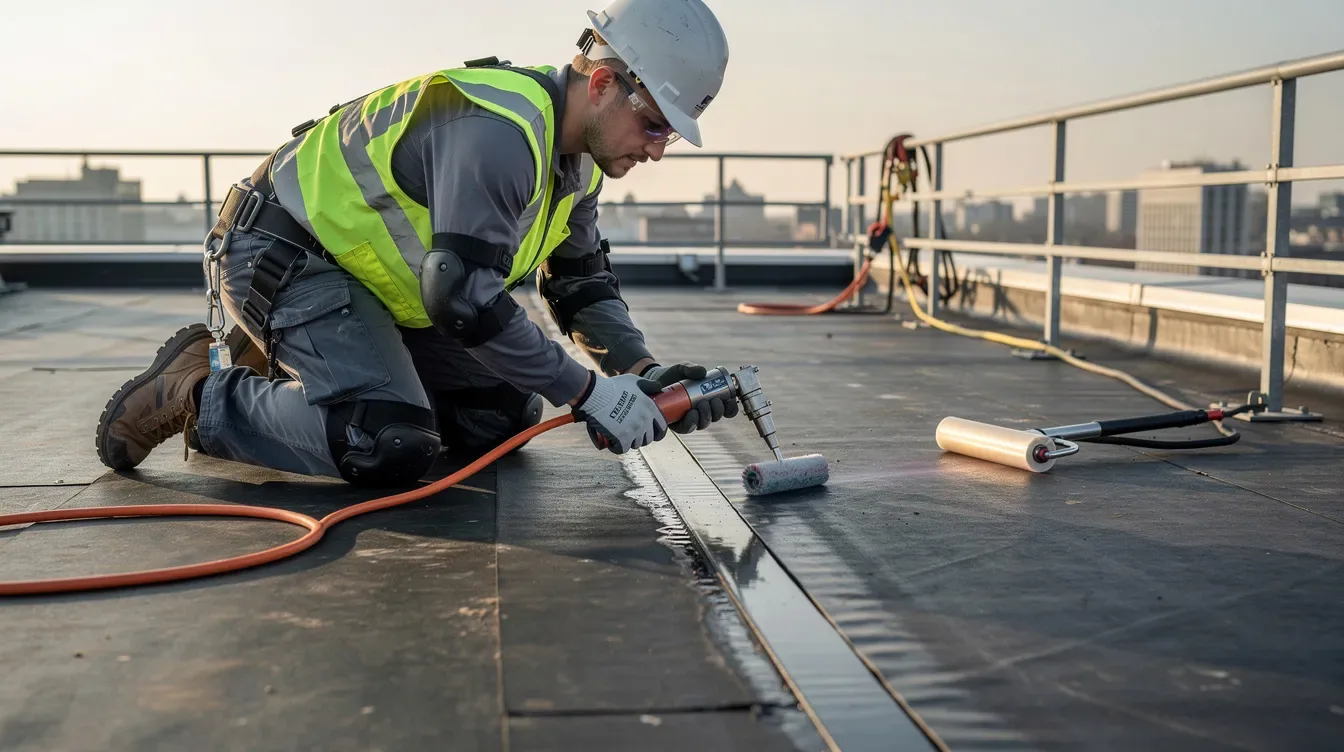
A limited defect can support a focused repair if nearby material and attachment remain sound. The scope identifies surface preparation, compatible material, the repair boundary, closeout photos, and any test. A commercial repair may address a seam, flashing transition, puncture, edge detail, or drain condition. If several zones leak, insulation is wet, or attachment has failed, a broader assembly review may be the responsible next step.

Storm concerns deserve the same discipline. Hail, wind, snow, heat, cold, and thunderstorms occur in the Denver/Boulder forecast area. The May 30, 2024 hailstorm moved across the northern metro, and roof damage occurred during the event. Use the storm date to prioritize a roof walk, then record impact marks, openings, and repair needs at each Westminster property. We record what the roof itself shows and distinguish new observations from older wear or untested conditions.

How We Approach Every Roof

Work with the installed assembly

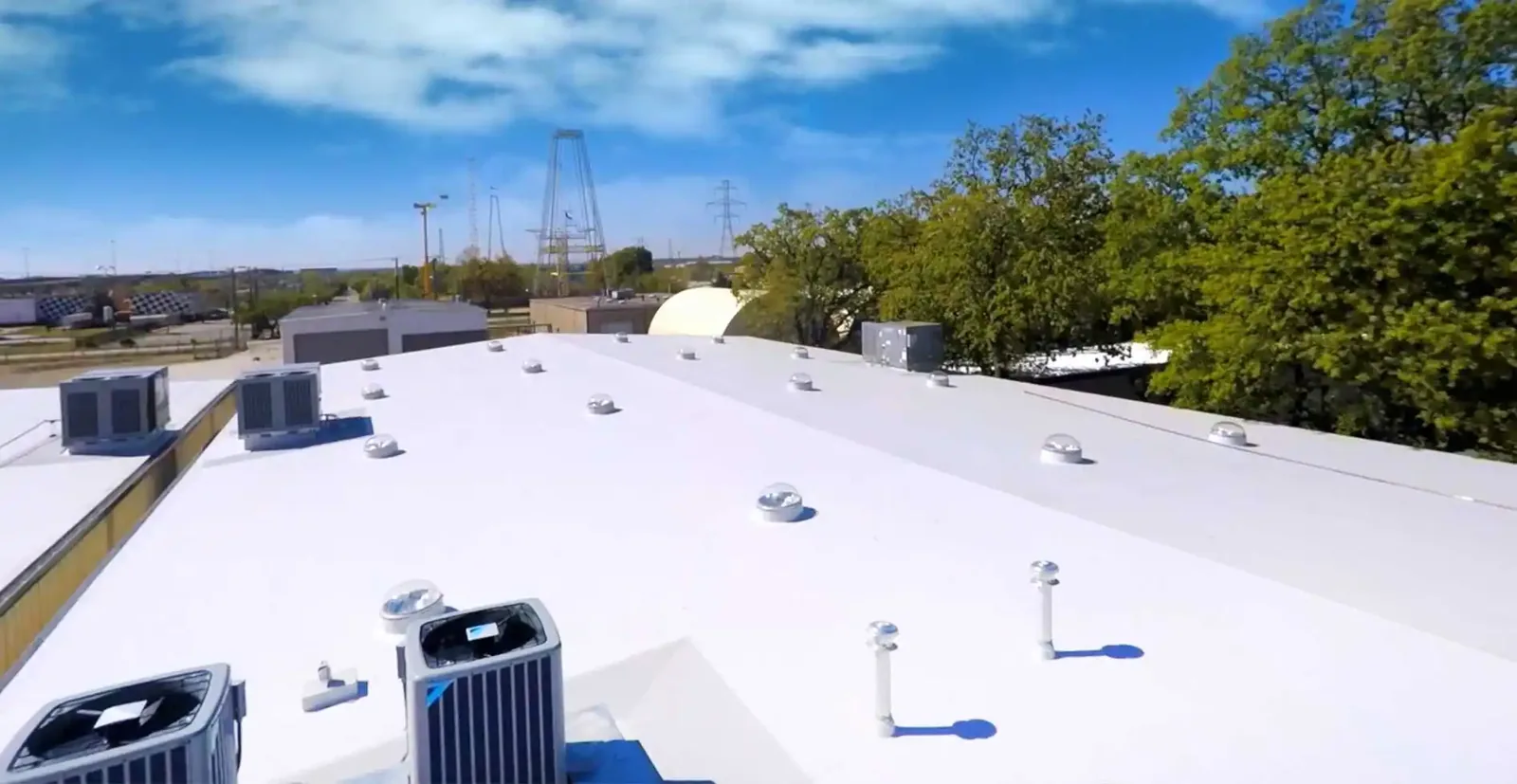
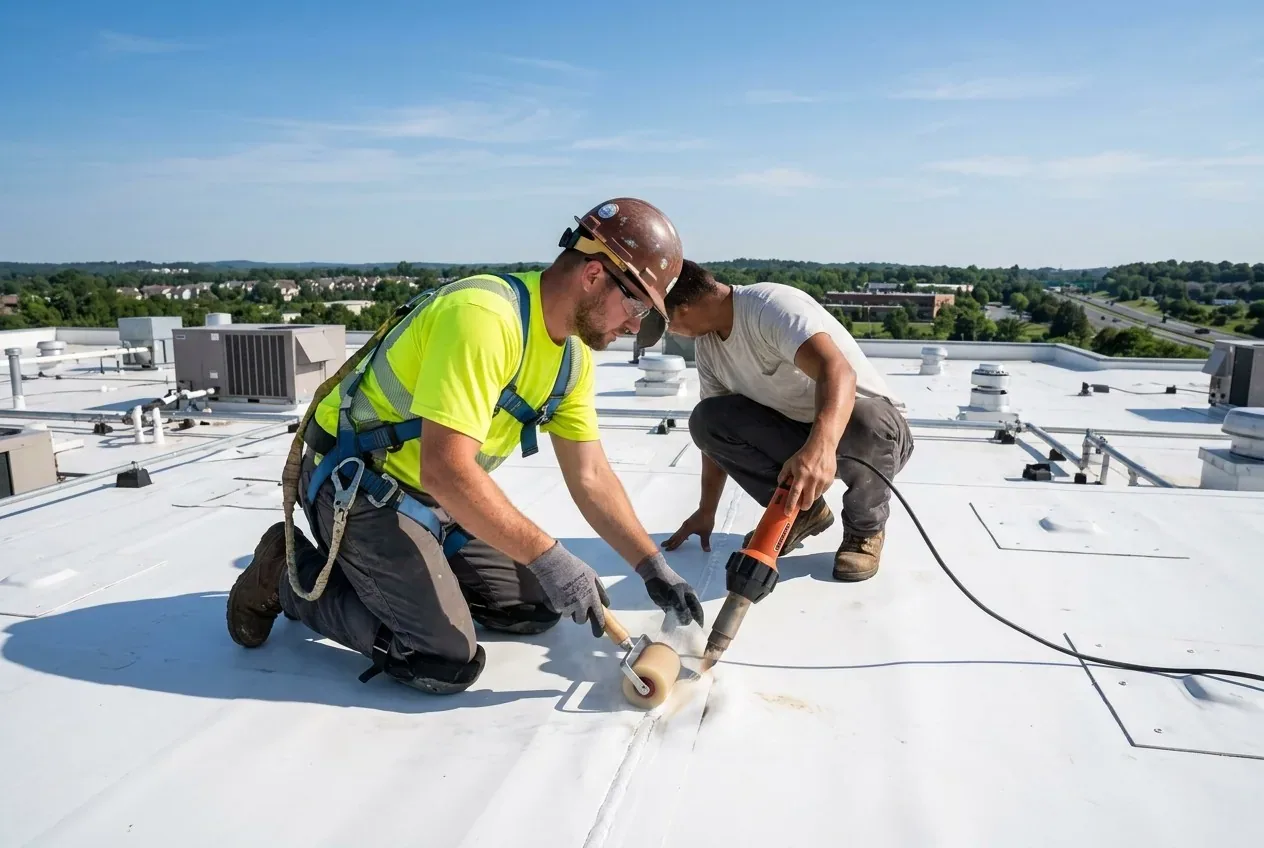
Our crews handle single-ply membranes, asphaltic roof assemblies, standing-seam and retrofit metal, spray foam, and fluid-applied coatings. Each uses different seams, flashing, attachment, and surface preparation, so we confirm the installed construction before choosing materials. A previous overlay or patch can obscure the original build-up, so the report distinguishes documented layers from what remains uncertain.

Owners comparing options need the building details that affect the choice. We inspect insulation, substrate, drainage, roof edges, penetrations, equipment supports, and earlier repairs. A restoration or coating fits only when test results, surface condition, moisture, and attachment support adhesion. Coating does not resolve wet insulation or failed attachment. A recover or replacement plan should state removal assumptions, new insulation and cover board, membrane, perimeter details, staging, debris, and daily dry-in.

Products and warranties are part of the record. We review manufacturer requirements, prior approvals, maintenance obligations, and repair history before changing an assembly. A brand name does not prove that every roof area uses the same product or that a condition falls within warranty coverage. The scope identifies confirmed product information and any manufacturer or warranty review still needed.

Understand the Westminster market

Westminster roofs face snow, hail, wind, heat, and cold. After a thaw, we inspect the actual drainage path, low points, overflows, and signs of ponding, then compare the findings with roof plans and project criteria.

Westminster's employer mix includes technology, health and life sciences, finance, aerospace, hospitality, and business support. The 2040 Comprehensive Plan guides development and redevelopment; neither that framework nor a sector label identifies a property's roof system. A retail property, laboratory, office, or warehouse still needs its own access plan and condition record. Westminster has enforced the 2021 International Codes since June 1, 2024; the project team should confirm the code path for the actual jurisdiction and scope.

Work at an occupied building includes the areas below the roof. We coordinate notices, access routes, deliveries, staging, lift placement, equipment shutdowns, and interior protection with the property contact. A retail entrance, production schedule, or clinical operation can change the sequence. We identify what must remain open, where materials can be staged, and how each work area will be released at closeout.

Plan maintenance and capital work

A maintained roof still needs records. Scheduled visits can inspect drains, seams, flashings, roof edges, curbs, and exposed repairs. Findings should be dated and tied to a roof map. A maintenance plan can track completed work, recurring concerns, and the next check without treating every visit as a full replacement assessment.

When larger work is approaching, compare options with consistent assumptions. A condition report can separate active leaks, near-term repairs, and longer-range capital needs. For replacement, a commercial roof replacement scope should define assembly layers, edge design, staging, work hours, and daily dry-in. Cost and duration depend on roof height, access, detail count, equipment needs, concealed conditions, material compatibility, and how many phases must stay protected.

For owners with several assets, records should remain separate by property even when the inspection format is consistent. That makes it possible to compare drainage, repairs, warranty status, and upcoming work without assuming that similar buildings have similar roofs. Open tests and deferred repairs stay visible until someone closes them.

Make the next step clear

We want the handoff to be usable by the owner, manager, and next service team. Reports identify inspected areas, observations, photographs, repairs, access limits, test results, and pending actions. A final visit confirms the work boundary and notes any temporary item that remains. If the roof was not fully accessible, the record says what could not be reached and what would make a later inspection possible.

To start a conversation, share the property name or address, roof plan if available, affected room or area, leak or storm timing, prior work, and the person who can arrange access. If the request involves several buildings, identify each one separately. We can review the records, inspect the roof, and present options tied to observed conditions and operating needs.

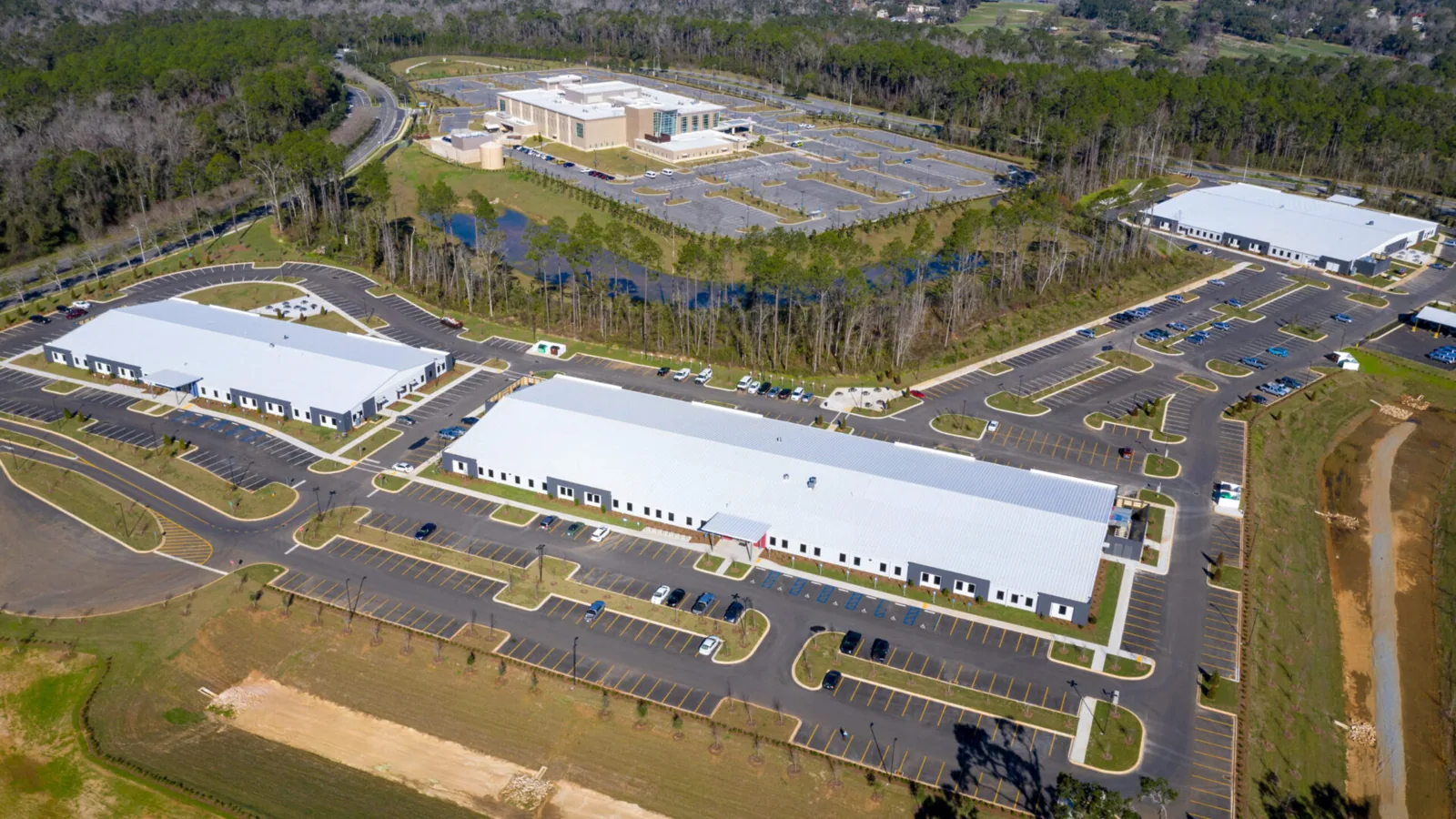
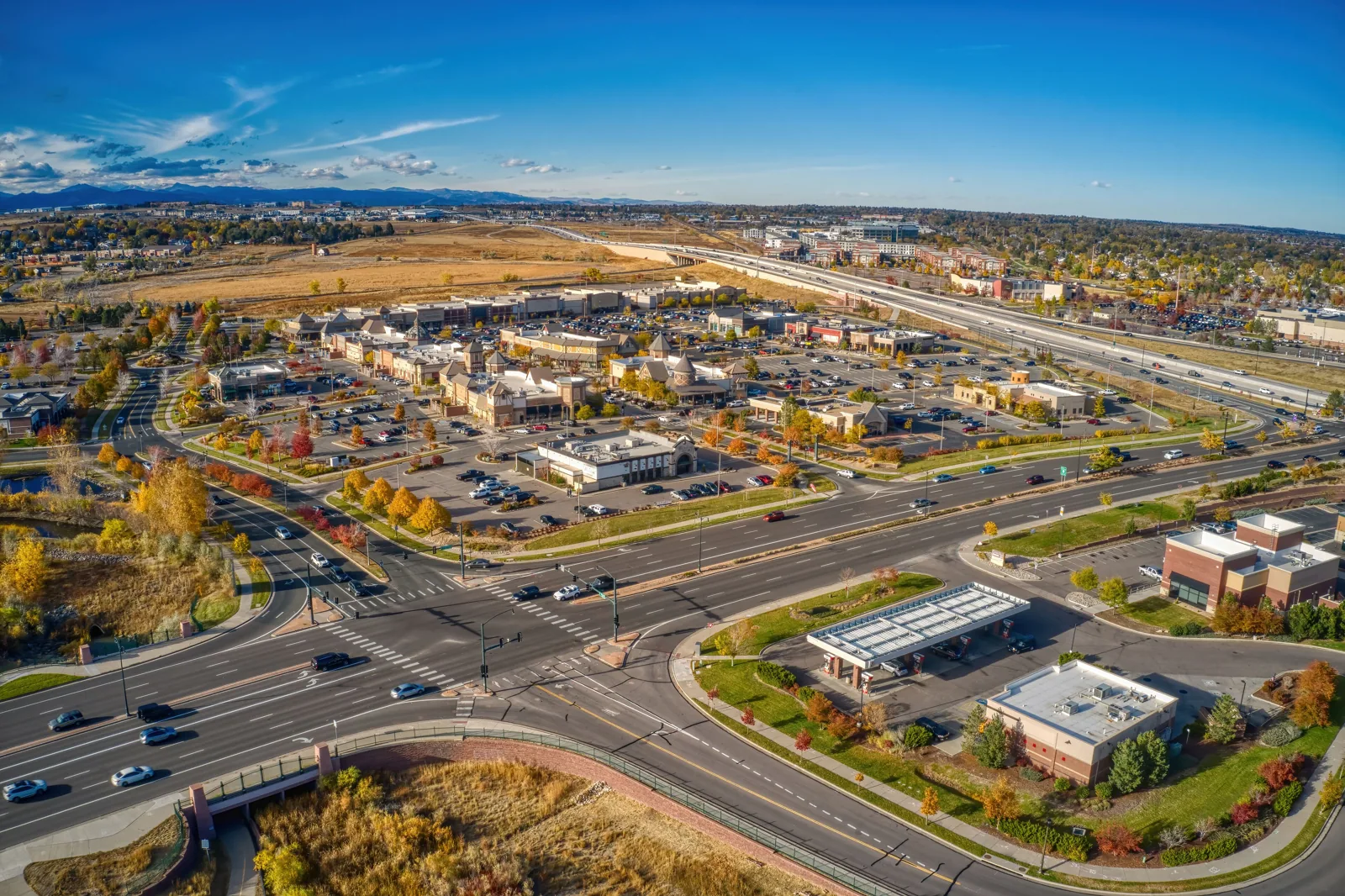
Commercial Roofing Westminster works across the service area, from business parks and office properties to retail corridors and industrial facilities. We keep the recommendation grounded in the specific roof and explain the evidence behind the next action. That may mean a defined repair, more testing, planned maintenance, restoration, or replacement. The owner receives a clear record of what was done and what remains to decide.

What We Do

Talk through the roof decision

Send the property, affected area, timing, roof records, and access contact. We will help identify the next inspection or repair step.

Call Now555-555-5555