Commercial PVC Roofing in Westminster, CO
Evaluate Westminster PVC roofing for chemical exposure, seams, flashing, and drainage. Match the membrane to the building's use and documented roof condition.
Commercial PVC Roofing
Kitchen exhaust gives the roof a specific exposure to check before a membrane is selected. PVC is often considered where grease or chemical contact matters, but this building's discharge and layout guide that choice. In Westminster, commercial activity spans retail corridors and office parks. We inspect the substrate, seams, penetrations, drainage, and nearby equipment before recommending PVC repair or installation.
Match the membrane to roof exposure
PVC sheets form thermoplastic laps joined by heat welding. Its formulation can suit some grease and chemical exposures, but no membrane should be selected from a building label alone. We identify exhaust outlets, condensate discharge, rooftop process lines, and service routes. The owner or mechanical contractor confirms what substances reach the roof and whether the discharge can be redirected.
A facility near Westminster Promenade or in the North I-25 retail area can have kitchens, loading, or mixed tenant uses. Those facts point to questions for the site walk, not a predetermined roof specification. We look at the field, seams, curbs, and exposed surfaces, then record whether a product review is needed for a known discharge.
PVC and TPO both use welded seams, but system properties and approved flashing components differ. A TPO membrane may suit a different exposure profile; a KEE membrane is another PVC-alloy option. We compare actual system data and roof conditions rather than treating the materials as interchangeable.
Where discharge cannot be moved, the team can discuss a protective detail or a different material during design. Any change needs a compatible attachment and flashing plan, not only a surface specification. The owner should retain the equipment and cleaning schedule because those conditions can change what reaches the membrane after installation.
Inspect welds before surface marks
Heat-welded laps form the membrane's water-shedding field. A technician checks for contamination, weak weld edges, fishmouths, wrinkles, and separation at transitions. Probe testing can find a discontinuity where the seam is accessible. A surface scuff or stain does not by itself show that the weld has opened, so we record each observation separately.
Grease film or chemical residue can affect cleaning and repair preparation. We identify the affected zone and coordinate safe handling with the facility. A patch must use compatible material and a properly prepared surface. If the exposure continues, the owner may need to adjust equipment discharge or protect the membrane to keep the repair from recurring.
Westminster's warm-season heat and intense storms can put stress on exposed roof details. The roof inspection focuses on actual seam condition and flashing after weather, not assumptions based on a forecast. An inspection record can locate the weld, nearby outlet, and reported interior condition for follow-up.
Check curbs, drains, and terminations
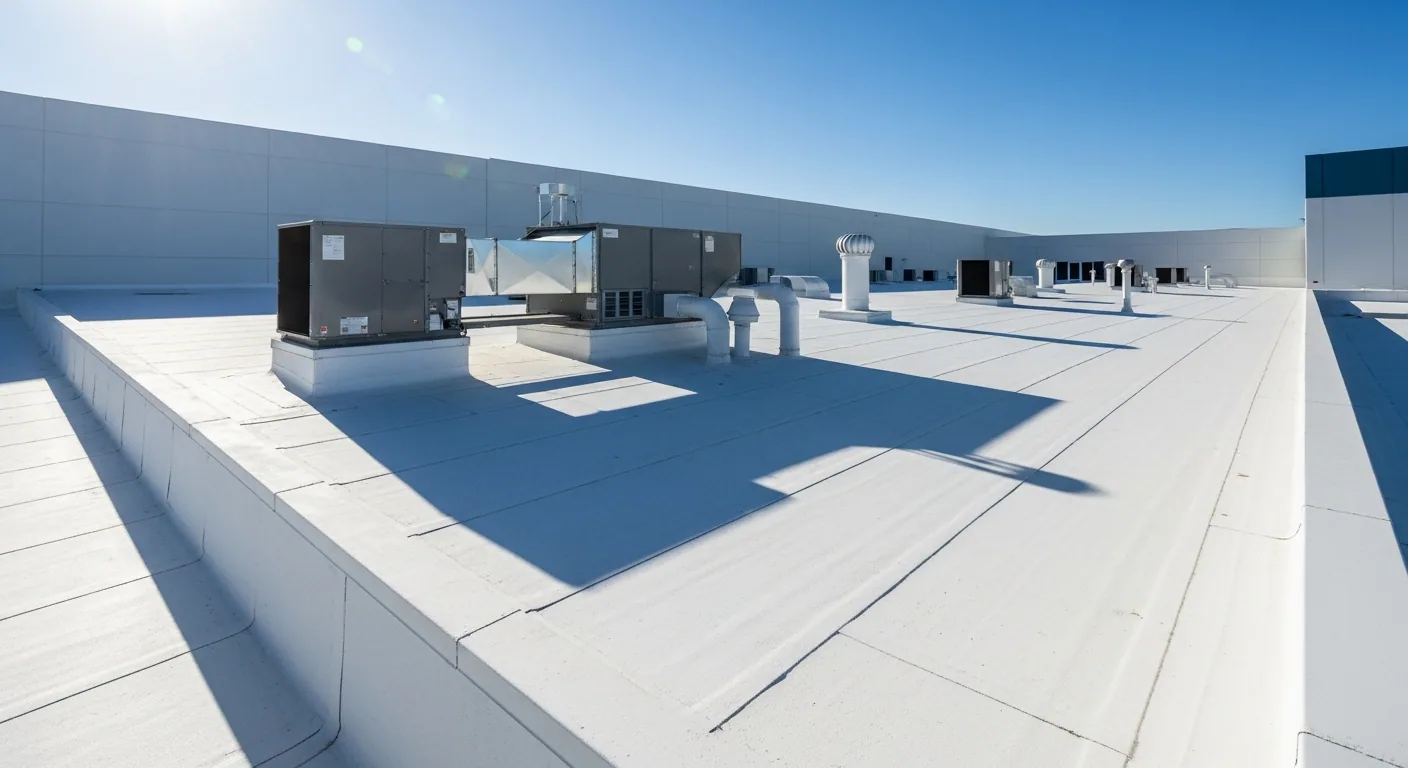
Every curb, pipe, drain, and edge breaks the field sheet. The PVC flashing must rise and terminate in a manner compatible with the roof assembly. At a curb, we check corners, counterflashing, fasteners, and any evidence of equipment movement. At a drain, the membrane connection should remain secure without folds that collect water. At the perimeter, the termination and metal attachment work together.
Westminster snowfall varies across the Denver metro. That makes roof elevations and outlets more useful than a regional snowfall total when checking a specific PVC roof. We map low points and overflows, then note debris or water marks. The inspection traces the roof-side path from the membrane field to the outlet.
A facility near Westmoor Technology Park may have office or industrial equipment clustered across the roof. We number details by section so a flashing repair can be coordinated with maintenance access. Where the roof edge is part of the concern, our scope checks the transition around the membrane.
Define a repair or a new assembly
A local PVC repair can address a puncture, open weld, damaged boot, or failed curb flashing if the surrounding membrane is suitable. Preparation and welding follow the product system. We state the repair area, test method, and any adjacent condition left outside the work. If contamination or widespread seam separation continues beyond one zone, repeated patches may not be the right long-term scope.
For a broader project, we assess removal, recover, or replacement. Existing moisture, attachment, deck, roof height, drainage, and curb elevations all affect the choice. A recover assessment checks whether a new layer can be supported by the existing assembly. A replacement estimate states insulation, cover board, membrane, edge, and drain details.
Timing matters when equipment, tenants, or cooking operations continue during the work. We coordinate shutdowns and access with the facility contact and identify where exhaust or equipment service must pause. For a property along the 120th Avenue corridor, the material staging and roof entry plan should also protect retail and loading activity below.
Review the roof exposure
Share the Westminster address, roof plan, PVC system history, leak location, exhaust or discharge details, and access contact. We will inspect the membrane and details, then outline a repair, test, recover, or replacement path based on the roof.
Prepare and weld the system carefully
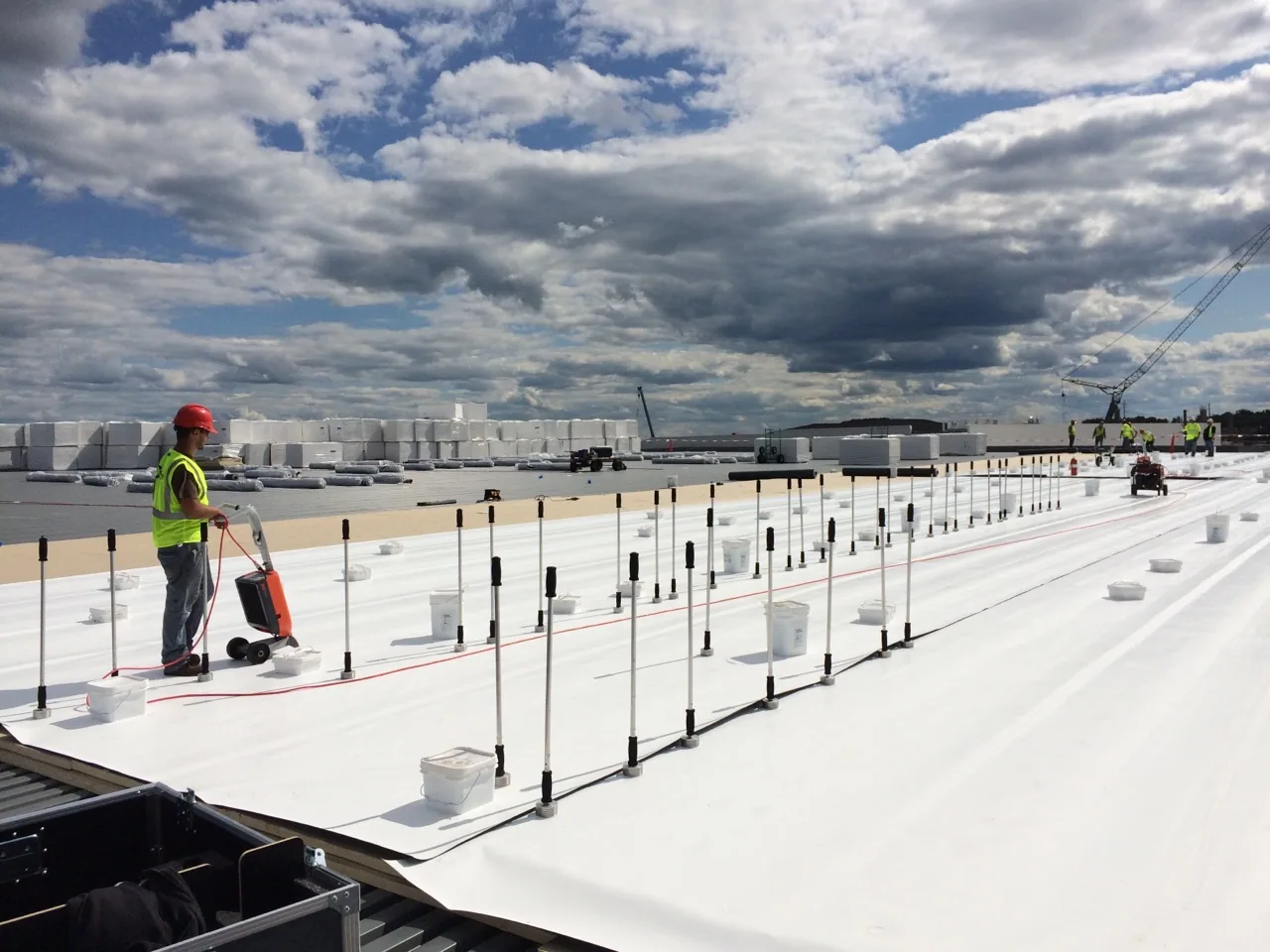
Installation starts with the approved roof assembly and a sound substrate. The crew checks deck, insulation, cover board, fasteners or adhesive, and perimeter attachment. PVC rolls are staged to avoid damage and contamination. Field seams are welded under the system's specified conditions, and details use compatible flashing materials.
Weather changes the work window. The roof surface must be clean and dry enough for the selected method. Wind affects roll handling and open work areas; precipitation requires a secure daily tie-in. The superintendent records what section is complete and which opening remains under temporary protection.
Before the crew closes a phase, it checks visible welds, penetrations, drains, and terminations. Photos show the assembly before details disappear below later layers. A condition report can preserve the records, completed boundaries, and any approved test results for the owner.
Track the exposure and roof history
The closeout identifies the PVC system where confirmed, roof sections, welds checked, repairs, equipment discharge concerns, drains, and open questions. It does not turn an untested surface into a statement about concealed layers. Photos and a roof map make the next service visit more precise. Record the inspection date and weather, since surface conditions can affect what the crew could test.
For a Westminster property along 120th Avenue or near Westmoor, log kitchen, process, and mechanical outlets that reach the roof. Routine care can track changes at those details and keep debris from covering inspection points. If an outlet or exhaust changes, update the roof plan before the next inspection.
Send the building address, roof plan, known PVC product, leak location, nearby exhaust or process discharge, and access contact. We will inspect the exposed assembly, identify any chemical-compatibility question, and explain whether repair, testing, or a larger system scope fits the roof.
Commercial Roofing Questions
Is PVC the right membrane for a commercial kitchen roof?
PVC can suit some grease-exposed applications. We identify what reaches the roof, then match the discharge, sheet, and flashing details to a compatible system.
How are PVC seams repaired?
The crew cleans and prepares the surface, then heat-welds compatible PVC material and checks the repair edge. The surrounding sheet must be suitable for that method.
Can chemical exposure damage PVC roofing?
Exposure varies by substance and concentration. We identify what reaches the roof and check product compatibility rather than assuming a general chemical rating covers every condition.
Can an old PVC roof be coated?
A coating is only an option when the surface, existing material, and system approval support adhesion. We inspect and test before proposing restoration.
What information helps assess a PVC roof leak?
Send the roof plan, membrane history, interior location, timing, nearby exhausts, and access details. This helps compare the reported area with welds, curbs, and drainage.
Related Roofing Work
Commercial TPO Roofing
Read more
Commercial KEE Roofing
Read more
Commercial Roof Inspection
Read more
Westmoor Technology Park
Read more
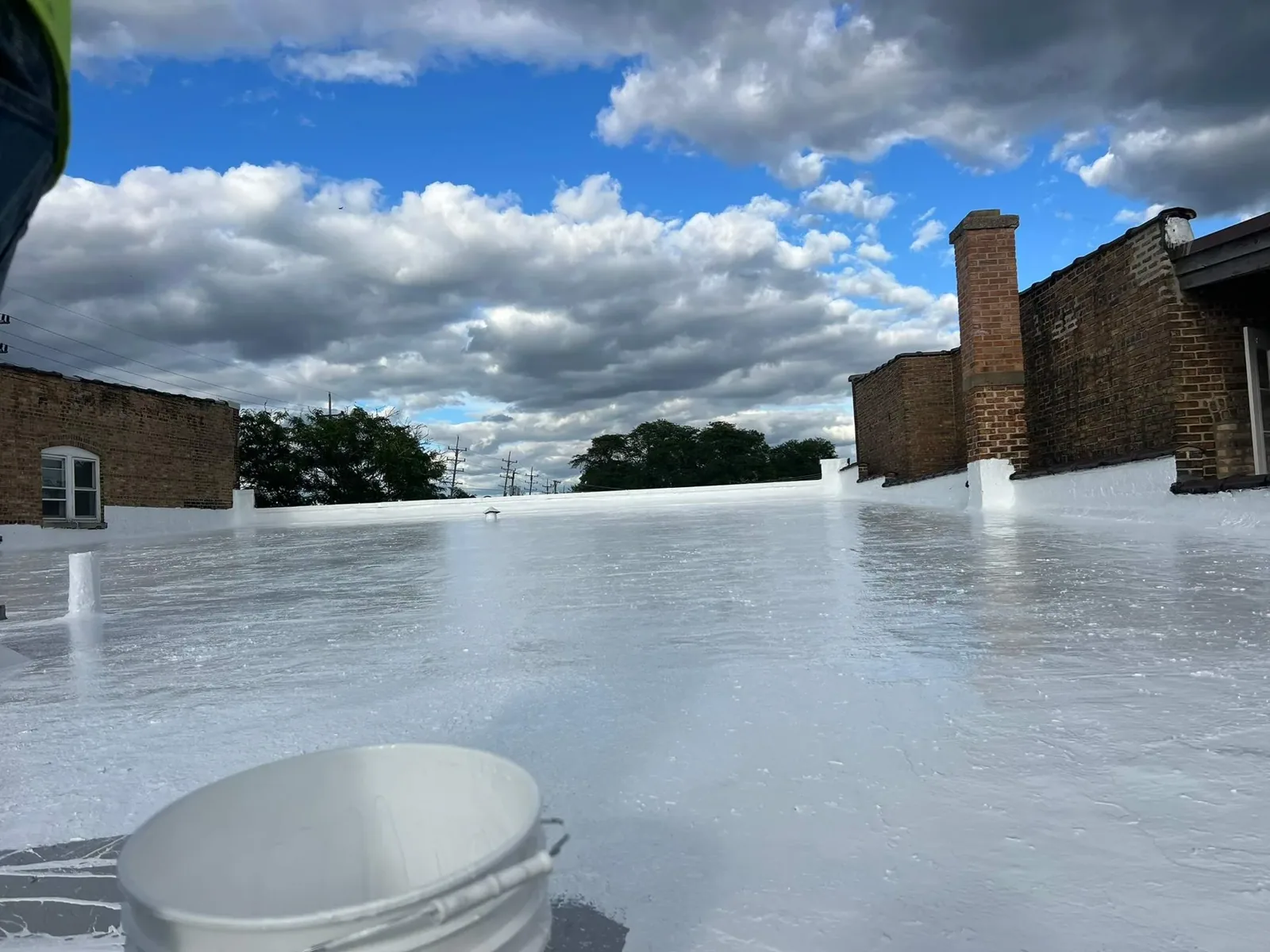
More Roof Systems in Westminster
See the rest of our roof systems for Westminster commercial buildings, or call 555-555-5555 to talk through your roof.
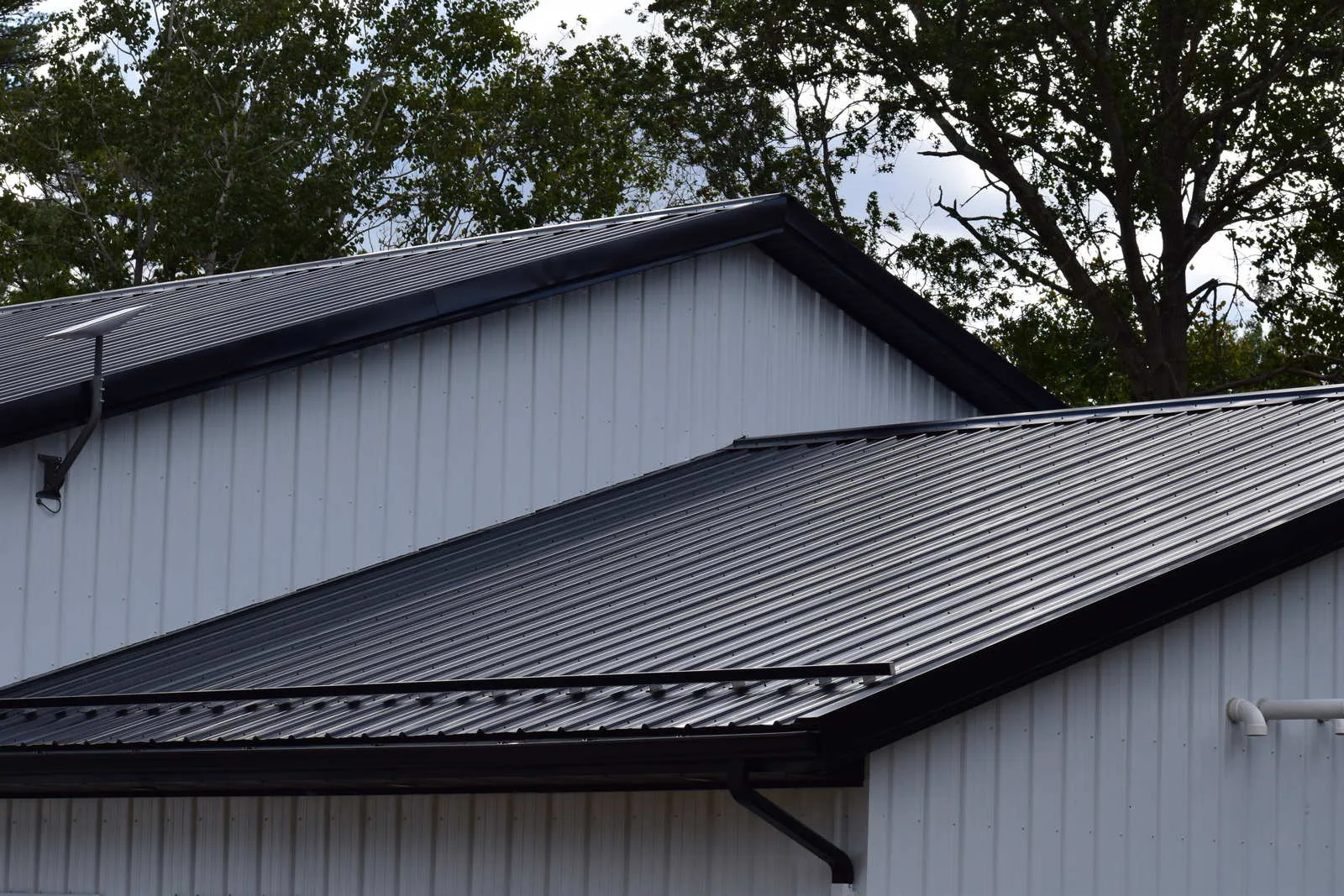
Commercial PVC Roofing
Talk to Commercial Roofing Westminster
Call 555-555-5555 or send a request and we will schedule a visit to look at the roof, explain what we find and lay out your options.