
Commercial Roofing in Westminster Promenade, Westminster, CO
Plan roof inspections and repairs at Westminster Promenade around event access, retail activity, weather exposure, and building-specific conditions.
Westminster Promenade
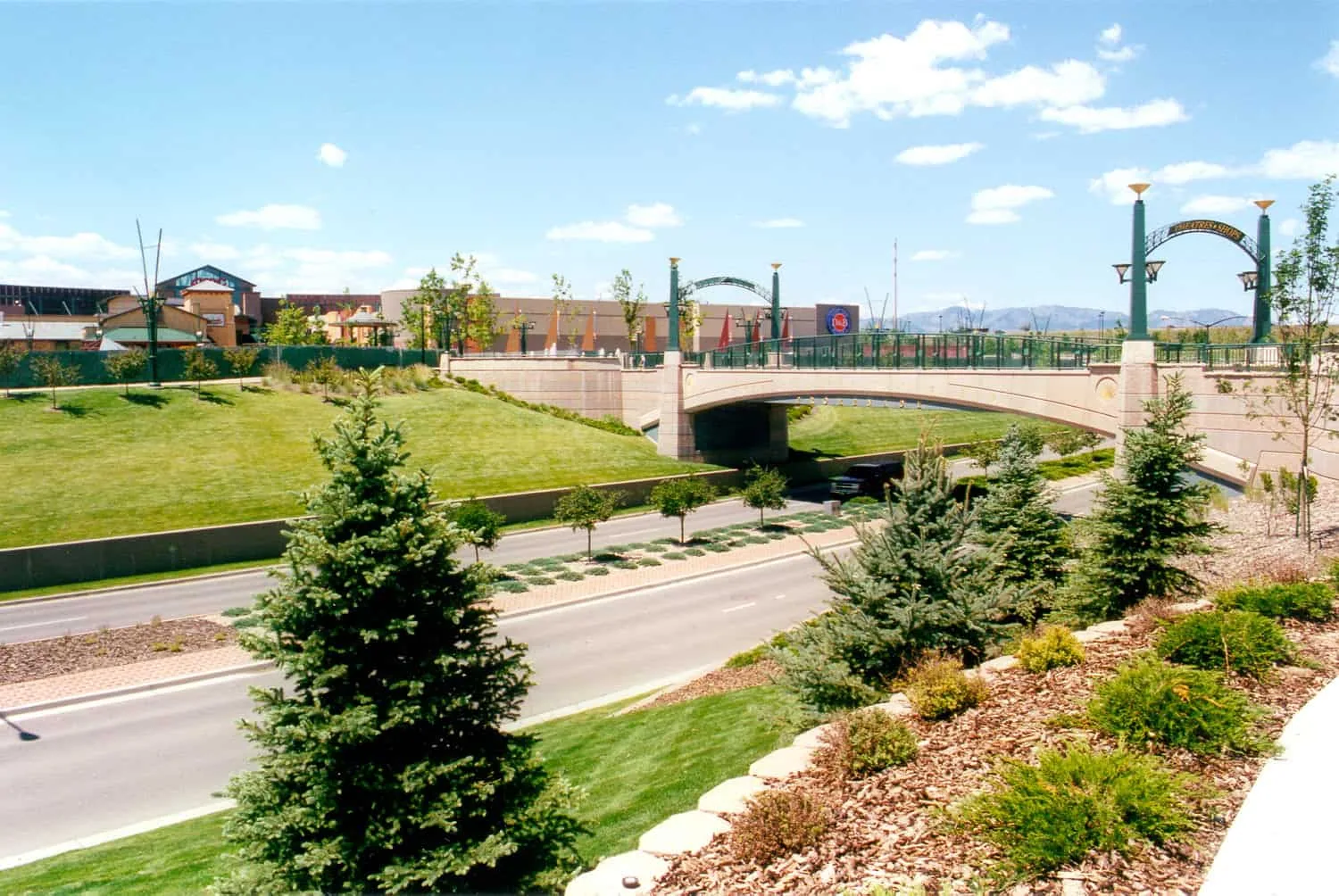
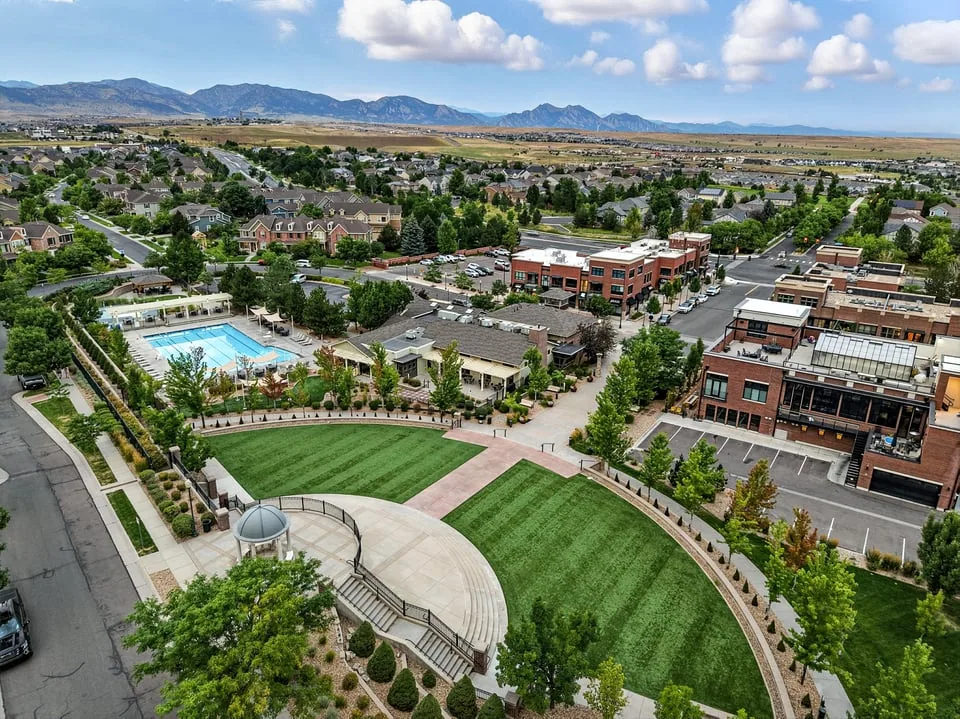
Event schedules, hotel operations, dining, and an indoor ice venue make roof access planning part of commercial roofing at Westminster Promenade. The district was planned for visitor, event, and hotel uses, with retail, restaurants, a theater, and the Butterfly Pavilion among its destinations. That context can help coordinate a visit. It does not reveal a particular roof's construction. Start with the building, the affected area, and a safe route to the roof.
Coordinate access with the activity below
A scheduled event or busy service period can change when a roof hatch, loading area, or entry can be used. Confirm the building contact, delivery route, staging space, and any public entrance that must remain clear. Keep the work area defined, especially when a lift or hoist crosses a pedestrian path. Roofers should know which space is affected and who can approve access before tools arrive.
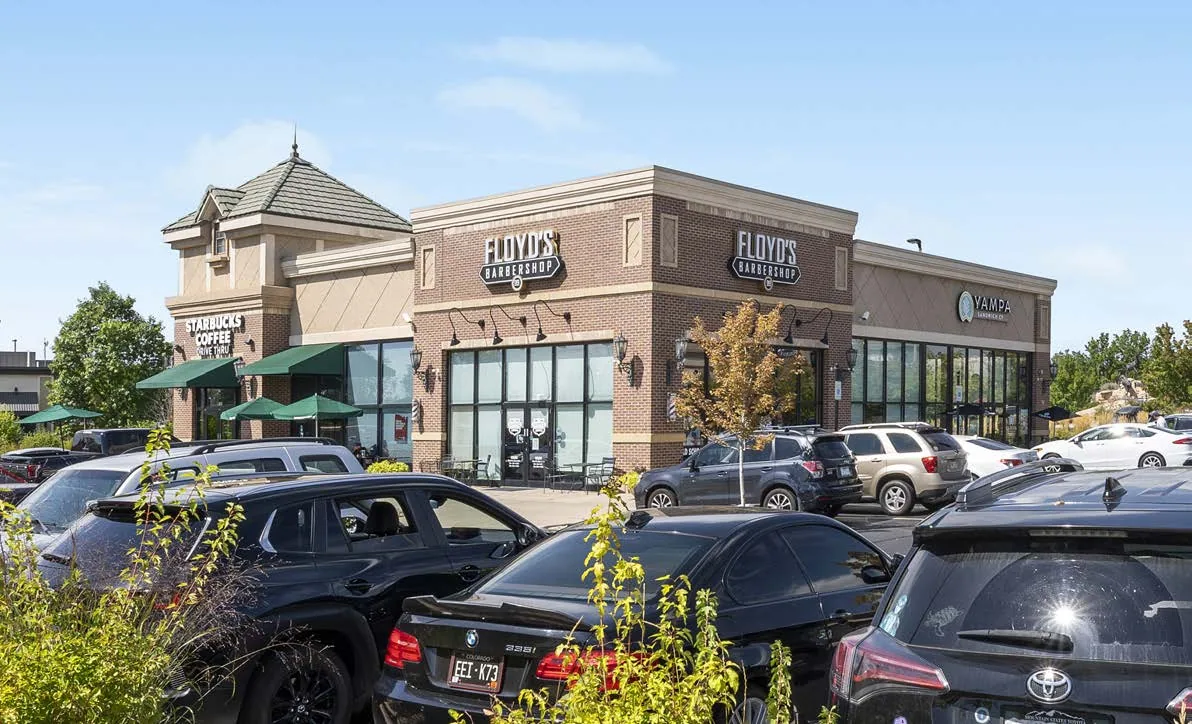
Westminster Promenade has 249,705 square feet of listed retail space. That figure describes the district; plans and field measurements establish each roof boundary. Separate structures and tenant areas in the inspection record. A roof asset record can keep access notes and repair history tied to each building.
The Ice Centre at the Promenade stores ammonia refrigerant and is treated as a target-hazard facility. Confirm its site-safety coordination process with the property contact before scheduling roof access. For work in the separate Church Ranch area, keep the roof map and work order tied to that property.
For properties with event schedules, work backward from event load-in, roof material deliveries, and public opening. Confirm where sound, hoisting, or a brief entrance restriction is acceptable. If a roof zone must remain untouched during an event, mark it on the phase map and put alternate access in the daily plan.
Start with the roof system
Before choosing a repair material, identify the membrane and its layers. Check visible seams, flashing, curb bases, penetrations, edge metal, drains, and prior patches. Photograph each condition with a wide view and a close view. Mark the section and direction so another person can find it. If records are incomplete, describe what can be confirmed in the field and what requires a test or opening.
Visitor-facing uses can keep interior spaces active while roof work is underway. Ask when a leak appears and which room is affected. Trace the report to the roof above, then follow the drainage path toward the nearest drain or overflow. An inspection with roof-zone photos should show the areas reviewed, any access limit, and what observation would change the next step.
A TPO seam, PVC flashing, EPDM penetration, and metal edge do not call for the same repair detail. Confirm the assembly before specifying compatible material. A TPO seam review can help document heat-welded field seams and flashing where that system is present. The system name should come from records or inspection, not the Promenade label.
Use weather as a reason to inspect
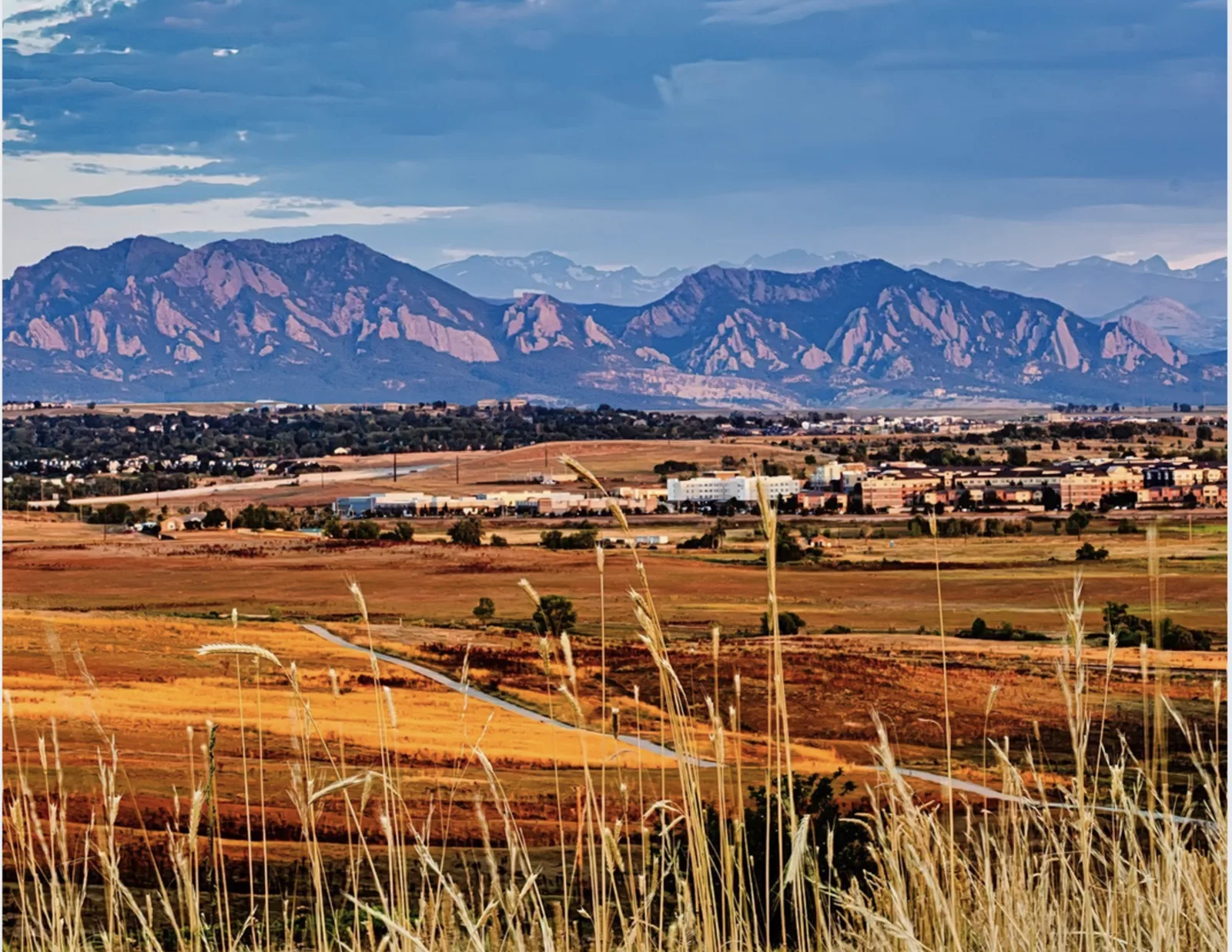
Hail, wind, thunderstorms, winter weather, heat, and cold affect the Denver-Boulder forecast area. If a Promenade property may have been exposed to a storm, inspect its actual membrane, edges, and flashing before setting the work boundary. Record visible changes by roof zone and distinguish them from older wear or details that need testing.
Seasonal melt can expose drainage or flashing conditions that were not visible during dry weather. Photograph completed tie-ins and adjacent details at closeout. After a thaw, compare interior reports with drains, scuppers, low areas, and overflows; note standing water and whether staining returns after the roof dries.
For a reported leak, protect the interior first and arrange a safe roof visit. A leak repair inspection can record the likely source and immediate protection separately from permanent repairs. When the concern follows hail, hail damage documentation should name each inspected area and distinguish observed conditions from assumptions.
Compare repair and larger work
A localized opening at a seam, curb, or flashing may support a repair when the surrounding material remains sound. Repeated moisture, widespread deterioration, failed attachment, or many active roof zones can change the decision. Check insulation, deck, drains, and edge details before considering a coating or recover. If hidden moisture may affect the scope, choose a survey method that suits the assembly and conditions.
A repair proposal should name preparation, compatible materials, repair limits, closeout photos, and any follow-up test. A restoration or replacement scope should identify removal assumptions, insulation and cover board, membrane, edge work, staging, debris handling, and daily dry-in. At an event-oriented property, schedule can depend on public access, room use, deliveries, and the weather window. Cost also changes with roof height, lift needs, concealed wet material, and the number of penetrations or transitions to rebuild. Agree on what can be isolated before work starts. If a repair is limited to one roof area, mark where crews can stage and how the interior will be protected. If testing is needed, explain what result would change the proposal. This lets the owner compare a focused repair with a broader project using the same building record.
Before permitting, compare the proposed assembly and scope with Westminster's 2021 building and energy provisions. A change to insulation, drainage, edge height, or roof layers can affect which requirements apply. A replacement scope should state those assumptions. If inspection shows the system remains serviceable, a restoration evaluation can assess adhesion, moisture, drainage, and edge conditions before recommending a coating.
Coordinate a Promenade roof visit
Share the building area, affected roof section, leak or weather timing, event constraints, and safe access instructions.
Close the loop after the work
Keep the roof plan, inspection photos, material records, work order, and warranty documents together by building. Label findings by roof zone. Record whether a detail was repaired, tested, or left for follow-up. Closeout photos should show the repair boundary and the finished condition. If weather forced a temporary dry-in, write down who owns the permanent return and when it will occur.
After work, confirm that drains remain open, penetrations are sealed, staging is removed, and public access can resume. Review any deferred moisture test or inaccessible zone with the property contact. The record should separate an urgent interior-protection step from permanent roof work so later maintenance does not mistake one for the other.
A Westminster Promenade service request should include the building or tenant area, affected room, leak timing, event or access constraints, prior repairs, and roof entry instructions. We can inspect the assembly, show what the photos support, and outline a repair or capital path. For a municipal service-area example outside Westminster, see Golden commercial roofing service details.
A site with several active uses benefits from a handoff that separates event-related access limits from roof findings. Name the building, completed section, and person who accepts the closeout. If weather or a scheduled event delays testing, record the next safe window and retain the temporary protection status until that check is complete.
Commercial Roofing Questions
Does the retail square footage indicate roof size?
The inventory measures retail floor space. We inspect or review plans for the individual roof before estimating its area or scope.
Does the Ice Centre hazard listing mean the roof needs repair?
That listing informs site safety coordination because of stored refrigerant. Roof condition still comes from the building's records and a field inspection.
How do events affect roof work?
They can affect entry, deliveries, staging, noise, and pedestrian controls. We coordinate the schedule and work boundary with the property contact.
Can a hail report tell us which buildings were struck?
No. A report is a reason to inspect, not a property-level finding. We document visible conditions at each roof area reviewed.
What should we provide for a roof inspection?
Send the property area, affected room, leak or weather timing, prior repairs, access instructions, and any event schedule that limits work.
Related Roofing Work
Commercial Roof Asset Management
Read more
Church Ranch and U.S. 36
Read more
Commercial Roof Inspection
Read more
Commercial TPO Roofing
Read more
More Service Areas in Westminster
See the rest of our service areas for Westminster commercial buildings, or call 555-555-5555 to talk through your roof.
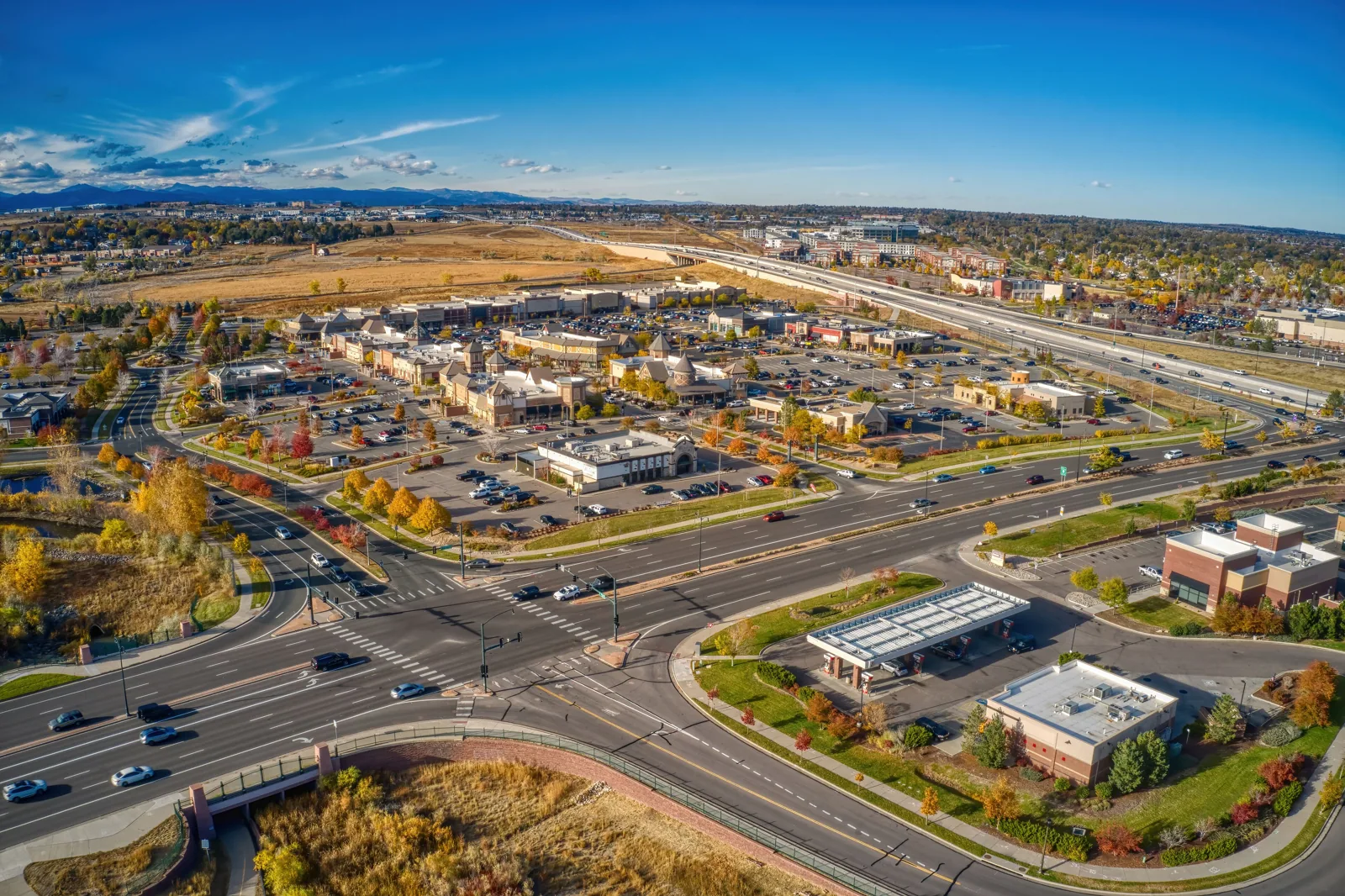
Westminster Promenade
Talk to Commercial Roofing Westminster
Call 555-555-5555 or send a request and we will schedule a visit to look at the roof, explain what we find and lay out your options.