
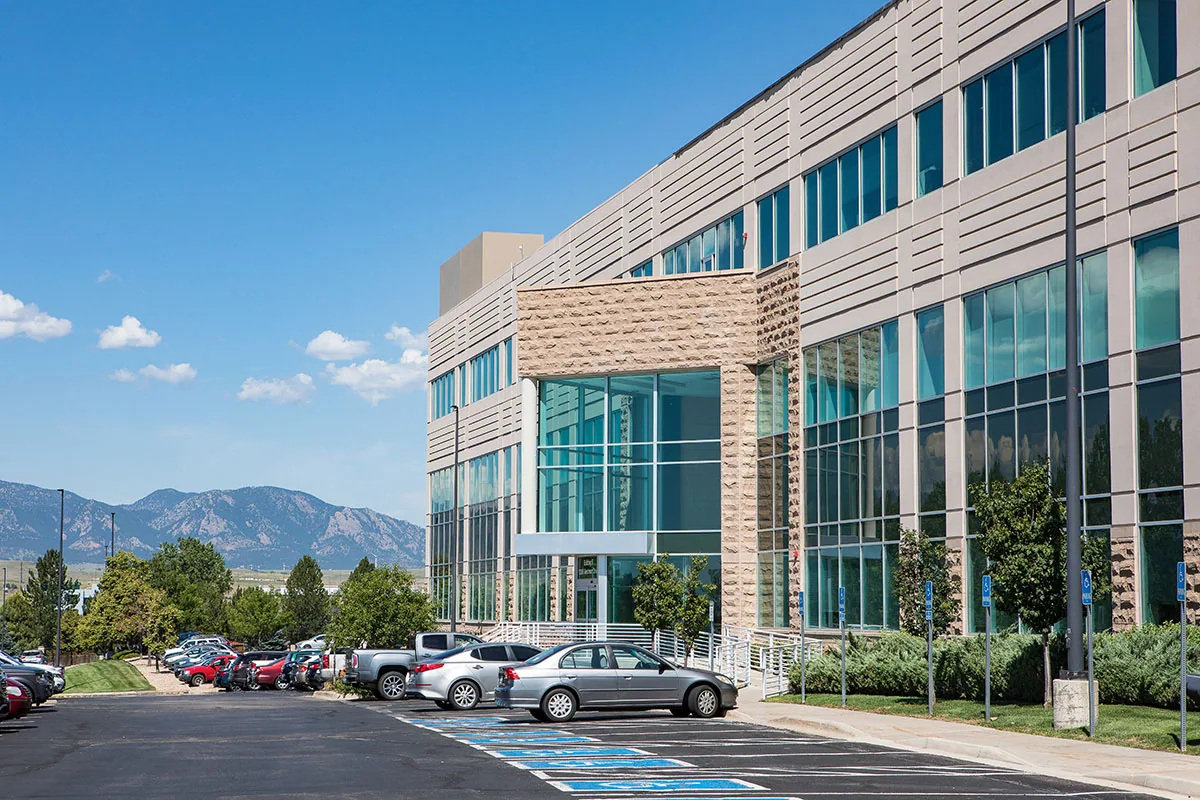
Commercial Roofing in Westmoor Technology Park, Westminster, CO
Plan roof inspections and repairs at Westmoor Technology Park with building-specific records, access coordination, and Westminster weather in view.
Westmoor Technology Park
Office and flex roofs at Westmoor Technology Park need a building-by-building review. The campus includes ten multistory office buildings in Westminster's U.S. 36 corridor. A roof plan, access route, and interior report identify the first areas to inspect. Hail, wind, snow, heat, and cold can prompt a visit, but the actual membrane, flashing, and drainage determine the work.
Separate the buildings before setting scope
Ten multistory buildings contain 1,245,000 square feet of office space at Westmoor. That is building area, not roof quantity. That figure describes office space, not roof area. Each building needs its own roof map, access notes, system records, and inspection findings. Label the structure and roof zone in photos and work orders so a note for one office does not follow another across the campus.
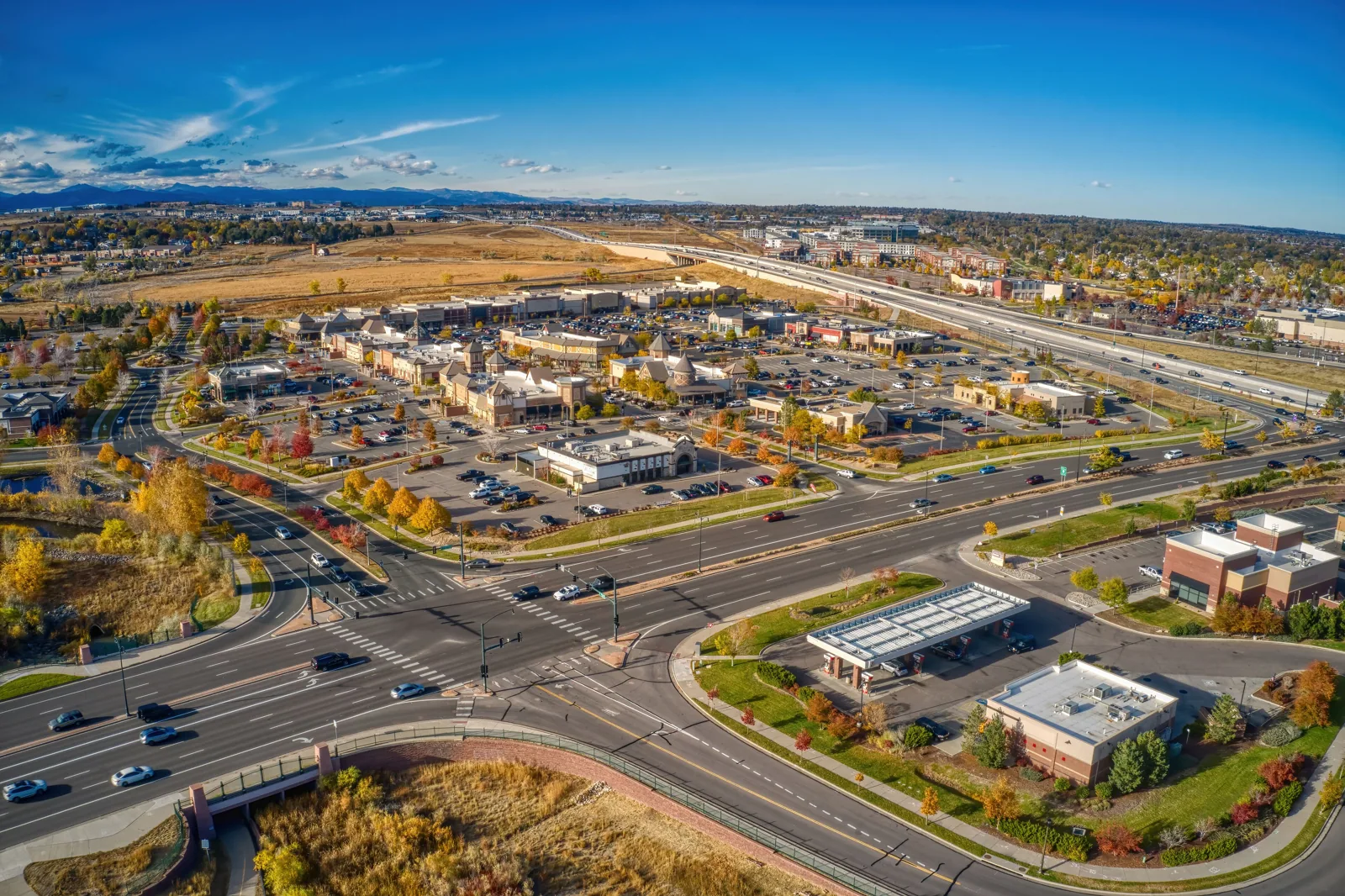
The campus was developed along the U.S. 36 business corridor, close to Jefferson County Airport, with recreation areas, trails, and open space included in its plan. Those surrounding uses matter to access and staging. They do not establish what membrane or roof condition is present on an individual building. A roof asset record can keep each structure's system, repairs, and next inspection separate.
Start the walk by confirming safe roof access, building contact, equipment restrictions, and areas that cannot be reached. Check the roof plan against visible zones. Record drains, scuppers, parapets, equipment, skylights, and transitions before assigning a repair boundary. If a plan and field condition differ, note that gap before pricing work that depends on the assembly.
Read the roof detail, not the campus label
Office and flex use can bring rooftop equipment, service penetrations, and scheduled access needs, but the inspection must verify what is actually there. Look at field seams, curb bases, edge metal, penetrations, drain bowls, and low areas. Photograph a wide view to locate each condition and a close view to show the material. Separate a visible opening from a suspected path that still needs testing.
Interior reports help direct the walk. Ask which room is affected, when water appears, and whether the report follows rain, snowmelt, or equipment use. Trace likely paths across seams, insulation joints, and deck flutes. A commercial roof inspection can record the area accessed, findings, test limits, and next decision. Infrared or other moisture testing should be used only when the method fits the roof and conditions.
Some roof zones may be screened by mechanical equipment or inaccessible from the approved route. Mark those limits rather than treating unseen areas as clear. If active water is reported, protect the interior and arrange a safe follow-up. Keep any temporary dry-in distinct from permanent repair so the closeout records what remains to be done.
Use Westminster weather as context
The Denver/Boulder forecast area experiences hail, wind damage, thunderstorms, winter weather, heat, and cold. A May 2024 hail event included observations near Westminster and documented roof damage elsewhere across the northern metro. That regional history can prompt an inspection of Westmoor buildings. It cannot show that every roof at the campus was struck. At Westmoor Technology Park, check scuppers, overflows, and parapet corners as one drainage route. Photograph edge metal before temporary protection, and connect any interior report to the building and roof section under review. After thaw, inspect the building's drains, overflow paths, low spots, and interior reports. After wind, look at perimeter metal and attachments. Keep each observation attached to the building where it was found.
For active leaks, a leak response may protect the interior while the permanent repair is scoped. A hail condition review can document impact findings separately from older wear. The report should say what the roof walk confirmed, what is suspected, and what additional test would change the decision.
Compare repair, restoration, and replacement
A local seam or flashing defect may call for a defined repair. Repeated moisture, widespread deterioration, failed attachment, or an unsuitable prior layer may support a broader project. Inspect the insulation, deck, edge, drains, and transitions before deciding whether recovery is feasible. If the system is unknown, confirm it from project files or a controlled investigation before choosing repair materials.
For repairs, define preparation, compatible material, limits, closeout photos, and any follow-up test. For restoration or replacement, identify removal assumptions, insulation and cover board, membrane, perimeter details, staging, and daily dry-in. Access around occupied office operations can change schedule and sequencing. The cost also shifts with access equipment, roof height, concealed wet material, disposal, and the number of penetrations that need rebuilding.
A roof repair proposal should state what it includes and leave hidden conditions visible as an allowance or later decision. If multiple buildings need work, do not roll their observations into a single campus condition. Use a mapped condition report to attach each recommendation to its own roof area.
Schedule a Westmoor roof assessment
Share the Westmoor building, roof plan, active leak or weather concern, prior repair records, and access contact. We will document the roof area inspected and define the next step.
Plan work around occupied buildings
Confirm who authorizes roof access, which entrances need protection, and how equipment service will be coordinated. Identify deliveries and staging locations before material arrives. For a multistory campus, schedule roof work by building and keep pedestrians away from hoisting or debris areas. Tenant notices should match the work actually planned, not a general campus message that leaves out the affected area.
Westmoor's location near Jefferson County Airport and in the U.S. 36 corridor helps identify the campus for routing. Do not use that location detail as a substitute for the correct building contact or a roof plan. Circle Point is another office campus in the same broad corridor, but its buildings and records remain separate. A Circle Point service visit should not be used as a basis for Westmoor scope. Keep the Circle Point roof record with that campus's own access notes and findings.
Weather windows matter when adhesive, coating, or exposed roof layers are involved. Confirm surface and forecast conditions against the selected system requirements. If the crew cannot complete the permanent work during the approved window, set a suitable temporary protection plan and return date. Record who owns that follow-up before the crew leaves the site.
Keep a clear roof history
Store roof plans, system documents, warranty files, work orders, inspection photos, and maintenance notes by building. Record the roof zone, product when confirmed, repair boundary, materials, and open question. A future visit should be able to distinguish a patch from original membrane and identify which area was not inspected.
After work, compare the closeout photos with the original condition. Confirm drains remain open, penetrations are sealed with compatible details, and temporary protection has been removed or assigned for replacement. If the repair depends on moisture testing or a later observation, put the return item and due date in the campus maintenance record.
For a Westmoor request, share the specific building, roof plan, leak timing, prior repair information, and safe access contact. We can inspect the area, explain confirmed findings, and prepare repair or planning options. The campus contains many office square feet, but the decision belongs to the roof section and building actually surveyed.
Commercial Roofing Questions
Does Westmoor's reported office area tell us the roof size?
That figure describes office space, not roof area. Measure or verify the roof from building plans or a field survey.
Can one roof inspection cover all ten Westmoor buildings?
A coordinated visit can follow one schedule, but each building needs its own roof map, observations, photos, and scope.
Does the 2024 hail event mean a Westmoor roof needs repair?
A regional hail event can prompt an inspection, but the building needs its own impact evidence before repair is recommended.
What should we send before a Westmoor roof visit?
Provide the building name, roof plan, leak location, past repair records, access route, and contact who can authorize entry.
How should we handle hidden moisture?
Identify the question first, then choose a suitable test or controlled opening. Keep suspect areas separate from confirmed wet material.
Related Roofing Work
Commercial Roof Asset Management
Read more
Commercial Roof Inspection
Read more
Commercial Roof Leak Repair
Read more
Commercial Hail Damage Roof Repair
Read more
More Service Areas in Westminster
See the rest of our service areas for Westminster commercial buildings, or call 555-555-5555 to talk through your roof.
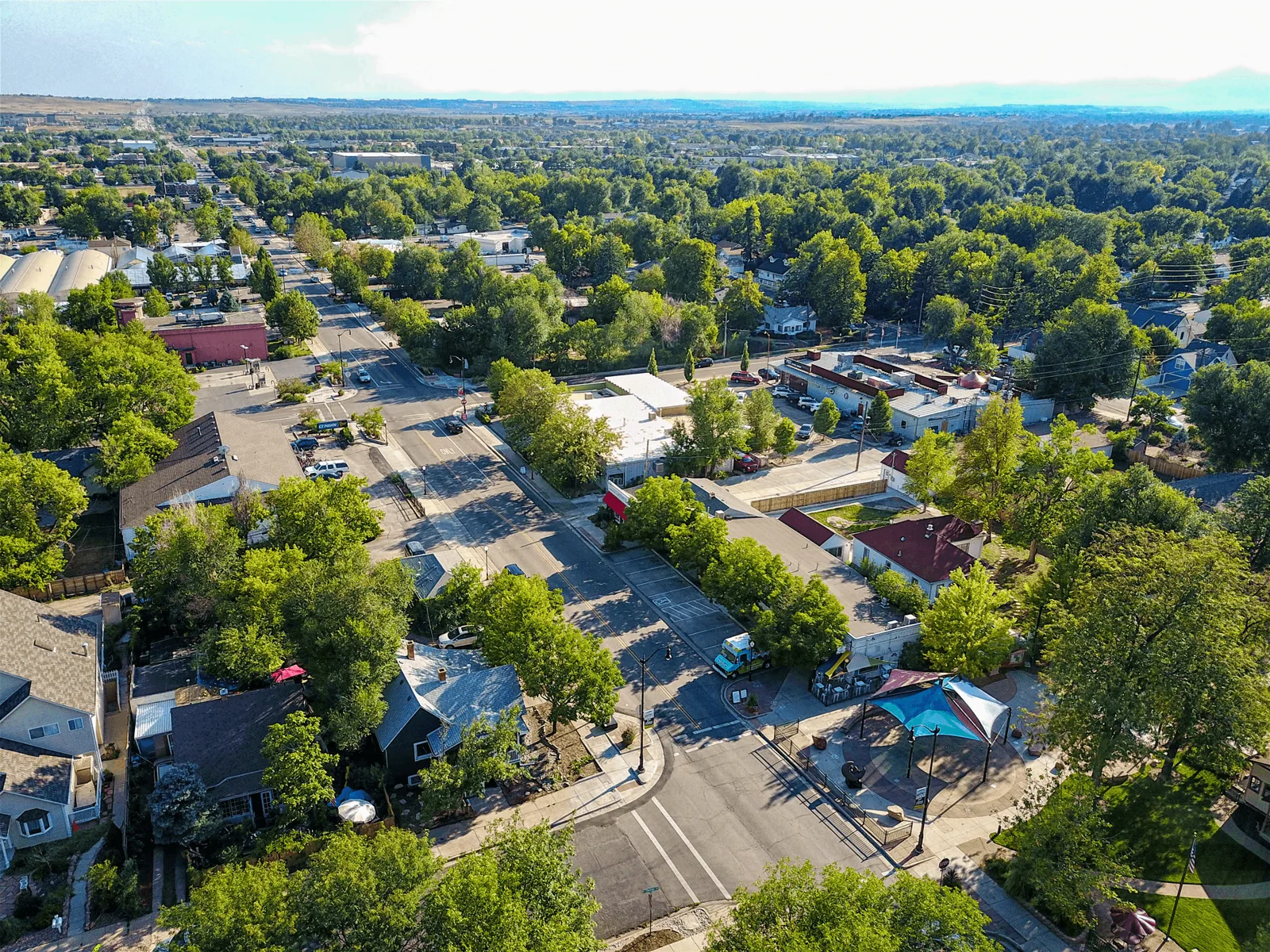
Westmoor Technology Park
Talk to Commercial Roofing Westminster
Call 555-555-5555 or send a request and we will schedule a visit to look at the roof, explain what we find and lay out your options.