
Commercial Roofing in Downtown Westminster, CO
Coordinate Downtown Westminster roof inspections and repairs with building-specific access, project timing, and weather records to support clear next steps.
Downtown Westminster
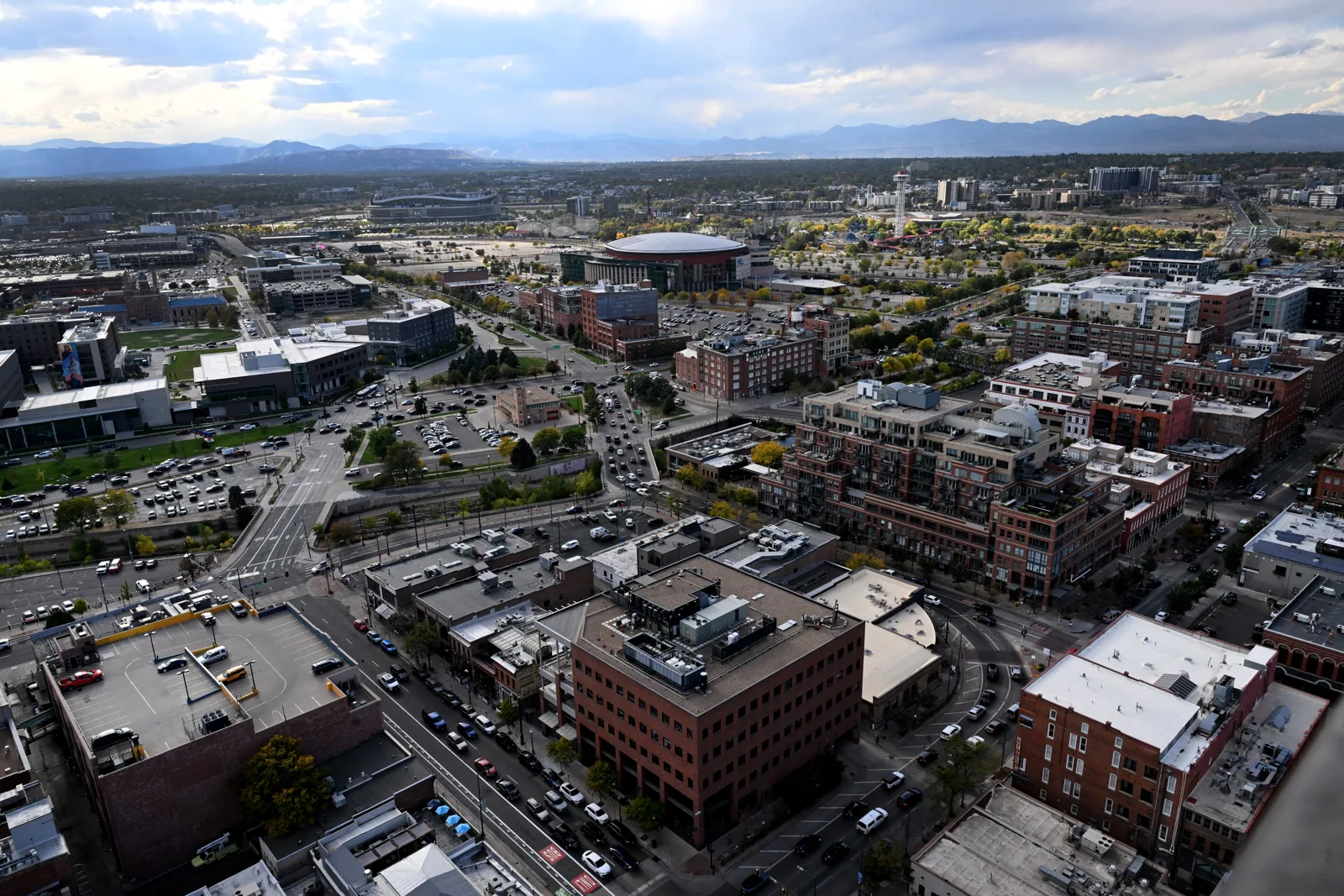
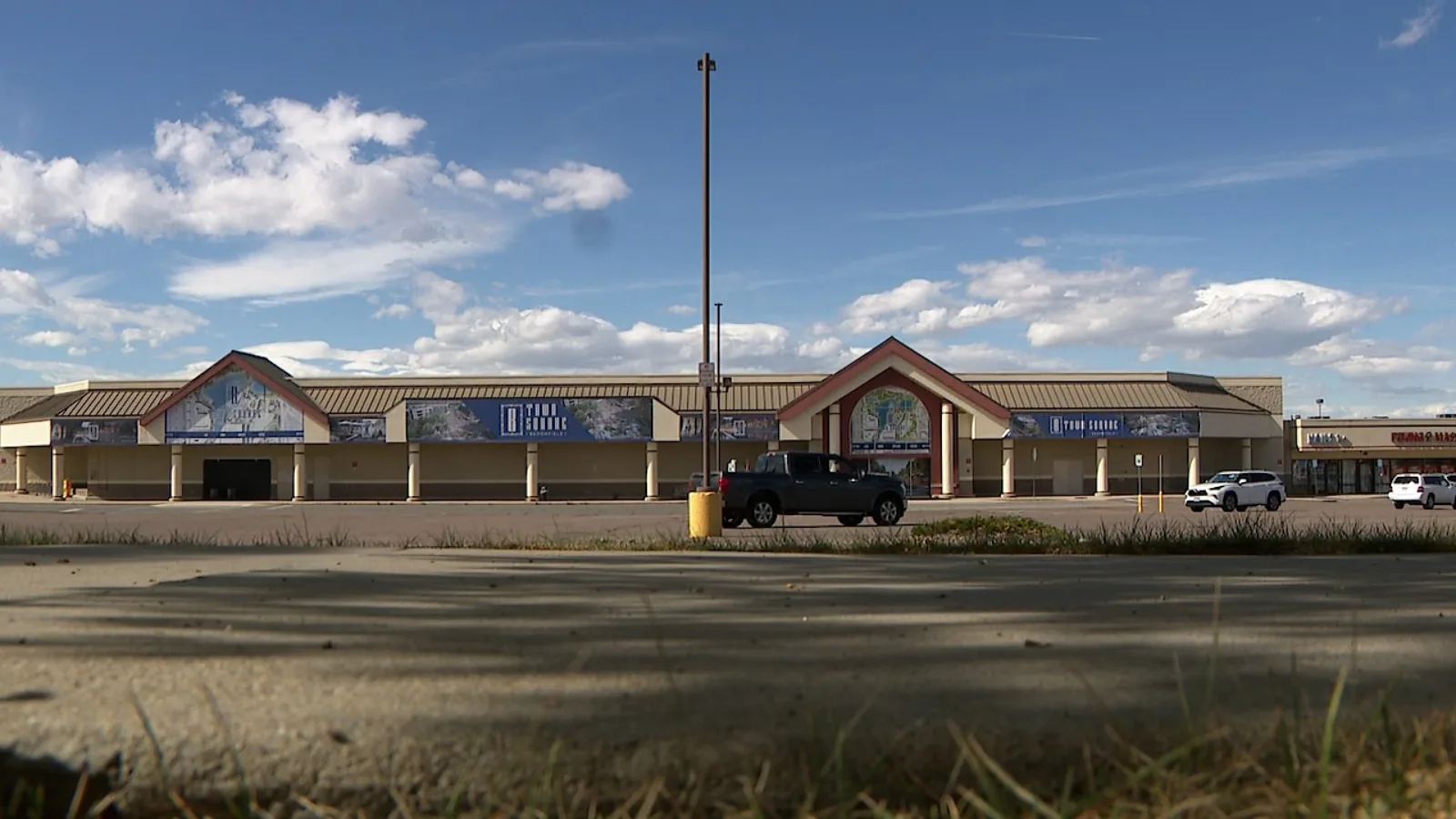
Roofing work in Downtown Westminster starts with the building's project phase and roof area that needs attention. Redevelopment continues on the former Westminster Mall site, which closed in 2011. Before pricing a repair or reroof, confirm access, drawings, occupancy, and which work is already authorized for that property.
Confirm the current building scope
Construction began in Downtown Westminster in 2017, and redevelopment continues on the former mall site. Confirm the property's current project phase, occupancy, and roof responsibility before scheduling work. Verify the actual property, construction phase, roof plan, and contact before arranging an inspection.
For a building with active occupants, confirm how to reach the roof, where equipment and materials can be staged, and which entrances need protection. If the work is part of redevelopment, review current drawings and identify whether the scope covers an existing roof, a temporary condition, or a new assembly. Keep the property name and roof zone on each report so inspection notes do not blur across projects.
Start the inspection with access and system identification. Record drains, perimeter edges, penetrations, expansion joints, and transitions visible on the roof. Take context and detail photos. If drawings are incomplete or the system is unknown, note the gap before selecting materials. A mapped roof condition report can help the owner connect a visible finding with its precise location and next step.
Build a roof finding from evidence
For reported water, ask which room is affected, when it appears, and what weather or equipment event preceded it. Compare the report with roof plans, drainage, seams, penetrations, and nearby transitions. Water can travel before it appears inside, so a stain below one roof detail does not confirm that detail as the entry point. Record confirmed openings separately from suspected paths.
Check membrane condition, flashing, metal edges, drain bowls, scuppers, and signs of prior patches. Note standing water, debris, or areas that could not be reached. If wet insulation is possible, determine whether a suitable moisture test or controlled opening is needed. A commercial roof inspection should describe its access and testing limits, not imply that unseen layers were verified.
Confirm who controls access and which drawings are current before opening a seam or moving equipment. Photograph visible conditions before temporary protection when safe, and keep mitigation separate from permanent correction.
Coordinate roofs with active work
At a dense development site, roofing can intersect with cranes, other trades, pedestrian routes, deliveries, and public access. Confirm the day's access plan and who approves a shutdown or roof opening. Set a weather-tight stopping point for each workday. If another trade is making penetrations or mounting equipment, agree on the flashing detail and closeout evidence before the work starts.
Westminster's economy includes hospitality and entertainment along with technology, health and life sciences, financial services, aerospace, and business support. The uses around a commercial property can shape work hours and occupant coordination. Identify the building's roof type, access restrictions, and operating hours from its own plans and facility contact. Plan tenant notices and protection around the actual scope, and keep those logistics separate from the technical inspection record.
When a planned project changes roof geometry or equipment, update the roof plan and system documents. Confirm drainage paths and overflow details after modifications. A new curb or conduit should not be treated as a minor field adjustment without a compatible flashing and warranty review. A phased reroof plan can set access, temporary protection, and daily closeout for an occupied property.
Keep weather context tied to the address
The Denver/Boulder forecast area sees hail, wind damage, thunderstorms, winter weather, heat, and cold. In May 2024, a hail event was reported near Westminster and roof damage was documented elsewhere across the northern Denver metro. Use the event as a reason to review the property's own inspection and repair records. It does not establish damage to every Downtown roof.
After a storm, photograph impact marks, edges, displaced accessories, open seams, and interior reports. On a Downtown Westminster roof, record the edge detail, temporary protection, and safe return route in the work closeout. A regional normal cannot show what accumulated on a particular Downtown roof. After thaw, inspect the actual drains and low areas. For wind, check edges and terminations. State where and when the observation was made rather than attributing a condition to weather without supporting evidence.
Plan commercial roof work in Downtown Westminster
Share the property, current construction phase, roof drawings, access contact, leak reports, and target schedule. We will inspect the roof area and define documented repair or project options.
Separate urgent correction from capital work
A local opening, damaged flashing, or drain problem may need a defined repair. Broad moisture, repeated leaks, failed attachment, or project changes may require further investigation or a larger scope. Inspect the deck, insulation, existing layers, edge, and drainage before recommending a recover or replacement. If a defect is hidden, state how it will be confirmed before the work expands.
Repair estimates should identify material, preparation, repair boundary, protection, and closeout. Larger proposals should show removal or recover assumptions, insulation, cover board, membrane, edge metal, penetrations, disposal, and staging. Timing can depend on concurrent construction, tenant access, approvals, material conditions, and weather. Keep optional testing or upgrades as separate decisions.
A roof repair proposal should not be combined with a future replacement allowance as though both apply to the same area. A roof visit at Westminster Station needs its own building identifier, access contact, and findings alongside the Downtown roof record. A capital plan can then compare documented needs by building and year.
Maintain a record through redevelopment
Keep the roof plan, inspection report, photos, system data, change orders, repairs, and warranty documents with the property file. Note what was installed, which area was removed or left in place, and any question that still needs testing. If construction moves a drain or adds a penetration, update the drawing and approval record.
For work in Downtown, record access, staging, pedestrian controls, coordination with other trades, and any temporary roof closure. The next inspection should show what changed since the last phase. Preserve a dated photo of each repaired transition so later work can distinguish a new installation from an older condition.
Share the building location, current project phase, roof drawings, leak history, access contact, and planned work dates. We can inspect the roof area, document what is confirmed, and prepare a repair or replacement scope with clear limits. If the property is still changing, identify a return milestone when the next roof section can be reviewed.
Set the next owner action
Close the visit with the action, responsible person, and due date. An active opening may need temporary protection and a scheduled permanent repair. A suspected moisture area may need a test. A sound but weathered section may go on a follow-up list. State the reason for each choice and what evidence would change it.
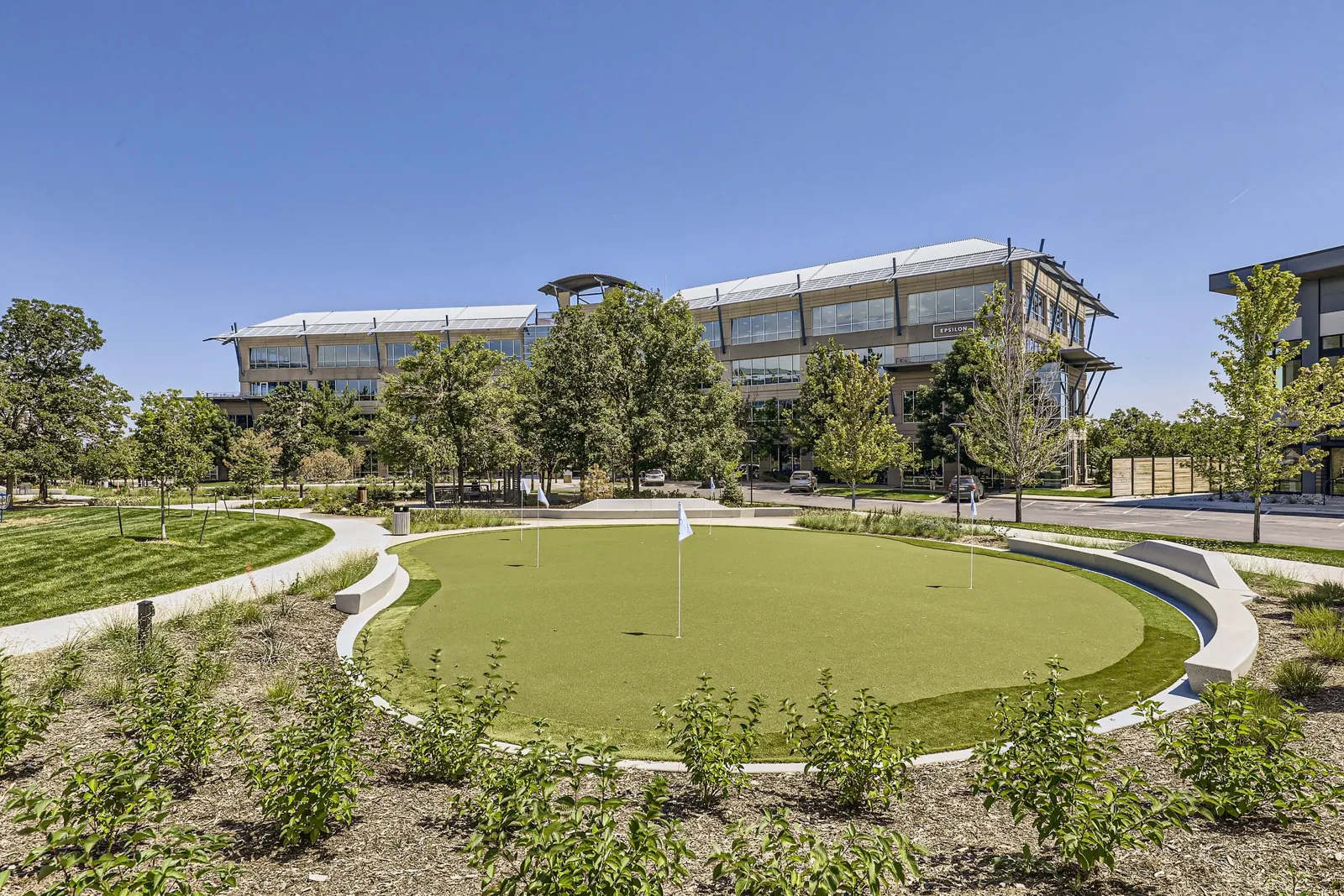
For owners tracking multiple Westminster properties, use a shared report format but keep each address and roof map distinct. Circle Point is another commercial campus in the city, while Downtown remains its own redevelopment district. A Circle Point roofing visit needs its own records and authorization, even when the portfolio manager is the same.
Clear handoff matters when development teams, building operators, and maintenance staff change. Keep the contact list current and put unresolved roof items where the next project lead can find them. That record lets the owner continue the work without treating a regional plan or prior contractor note as a substitute for a current roof inspection.
Commercial Roofing Questions
Does Downtown Westminster's redevelopment mean every roof is new?
No. Confirm the actual property and project phase. Existing, active, and planned work require separate roof records.
What should a roofing scope include at a construction site?
Identify the building and roof area, access, staging, daily closure, penetrations, transitions, and coordination with other trades.
Can a 2024 hail report establish damage to a Downtown roof?
No. Inspect the property and document its own impact marks, open details, and areas that could not be reached.
How do we handle a roof opening during redevelopment?
Protect the building, record the temporary condition, assign a return visit, and keep the permanent repair in a separate scope.
What records should stay with a reroof project?
Save current plans, product data, inspection photos, change orders, repair boundaries, permits, and closeout documents with the property.
Related Roofing Work
Commercial Roof Condition Reports
Read more
Commercial Roof Inspection
Read more
Occupied Commercial Building Reroofing
Read more
Commercial Roof Repair
Read more
More Service Areas in Westminster
See the rest of our service areas for Westminster commercial buildings, or call 555-555-5555 to talk through your roof.
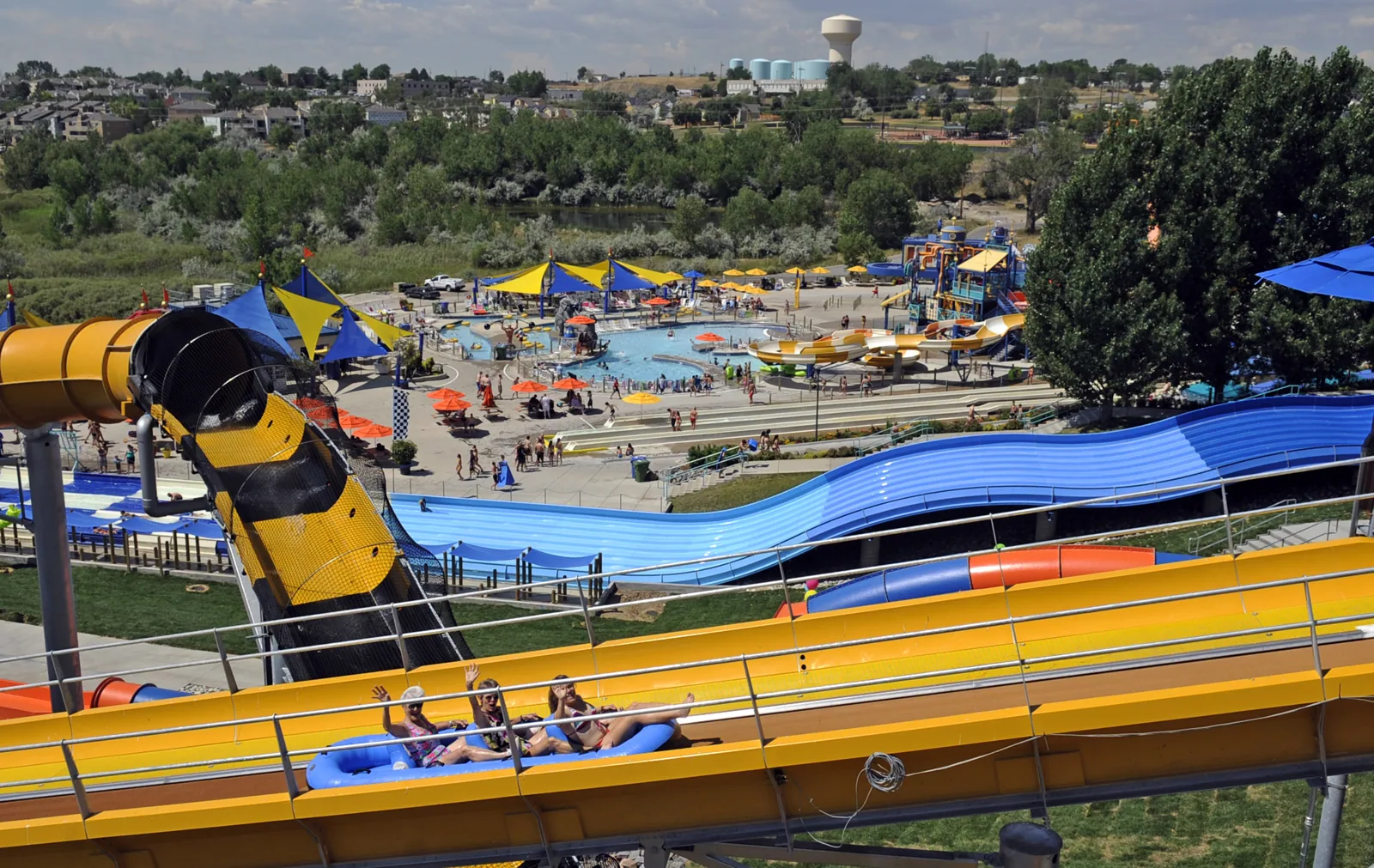
Downtown Westminster
Talk to Commercial Roofing Westminster
Call 555-555-5555 or send a request and we will schedule a visit to look at the roof, explain what we find and lay out your options.