
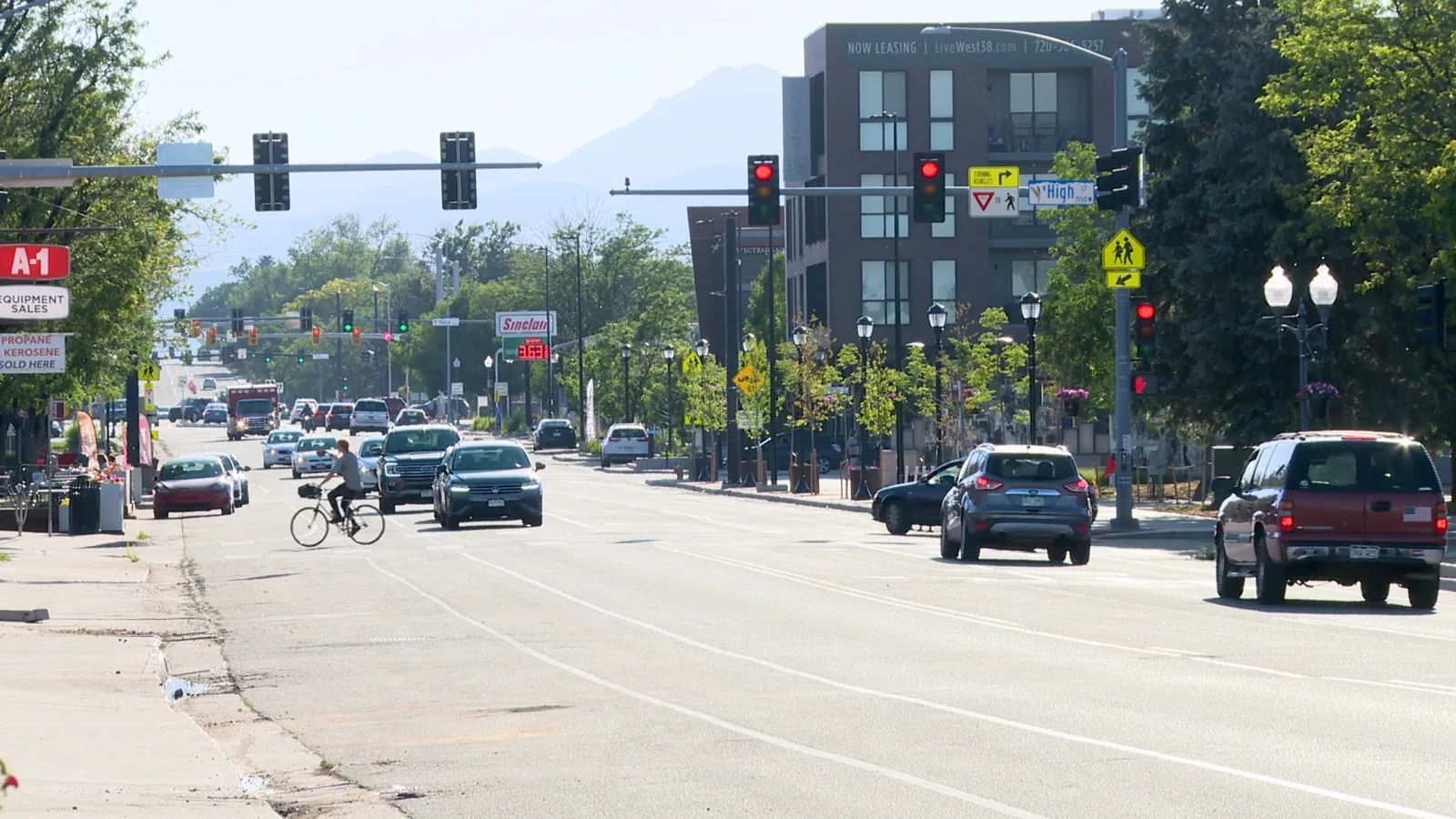
Commercial Roofing in 38th Avenue Corridor, Wheat Ridge, CO
Commercial roofing for Wheat Ridge’s 38th Avenue Corridor, with roof checks for mixed-use properties, weather exposure, drainage, and phased work.
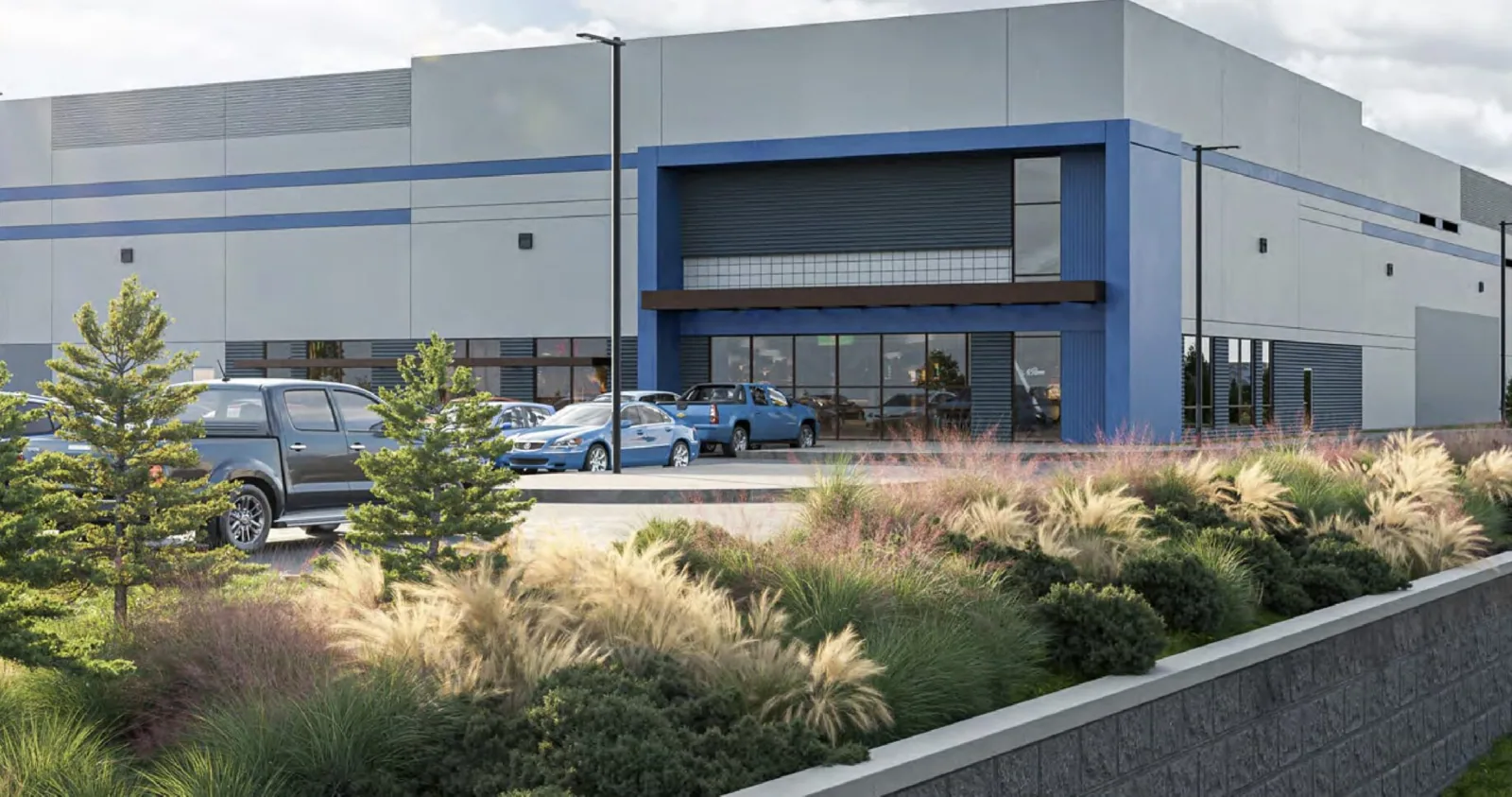
38th Avenue Corridor, Wheat Ridge
Water at a retail suite or service business along Wheat Ridge’s 38th Avenue corridor calls for a roof-zone check, not a guess from the ceiling stain. The corridor extends between Wadsworth Boulevard and Sheridan Boulevard, with neighborhood retail, services, and residential transitions along the route. For a property manager, that mix makes access, tenant notices, and work limits part of the first inspection. We map the affected space to the roof above it, then check the drainage path, membrane field, edges, and penetrations.
Start with the weather signal
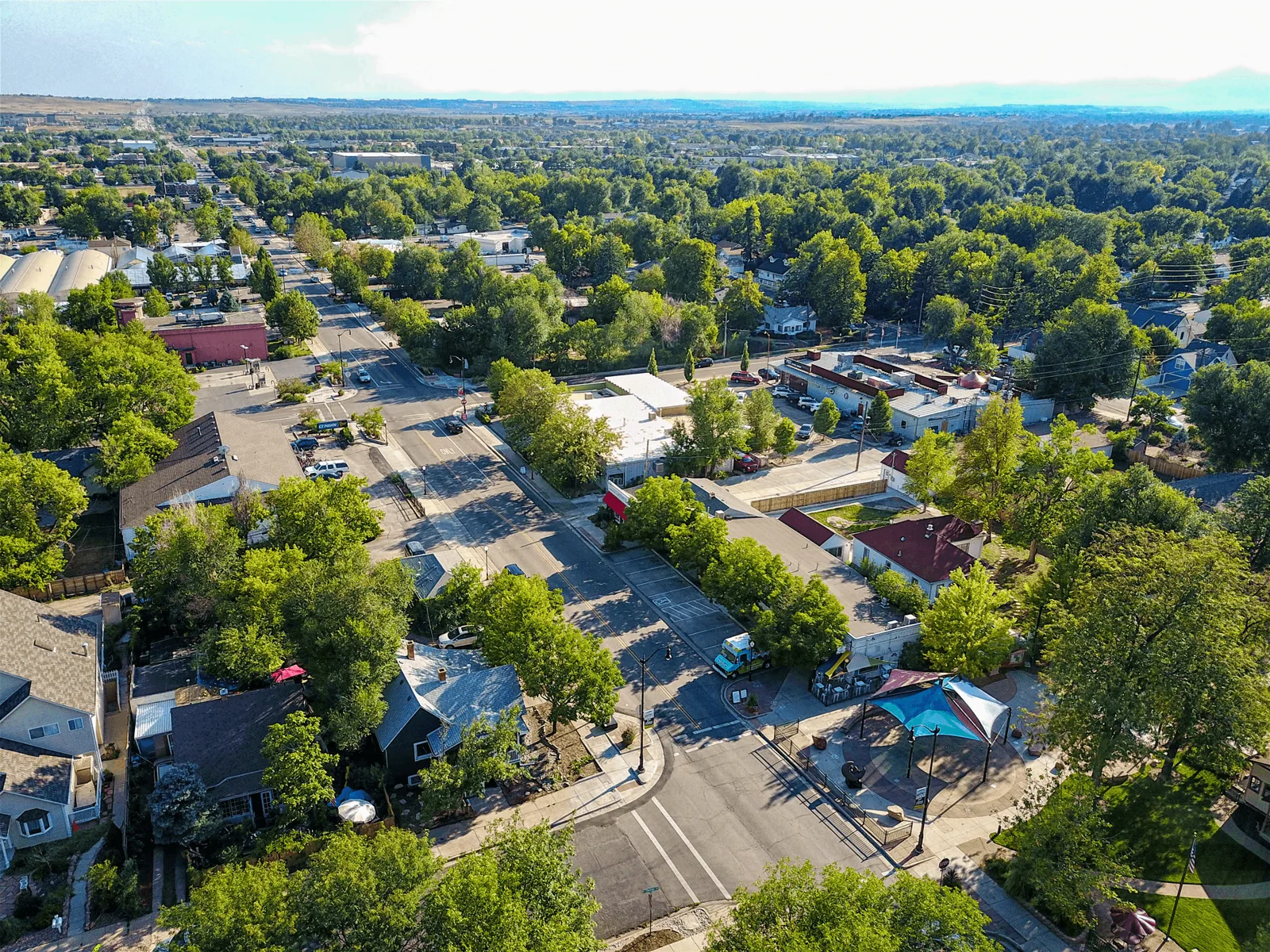
Hail, wind, thunderstorms, winter weather, heat, and cold are hazards across the Denver/Boulder forecast area and can set the timing for a Wheat Ridge roof inspection. Start the Wheat Ridge inspection with the building's own roof map, leak report, and exposed details. The inspection photo must show what happened at this roof. Check for punctures, displaced edge metal, split flashing, loose terminations, and debris at drains. Along Wheat Ridge's 38th Avenue corridor, mixed retail and service uses put occupied space below many roof zones. Map the reported opening and keep dated images with the specific property's repair record. Set drainage and attachment decisions from Wheat Ridge project documents and roof observations. On the building itself, look for slow drainage, ponding marks, blocked outlets, and conditions that could hold meltwater. A commercial roof inspection should separate observed conditions from weather history.
Trace the water path
A stain inside a shop, office, or service space can sit away from the roof opening. Water may travel along a deck flute, insulation joint, conduit, or framing before it appears. Ask when it began, whether it followed rain or thaw, and whether equipment work occurred nearby. Then compare the interior report with roof seams, curb bases, wall transitions, drains, and overflow points. A leak response can protect the occupied area while the source is being confirmed.
Mixed-use redevelopment can place separate tenants, entrances, and operating hours near one another. Confirm which suite or common area is affected and who can provide roof access. Photograph both the close detail and the wider roof zone. Mark any area the crew cannot reach. This gives the owner a repair boundary and makes the next visit easier to compare. When several occupants share a roof, note which party controls access, who receives a service notice, and whether interior protection is needed below the work area. That detail matters if a leak continues during a phased repair. Keep each observation attached to the suite and roof zone that were actually inspected, rather than extending one tenant’s finding across the property.
Walk each roof section
Confirm the roof system from records and field details before selecting a repair method. Identify membrane type, approximate roof boundaries from approved plans, and prior repairs. Check seams, penetrations, skylights, edge metal, parapet transitions, drains, and mechanical curbs. On a coating or overlay, look for adhesion loss, splits, trapped moisture, and incompatible prior patches. A TPO roof review uses details suited to that membrane; another system needs its own repair method.
Retail and service tenants need clear notice when a work area affects an entrance, patio, delivery window, or shared drive. Set an access route and confirm where ladders, lifts, and materials can be placed. Keep drains open during the work. If neighboring suites share a roof, label each photographed zone so findings do not drift from one tenant record to another. Crews serving both Wheat Ridge and Downtown Westminster keep separate property contacts, roof maps, and repair records.
Choose the work that fits
A localized puncture, seam separation, or flashing defect may support a defined repair when surrounding materials remain sound. Several wet areas, recurring leaks, widespread surface deterioration, or failing transitions call for a broader condition review. We compare repair, restoration, coating, recover, and replacement only after checking the existing assembly, drainage, insulation, substrate, and repair history. A coating or restoration scope must account for surface preparation and adhesion; coating is not a way to hide wet material.
Timing and cost change with roof height, access, tenant coordination, concealed damage, material compatibility, equipment shutdowns, and the number of phases. A replacement estimate should state removal assumptions, dry-in sequencing, insulation and cover-board decisions, perimeter work, and how the property stays accessible. Confirm the permit path with Wheat Ridge for the specific scope before selecting the assembly and insulation details. Nearby Olde Town Arvada also has its own building and permit context.
Arrange a Wheat Ridge roof review
Tell us which 38th Avenue property and suite are affected, what weather or leak prompted the call, and how the roof can be accessed.
Keep the property operating
Before mobilization, agree on work hours, tenant notices, delivery windows, access points, and the person who can release each roof zone. For occupied spaces, protect entrances and keep debris out of pedestrian paths. If a noisy task or temporary closure is required, set the timing with the property contact. A phased plan can reduce disruption, but each phase needs a clear start, dry-in point, and closeout check. Identify where tools and membrane rolls can be staged without blocking a customer entrance or delivery route. Confirm how occupants will be told that a roof area is active, and who can answer if interior protection must be moved. At the end of a shift, secure exposed materials and record what remains open so the next crew does not treat an unfinished boundary as complete.
After a storm, temporary dry-in may be needed before a permanent repair can be completed. Record the material used, area covered, weather limitation, and date for the follow-up check. Do not describe temporary protection as a finished repair. A hail damage review can document visible impacts by roof zone and identify items that need testing or a return visit.
Leave a useful roof record
Close the visit with dated photos, the inspected areas, observed defects, access limits, and work performed. Keep each suite or building zone distinct when several tenants use one property. List tests still pending and who owns the next action. After repairs, check the boundary and drainage path again, then compare any recurring interior report with the original condition. Preventive maintenance can track drains, flashing, exposed repairs, and changes around rooftop equipment; a scheduled roof maintenance plan keeps those observations in one record.
For a 38th Avenue Corridor request, share the Wheat Ridge property location, affected suite or common area, timing of the leak or weather event, available roof plan, previous repair notes, and access contact. We can inspect the actual assembly, document findings, and lay out a repair or capital path that fits the building and its operating schedule.
For a property near a busy commercial corridor, confirm the delivery entrance, lift location, and pedestrian path before scheduling material drops. Keep the building contact informed about any blocked parking or changed access. A roof plan and a simple staging sketch help separate the work zone from neighboring operations.
Commercial Roofing Questions
What should a post-storm corridor inspection record?
No. The report is a reason to inspect. Photos and roof-level observations show whether this property has impact marks or displaced details.
How do you trace a leak in a mixed-use property?
We start with the suite and time of the interior report, then compare that area with roof seams, transitions, drains, and penetrations.
Can roofing work be phased around active tenants?
Yes, when access, notices, work hours, protected entrances, and dry-in points are agreed before each roof zone is opened.
What makes a repair different from a coating?
A repair corrects a defined defect. A coating restores a suitable existing surface after moisture, adhesion, and preparation checks support that choice.
Which local snow figures should guide a roof decision?
Use the roof's observed snowmelt, drainage marks, and overflow performance to set follow-up work. Wheat Ridge roof decisions need the building’s condition and applicable project criteria.
Related Roofing Work
Commercial Roof Inspection
Read more
Commercial Roof Leak Repair
Read more
Commercial TPO Roofing
Read more
Downtown Westminster
Read more
More Service Areas in Westminster
See the rest of our service areas for Westminster commercial buildings, or call 555-555-5555 to talk through your roof.
38th Avenue Corridor, Wheat Ridge
Talk to Commercial Roofing Westminster
Call 555-555-5555 or send a request and we will schedule a visit to look at the roof, explain what we find and lay out your options.