
Commercial Roofing in Westminster Station, Westminster, CO
Plan commercial roof inspections and repairs around Westminster Station access, mixed-use operations, drainage, and local weather conditions.
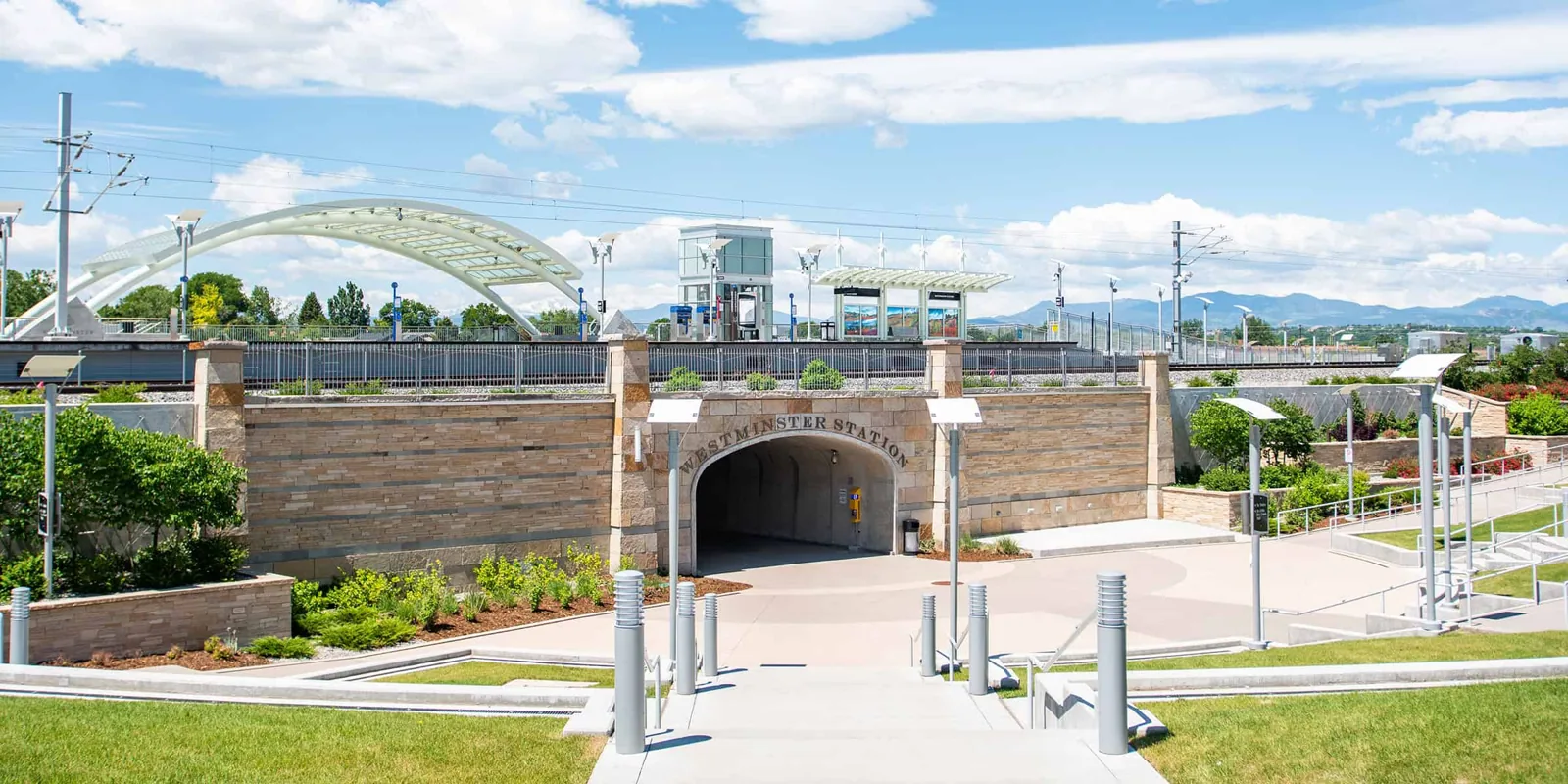
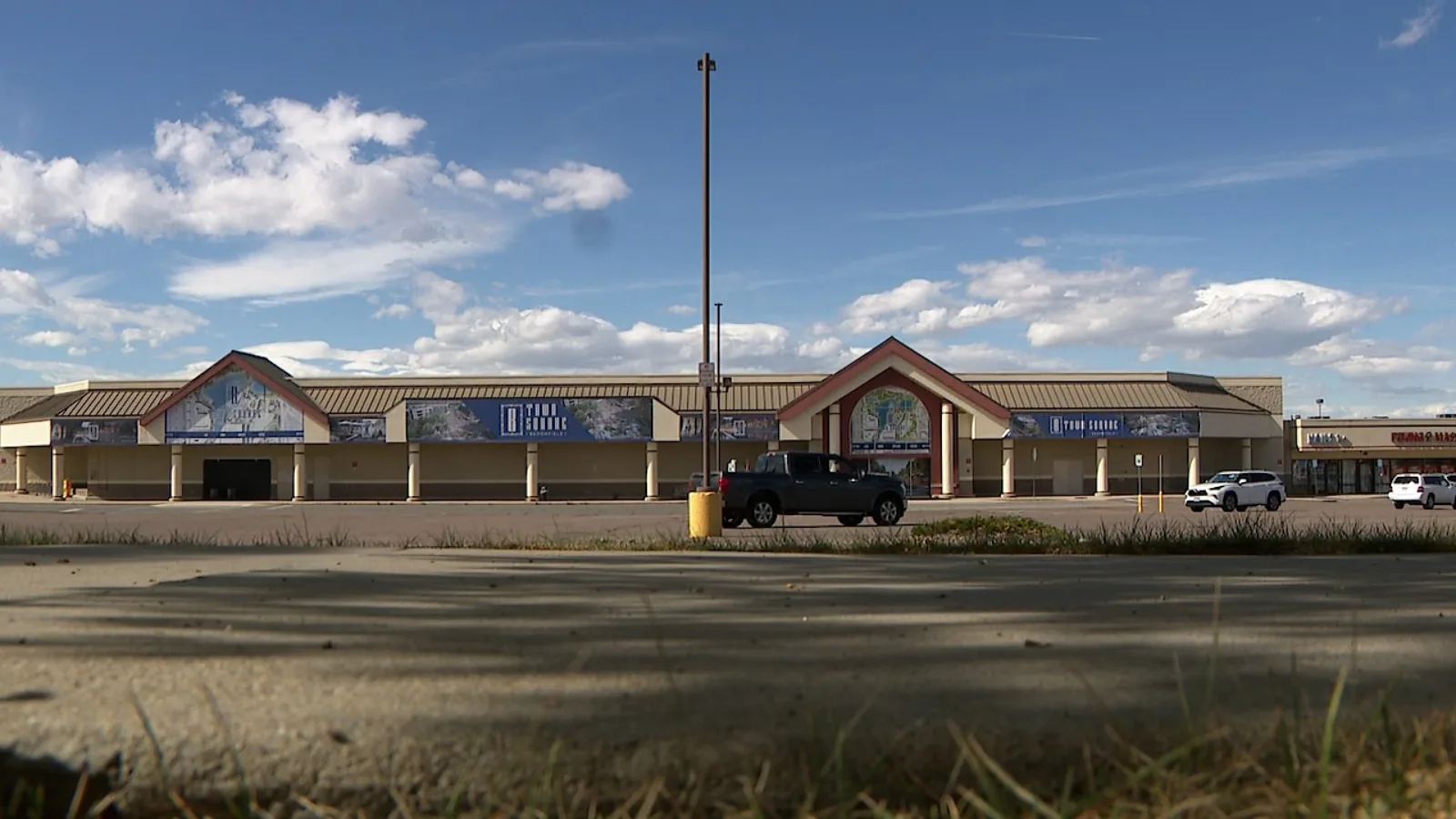
Westminster Station
A hail report raises a question; roof marks, drainage, and flashing conditions at each station-area building answer it. The southern gateway is planned as a transit-oriented mixed-use district, with retail, office, and residential development around the station. That mix makes access, occupied-space protection, and clear work boundaries part of the roofing plan. A field walk still has to confirm the assembly, drainage, and damage on each building.
Set the work boundary first
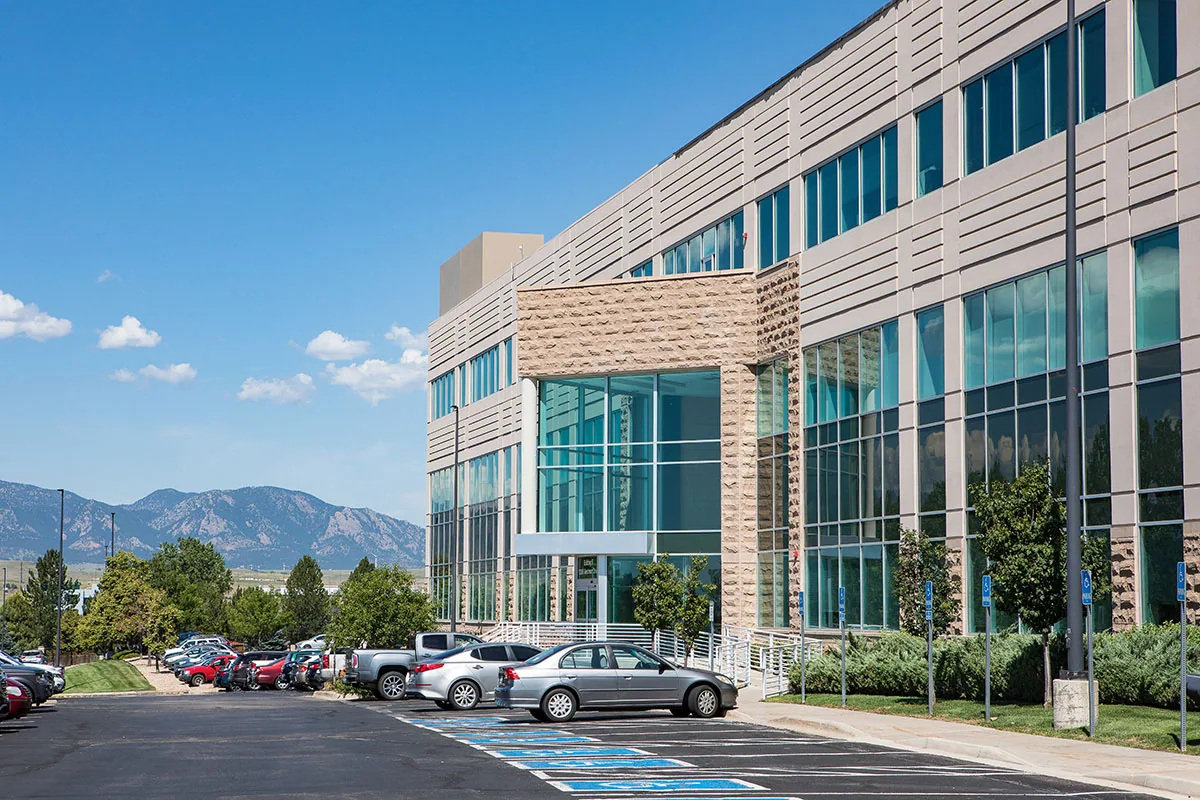
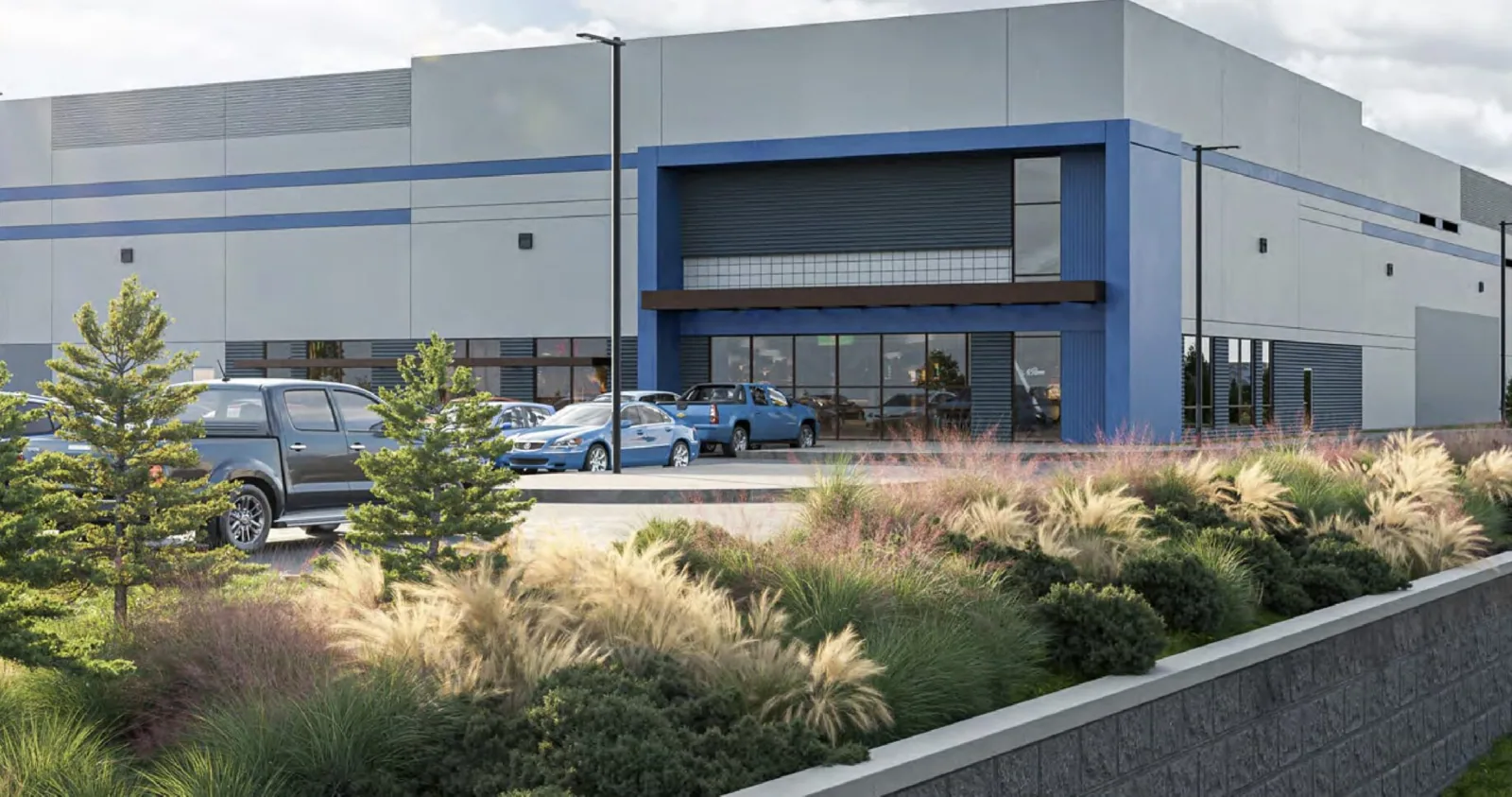
The Station Focus Area spans 135 acres and includes retail, office, and residential development. Its buildings have different owners, roof systems, and access rules. Keep one inspection record for each roof. Identify the structure, roof section, interior report, and contact before making a repair recommendation. A mapped condition report helps keep observations tied to the right building.
The station-area focus district is about half a mile south of the U.S. 36 and Federal Boulevard interchange. That helps locate a service request; the building walk confirms its roof system and access. At the first visit, compare the available roof plan with field conditions. Note membrane seams, edge metal, drains, overflow routes, curbs, skylights, and penetrations. If part of the roof is not accessible, record the limit. Do not treat it as inspected.
Where several tenants share an entrance or loading area, confirm the route for ladders, lifts, and material. Set pedestrian controls before moving tools. A Historic Westminster roof visit may have different access constraints, so keep that district's notes separate from station-area records.
Read weather against the building
Westminster weather can bring hail, strong wind, thunderstorms, snow, heat, and cold. The May 2024 hail event is a useful reminder to check exposed station-area roofs after severe weather. Photograph membrane, edge metal, skylights, and equipment supports, then compare any visible change with that building's maintenance history.
After thaw, inspect station-area roof drains, scuppers, low areas, and overflow routes. Record standing water and compare it with interior reports before setting maintenance or repair work. If water remains after precipitation, trace the route and look for a restricted drain approach or transition.
For an active leak, protect interior contents and arrange a safe inspection. A snow and ice roof review can document drainage and detail conditions; a hail inspection should distinguish confirmed impacts from older wear. Keep temporary dry-in separate from permanent scope.
Check transitions and drainage
Mixed-use buildings can have roof areas that meet at walls, parapets, canopies, or changes in height. Those transitions deserve close photographs. Check the membrane termination, counterflashing, coping joints, and sealant condition. A transition can admit water even when the field membrane looks sound. Follow the detail to the next drainage point and mark where water could travel before reaching an interior ceiling.
At penetrations, inspect curb corners, pitch pockets, conduit supports, and equipment bases. Confirm whether the attachment moves, whether the flashing is compatible with the roof, and whether prior patches overlap the intended repair boundary. A TPO roof inspection uses seam and flashing checks suited to that membrane. Identify the actual membrane before discussing materials.
Interior reports narrow the search. Ask which room is affected, how often the stain returns, and whether the timing follows rain, snowmelt, or equipment work. Compare the report with roof photos and note any blocked or inaccessible zones. A commercial leak repair visit can separate an immediate dry-in from the permanent work that still needs approval.
Choose a repair path that fits
A localized opening at a seam or flashing may support a defined repair. Broad wet insulation, recurring leaks in several roof zones, widespread surface loss, or failed attachment may call for a larger evaluation. Test results, not the district name, decide whether a coating or recover is suitable. Before proposing a system, confirm the existing layers, drainage, substrate, edge details, and any warranty requirements that can be established from the records.
For a repair, list the preparation, compatible materials, limits, closeout photos, and any follow-up test. For a recovery or replacement, state removal assumptions, insulation, cover board, membrane, edge work, disposal, staging, and daily dry-in. Occupied retail or office operations can affect work hours and delivery sequence. Cost and schedule also change with roof height, access equipment, concealed wet material, penetration count, and the amount of perimeter metal to rebuild.
Westminster enforces the 2021 International Building Code and Energy Conservation Code. The project team should check which provisions apply to the proposed scope and current permit path. A replacement plan should identify those assumptions before material is ordered. A smaller maintenance visit can address clearable drains and minor findings when the roof remains serviceable.
Schedule a station-area roof review
Tell us which building and roof zone are affected, what weather or leak prompted the call, and how the roof can be accessed.
Protect people and operations
Station-area work may sit beside active residences, offices, shops, or transit activity. Confirm the property contact, access window, loading route, roof hatch, and any areas that must remain open. Coordinate noisy work and deliveries with the people using the building. Keep the staging plan within the approved footprint and protect entries from debris or falling material. A roofing schedule should name the affected roof zone, not just the development district.
Wind and temperature can change whether adhesive, coating, or exposed membrane work can proceed. Check forecast and surface conditions against the selected system requirements. If conditions close the work window, use a suitable temporary protection detail and assign a return date. Keep a daily record of what was opened, what was closed, and what remains exposed. The closeout should show completed work and any item that still needs attention.
Where a project touches public access or multiple occupants, sequence roof areas so water control stays clear. Confirm drain paths after tools and packaging leave the roof. If work must pause, make the temporary condition visible to the property contact. Clear handoffs prevent a short weather delay from becoming an unknown roof condition.
Leave a useful roof record
Keep roof plans, inspection photos, system documents, work orders, and warranty information with the building record. Label each photo by roof section and direction. Write whether a condition was observed, tested, or remains a question. Record the repair materials and boundary. A later crew should be able to tell a new patch from the original membrane without relying on memory.
For buildings near the station, do not combine separate owners' records because they share a district. A roof file for Westminster Promenade or Church Ranch belongs to that property, with its own access details and inspection history. A Promenade roof request needs its own work boundary. So does each station-area building. Review open items after closeout, including temporary protection, deferred tests, and drains that need another look.
When requesting service, share the building name or parcel context, affected room, leak timing, prior repairs, and safe access contact. We can inspect the roof, explain what the visit confirmed, and set out repair or capital options. The next step should match the evidence from that building.
Commercial Roofing Questions
Does the station-area plan tell us what roof system a building has?
No. The plan describes the district. A roof walk and available project records establish the membrane, insulation, and details on the building being evaluated.
Can one inspection cover several station-area buildings?
One visit can be scheduled across a portfolio, but each roof needs its own access notes, condition photos, repair boundary, and findings.
What should we send before a leak visit?
Share the affected room, when water appeared, prior repairs, roof access instructions, and a contact who can authorize entry.
When is a coating worth evaluating?
The existing membrane, adhesion, moisture, drainage, and edge details have to support it. We test adhesion and moisture where warranted, then compare restoration against a defined repair or replacement scope.
What changes the schedule for roof work?
Access windows, tenant activity, material staging, weather, concealed wet areas, and permit requirements can all affect sequencing. The scope should name those constraints.
Related Roofing Work
Commercial Roof Condition Reports
Read more
Historic Westminster
Read more
Commercial Snow and Ice Roof Damage Repair
Read more
Commercial Hail Damage Roof Repair
Read more
More Service Areas in Westminster
See the rest of our service areas for Westminster commercial buildings, or call 555-555-5555 to talk through your roof.
Westminster Station
Talk to Commercial Roofing Westminster
Call 555-555-5555 or send a request and we will schedule a visit to look at the roof, explain what we find and lay out your options.