
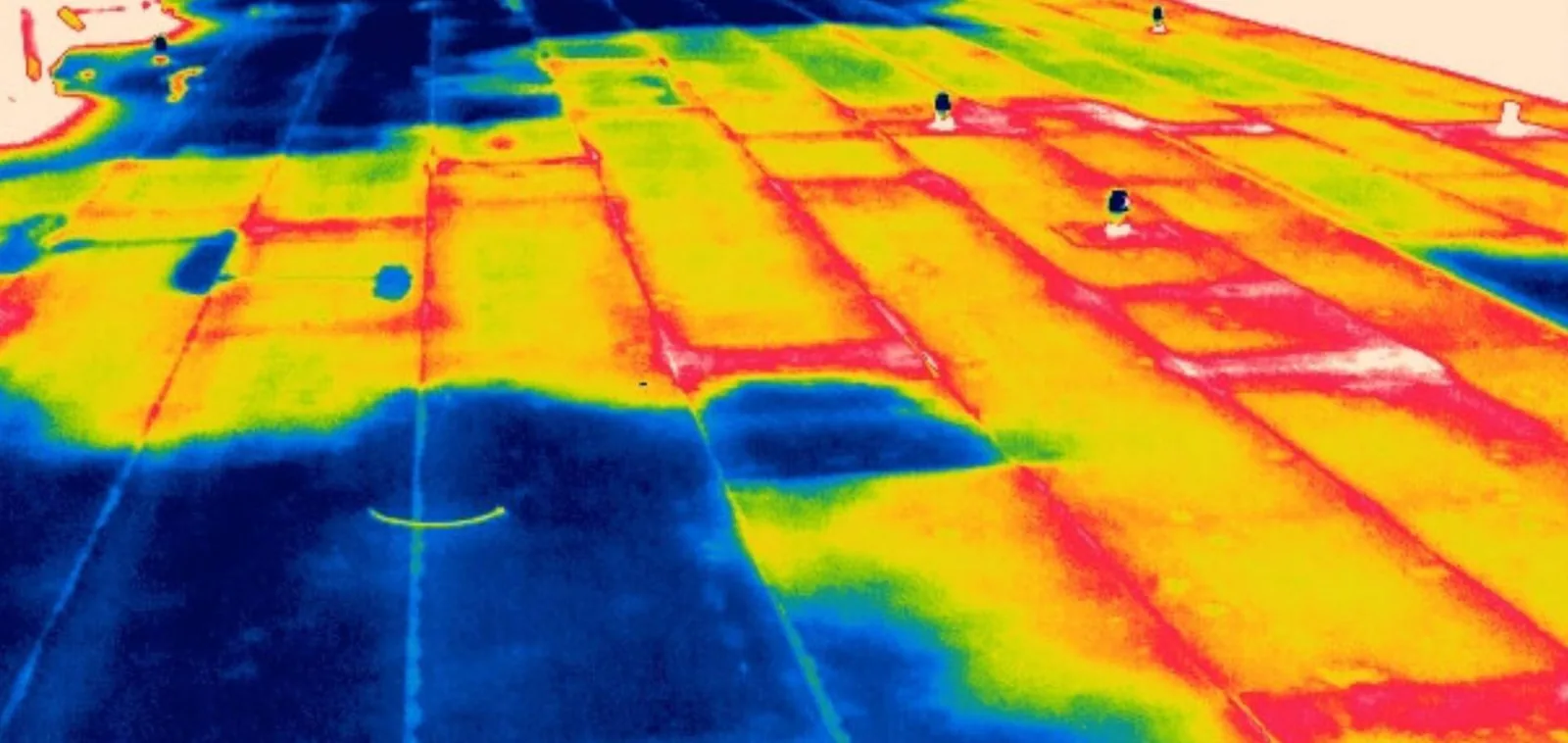
Infrared Moisture Survey in Westminster, CO
Map possible moisture below Westminster commercial roofs with infrared screening, field checks, selected test openings, and a report that defines limits.
Infrared Moisture Survey
After a roof dries at the surface, moisture can remain below the membrane. An infrared survey can help map temperature patterns that deserve closer review, but a color image alone does not prove wet insulation. We consider the roof assembly, recent weather, surface conditions, and access before deciding whether infrared screening will answer the owner's question. Westminster's hail, intense storms, and changing winter conditions can prompt a survey; the roof assembly and thermal conditions determine whether infrared can help. We label possible patterns, verify selected areas, and keep the survey tied to a building and roof section.
Choose a survey method that fits the assembly
Infrared equipment reads surface temperatures. On a suitable roof, differences across the surface may help identify areas that behave differently from surrounding material after the correct thermal conditions develop. Use the temperature pattern to select areas for roof-level confirmation. Sun, shade, wind, recent rain, rooftop equipment, surface color, and assembly construction can affect readings. We review the timing and conditions and state if they limit the result.
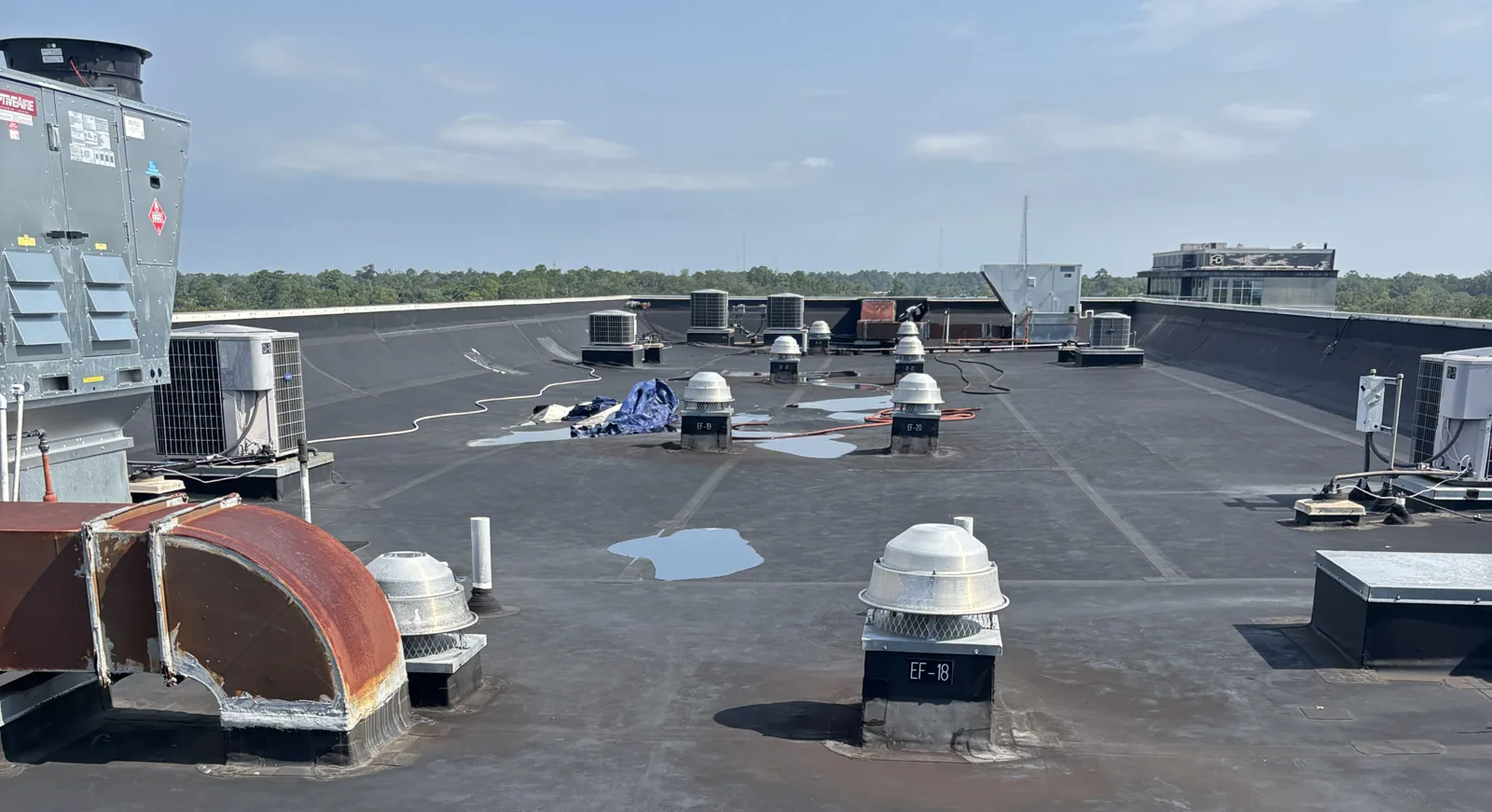
Before scanning, we review roof plans, membrane or coating information, insulation layers, repair history, leak reports, and previous survey maps. We confirm whether the requested area is accessible and whether the system can provide useful contrast. If metal decking, ballast, multiple layers, or recent water exposure complicates interpretation, we identify that limitation. A roof inspection can add visible observations at drains, seams, curbs, edges, and penetrations.
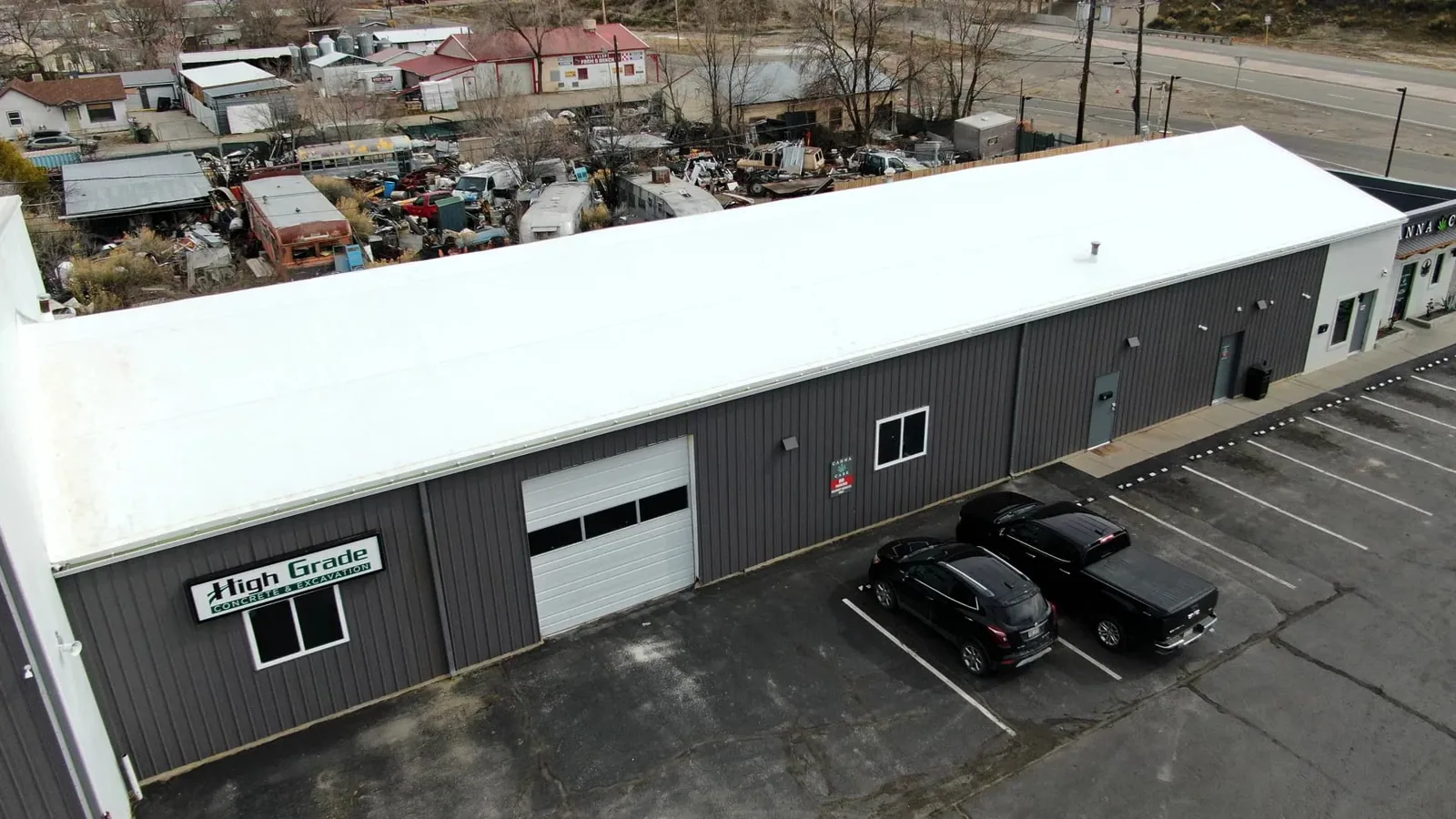
Westminster's commercial properties span corridors that include office, retail, hospitality, and industrial uses. A roof in Westmoor Technology Park may have a different layout and access path from a building along 120th Avenue. Confirm insulation type and moisture through roof records, field observations, and suitable testing. We use the actual plans and roof conditions. A Westmoor survey remains specific to the inspected building.
Separate a thermal pattern from a confirmed condition
We compare an infrared pattern with surface observations, drains, roof slope, seam locations, curbs, patches, interior reports, and known repairs. A reading near a drain can reflect water, shade, material change, or another temperature difference. We mark the pattern and inspect its boundaries rather than drawing a moisture area from one image. The report states the observation and what test would confirm it.
Selected test openings can show membrane layers, insulation type, moisture condition, and deck at a specific point. A core sample or other approved opening should be placed to answer a clear question and repaired after review. One sample confirms only that location and time. If the owner authorizes destructive testing, we identify the roof section, exact test location, observed layers, condition, and repair made to the opening. An organized condition report can keep those findings with the scan map.
Use the May 2024 north-metro hail event to set survey timing. Pair thermal anomalies with a roof walk that records any visible marks or openings. After weather, a scan may help prioritize areas for inspection if the roof and conditions suit the method. Use a roof walk to document impact evidence and trace a leak entry point. A leak trace links any thermal pattern to the interior report and roof details.
Define the area and conditions tested
A survey proposal names the buildings and roof sections, the method, access needs, expected conditions, and deliverables. It states whether the work includes nighttime or predawn scanning, daytime verification, moisture-meter checks, test openings, or repair of those openings. Those are separate work steps. The report marks equipment-obstructed areas and inaccessible sections so they can be addressed by another inspection method.
At a multi-building site, image folders and maps stay separate by address or structure. We mark visible boundaries, suspected areas, confirmed sample points, excluded sections, and any region affected by shade, equipment, or standing water. That lets the owner decide whether a targeted opening, repair estimate, or additional walk is warranted. A capital planning review can use confirmed areas and open questions without treating every thermal anomaly as replacement quantity.
If moisture is confirmed, we estimate the affected area from the evidence gathered and identify the layer to address. The repair may require removing wet insulation, correcting a seam or flashing, replacing damaged deck, and restoring the membrane. Record a dry test opening at its sample point, and keep untested roof areas identified for separate review. A recover assessment should use test results with layer count, attachment, drainage, and deck review.
Account for Westminster weather and timing
Thermal contrast depends on conditions before and during the survey. Recent rain, sun exposure, cloud cover, wind, night temperature, insulation properties, and roof color can change readings. Snow or standing water can block a view of the surface and alter the temperature pattern. We confirm a suitable window before mobilization, then record the conditions that affect interpretation. If the roof is not ready for useful scanning, we reschedule or recommend a different inspection method.
Winter accumulation varies across the Denver metro. Label moisture from survey findings and roof-level confirmation. We look at visible drainage, recent leak reports, insulation assembly, and field readings. On a commercial building near North I-25 or the West 120th Avenue corridor, the property contact also confirms when a roof can be reached without disrupting deliveries or tenants. The actual site schedule sets the access window.
If a survey supports a repair, the work is planned for compatible weather and prepared materials. A temporary cover may be necessary if opening an area during active precipitation. We identify the boundary, make the opening weather-tight, and schedule any permanent membrane repair once the substrate is ready. The scan date and repair date stay distinct in the report.
Confirm what the scan can answer
Tell us what leak, weather event, or roof decision prompted the call, which area is affected, and how the roof can be accessed. Send roof plans and system records. We will confirm whether infrared screening fits and identify any field test needed for a reliable conclusion.
Give the owner a map, not a color legend
Deliverables can include infrared images, matching visual photographs, a marked roof plan, survey conditions, test locations, and notes on areas that could not be evaluated. The report explains which patterns were only suspected and which were confirmed by field checks or a test opening. Each image has a roof-section reference so a maintenance team can find the same area later.
For a property near the 120th Avenue corridor or Circle Point, keep each building's survey separate, even when the work is ordered together. An office campus and retail center can have different roof assemblies, access paths, and system histories. A roof asset record can preserve scan maps, confirmed conditions, and repairs for later comparison.
To request a survey, send the Westminster address, roof plan, known membrane and insulation, recent leak history, prior testing, access contact, and preferred work window. Tell us what decision depends on the result. We will check whether infrared screening is suitable, define any confirmation work, and explain what conclusions the deliverable can support.
Commercial Roofing Questions
What can a thermal roof scan tell us about suspected moisture?
It shows temperature differences at the surface, not a direct view of the insulation. We compare the pattern with roof construction and field conditions, then confirm selected areas with an appropriate test.
When should a commercial roof be scanned?
The roof and recent weather need to support useful thermal contrast. We review the surface, assembly, access, and timing before scheduling the survey.
Will one core sample confirm the whole roof?
A sample confirms the layers at its location. We identify the point and its result, then decide whether additional samples or other inspection are needed.
Can infrared help after a hail or leak event?
It may help prioritize selected areas when conditions and assembly are suitable. The scan does not prove impact or locate an opening without roof-level review.
What is included in the final survey report?
We can provide marked images, roof-section references, environmental limits, test locations, confirmed observations, and areas that remain uncertain.
Related Roofing Work
Commercial Roof Inspection
Read more
Westmoor Technology Park
Read more
Commercial Roof Condition Reports
Read more
Commercial Roof Leak Repair
Read more
More Commercial Roofing Services in Westminster
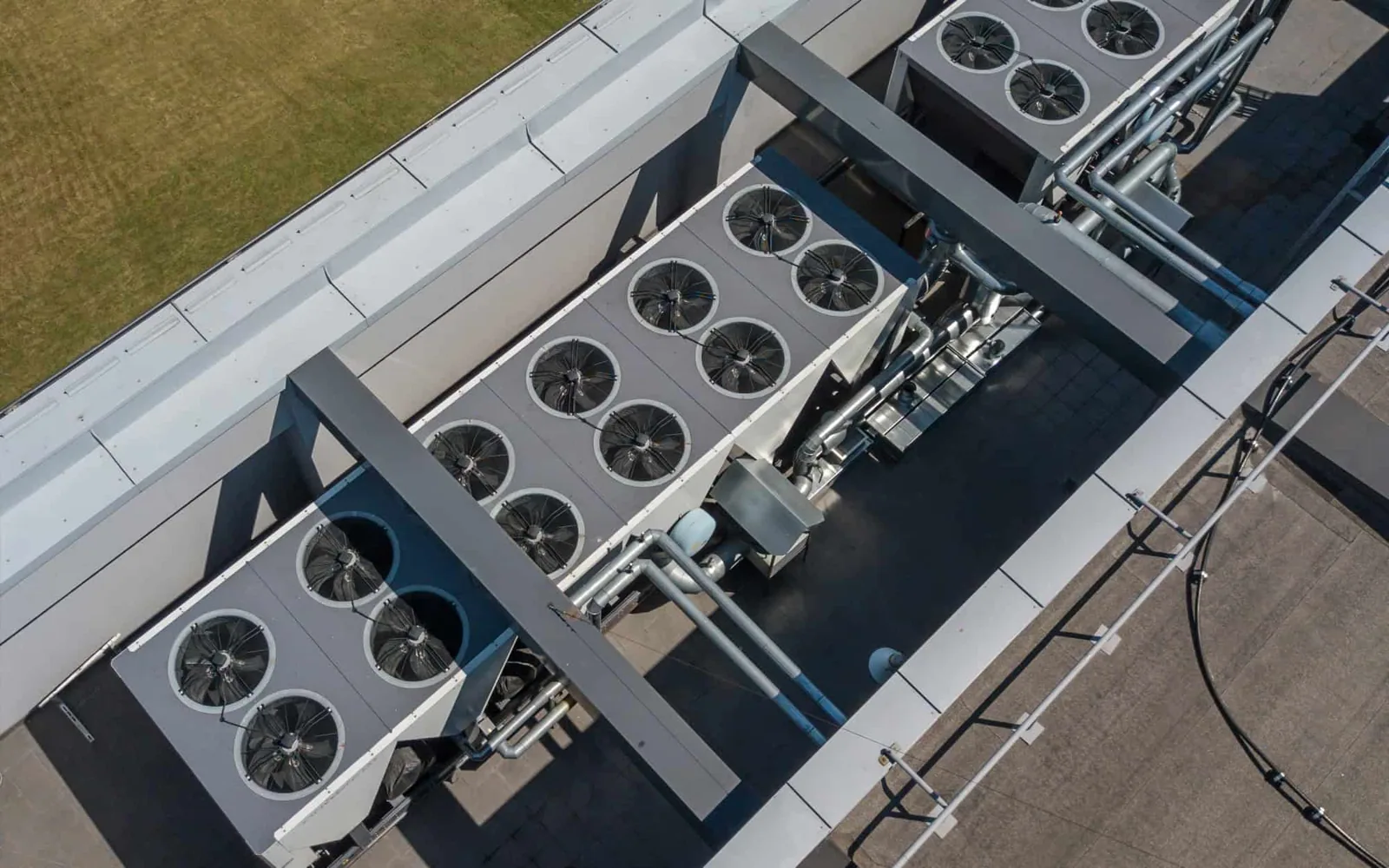
See the rest of our commercial roofing services for Westminster commercial buildings, or call 555-555-5555 to talk through your roof.
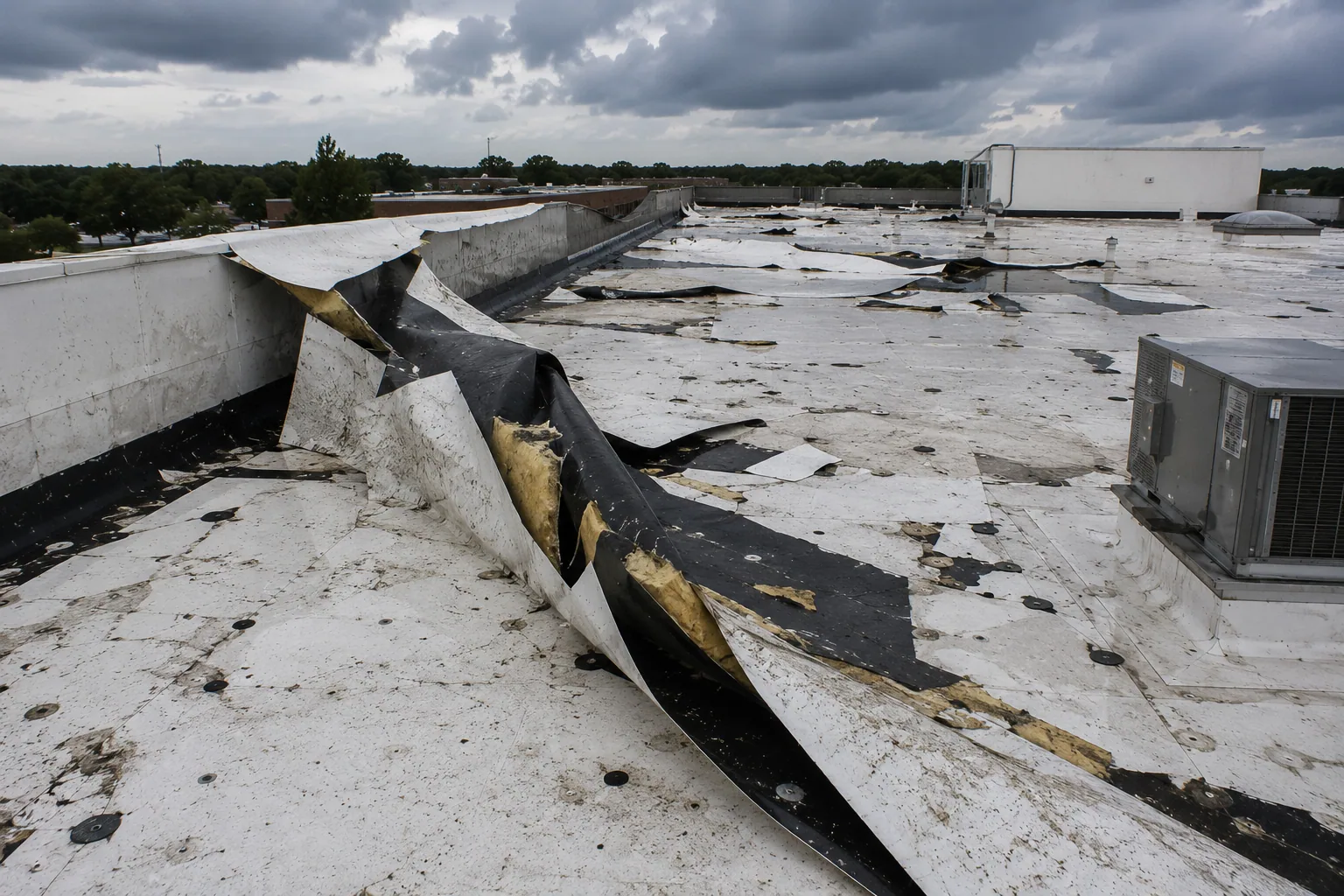
Infrared Moisture Survey
Talk to Commercial Roofing Westminster
Call 555-555-5555 or send a request and we will schedule a visit to look at the roof, explain what we find and lay out your options.