Commercial Roofing for Manufacturers in Westminster, CO
Protect Westminster manufacturing operations with roof inspections, leak response, repair planning, and phased replacement for active facilities.
Manufacturers
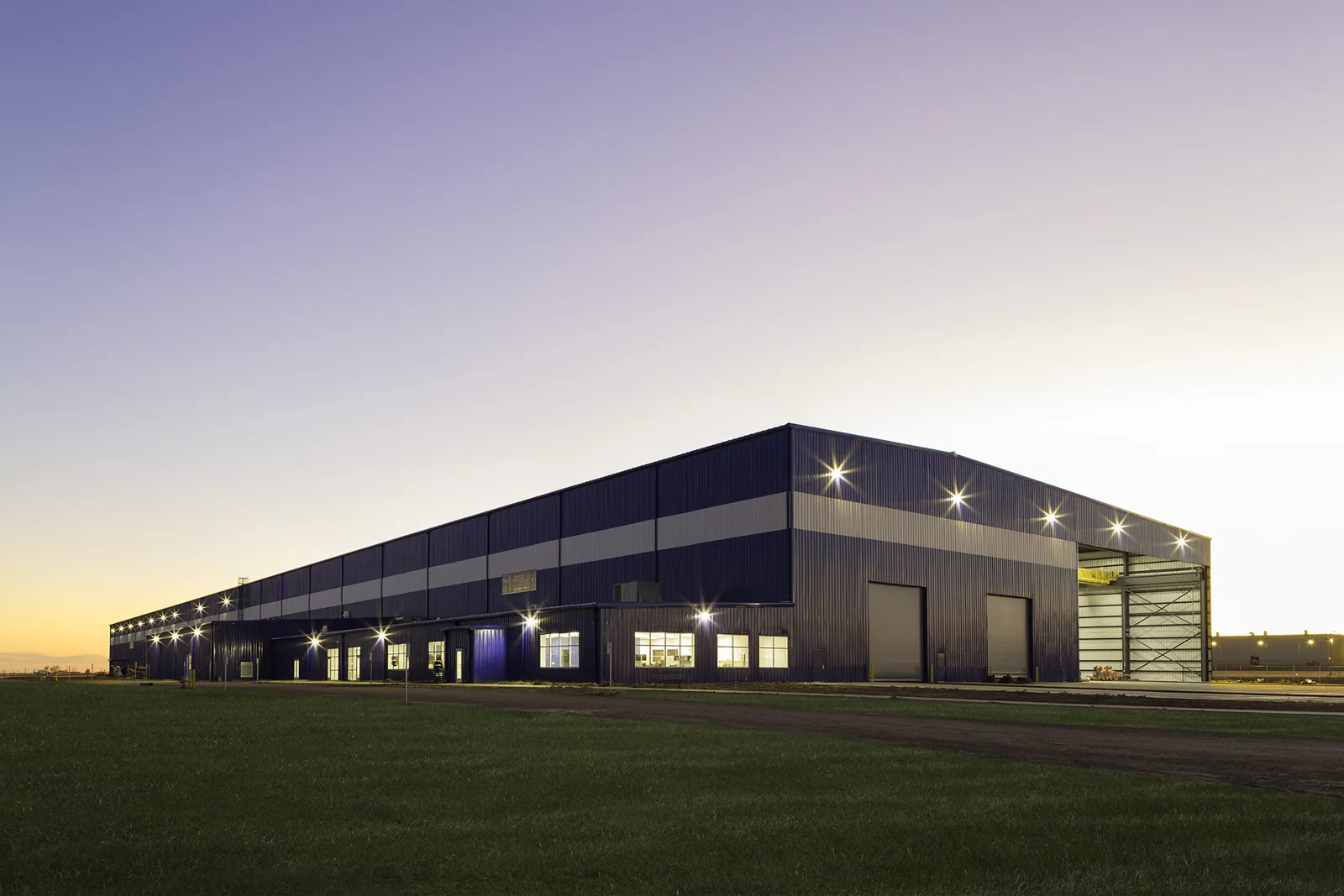
A drip over a production line can become an equipment and schedule problem before the roof scope is known. Westminster's employer base includes Ball Corporation, BAE Space & Mission Systems, and Claremont Foods. The regional technology cluster also includes manufacturing and servicing of hardware, software, and telecommunications equipment. The Colorado Technology Center combines office, manufacturing, and warehouse uses; Westmoor Technology Park is a separate office/flex campus in the U.S. 36 corridor. Those facts describe a varied industrial economy, not a specific roof assembly. Start with the affected zone, process below, and a safe inspection route.
Map production areas to roof sections
Manufacturing buildings can combine production, offices, storage, utilities, and shipping. Identify the area beneath each roof section before planning inspection or repair. A leak over packaging, electronics, finished inventory, or a control panel may need different protection and timing. The facility names the affected process and confirms which equipment can move or stop.
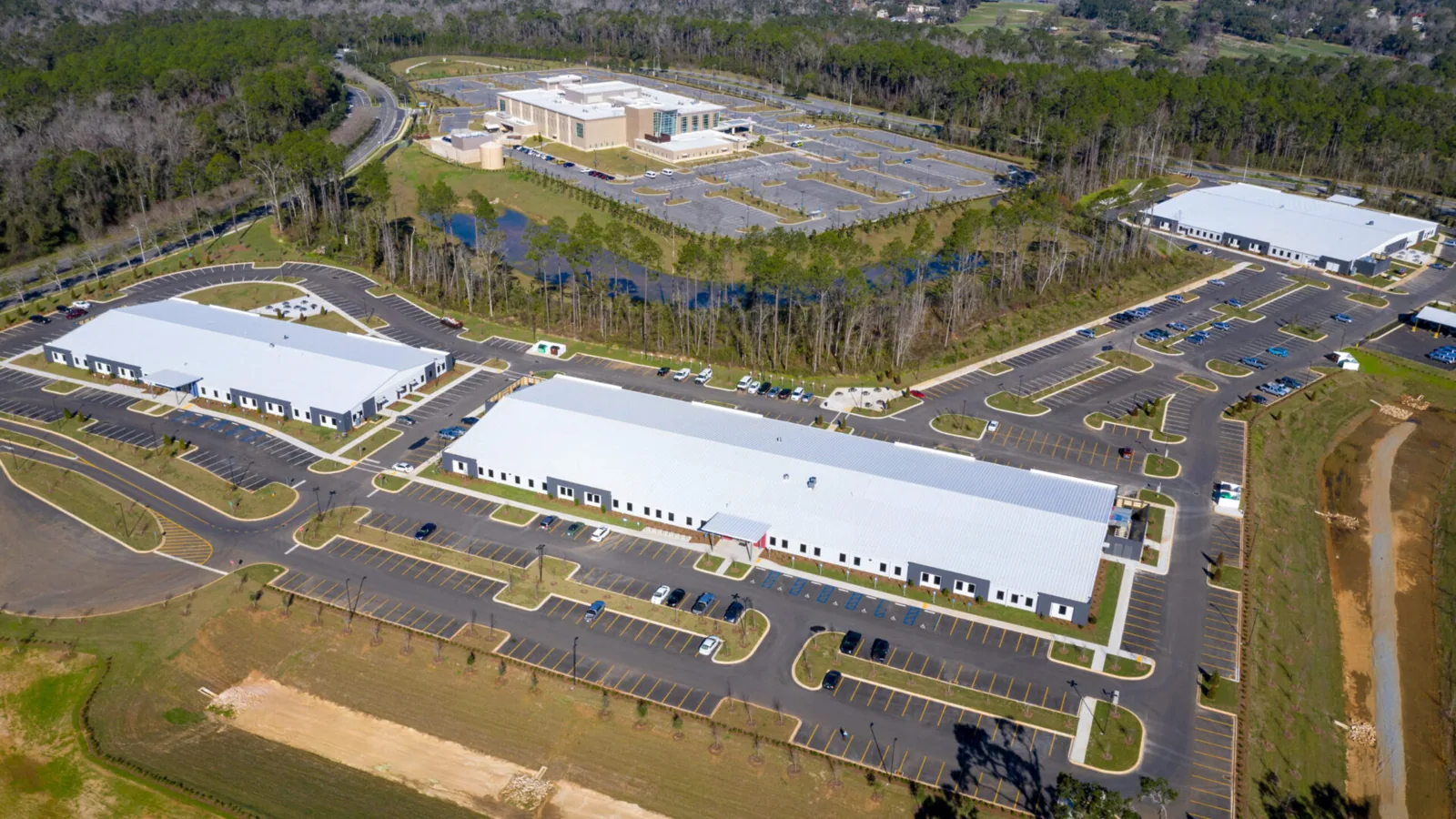
Louisville's Colorado Technology Center includes buildings that combine front-office, manufacturing, and warehousing functions under one roof. That mixed-use arrangement makes a zone map useful: record penetrations, drains, equipment supports, and transitions by area rather than assigning one description to an entire plant. Do not assume nearby buildings share system type or history.
A Colorado Technology Center service review can document local access and roof conditions at a specific site. The visit should label the observed assembly, visible defects, and any section that could not be reached. A roof map also helps operations staff connect interior reports with the correct exterior zone.
Coordinate access with production
Production schedules, sanitation windows, shift changes, hot work limits, and forklift routes can determine how a roofing crew moves. Confirm those controls with the plant contact before staging materials. Mark the roof zones, equipment that cannot be exposed, and the person who can approve a schedule change. Keep emergency exits and shipping lanes available.
For an active leak, protect the process below while the roof detail is traced. A commercial leak response can separate temporary dry-in from permanent correction. The report should identify water's observed entry or path, the time of the visit, the affected area, and the follow-up still needed. A repair ticket should not imply production impact beyond what the facility reports.
Dust, debris, odors, and overhead work need controls that fit the manufacturing environment. Agree on containment, tool handling, housekeeping, and a daily closure point. If work cannot proceed without disrupting a critical process, schedule another window and leave the roof secure.
Check the assembly after hail and snowmelt
The Denver/Boulder forecast area sees hail, damaging wind, winter conditions, heat, and cold. In May 2024, hail and roof impacts were reported across the northern metro. For manufacturing facilities, coordinate access around the occupied space below the repair; record who owns the next inspection or repair step. Check drains, scuppers, overflow paths, low areas, and parapets on the actual roof after melt. Retained water or a clogged outlet needs a location, an observation, and a maintenance action. A roof visit records the drains, low spots, overflow routes, and water marks at that property.
A seasonal maintenance visit can track exposed seams and drainage before winter. Defer access during ice, high wind, lightning, or wet conditions that make a roof walk unsafe. Production staff should receive a revised schedule before the crew reaches the plant.
Document metal, membrane, and equipment interfaces
Plant roofs often carry process exhaust, piping, conduits, HVAC, and service platforms. Each penetration is a detail that can move, collect debris, or complicate later equipment work. Record curb height, flashing condition, support attachment, and any route that needs service clearance. If equipment is added or relocated, coordinate the opening and weather closure before the trade leaves the roof.
A commercial roof inspection can identify membrane seams, metal fasteners, edge details, penetrations, and previous patches. Moisture testing may be appropriate if visible conditions do not define the repair boundary. The report should say where testing occurred, what it showed, and what remains concealed.
For a production line with sensitive contents, establish interior protection and an authorized observer before any test opening. Coordinate debris capture and temporary dry-in. The owner chooses whether a proposed opening can be made during operations or must wait for a planned shutdown.
Plan roof work around production
Send the roof plan, process limits, leak records, recent weather, equipment schedule, and authorized site contact. We will document the affected zones and a repair or replacement sequence.
Stage repair and replacement around plant needs
A localized seam failure, puncture, loose fastener, or failed flashing may be addressed if the surrounding roof is sound. The scope should define materials, limits, temporary protection, and whether testing is needed. Repeated leaks or broad moisture can lead to a larger review, but a single interior drip does not establish that the full assembly must be replaced.
Replacement planning weighs attachment, insulation, drainage, roof height, equipment, removal, and production access. Use field measurements for roof quantity; plant floor area is not roof area. A replacement proposal can identify daily work zones, staging limits, temporary dry-in, equipment coordination, and the intended return-to-service point.
Westminster began applying its 2021 International code editions in June 2024. The property's jurisdiction, permit, and contract documents guide building and energy review. Keep submittals, detail drawings, and installation records with the plant's maintenance file so later service staff can identify what assembly was installed. A replacement estimate should also list operating constraints, available laydown space, equipment shutdowns, waste handling, and the person who accepts each closed section. Those details allow production staff to compare schedule options before material is ordered. Confirm whether inspections, odor-sensitive processes, or overnight curing affect the preferred system or phasing, and document those requirements before bids are compared.
Keep condition records with plant maintenance
Record roof system, zone name, repair date, installed materials, photos, access limits, and the person who accepted the work. Keep leaks, routine maintenance, storm checks, and capital recommendations in separate categories. That lets operations distinguish an active response from an item that can be budgeted.
Manufacturers often coordinate roof work with facility managers and construction partners. A property manager's building record can align access and service tickets, while a general-contractor work plan can manage equipment additions or larger renovations. The production contact remains responsible for the process limits specific to the plant.
At each follow-up, compare the current roof photos with the prior repair location. Note whether the condition changed, whether drainage is clear, and what remains inaccessible. This gives the next maintenance decision a direct link to the evidence gathered on the roof.
Before a repair or recover, identify the installed system from project records and field details rather than assuming the manufacturer from a visible label. Record membrane type, attachment, edge details, and later repairs. If warranty requirements may apply, confirm the correct documentation and inspection path before altering the assembly.
Commercial Roofing Questions
Can roof work continue during production?
Often it can be phased, but the plant sets process, access, sanitation, and safety limits. The crew follows an approved route and closes each work area before leaving.
What information helps trace a leak over equipment?
Provide the affected line or room, time, recent weather, equipment sensitivity, roof plan, and the contact who can authorize access above the process.
Does a hail report mean the plant needs replacement?
No. Inspect the building and document observed damage. A storm event can prompt a roof walk, but repair or renewal depends on the actual assembly and findings.
How should new rooftop equipment be handled?
Coordinate the opening, support, flashing, and temporary closure before installation. Record the changed detail and update the roof map after the equipment is secured.
Can you scope work around a planned shutdown?
Yes. Share the shutdown dates, roof access limits, process areas, staging plan, and preferred closure points so the proposal can sequence the work.
Related Roofing Work
Westmoor Technology Park
Read more
Colorado Technology Center, Louisville
Read more
Commercial Roof Leak Repair
Read more
Commercial Roof Maintenance
Read more
More Industries We Serve in Westminster
See the rest of our industries we serve for Westminster commercial buildings, or call 555-555-5555 to talk through your roof.
Manufacturers
Talk to Commercial Roofing Westminster
Call 555-555-5555 or send a request and we will schedule a visit to look at the roof, explain what we find and lay out your options.