
Commercial Roofing in the West 120th Avenue Corridor, Westminster, CO
Plan roof inspections and repairs across Westminster's West 120th Avenue corridor with property-specific access, drainage, weather, and condition records.
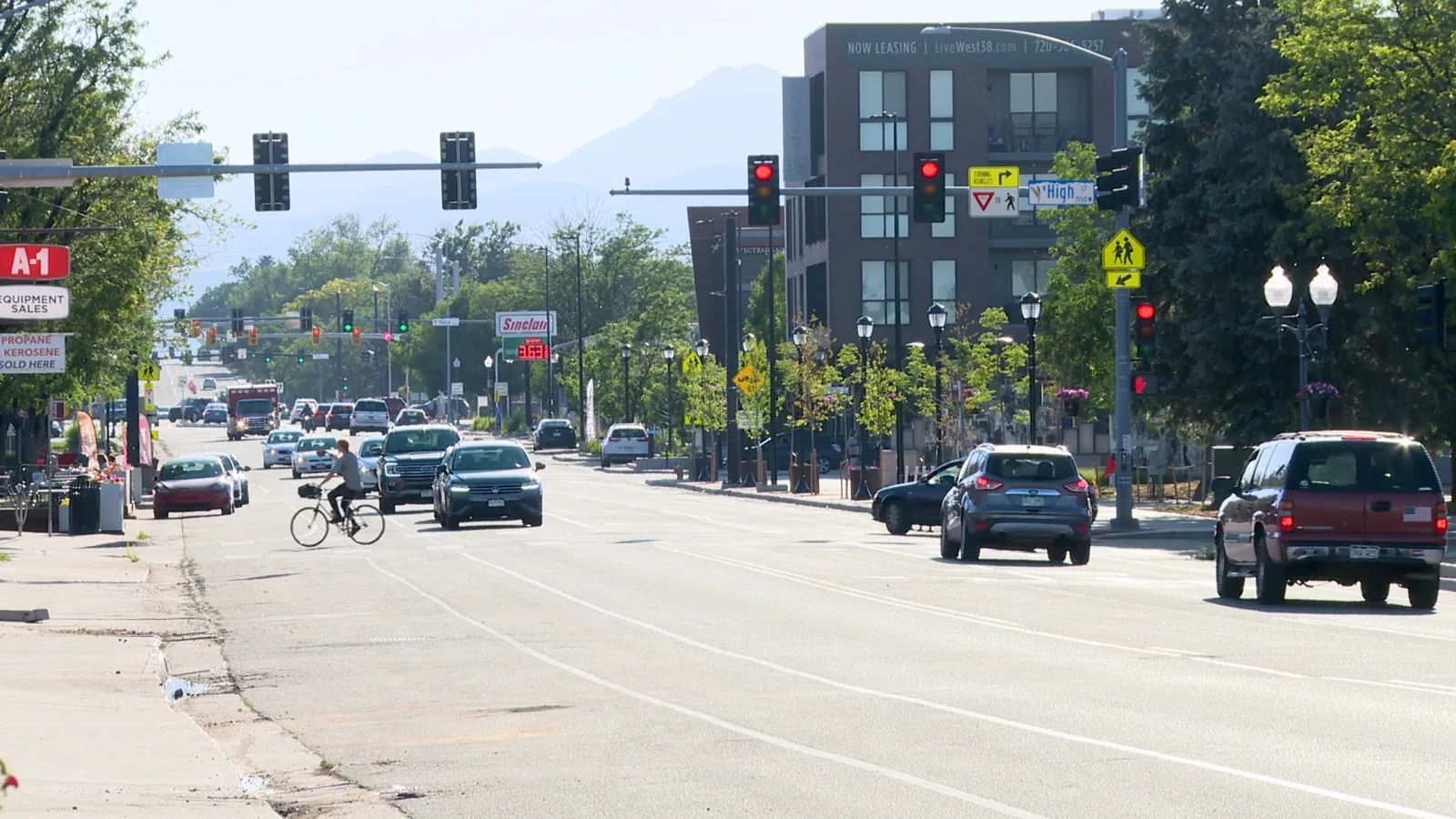
West 120th Avenue Corridor
For a roof request in Westminster's West 120th Avenue corridor, the first dispatch detail is the property name and roof section, not just the arterial. The West 120th corridor contains more than 1.08 million square feet of retail area, including Sheridan Crossing, North Park Plaza, Bradburn Village, Village at Park Centre, and freestanding retailers. That total measures retail space, not roof area. Each roof needs its own access plan and field record.
Break a corridor request into properties
Federal Boulevard forms the corridor's central north-south arterial. Use it to orient a request, then identify the building where water, impact, or maintenance was reported. The commercial properties have separate operators and roof records. A Sheridan Crossing roof visit is not a proxy for Federal Heights. Record the property, building contact, entry route, and affected area before assigning an inspection.
At the first walk, check plans against the field. Mark roof sections, drains, overflows, equipment curbs, seams, wall transitions, and perimeter metal. Identify areas hidden by equipment or outside the approved route. Keep a note of the limit instead of treating an unseen roof zone as clear. A condition report can tie photos and recommendations to the right section.
The corridor inventory includes centers of different sizes and freestanding retail properties. It does not establish that the properties use the same membrane or share drainage. Confirm system identity from records or field details. Where a portfolio covers more than one stop, keep each set of measurements and photos under that property's name.
Follow the water before opening a repair
Ask which interior room is affected and when the leak appears. A report that follows snowmelt may point toward a different condition than one that occurs during a short heavy rain. Compare the timing with roof features above the space. Water can move along an assembly before it reaches a ceiling, so distinguish the visible stain from the suspected entry point.
Inspect seams, flashing, penetrations, curb corners, edge metal, drain bowls, and overflow paths. Look for punctures, open laps, loose terminations, debris, or older patches. Photograph a wide view and the detail. Follow each low point to an outlet. If flow is blocked or water remains, note where and under what conditions. A roof inspection should say what was seen, tested, or left inaccessible.
Repairs depend on the assembly. A TPO weld, PVC detail, EPDM patch, metal panel lap, and modified-bitumen flashing require different preparation. Check records before choosing a product. When the membrane type is confirmed, the EPDM system review can account for that material's seams and flashing rather than applying a generic repair assumption.
Use local weather as a prompt
Hail, wind, thunderstorms, heat, cold, and winter weather occur in the Denver-Boulder forecast area. A hail report near Westminster on May 30, 2024, and roof damage documented elsewhere in the northern metro, may justify an inspection after possible exposure. They do not establish damage across the 120th corridor. For 120Th Avenue Corridor area, photograph edge metal before temporary protection is installed; use dated images to distinguish new conditions from older repairs. At the next safe roof walk, follow each low area to a drain or scupper and record whether water cleared before the inspection. If the roof is dry at the visit, write that down and identify any evidence that would warrant another check.
For active water, a leak inspection can prioritize interior protection and set the permanent repair boundary. After a weather event, a hail assessment should separate observed effects from older surface change. Temporary dry-in, testing, and permanent work belong in distinct parts of the record.
Match the proposal to what is confirmed
A localized opening at a seam or flashing may be repaired if the adjacent material is sound. Multiple leaks, broad moisture, failing attachment, or deteriorated edge details may call for a wider investigation. Review insulation, substrate, drainage, existing layers, and penetrations before comparing repair, restoration, recover, or replacement. Testing has value when it can change which option is appropriate.
A focused repair scope should identify preparation, compatible material, area limits, closeout images, and any retest. A larger project should state removal assumptions, new insulation and cover board, membrane, perimeter work, staging, debris handling, and daily dry-in. Cost and duration can change with access, roof height, concealed moisture, equipment density, and the number of separate properties in a program. A corridor retail total cannot substitute for those quantities.
Westminster's adopted 2021 building and energy standards apply as relevant to the proposed work. Confirm permit needs and assembly requirements for the actual project before mobilization. A replacement plan should state assumptions; a maintenance visit can document conditions that do not yet need a major scope.
Arrange a West 120th Avenue roof review
Share the property, affected roof area, leak or weather timing, access contact, and any tenant or delivery limits.
Plan entry, staging, and public routes
Retail work depends on the access route, delivery windows, customer paths, and the operator responsible for each area. Confirm where materials can be staged and whether a lift can operate without blocking an entrance. Set barriers around hoisting and debris movement. If a roof has more than one tenant or entrance, define the affected area in notices and work orders before crews begin.
Temperature, moisture, and forecast affect adhesives, coatings, and exposed membrane. Check the selected system's requirements for the work window. If conditions change, protect the roof with a suitable temporary detail and set a return date. Keep a record of the temporary assembly and who will verify the permanent repair. Do not leave a roof opening as an informal handoff.
At completion, clear debris, confirm drains and overflows are open, and restore public routes. Compare final photos with the initial roof map. Note any condition outside the agreed scope and give it an owner. For a multi-property schedule, close each site separately so the next crew has an accurate starting point.
Keep each address tied to its roof
Store plans, inspection photographs, system records, warranties, and work orders by property and roof section. Mark dates and camera direction. Identify whether a condition was observed, tested, corrected, or left unresolved. A future visit should be able to distinguish a new opening from an older patch without relying on the person who made the first note.
If a property changes tenants or managers, access procedures may change as well. Confirm the current contact before returning. Use the prior report to find the affected zone, then verify whether the interior symptom returned and whether drainage remains clear. Keep open test results visible in the property file until someone closes them.
For a 120th Avenue corridor request, share the property, affected room, event or leak timing, previous repairs, roof entry instructions, and operating constraints. We can inspect the identified roof, show what the visit confirms, and outline a repair or replacement path. The next step should belong to one property at a time.
Commercial Roofing Questions
Does the corridor retail total show roof square footage?
No. It is an inventory of retail space. We establish roof area from plans or field measurement for the individual property.
Can the arterial identify the building for an inspection?
Federal Boulevard helps orient the corridor, but dispatch still needs the property or center and a contact who can arrange roof access.
Can one repair specification cover the whole corridor?
Only after each assembly and condition are verified. Different properties may have separate systems, access rules, and repair histories.
When should a storm prompt a roof visit?
A nearby report can trigger a check when exposure is plausible. The inspection must document conditions on the building itself.
What changes a replacement schedule?
Access, weather, tenant activity, staging, removal scope, concealed wet materials, and material availability all affect sequencing.
Related Roofing Work
Arvada
Read more
Federal Heights
Read more
Commercial Roof Condition Reports
Read more
Commercial Roof Inspection
Read more
More Service Areas in Westminster
See the rest of our service areas for Westminster commercial buildings, or call 555-555-5555 to talk through your roof.
West 120th Avenue Corridor
Talk to Commercial Roofing Westminster
Call 555-555-5555 or send a request and we will schedule a visit to look at the roof, explain what we find and lay out your options.