
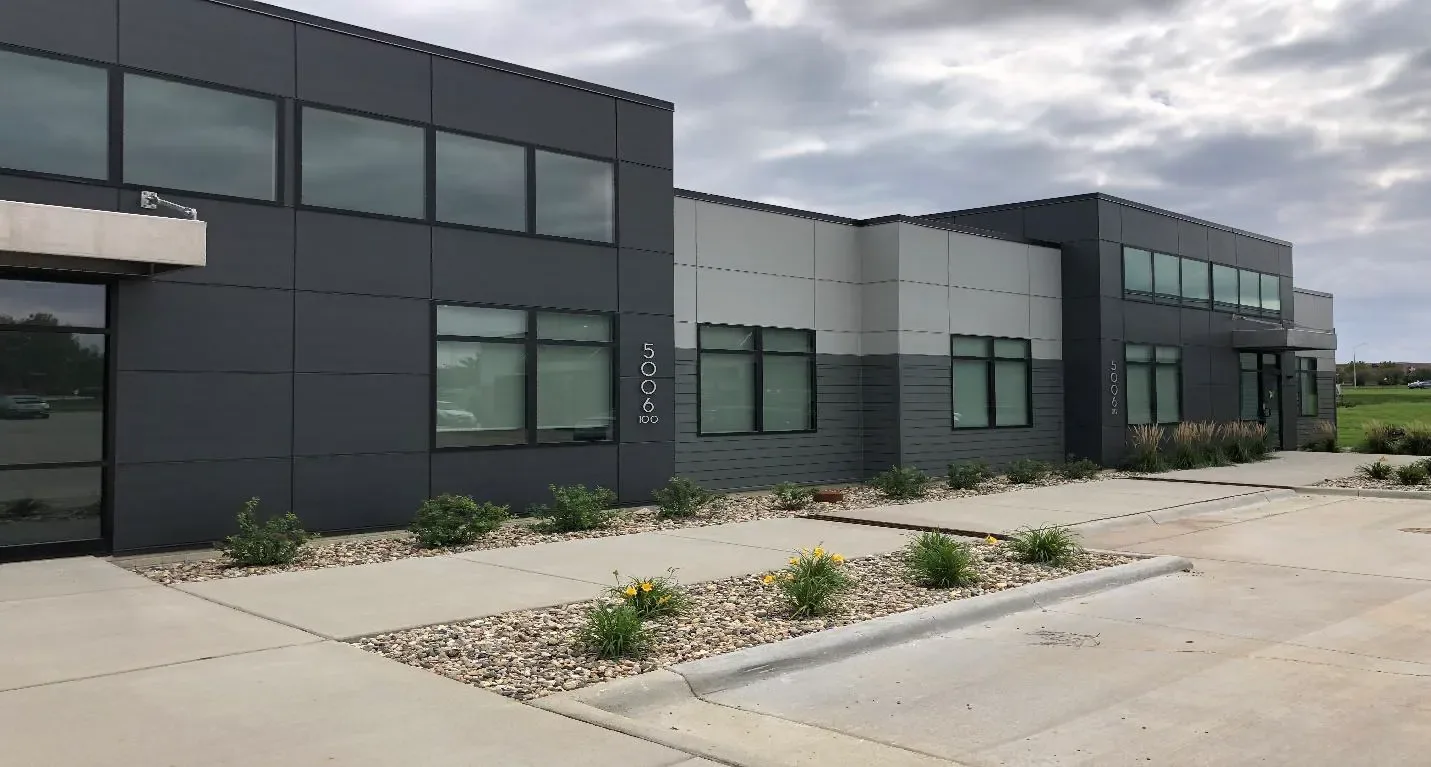
Commercial Roofing for Real Estate Investors in Westminster, CO
Evaluate Westminster commercial roofs for acquisition, hold, and capital decisions with documented condition, repair history, and measured scope.
Real Estate Investors
Before a Westminster acquisition closes, a roof review should separate visible condition from assumptions in the rent roll or building summary. Circle Point has two existing office buildings and a third entitled project, while Downtown Westminster continues to redevelop the former mall site. Those are different property contexts, and neither gives a roof age or assembly. A field survey records the actual sections, access limits, active leaks, and questions that could change a capital decision.
Tie due diligence to the roof evidence
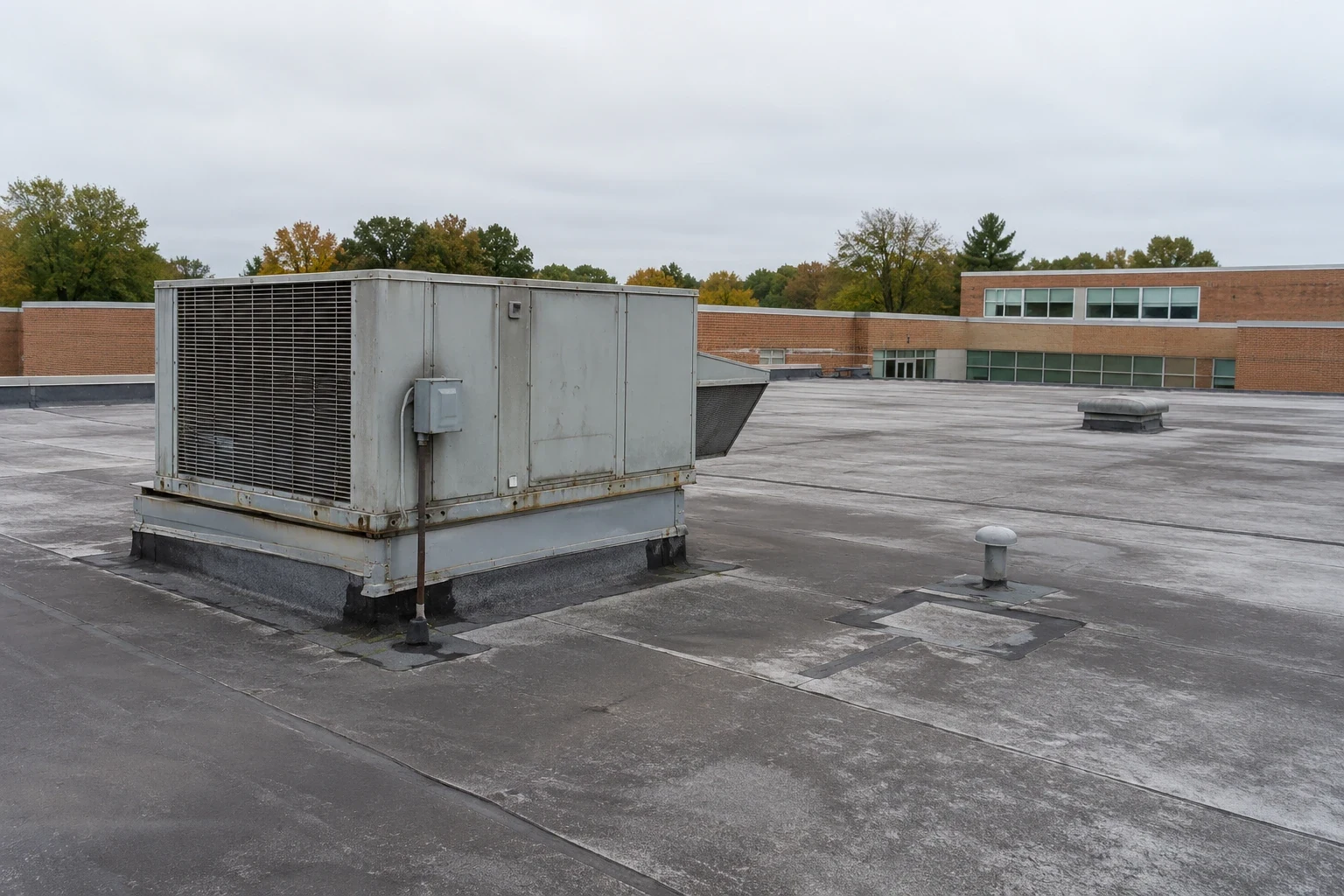
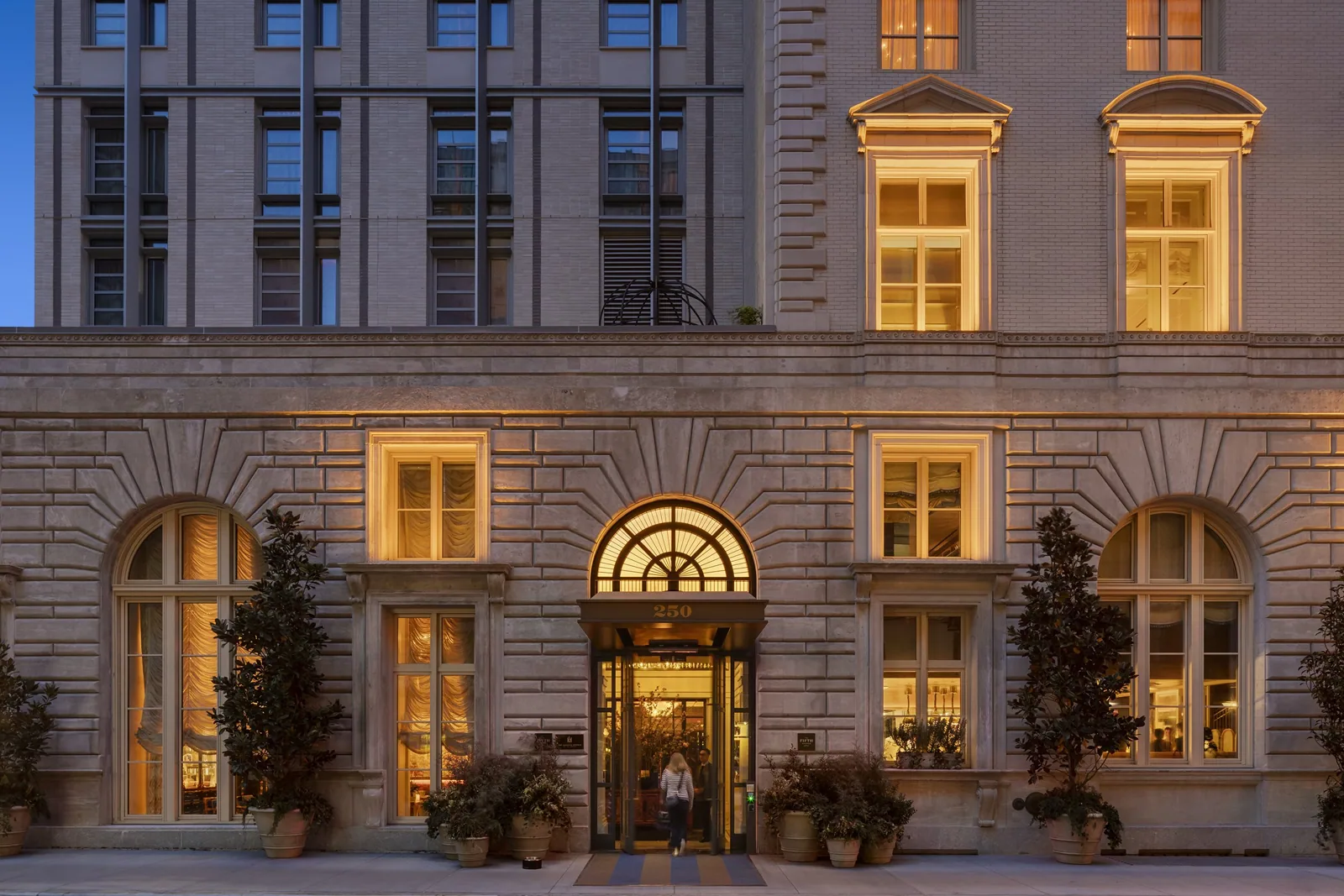
A useful transaction review begins with available plans, invoices, leak logs, warranties, and tenant reports. The site visit then confirms which roof sections are accessible and what materials appear to be installed. Match each photo to a location on the roof map. If a seller provides only a building-wide summary, ask which repairs and inspections support it before carrying the statement into an investment model.
A roof due-diligence survey can group findings as immediate protection, planned repair, or further testing. It should state what was not opened and avoid treating floor area as roof quantity. If the asset includes multiple structures, inspect and record them separately; shared ownership does not prove shared construction or condition.
Westmoor Technology Park contains ten multistory office buildings, and Circle Point's campus plan includes two existing office buildings plus an entitled third. That density can make roof records important to underwriting, but the reported square footage is office area, not roof area. Field measurements and drawings establish quantities for a repair or replacement estimate.
Separate near-term exposure from long-range renewal
A stained ceiling, failed seam, wet insulation, and aging membrane are not interchangeable findings. The report should identify what was directly observed, how extensive it is, and whether testing is required. A local repair may control one defect; repeated leaks or broad moisture evidence may call for a larger investigation. Keep each recommendation attached to its roof zone and supporting photographs.
A capital plan can place verified repair needs beside future renewal questions. Timing depends on assembly, attachment, drainage, tenant schedule, material removal, and access. It should not assign a replacement date from building age alone if roof history is incomplete. A budget can show the range of work by phase without presenting unmeasured areas as a firm quantity.
For an asset held through a property manager, a manager's roof record can keep access instructions, work orders, and maintenance dates current. The investor still needs a view of significant findings and unresolved risk. Define who owns the next inspection and who approves work beyond the initial repair boundary.
Use roof evidence in the transaction file
For each asset, compare outlet flow with water marks from the last visit. Check drains, overflow paths, low areas, parapet corners, and the route to the outlet. Note whether ponding clears and whether interior reports align with observed roof conditions.
After a reported storm, inspect the property itself for impact marks, displaced edges, skylight damage, or changes at equipment supports. Compare findings with older photographs so a new condition is not confused with a prior repair.
A commercial roof inspection can document these details for an acquisition file. The investor can then distinguish storm-related evidence from ordinary wear and decide whether a second test or contractor proposal is needed before closing.
Compare assets without flattening their differences
The Westminster Station district is planned as a mixed-use area with retail, office, and residential development around transit. Downtown Westminster is another redevelopment area, with high-density and hospitality growth in the city's planning. These settings suggest different tenant, staging, and operating constraints. They do not determine the roof systems or conditions of individual buildings.
For a portfolio, standardize the information captured rather than assuming the properties match. Record roof system, number of sections, accessible area, drains, curbs, repairs, leak history, and inspection limits. A multi-site roof program can compare open issues by severity and timing while preserving a separate condition record for each asset.
If an office or retail property shares work with a construction team, a general-contractor coordination scope can clarify penetrations, sequencing, and temporary protection. Changes to rooftop equipment or future tenant fit-out may affect flashing and warranty obligations. Put those interfaces on the plan before a trade opens the roof.
Review a Westminster asset's roof evidence
Provide the property list, plans, prior repair files, leak history, and transaction timing. We will document accessible conditions, open questions, and a measured repair or renewal scope.
Ask for a scope that can be priced
A repair proposal should name the roof material, detail, approximate quantity, access assumptions, and work limits. If moisture testing or a test cut is needed, identify who authorizes it and what restoration follows. For replacement, state the planned assembly, insulation, cover board, edge details, demolition, and temporary dry-in. These inputs help compare bids on scope rather than a single headline price.
Westminster enforces the 2021 International Building Code and Energy Conservation Code. Project jurisdiction and documents determine the review required for each asset. Keep the applicable code coordination with the plans and submittals. Do not assume an existing condition is compliant or noncompliant from a visual roof walk alone.
A maintenance visit can keep drainage, seams, and flashing on a recurring schedule after acquisition. Separate that ongoing service from urgent leak response and capital renewal so operating costs, immediate obligations, and future investment remain visible as different decisions.
Carry the roof record through ownership
Close diligence with a roof map, labeled inspection photos, repair history, access notes, and an action list. List each assumption and the party expected to verify it. If the seller's records do not identify a section, do not merge its condition with another building. A precise handoff lets the new manager continue the same history after closing.
Owners can maintain a simple register of open leaks, safety access concerns, testing needs, and planned projects. The next report should state what changed since the last inspection. That record helps asset staff judge whether the roof is stable, requires a focused repair, or needs a broader capital study.
For a mixed portfolio, compare risk by roof evidence, operating impact, and timing, not by a generic age band alone. A replacement evaluation can follow when inspection and testing support that scope. Keep the decision traceable to drawings, field measurements, and observed conditions. If transaction timing compresses the survey window, prioritize active leaks, known repairs, drainage performance, and safe access first. State which lower-priority areas still need review so the buyer can schedule them after possession rather than treating a limited visit as full coverage.
For each transaction, separate a roof's access limitations from its condition rating. If a tenant area or locked hatch prevents review, record the omitted zone and agree who will secure access; do not let the executive summary imply full coverage.
Commercial Roofing Questions
What should a roof diligence report answer before closing?
It should identify the inspected sections, apparent systems, visible defects, active reports, access limits, and any testing needed before a capital estimate is firm.
Can you estimate roof replacement from rentable area?
No. Rentable or gross building area does not establish roof quantities. Drawings and field measurements define each roof section and transition.
How should an investor treat an unresolved leak?
Keep it as an open item until a roof inspection identifies the affected area and a repair boundary. Temporary protection and permanent work should have separate scopes.
Does a storm report establish roof damage at an asset?
A regional event can prompt a survey, but the specific building needs inspection evidence. Record observed changes and compare them with prior photos.
What records should transfer to the new owner?
Retain roof plans, repair invoices, warranty documents, inspection photos, access restrictions, leak tickets, and a dated list of unresolved conditions.
Related Roofing Work
Commercial Roof Due Diligence Surveys
Read more
Commercial Roof Capital Planning
Read more
Property Managers
Read more
Commercial Roof Inspection
Read more
More Industries We Serve in Westminster
See the rest of our industries we serve for Westminster commercial buildings, or call 555-555-5555 to talk through your roof.
Real Estate Investors
Talk to Commercial Roofing Westminster
Call 555-555-5555 or send a request and we will schedule a visit to look at the roof, explain what we find and lay out your options.