
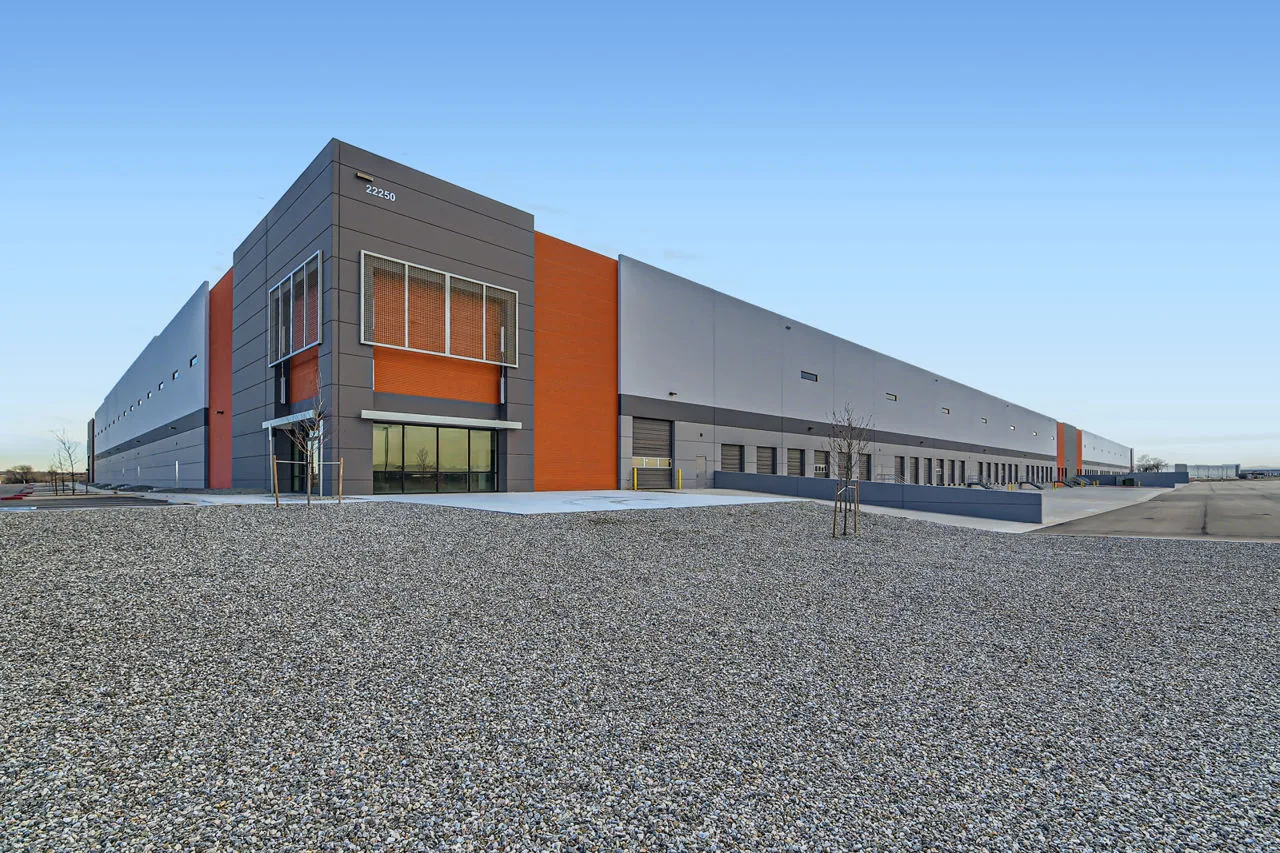
Commercial Roofing at 76 Commerce Center, Brighton, CO
Plan distribution-center roof repairs at 76 Commerce Center with building-specific access, truck flow, drainage checks, and repair records.
76 Commerce Center, Brighton
Distribution flow and roof access need to be planned together at 76 Commerce Center. 76 Commerce Center is a 1.8-million-square-foot Class A industrial park along Interstate 76, occupying 122 acres in Brighton's Bromley Industrial Park and serving the Denver metro and broader Rocky Mountain region. Those figures describe the industrial development, not roof area. Identify each building and roof zone before a service visit or estimate.

Measure the roof, not the development
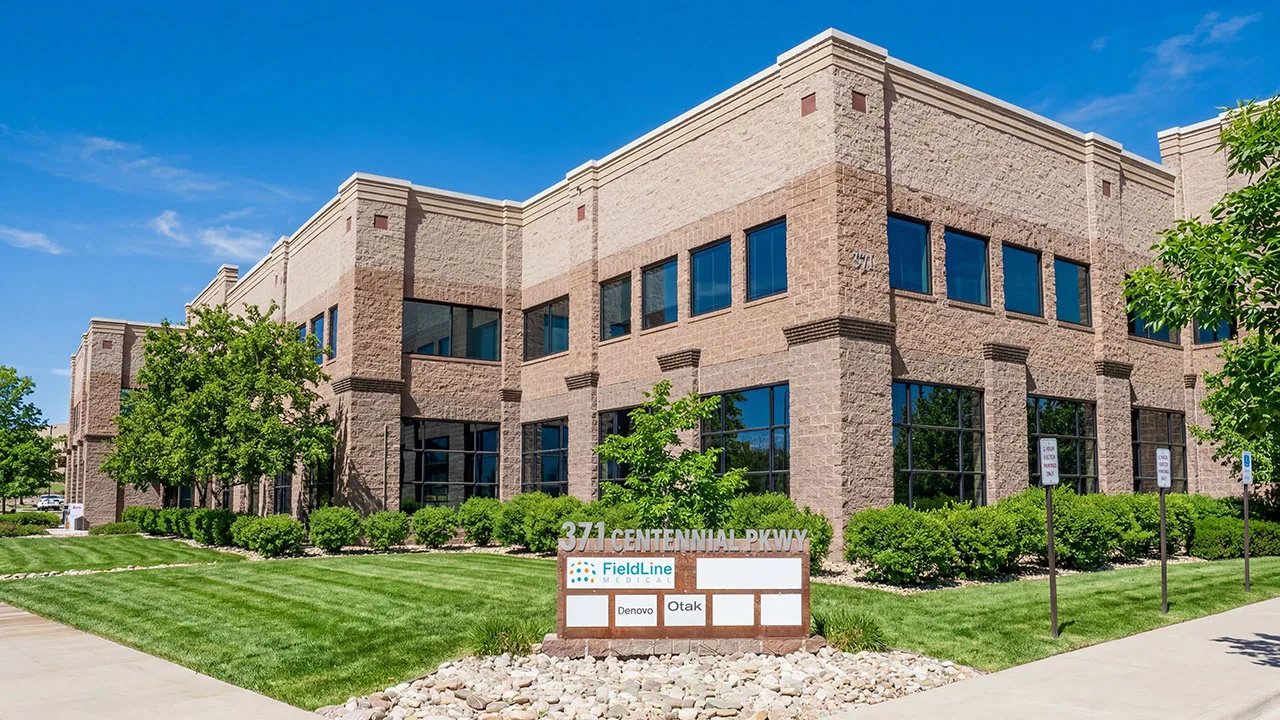
A distribution park can involve multiple facilities and operating contacts. Confirm which building reports water, who can authorize roof access, and whether receiving, loading, or trailer movement needs to remain open. The development's total square footage should not be used to calculate membrane quantities. Use approved drawings or field measurement for each roof and separate its records from neighboring buildings.
5280 Logistics Park is another Front Range distribution property, but its Thornton truck courts and snow-removal canopy do not describe Brighton access. A 5280 Logistics Park roof file should stay separate. The Grove Shopping Center is a different Thornton retail area; its commercial roof record likewise belongs to those properties.
Map roof sections, seams, drains, overflows, curbs, penetrations, parapets, and edges. Mark inaccessible areas and identify where equipment or rooftop units interrupt the inspection route. A distribution-center roof review can document the building-specific conditions that affect a repair or replacement plan.
Trace a leak across a large roof
Ask which dock, storage aisle, office, or equipment zone is affected and when water appeared. Relate that information to rain, snowmelt, or recent equipment service. On a broad roof, a ceiling mark can be far from the opening. Follow the likely route across roof slopes, seams, insulation joints, and drains. Label a suspected path until a visible condition or test supports it.
Inspect field seams, curb bases, pipe penetrations, flashing, edge metal, drain bowls, and overflow outlets. Look for open laps, punctures, loose terminations, blocked flow, or old repair material that has separated. Photograph close detail and surrounding context. A roof inspection should state the area covered, access limits, tests, and items still open.
Repair materials follow the confirmed assembly. Thermoplastic welds, adhered rubber seams, asphalt surfacing, and metal panel joints each require their own preparation and compatible detail. If the building has a confirmed TPO roof, a TPO system check can assess welds and penetrations. Do not assume a system from the Class A label.
Watch weather and drainage together
A regional alert can help set the timing of a Brighton inspection, yet it cannot describe a particular distribution roof. On site, compare visible impacts, shifted edge pieces, fresh openings, or interior reports with dated facility records before assigning a cause. Record the inspected building, roof zones reached, and any access limit, with dated photos that let the facility team compare later visits. Brighton's roof snow decisions start with the building's project criteria and observed drainage, not a regional summary. After a thaw, inspect drains, low points, and overflow routes on the actual roof. For load or design questions, rely on applicable project documents.
For active water, a leak response can protect stored goods and record temporary work. If a storm prompted the request, a hail review can document impact by section. Keep temporary coverage distinct from the permanent correction.
Scope each work phase
A localized seam opening or flashing defect may call for a defined repair if adjacent material is sound. Repeated moisture, widespread membrane deterioration, attachment problems, or leaks in several zones may require broader evaluation. Review the existing layers, insulation, substrate, drainage, roof edges, and repair history before comparing a patch with restoration or replacement. Testing is useful when it affects the selected path.
Document a repair with its preparation steps, material choice, measured limits, closeout images, and any test still due. For a full roof project, record which layers are removed, the selected insulation assembly, new roof covering, edge details, lifting plan, waste path, and the sequence for keeping each exposed area dry. At a distribution center, schedule and cost can change with loading windows, roof height, access equipment, equipment shutdowns, concealed wet areas, and number of phases.
Brighton's current permit and code route should be confirmed with the project team. Confirm Brighton's permit and code requirements for the planned scope before finalizing the roof assembly. A replacement proposal should state the governing jurisdiction and roof assumptions. If an assembly remains in service, maintenance planning can keep drains and details under review.
Schedule a 76 Commerce Center roof review
Share the building, affected dock or interior area, leak or weather timing, roof plan, and facility access contact.
Keep distribution moving
Agree on crew access, truck routes, dock activity, lift placement, staging, and pedestrian protection before material arrives. If the roof work requires an equipment shutdown, coordinate it with the facility operator. Identify which entrances, loading areas, or trailer lanes need to stay in service. Work notices should name the building and affected zone.
Adhesive, coating, and exposed-membrane repairs depend on suitable surface and weather conditions. Check the selected system requirements and expected work window. If conditions change, apply a suitable temporary detail, document it, and set a return date. Keep material and equipment away from roof drains and loading paths. For a multi-day phase, identify the daily work boundary, the supervisor who can release each area, and the point when a dock or roof zone returns to normal use. If deliveries shift, update the staging plan before the crew moves material. A short shift handoff can prevent a temporary barrier or open work area from being treated as complete when another team arrives. Keep that note with the dated roof log and facility contact list.
At closeout, remove debris, confirm drains and overflows remain open, and restore truck circulation. Compare completed work with the original map. Record whether all roof areas were reached, any test still pending, and what temporary measure remains. That handoff should be clear enough for the next shift to act on it.
Keep the building record current
File plans, service reports, product records, and completed work by facility and roof zone. Give images a date, direction, and location label. Note the measured work limit, materials installed, checks performed, and parts of the roof that remained out of reach. Keep industrial-park size and development records out of roof quantity calculations.
On a return visit, compare current symptoms with prior photos. Check whether the repair remains intact, whether water returned after precipitation, and whether drainage clears. Update access contacts or loading restrictions if operations change. Keep follow-up tests on a dated list until results are filed.
For 76 Commerce Center service, share the building, dock or interior zone, leak or weather timing, previous repairs, roof plans, and facility contact. We can inspect the actual roof, document confirmed conditions, and describe repair or capital options for that building.
Commercial Roofing Questions
Does the 1.8-million-square-foot development size equal roof area?
That figure describes the industrial park's development area, not roof area. Use approved plans or field measurements for each individual building before estimating quantities.
Can roof work happen while distribution continues?
The sequence can protect operations when loading, truck routes, staging, equipment, and roof access are coordinated with facility staff.
What should we identify for a warehouse leak?
Name the building, dock or storage zone, time water appeared, recent equipment work, prior repairs, and the person who can arrange access.
What determines snow-related roof work in Brighton?
Use project criteria, safe access, and roof-level observations to set the work. Brighton project records and the criteria applicable to the specific building should guide design questions.
Can one inspection cover multiple buildings?
One visit can include several roofs if access is arranged. Each building still needs separate photos, findings, measurements, and scope.
Related Roofing Work
5280 Logistics Park, Thornton
Read more
Lafayette
Read more
Distribution Center Roofing
Read more
Commercial Roof Inspection
Read more
More Service Areas in Westminster
See the rest of our service areas for Westminster commercial buildings, or call 555-555-5555 to talk through your roof.
76 Commerce Center, Brighton
Talk to Commercial Roofing Westminster
Call 555-555-5555 or send a request and we will schedule a visit to look at the roof, explain what we find and lay out your options.