
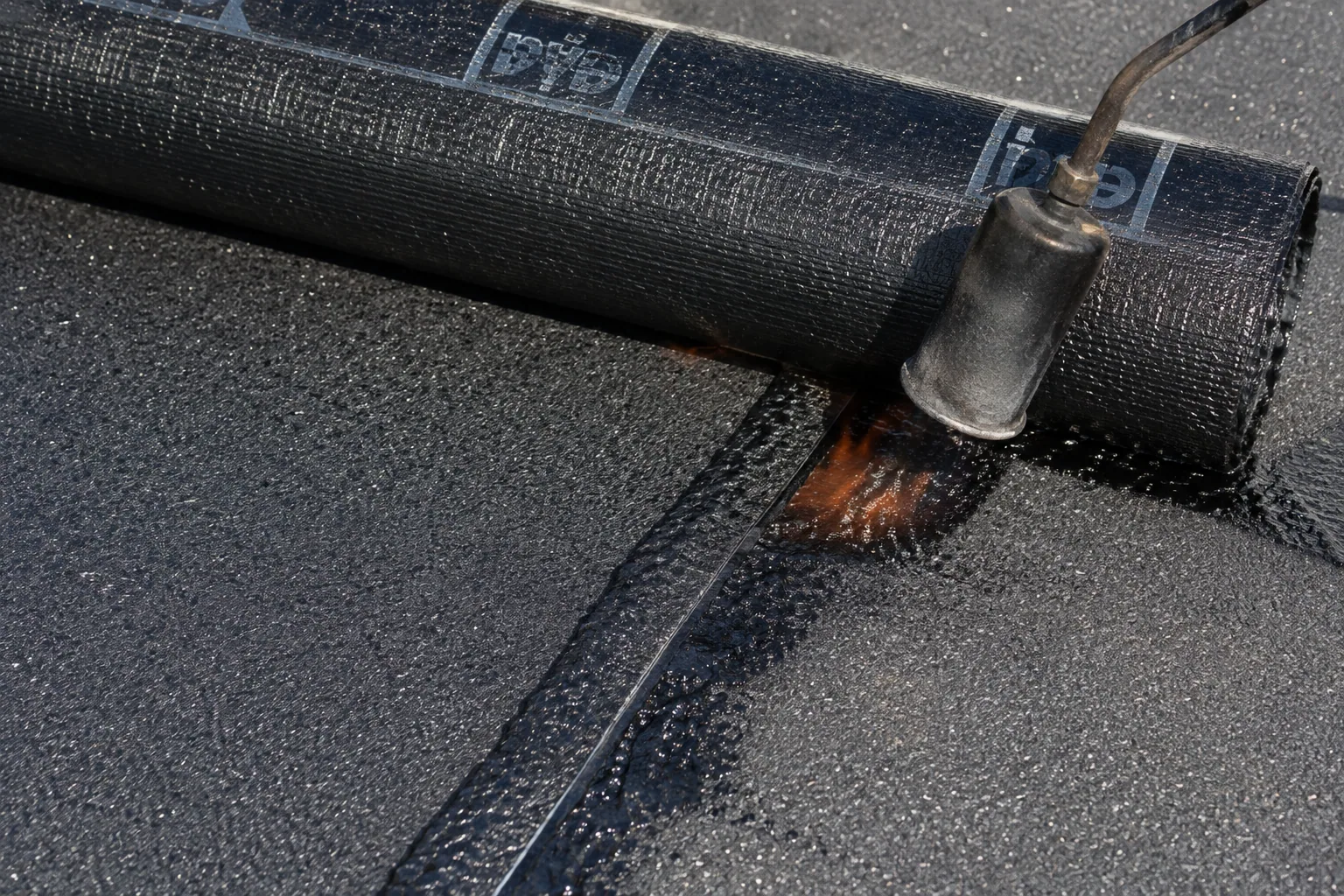
Commercial Built-Up Roofing in Westminster, CO
Inspect Westminster built-up roofs for ply separation, surface wear, flashing, and drainage. Set a repair or replacement scope from the existing assembly.
Commercial Built-Up Roofing
A loose gravel patch or blister on a built-up roof needs a closer look before anyone calls for a new system. BUR uses multiple asphaltic plies, and the visible surface can hide conditions below. Westminster's hail, heat, wind, and winter weather make periodic checks useful. We inspect surfacing, seams, flashings, drains, and any exposed ply, then tie the recommendation to what the roof shows.
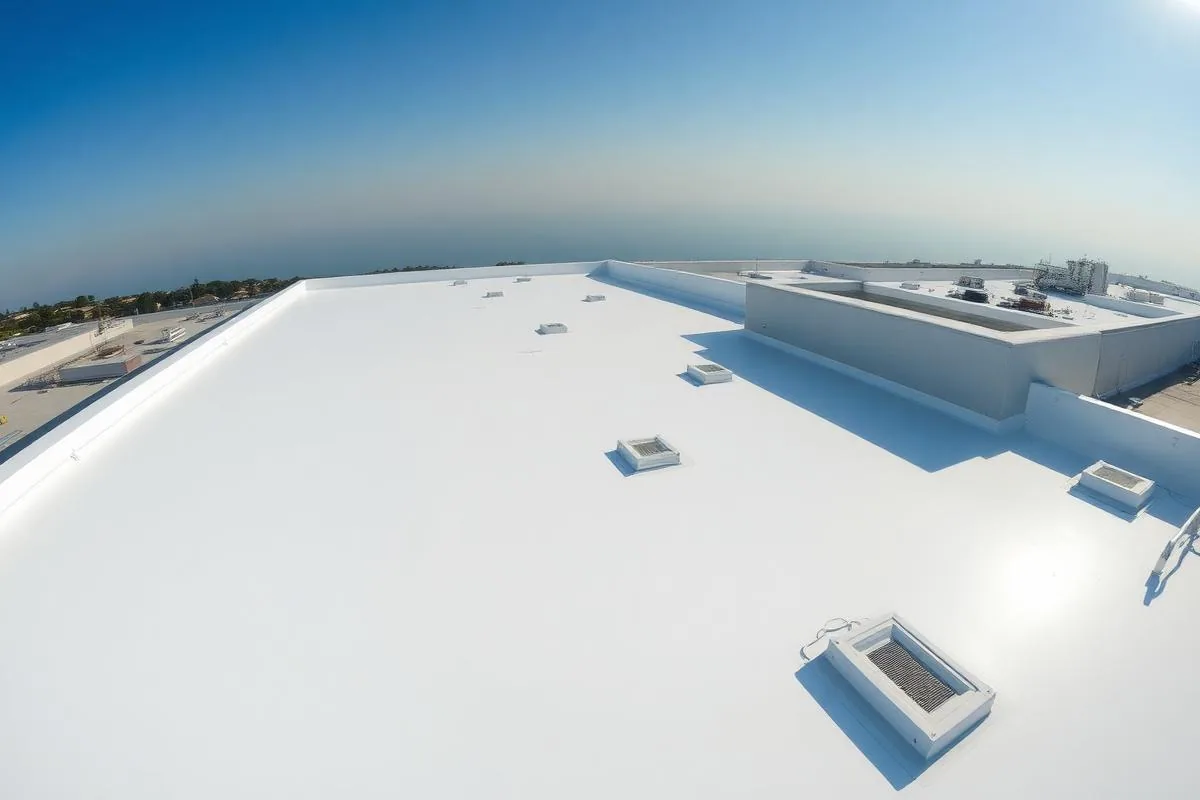
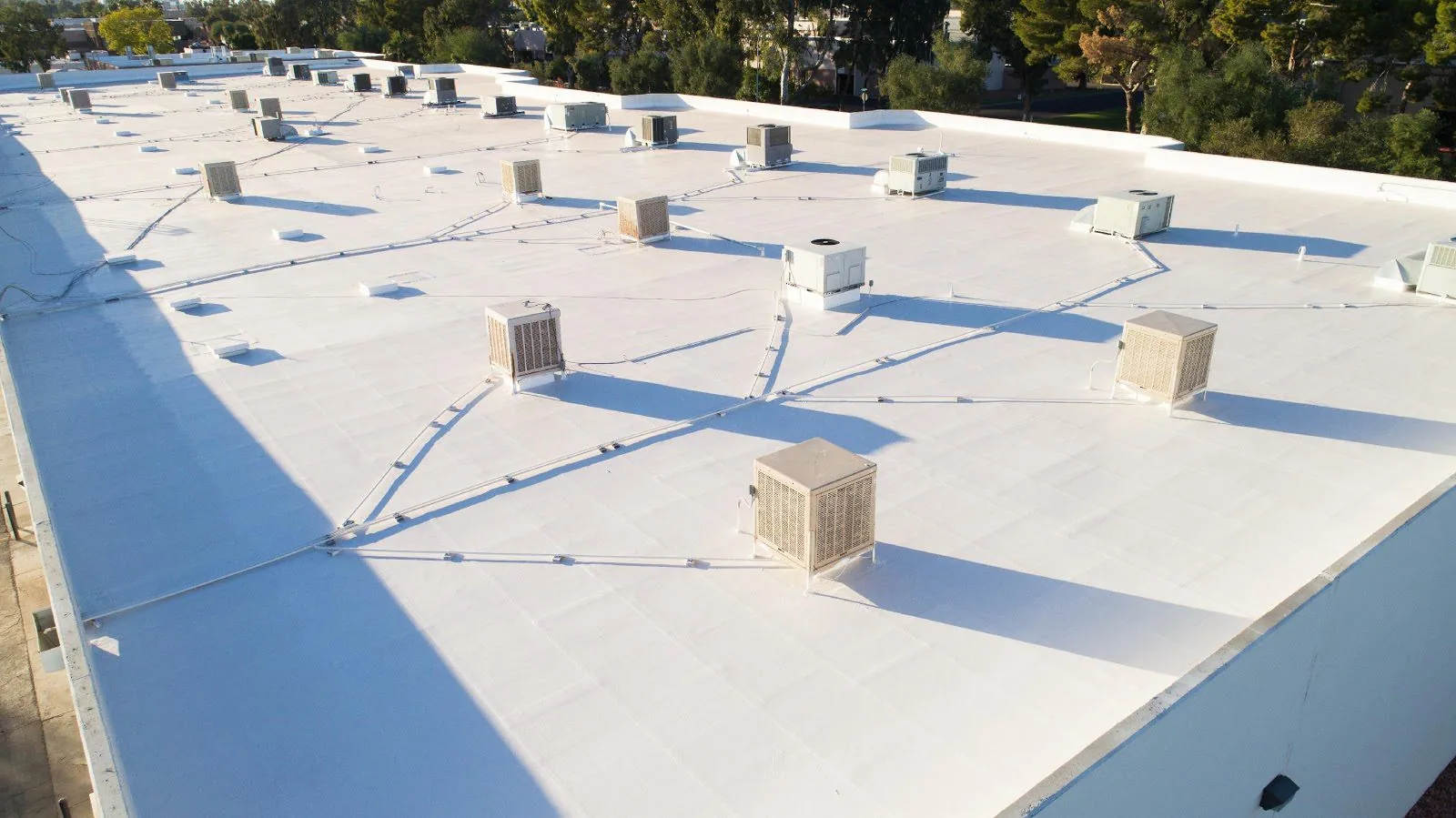
Read the layers at a test point
Built-up roofing combines alternating layers of bitumen and reinforcing plies. A surfacing layer may include aggregate, a cap sheet, or a coating depending on the assembly. We review project records and exposed edges to identify the layer sequence. If that is not enough, a test cut can show the plies, insulation, and deck. The owner approves the test location, and the opening is restored after inspection.
Blisters, ridges, exposed reinforcement, and loose aggregate have different causes. We map each condition and check whether moisture, movement, or adhesion changes the repair decision. A surface flaw is not automatically a leak. A roof inspection includes photos and a location for each observed condition.
Commercial buildings near the 120th Avenue corridor include retail and other uses, but one building's roof history cannot be inferred from its neighbor. We identify the section and roof geometry before assigning a scope.
Check water movement and surfacing
Aggregate protects some BUR surfaces and can be displaced by water, traffic, or weather. We look for bare bitumen, loose stone, open coating, and areas where material has accumulated at a drain. If the roof has a cap sheet, its granules and seams need a different reading from a gravel-surfaced system. The report names the surface that was actually observed.
Westminster snowfall varies across the Denver metro. Snowmelt can make a low point easier to see, but a regional total does not show the slope of this roof. We inspect drains, scuppers, overflows, and water marks, and note whether the outlet is clear. A drain assessment can trace the roof-side path when retained water or overflow is reported.
At a building near Westmoor or in the North I-25 commercial area, equipment service paths may cross a gravel or coated surface. We check for displaced aggregate, worn walk pads, and damage beside curbs. The access pattern can help distinguish routine wear from an isolated event.
Inspect the plies at every transition
BUR flashing continues the waterproofing at walls, curbs, drains, and edges. We inspect the cant or transition where present, flashing height, laps, counterflashing, and surface protection. Cracks or open edges can expose the bitumen. At metal transitions, attachment and membrane termination have to work together. A perimeter inspection can record coping, gutters, and roof edge details.
Hail reports near Westminster in May 2024 provide weather context. They do not prove a roof was struck. We look for a fresh opening, impact damage to exposed metal, or a split in the roof surface, then record each independently. Heat can also affect exposed bitumen and coating. The actual material and condition guide whether repair or additional testing is appropriate.
A property close to Westmoor Technology Park may have office/flex activity and roof equipment. We coordinate access with the building contact and map each flashing transition around the equipment rather than assuming an entire roof area has the same exposure.
Choose between a patch and a new roof
A localized repair may replace a damaged ply, restore a lap, patch flashing, or correct a drain connection. The method depends on the existing bitumen, reinforcement, surfacing, and surrounding condition. We remove loose material, prepare a sound boundary, and identify whether temporary dry-in or permanent work is being proposed.
Widespread ply separation, wet insulation, recurring leaks, or deck damage can point beyond patching. A recover adds another assembly only after moisture, attachment, height, drainage, and code are reviewed. Replacement may include removal, deck repair, new insulation, cover board, membrane, and edge details. The recover review or replacement scope lays out those separate paths.
Modified bitumen also uses asphaltic plies, but it is built as a different system and may use different surfacing and installation details. Compare the existing roof with modified-bitumen roofing only after its layers are confirmed. Coating over BUR is not a repair for wet or separated plies. If the surface and plies are sound, a silicone restoration system may be evaluated for compatibility and adhesion.
Inspect the layers and surface
Share the Westminster roof plan, known BUR layers, leak or ponding area, repair history, and access rules. We will examine surfacing, plies, drains, and flashing, then define the next step the assembly supports.
Plan the work and fire controls
BUR installation may involve asphalt kettles or other hot materials, so access, ventilation, fire watch, material storage, and site restrictions are part of the plan. The approved assembly sets ply count, bitumen, surfacing, attachment, and flashing details. The crew protects nearby equipment and confirms where hot work can occur before mobilizing.
Before covering the deck, the crew checks insulation and substrate conditions. New layers are placed in the specified order with staggered joints and secure flashing transitions. Weather affects handling and adhesion; the daily work zone is limited to what can be closed and protected. If removal exposes damage, work stops there while the owner reviews the finding.
At occupied sites, deliveries and access are coordinated with tenants and building operations. A facility on Westminster's 120th Avenue retail corridor may require material staging away from customer entries. The work plan identifies the safe route and protects the area below from tools and debris.
Keep the roof readable over time
Maintenance checks surface loss, open laps, blisters, exposed plies, flashing, drains, and repair edges. The inspector records roof zone and whether a condition is new or present in earlier photos. A note such as “gravel moved” is more useful when it identifies the area and whether the underlying ply is exposed.
Walk paths and service pads can limit damage where technicians repeatedly cross the roof. They should not cover a defect or obstruct drainage. We review equipment access and debris accumulation with the facility contact. A maintenance schedule can track recurring conditions and assign the next inspection.
If moisture may sit below the plies, targeted testing can help distinguish dry from wet areas. A test cut is restored after inspection and the result is tied to its location. We document the boundary of tested and untested roof sections so later decisions use the same evidence.
Record the BUR condition by section
The report identifies the visible surfacing, plies where confirmed, flashing, drains, repair limits, and any test openings. Photos show the condition before and after work. If a roof assembly remains partly concealed, that uncertainty stays with the record rather than being treated as a finding.
A property near North I-25 or Westmoor should keep roof maps by building and section. Different additions can contain different assemblies and repair histories. Preserve those details with facilities and asset records.
Send the Westminster address, roof plan, past scopes, leak history, and access contact. We will inspect the surface and transitions, identify the layers we can confirm, and outline a repair, test, recover, or replacement scope that matches the roof evidence.
Commercial Roofing Questions
How can you tell how many BUR layers are present?
Exposed edges and records may show the assembly. If they do not, an owner-approved test cut can reveal the layers, insulation, and deck at one location.
Does loose gravel mean a built-up roof is failing?
Not by itself. We check whether the bitumen or reinforcing ply is exposed, inspect nearby drains and traffic paths, and note how much surface protection has moved.
Can a BUR blister be repaired?
A local correction is possible when the plies and substrate around it are suitable. We determine whether moisture or separation extends beyond the visible blister before setting the repair boundary.
Can you coat over a built-up roof?
Only after checking surface compatibility, moisture, adhesion, and the condition of the plies. A coating cannot correct a wet or separated assembly.
When does BUR need full replacement?
Widespread ply failure, moisture, recurring leaks, or damaged deck can support replacement. We inspect the assembly and compare repair, recover, and removal options.
Related Roofing Work
Commercial Roof Inspection
Read more
West 120th Avenue Corridor
Read more
Commercial Roof Drains and Scuppers
Read more
Commercial Roof Edge Metal, Coping and Gutters
Read more
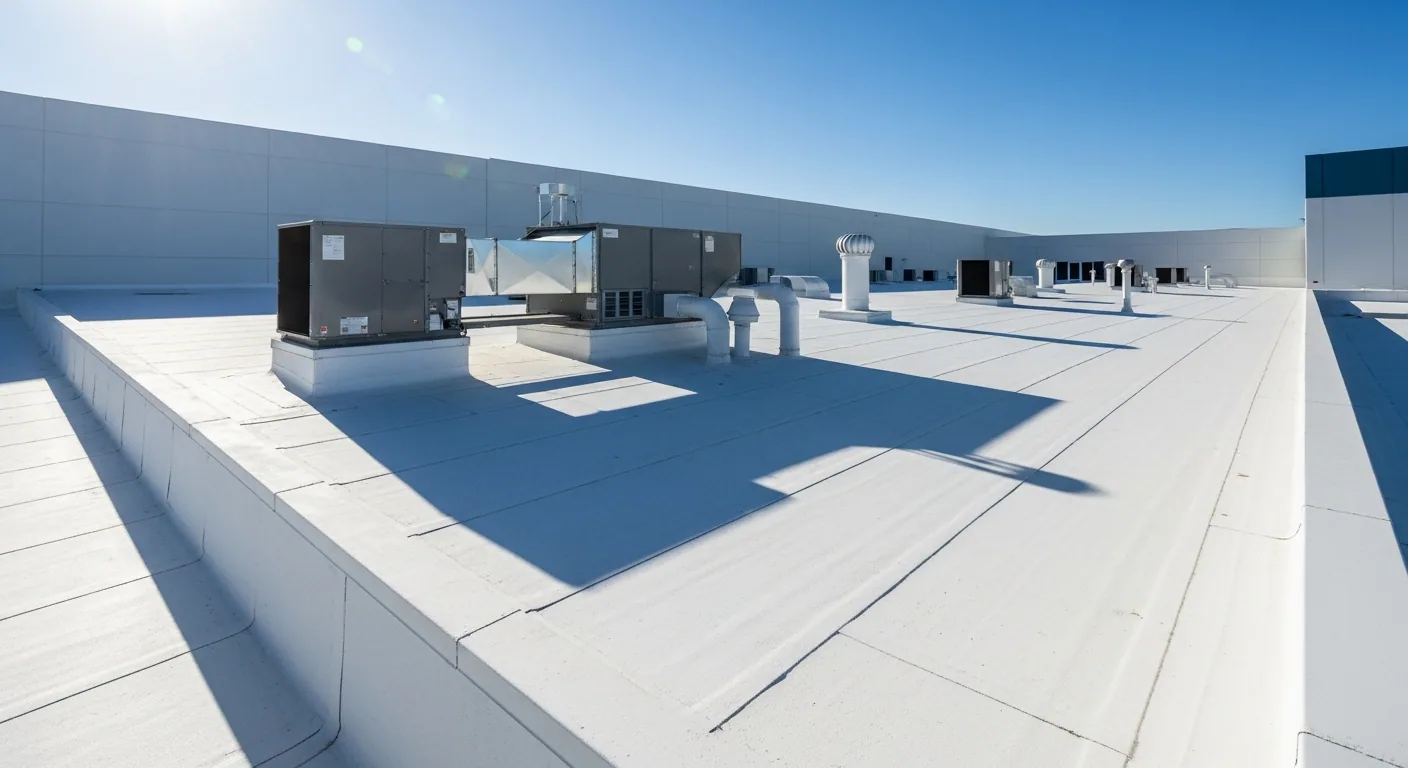
More Roof Systems in Westminster
See the rest of our roof systems for Westminster commercial buildings, or call 555-555-5555 to talk through your roof.
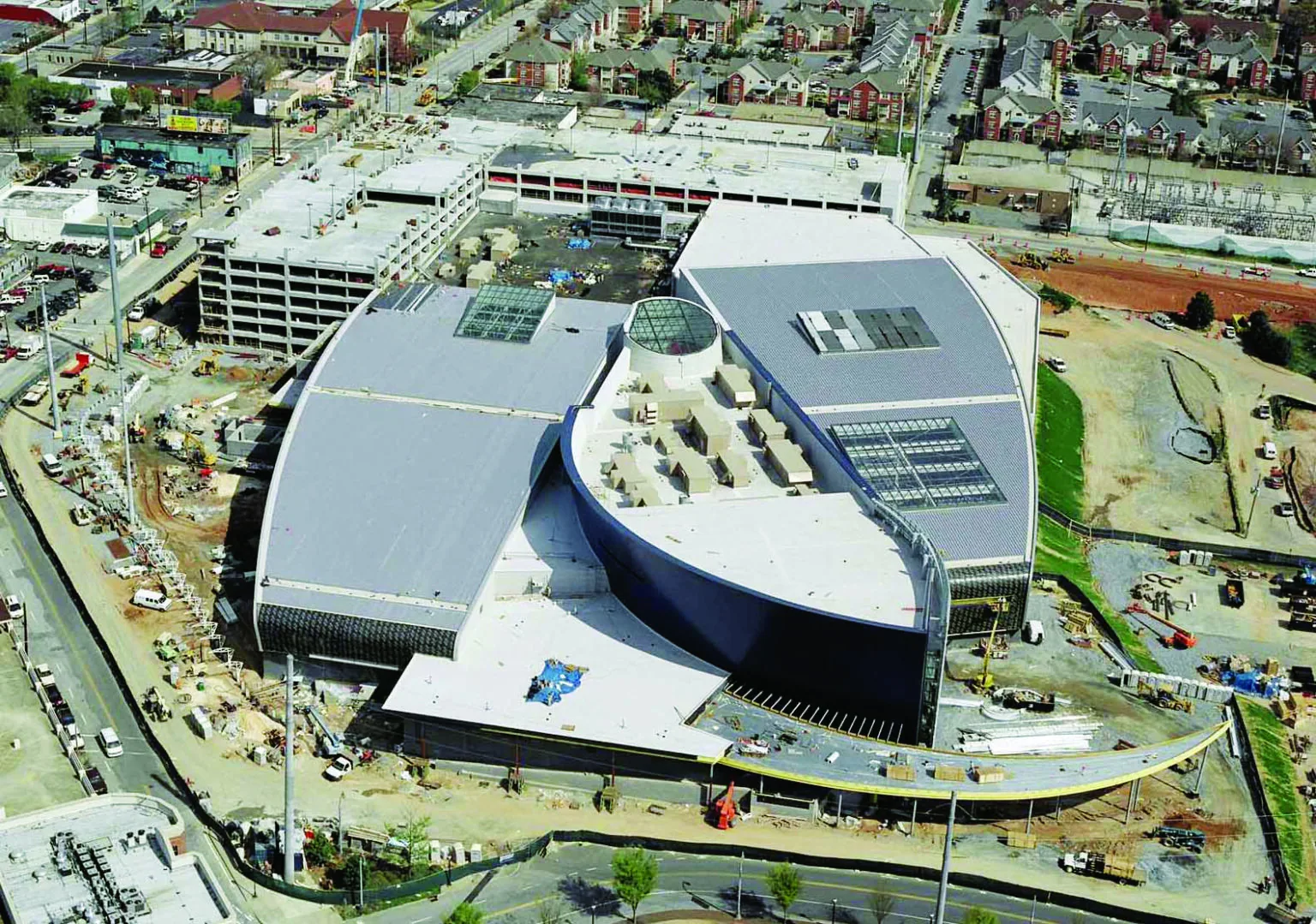
Commercial Built-Up Roofing
Talk to Commercial Roofing Westminster
Call 555-555-5555 or send a request and we will schedule a visit to look at the roof, explain what we find and lay out your options.