Manufacturing Plant Roofing in Westminster, CO
Plan Westminster manufacturing roof repairs around production, exhaust, drainage, and access. Inspect seams and penetrations before setting a shutdown window.
Manufacturing Plant Roofing
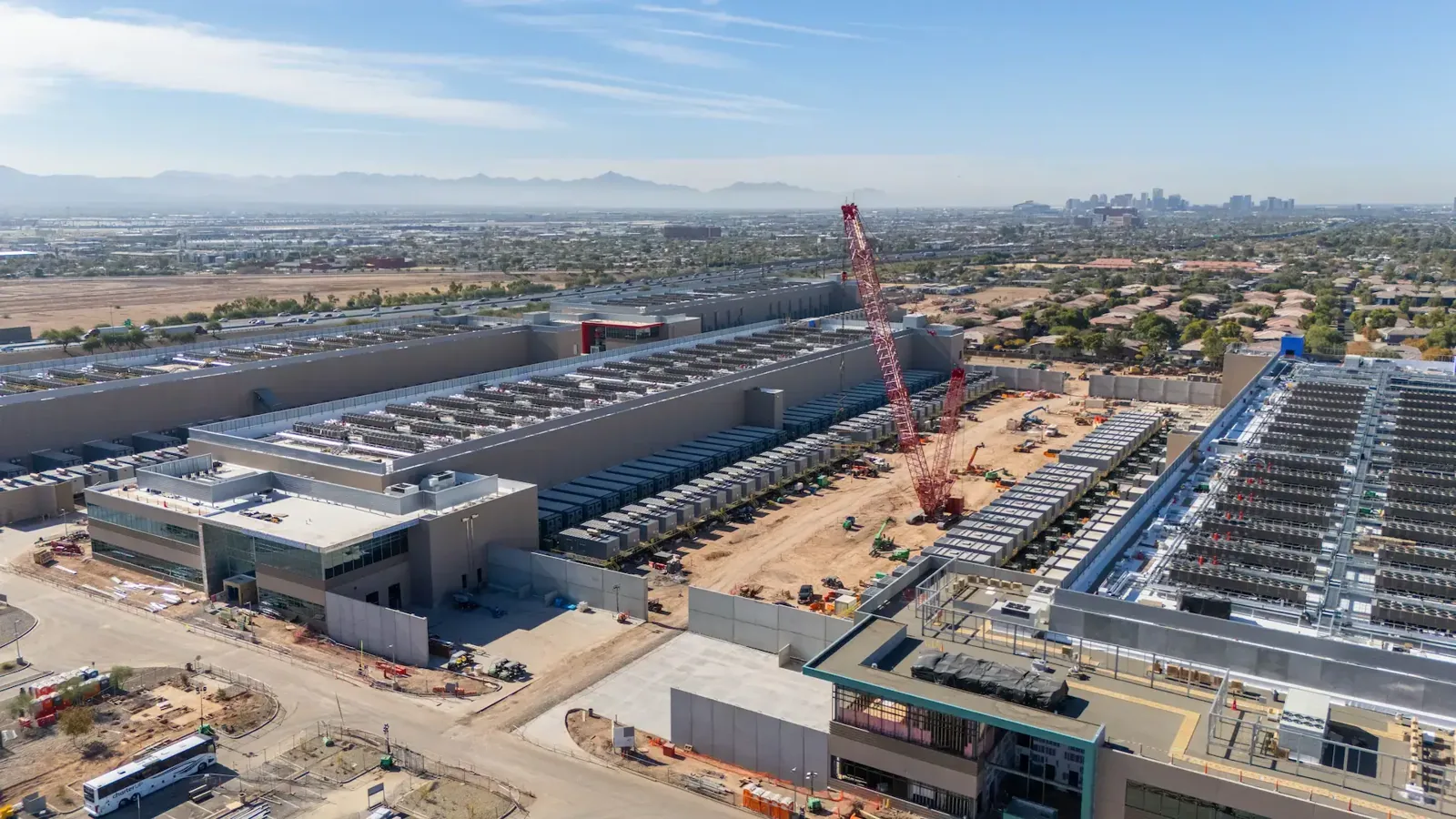
After hail crosses Westminster, a manufacturing roof needs a walk that separates impact evidence from ordinary wear. Start with the membrane around exhaust, process piping, skylights, and roof edges. A mark near a production bay matters only when it is tied to the roof assembly and the area below. We document each condition, protect the operating line, and set a repair boundary from what the inspection can confirm.

Map the roof to the process below
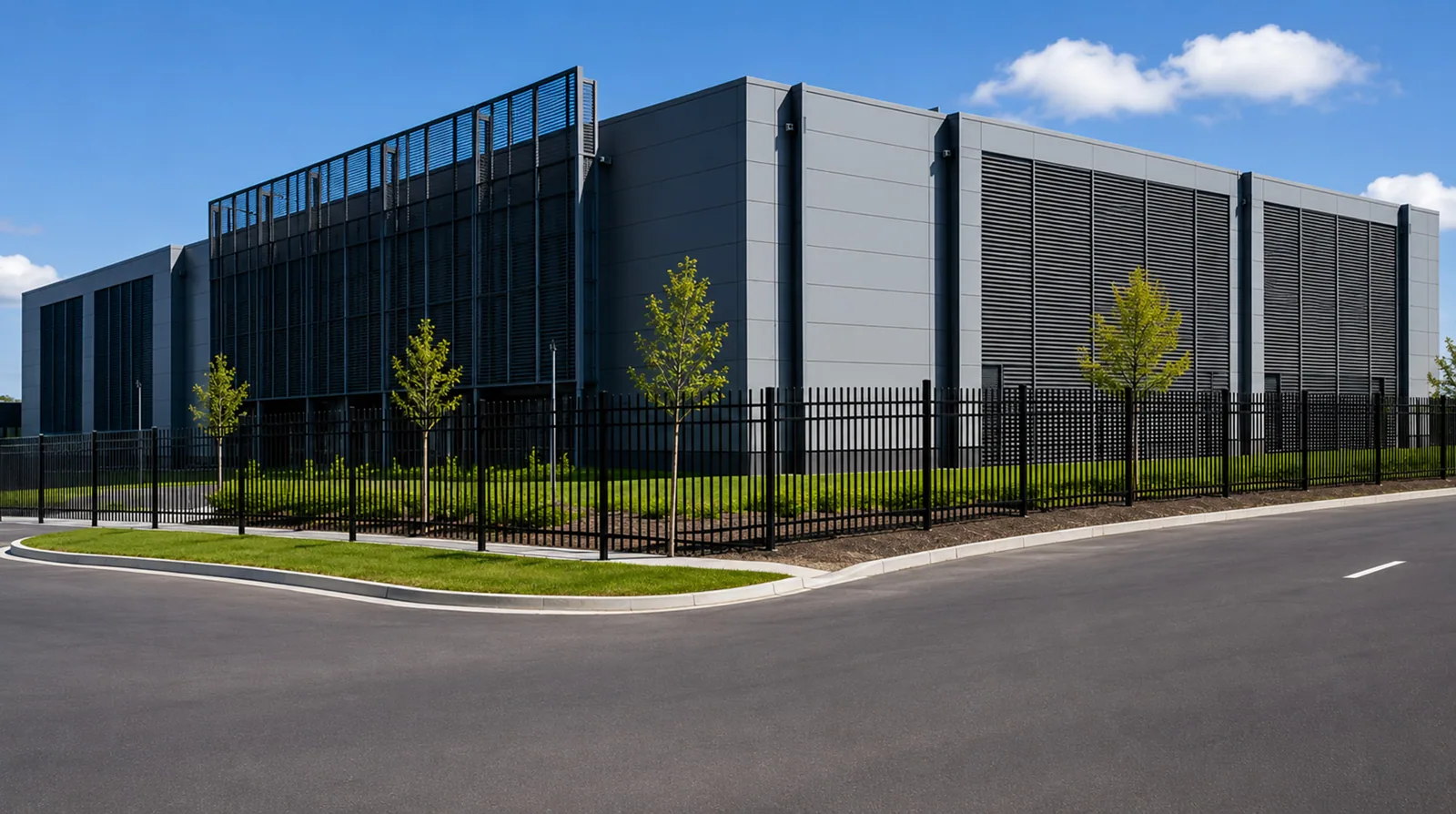
Manufacturing roofs often carry more than a membrane. Exhaust stacks, make-up air units, process lines, electrical runs, and service platforms create penetrations and traffic paths. We compare those roof features with the production map before selecting a repair point. A water report near a machine may trace along a deck flute, insulation joint, or framing member. It does not identify the entry by itself.
We label roof zones by grid, bay, or another reference the facility already uses. Then the report connects each photo with the corresponding interior space, equipment, and access restriction. For a nearby Westmoor Technology Park property, office and flex functions may share a site with production or service areas. Each roof still needs its own assembly map.
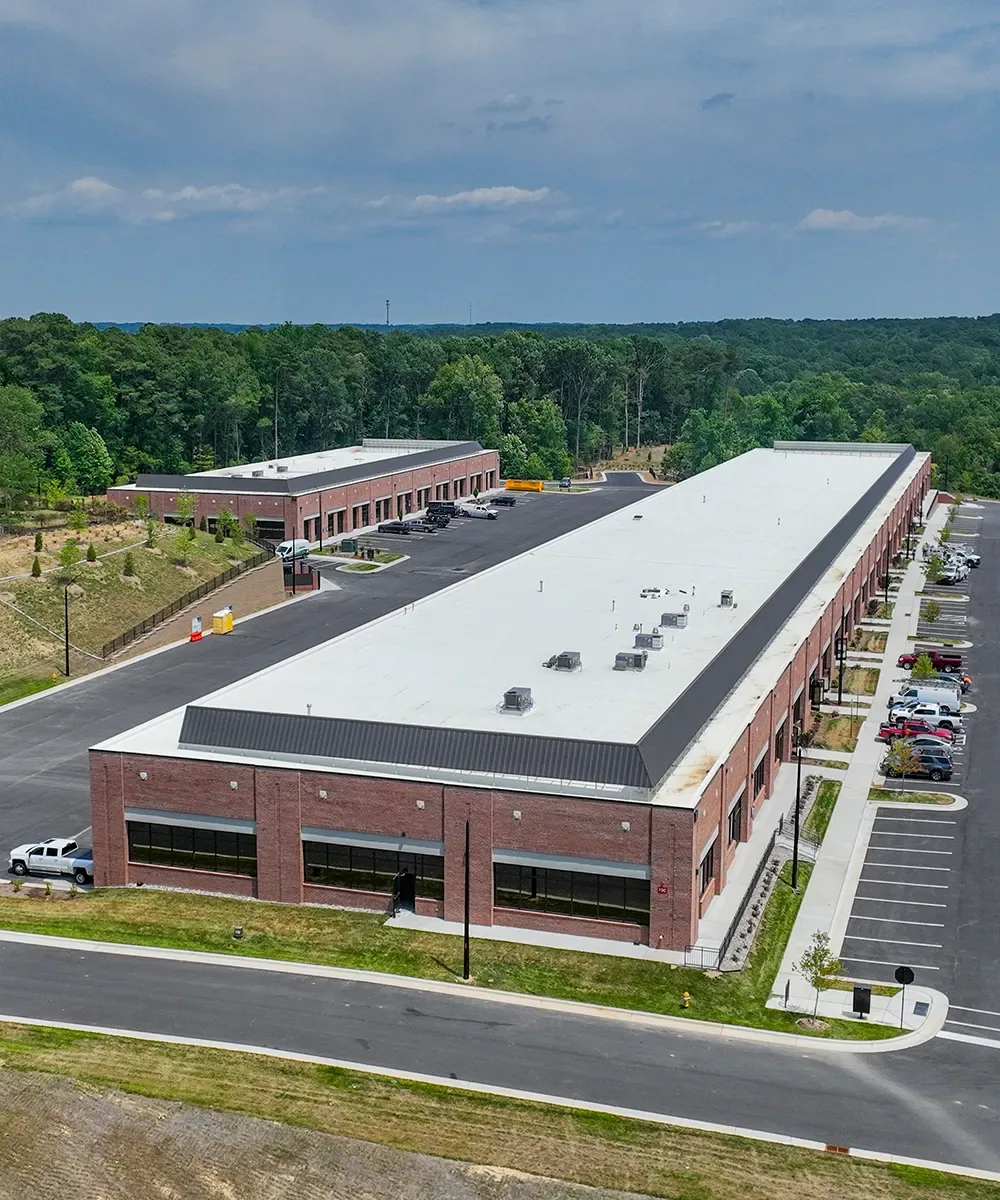
A flex industrial roof review helps when office, light production, and storage functions occupy different bays. A warehouse roof inspection gives a different emphasis to inventory, dock exposure, and broad storage areas. The use below helps set priorities, but the roof detail determines the repair.
Read storm and winter clues separately
Westminster receives hail, snow, wind, heat, and winter weather. On May 30, 2024, hail was reported near the city, with roof damage documented elsewhere across the northern Denver metro. That history makes a post-storm inspection reasonable. It does not show that a particular plant was struck. For manufacturing plant roofs, coordinate access around the occupied space below the repair; leave structural questions to the project design professional. A hail damage review can separate surface marks from punctures or open details. A snow and ice inspection traces water entry after melt and checks whether drainage paths stayed open.
Heat and daily equipment exhaust can affect sealants and flashing near penetrations. We note the exact detail, nearby service traffic, and any change in the membrane before recommending work. A commercial roof inspection records what is visible and identifies where a closer test is justified.
Protect the production window
Roof work above a running process needs a stop line before the membrane is opened. We ask which operations cannot pause, whether overhead work needs a lockout, and where dust, odor, noise, or dropped material could affect a product or control system. The facility sets its own safety rules. Our work plan names the roof zone, staging area, access route, protection below, and end-of-shift closure.
A repair can often be divided by roof bay. That keeps the exposed area limited and gives the superintendent a clear point to dry-in before weather changes. Where a production sequence cannot tolerate vibration or fumes, the schedule may need a defined shutdown or an alternate repair method. We explain the tradeoff before mobilization instead of discovering it at the opening.
Businesses in Westminster's technology and manufacturing economy may have sensitive hardware, test areas, or continuous processes. That local industry context is a reason to coordinate carefully, not evidence about any one facility. The owner identifies restricted rooms and sensitive equipment; we translate those constraints into a roof access and protection plan.
Inspect the details that interrupt the field
Leaks commonly begin where the membrane changes direction or meets another material. We inspect seams, pipe supports, curbs, exhaust stacks, pitch pans, drains, skylights, and edge metal. On a mechanically busy roof, service workers can leave scuffs, displaced walk pads, or a cut near a unit. We record the condition before deciding whether it needs a patch, flashing rebuild, or follow-up observation.
If moisture is suspected below the membrane, a moisture survey can help identify areas for verification. The survey is a diagnostic step, not a replacement for confirming the assembly and opening conditions. If a leak follows a seam or curb, a seam work or flashing work can be scoped to the observed boundary.
We also check where roof drainage crosses walk routes or sits beside process equipment. Debris removal, drain correction, and membrane repair are distinct tasks. The report states which one is recommended and what condition would change the scope.
Set the inspection around production
Share the Westminster facility location, roof plan, affected process bay, recent weather or leak timing, restricted operations, and roof access rules. We will map the condition and document the next step.
Choose the scope from verified conditions
A localized puncture, open lap, or failed penetration can be repaired without replacing sound roof area. The selected material must be compatible with the existing membrane and attachment. We define the tie-in, identify any wet insulation found, and note what could not be seen without opening the roof. A localized repair should leave a traceable boundary and photos for the maintenance record.
Repeated leaks, widespread wet insulation, brittle details, or an assembly near its service limit may justify a larger review. A recover review checks moisture, attachment, roof height, drainage, and code before another layer is considered. For full replacement, the scope can address removal, insulation, cover board, membrane, edge work, drains, and sequencing around the production calendar.
Westminster currently uses the 2021 building and energy code editions. The permit path depends on the project scope. We identify the proposed assembly and coordinate the required review, while checking what records are available for the existing roof.
Keep repair history tied to roof zones
A manufacturing roof changes as equipment is added, moved, or serviced. The maintenance record should show the roof zone, detail type, repair material, photos, and any equipment work that followed. This makes the next inspection more useful: the crew can compare the same seam, curb, or drain rather than repeat a general walk with no history.
A planned maintenance visit can clear drains, check flashings, inspect exposed seams, and note traffic damage before water reaches production space. Visits can align with seasonal melt, known equipment access, and the facility's outage calendar. A written condition summary gives ownership a concise record of urgent work, capital items, and unresolved observations.
When several Westminster facilities share an owner, retain separate maps and repair logs for each roof. The 120th Avenue corridor and U.S. 36 area have different sites and access patterns. A corridor name helps orient a service call; it never substitutes for the building plan.
A plant roof walk should account for exhaust, process piping, crane paths, and scheduled shutdowns. Confirm the safe route with operations before moving around equipment. For repairs above active production, identify how the opening will be protected during each shift and record any work that must wait for a controlled outage.
Commercial Roofing Questions
Can you repair above an active production line?
Often. We set the roof work zone, protection below, access route, and closure point with the facility contact. A process that cannot tolerate overhead work may require a timed shutdown.
Does a nearby hail report mean the plant roof was damaged?
No. The report sets a reason to inspect. We document impact marks and any functional damage at the building before defining repair work.
How do you find a leak around process equipment?
We compare the interior report with seams, curbs, exhausts, supports, and drainage above it. Water can travel, so the drip location is only the starting point.
When should we consider replacing instead of patching?
Repeated failures, broad wet areas, or multiple deteriorated details can support a larger scope. We map those findings and explain what testing or opening would confirm them.
What details help schedule the inspection?
Send a roof plan, affected production bay, process restrictions, access rules, leak timing, and any recent equipment work. We use them to plan a safe, focused visit.
Related Roofing Work
Westmoor Technology Park
Read more
Flex Industrial Roofing
Read more
Commercial Warehouse Roofing
Read more
Commercial Hail Damage Roof Repair
Read more
More Property Types We Roof in Westminster
See the rest of our property types we roof for Westminster commercial buildings, or call 555-555-5555 to talk through your roof.
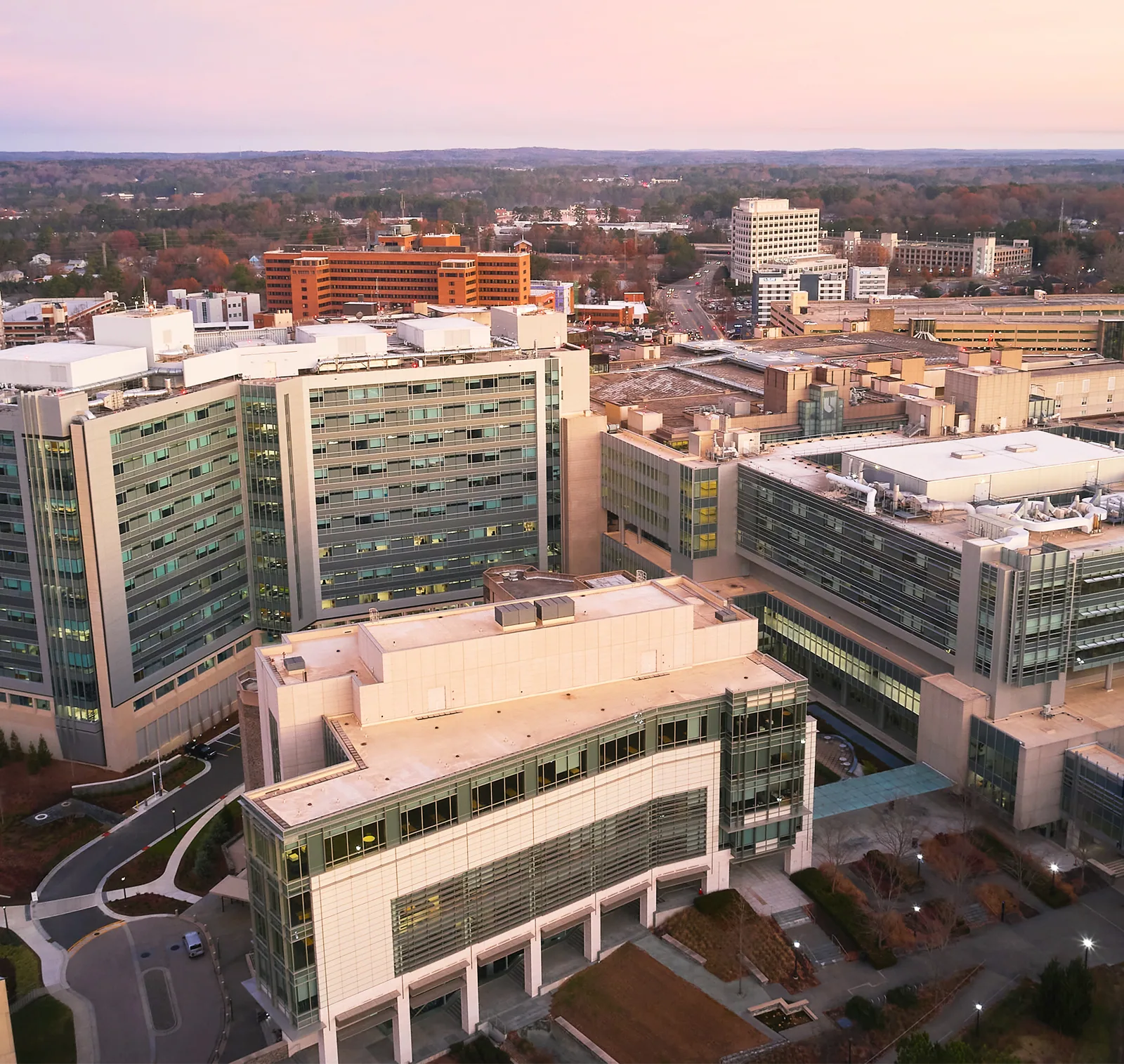
Manufacturing Plant Roofing
Talk to Commercial Roofing Westminster
Call 555-555-5555 or send a request and we will schedule a visit to look at the roof, explain what we find and lay out your options.