
Commercial Roofing for Logistics and 3PL Facilities in Westminster, CO
Keep Westminster logistics roofs serviceable with drainage checks, leak response, repair records, and phased work around truck and dock operations.
Logistics and 3PL Facilities
After snowmelt, check the roof outlets before a blocked drain becomes a warehouse interruption. Snowmelt inspection starts at each facility's actual low points, drains, and overflow route. The 5280 Logistics Park plan includes truck courts, trailer parking, and a snow-removal canopy; 76 Commerce Center is a large industrial park on the I-76 corridor. Those site facts help frame logistics operations, not roof area or system condition. Begin with an inspection of the actual building.
Protect dock flow while the roof is open
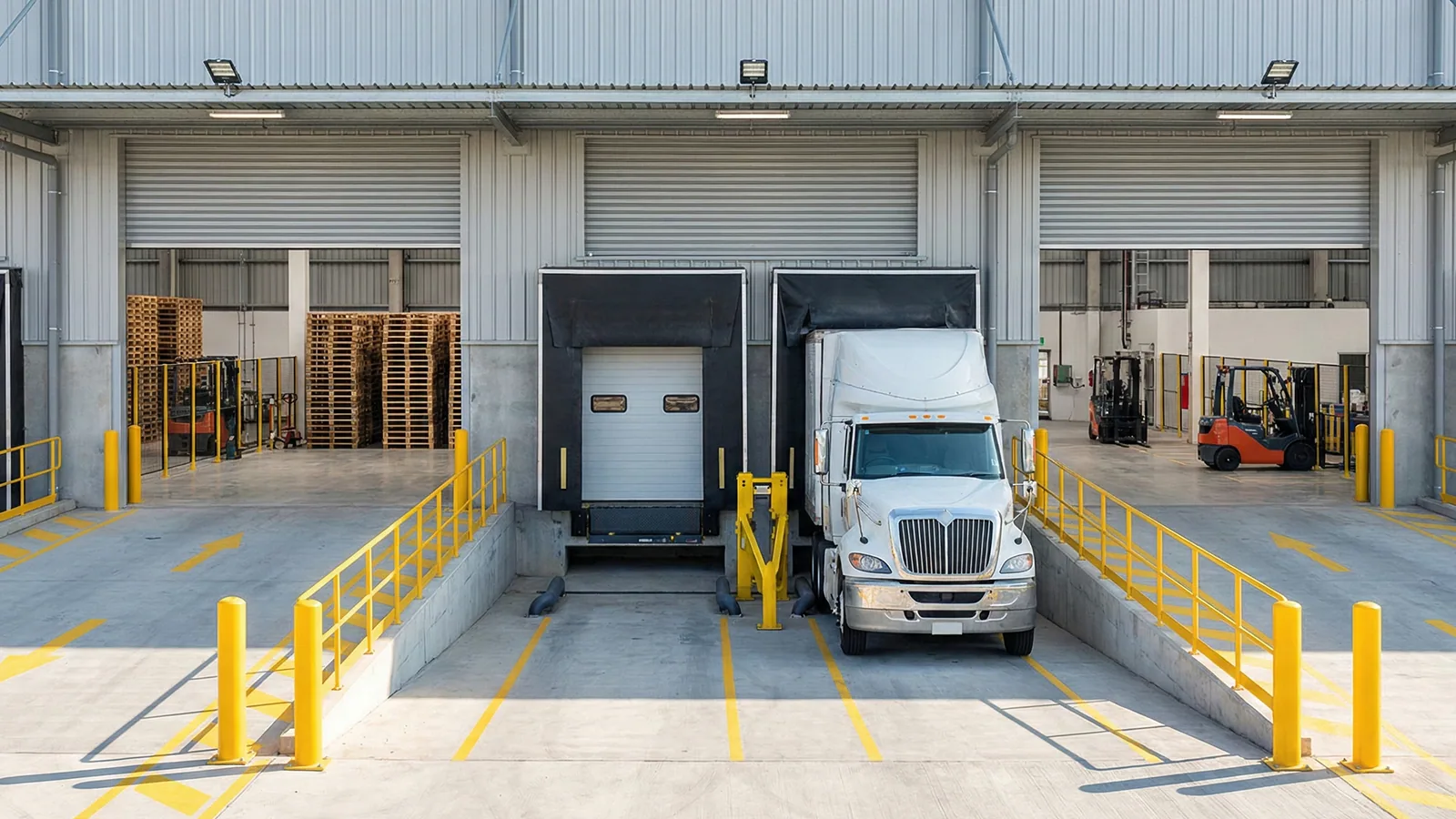
Truck arrivals, dock schedules, trailer staging, and access to emergency lanes can shape a roofing sequence. The facility identifies busy windows, dock doors that cannot close, and where materials may be staged. Mark each active roof zone and the route crews will use. A daily plan should include the time a roof opening is closed and the dock or aisle returned to service.
The 5280 Logistics Park site plan shows direct access to I-25 and E-470, truck courts, trailer parking, and a canopy for snow removal. Those features make truck circulation, lift placement, and waste removal part of the roof-access plan. Keep yard movements, lift placement, and waste removal on the site plan before mobilization.
A phased warehouse reroof can divide a large facility into work zones. It should identify dock-side limits, temporary dry-in, material handling, and the contact who confirms each shift's closure. If a lane or door cannot be restricted, select another work area or schedule another window.
Check outlets after snow and heavy weather
For logistics facilities, note whether standing water clears before closing the work order; record who owns the next inspection or repair step. For each warehouse, inspect the roof's own low points, drains, and overflow route after snowmelt. After melt, inspect primary drains, scuppers, overflow routes, low areas, and parapets. Record debris, standing water, and whether a water path reaches an interior report.
At a rear-load warehouse such as the planned Building 2 at 5280 Logistics Park, the site plan identifies circulation and trailer areas. A roof inspection remains a separate field task. Note the actual roof slope, outlet arrangement, and safe access point rather than inferring the assembly from the building's logistics use.
Wind, hail, and thunderstorms can also affect edge metal, skylights, seams, and rooftop equipment. The May 2024 northern-metro storm brought documented roof damage in Broomfield, Thornton, and Northglenn, a reason to schedule checks at exposed facilities. Inspect only the property in question, photograph observed changes, and compare them with prior records. A drain and scupper service can address a specific outlet issue without turning it into an unsupported full-roof conclusion.
Trace leaks to a defined repair boundary
A drip near a loading lane can damage packaging or interrupt work, but the interior location may not match the roof defect. Record the time, weather, affected inventory, and nearby equipment. Compare the report with the roof plan, seams, penetrations, curbs, drains, and previous repairs. Protect stock and electrical equipment while the roof condition is checked.
A leak investigation should state what was seen, what was repaired, and which areas remain untested. Temporary dry-in can keep an operation moving while a permanent repair is scoped. The work order names the bay, door, aisle, or roof zone and the person who authorizes a closure if conditions change.
For a roof with multiple active reports, compare each leak path instead of assuming a single failure explains them all. Moisture testing can help locate wet insulation when the assembly and access permit it. The report should identify the test area and its limits. Keep unconfirmed areas outside the repair quantity until the owner approves further inspection.
Record roof zones and rooftop equipment
Warehouse roofs can carry exhausts, HVAC units, vents, skylights, and future solar or communications equipment. Document each curb, penetration, support, and service route. A trade that moves equipment can disturb flashing or create an unsealed opening. The roofing and facility teams should agree on the closure plan before work begins and update the roof map after the change.
A commercial roof inspection can identify membrane seams, metal fasteners, perimeter details, previous patches, and drainage points. Use stable labels for building and roof zone so the next visit can compare the same detail. If a section cannot be reached because of height, equipment, or site restrictions, note it as uninspected.
Access planning should cover fall protection, ladders, lifts, escort, and delivery routes. The logistics manager identifies security rules and staging boundaries. A roof inspection should not block the yard or interfere with a scheduled movement without approval from the site contact.
Plan roof service around logistics flow
Provide the roof plan, leak or storm history, dock schedule, access rules, and facility contact. We will document the affected zone, work limits, and next operating window.
Set capital work against operating needs
A localized puncture, open seam, or loose edge may be repairable if surrounding materials remain sound. Repeated leaks, widespread moisture, or multiple worn sections may justify testing and renewal planning. Recommendations should distinguish immediate protection from permanent work and list any concealed condition that could change the scope.
Replacement quantities come from measured roof areas, transitions, and curbs, not the building's reported gross area. Building 2 at 5280 Logistics Park is listed at 121,640 square feet; plan a roof survey from measured roof sections rather than the building-area figure. At 76 Commerce Center, the park is described as a distribution hub; no sitewide roof quantity follows from that description. A capital plan can retain these distinctions while comparing repair timing and operational impact.
Westminster enforces the 2021 International Building Code and Energy Conservation Code. The actual property's jurisdiction and procurement documents determine the review. A replacement scope should show work zones, dock access, temporary closure, debris paths, and return-to-service requirements alongside assembly details.
Keep the facility file ready for dispatch
Store a roof map, system data, leak history, maintenance photos, access rules, and after-hours contacts with the facility record. Tie every service request to a specific building and roof zone. A closeout should include the date, observed condition, material installed, temporary protection, and remaining action. Keep routine maintenance separate from storm response and capital replacement.
A multi-site operator can coordinate locations through a property management roof register and keep production or storage interfaces with its manufacturing facility program. Each property's drains, system type, access, and work calendar still need individual review.
For an urgent report outside normal operating hours, a call should identify the affected building, water source if known, stock or equipment at risk, and the person who can authorize entry. That information helps define a safe response without promising a permanent fix before inspection. Confirm whether the affected load can be moved and who will inspect the area below after temporary protection is installed. Keep dispatch, safety, and facilities contacts aligned on the reopening status.
Commercial Roofing Questions
Can roof work stay out of the dock schedule?
The site contact sets dock windows and vehicle routes. A phased plan can restrict one zone at a time and identify when lanes or doors return to service.
Does a snow-removal canopy mean the warehouse roof needs snow removal?
No. A canopy shown on a site plan is a separate site feature. Roof snow and drainage decisions require observations of the building itself and safe access.
What should a distribution-center leak ticket include?
Name the building, bay or aisle, time, recent weather, affected inventory, and access contact. Those details help target inspection and protection.
How do you estimate a logistics roof replacement?
Use roof drawings and field measurements for each section. Gross building area, truck court size, and trailer parking do not establish roof quantities.
Can you respond after hours?
Our emergency line remains open overnight, on weekends, and during holidays. The site still needs to identify safe access, an authorized contact, and the affected operating area.
Related Roofing Work
5280 Logistics Park, Thornton
Read more
Occupied Commercial Building Reroofing
Read more
Commercial Roof Drains and Scuppers
Read more
Commercial Roof Leak Repair
Read more
More Industries We Serve in Westminster
See the rest of our industries we serve for Westminster commercial buildings, or call 555-555-5555 to talk through your roof.
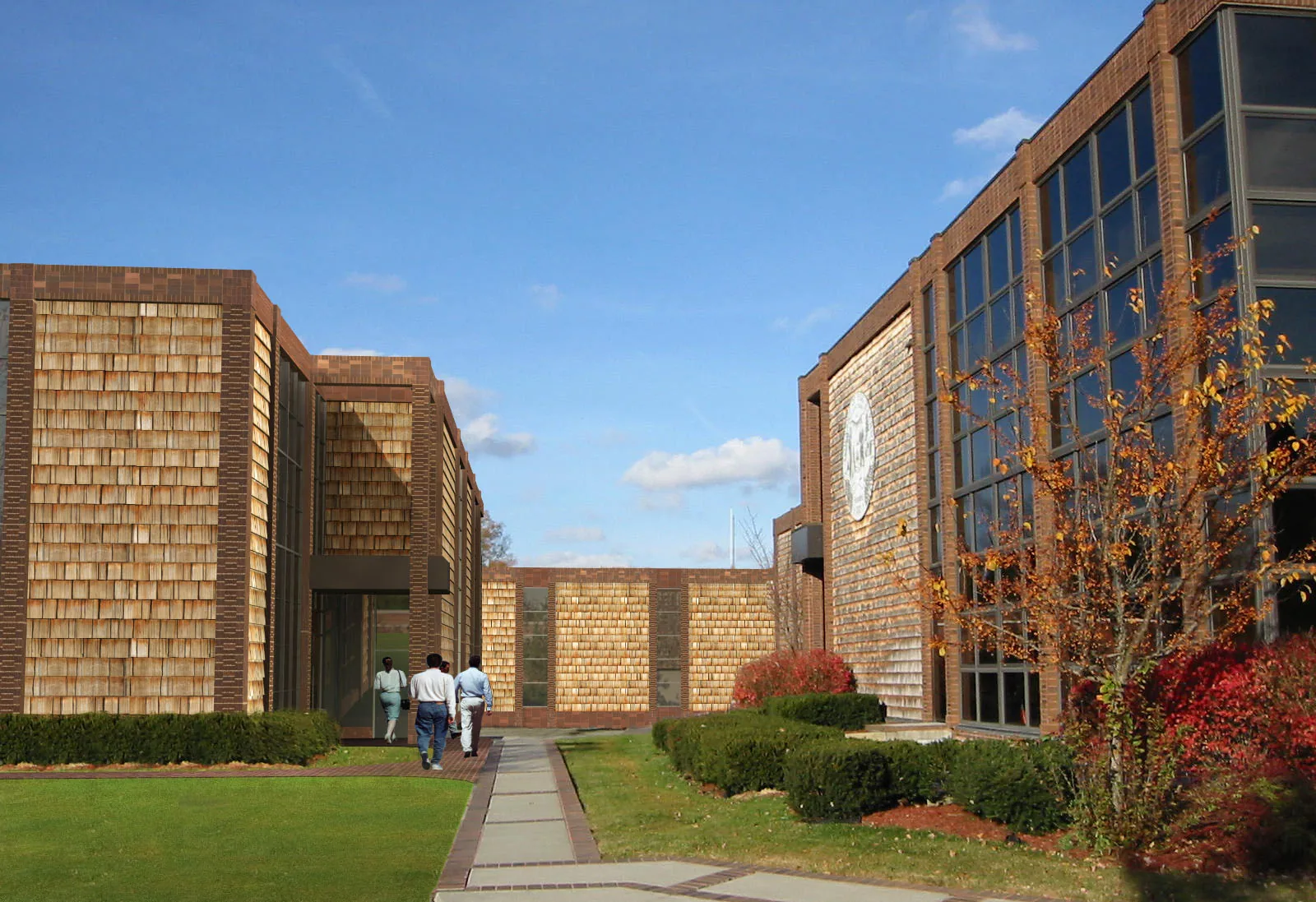
Logistics and 3PL Facilities
Talk to Commercial Roofing Westminster
Call 555-555-5555 or send a request and we will schedule a visit to look at the roof, explain what we find and lay out your options.