
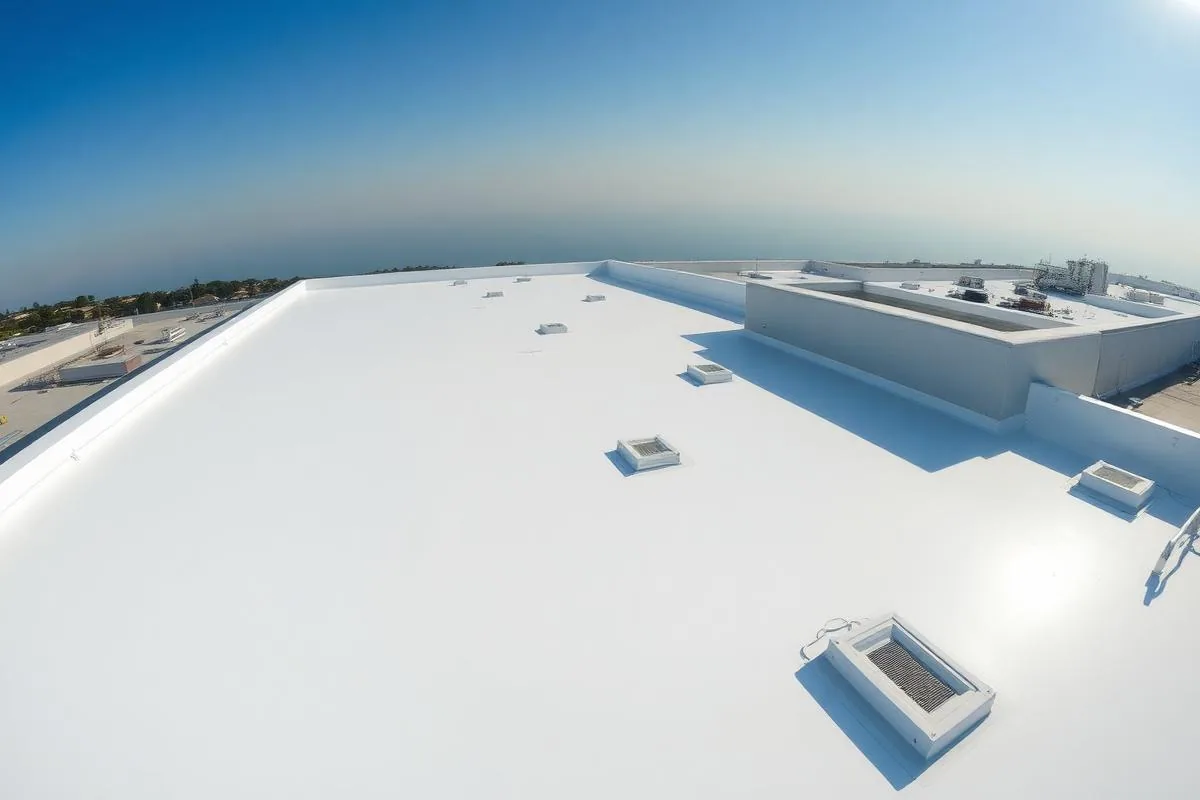
Commercial Modified Bitumen Roofing in Westminster, CO
Inspect Westminster modified-bitumen roofs for laps, blisters, flashing, and drainage. Compare targeted repair with a recover or replacement scope.
Commercial Modified Bitumen Roofing
After a hail or snow event, look closely at seams, flashings, and the mineral-surfaced field before calling a modified-bitumen roof damaged. These roofs use asphaltic sheets reinforced and modified for flexibility and layered protection. Westminster's weather shifts between hail, heat, wind, and snow. A local event prompts an inspection, while the roof's actual laps, blisters, and penetrations determine what to repair.
Identify the assembly and surfacing
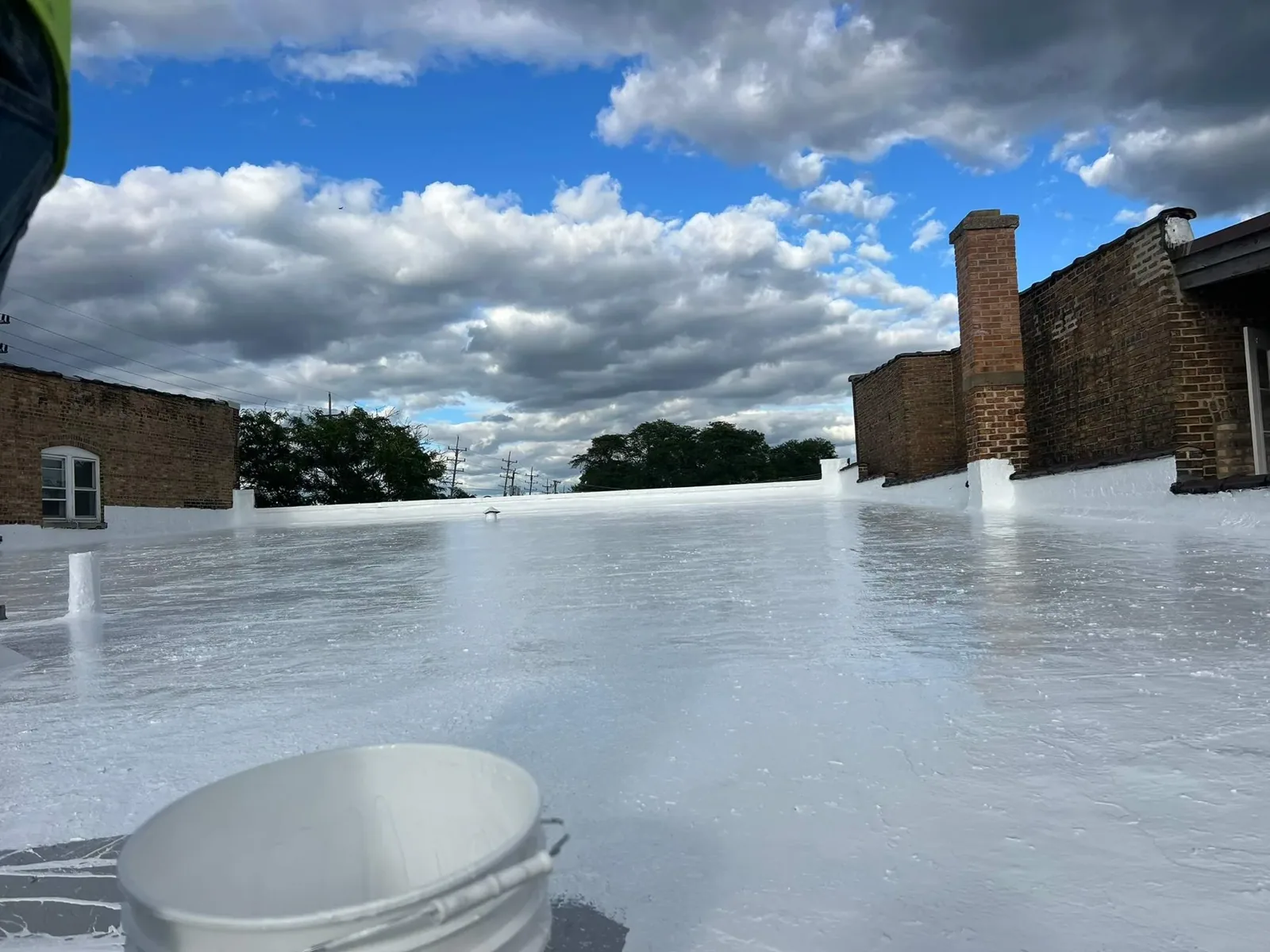
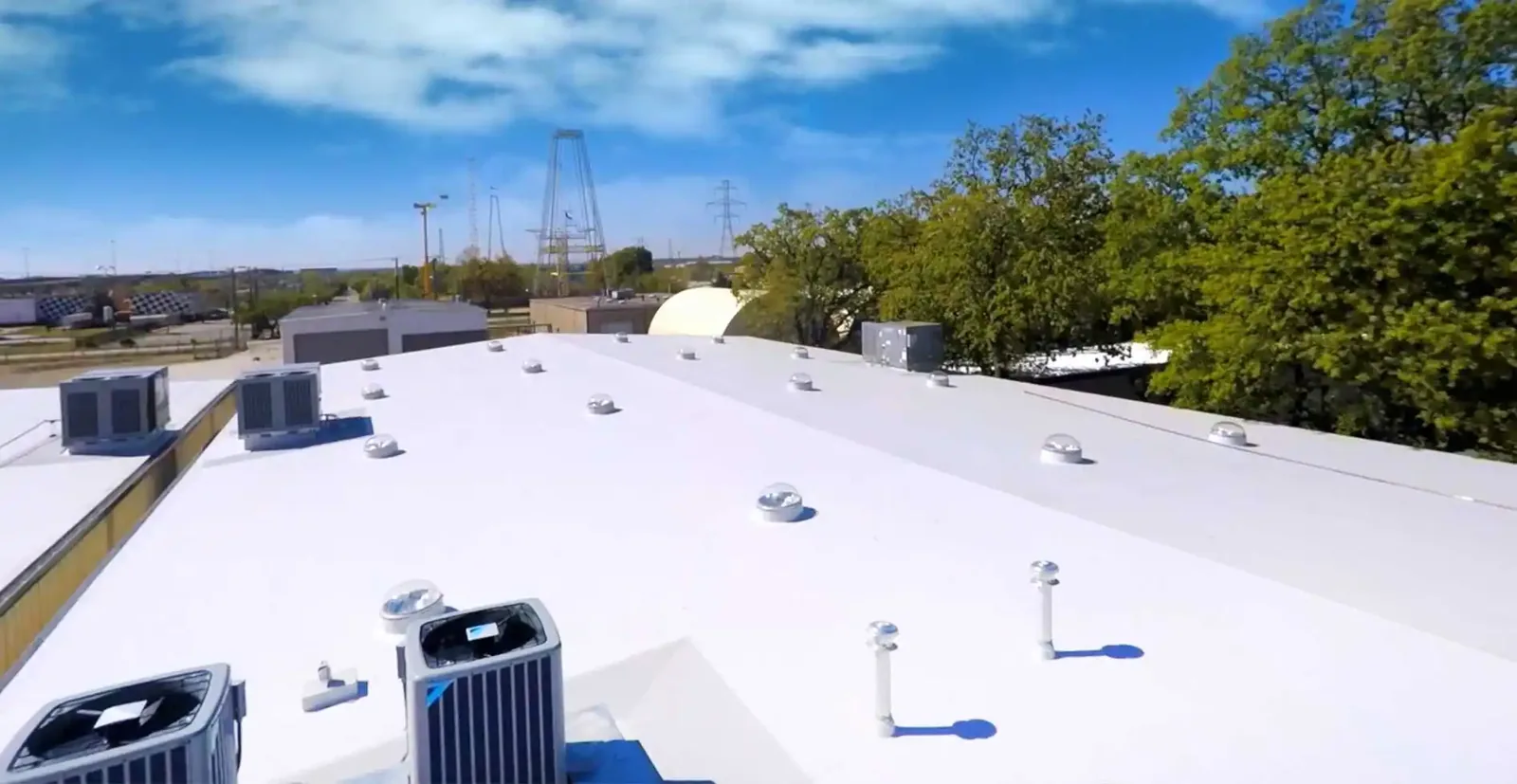
Modified bitumen may be installed in one or more plies, with a cap sheet and surface treatment selected for the assembly. SBS and APP products behave differently during installation and service. We review project records, exposed edges, and repair details to identify the likely system. If the product cannot be confirmed from visible evidence, the report says so.
Mineral granules, coatings, or a smooth cap surface protect the membrane, but surface wear has to be read with the underlying sheet. Loose granules alone do not prove a leak. We inspect for exposed reinforcement, splits, open laps, blistering, and soft areas. A roof inspection maps these conditions by section and ties them to any interior water report.
Properties near Westmoor Technology Park may have roof sections with separate additions or repairs. We note changes in layer count, surfacing, and transitions rather than treating one visible area as the whole assembly.
Inspect laps, curbs, and edges
Modified-bitumen laps can be torched, adhered, or installed with another approved method. We inspect the lap for separation, fishmouths, cold areas, excessive asphalt, and poor tie-ins. At a curb, wall, or drain, the flashing must continue the waterproofing layer and terminate securely. A surface patch does not correct a failed counterflashing or wet insulation below.
At drains and scuppers, check how the membrane meets the bowl, clamping ring, sleeve, and overflow. Snowmelt inspection should follow each roof's low points, strainers, and overflow routes; Denver-metro snowfall varies by location. We record this roof's outlet path and actual water marks.
Perimeter metal, parapet cap, and membrane edge details work together.
Separate a storm mark from a breach
The May 2024 hail report near Westminster is a practical reason to check exposed modified-bitumen surfaces and flashings. The roof walk should record any impact mark on the cap sheet, exposed equipment, or metal details. We look for cuts, fractured surfacing, impact marks, open laps, and damage to metal or nearby equipment. Wind can loosen edges, while heat can affect exposed asphalt and surface coating. The report records each finding instead of assigning one cause to every mark.
Freeze-thaw and snowmelt can expose weak transitions and retain water around drains. A temporary dry-in may be appropriate for an active opening, followed by a compatible permanent repair when the substrate is ready. If a larger storm scope is needed, we separate new conditions from prior repairs and wear.
A building along the 120th Avenue corridor may have active retail or loading below the roof. We coordinate access and debris control with the property contact, then record any area where tenant scheduling limits the repair window.
Select a repair method that fits the ply
A localized repair may use compatible modified-bitumen sheet, reinforcement, asphalt, or approved cold-applied materials, depending on the existing system. Preparation removes loose surfacing and exposes a sound tie-in area. We define the repair limit and note whether the work is temporary or permanent. A patch is not placed over an unidentified wet area without discussing the test or removal needed.
Repeated lap failures, extensive blistering, open flashings, or wet insulation can shift the decision to replacement or recover. A recover evaluation checks moisture, attachment, deck, thickness, drainage, and code. A replacement scope compares removal, insulation, cover board, new plies, and edge details.
Built-up roofing also uses multiple asphaltic plies but has a different assembly and surfacing approach. Compare the observed roof with a built-up system or a single-ply membrane only after the existing layers and project needs are confirmed.
Review the plies and details
Share the Westminster roof plan, known system layers, repair history, interior leak location, and access information. We will inspect laps, flashings, drainage, and surfacing, then set a repair boundary or broader renewal scope.
Control heat, substrate, and sequence
Installation requirements differ for torch-applied and cold-applied products. Hot-work rules, fire watch, substrate moisture, temperature, ventilation, and access all shape the plan. The crew protects nearby equipment and combustible materials. The project documents the approved method, safety controls, and any area where torch work is not allowed.
Before new plies go down, the deck and insulation are checked, and the substrate is prepared to receive the assembly. Side and end laps follow the system detail. Penetrations, drains, and edges are completed as part of the roof field, not postponed until after the main area is covered.
Weather conditions affect adhesion and safe torch work. The superintendent stages only the area that can be completed and closed securely. At the end of each shift, temporary or permanent tie-ins are checked and recorded. Any concealed deck issue is photographed and sent for owner direction before scope expands.
Track repairs and surfacing changes
Maintenance checks laps, flashings, blisters, granule loss, drains, and edge metal. The log should note roof zone and material type where confirmed. A recurring blister or split can signal a local detail issue or a broader movement concern; the next step follows the observed condition, not the name of the symptom alone.
Westminster's commercial districts include offices, retail, and industrial properties. A roof near Westmoor or North I-25 may have different access requirements and service traffic. We coordinate roof entry with the site manager and note equipment routes that cross modified-bitumen seams.
Photos before and after repair show the patch perimeter, tie-in, nearby lap, and any remaining limitation. Keep installation records and prior repair details with the roof plan so new work can match the existing system.
Document what the roof can support
The report identifies the modified-bitumen assembly where known, surfacing, ply observations, repairs, flashing, outlets, and next actions. Photos mark the work area. Concealed deck or insulation not opened during the visit remains an explicit unknown, and any destructive test requires owner approval and restoration. Note the date, weather, and test areas so the next inspection has a fair comparison point.
For a Westminster facility, label each roof section and tie the observation to a plan. A Westmoor Technology Park office/flex property and a 120th Avenue retail site do not share the same roof history. A maintenance record should preserve that building-level distinction and list access restrictions for each roof.
Send the address, roof map, known system or past scope, interior report, leak timing, and access contact. We will inspect the visible plies and details, then recommend a repair, test, recover, or replacement path that fits the conditions documented on this roof.
Commercial Roofing Questions
How do you find a leak in modified bitumen?
We compare the interior report with laps, flashings, penetrations, drains, and nearby repairs. Water can travel below the surface, so the stain alone does not identify the entry point.
Can you patch a blister in the cap sheet?
A repair may be possible after checking whether the blister is dry, how the plies are bonded, and whether the surrounding surface is sound. The repair scope identifies any test needed.
Is torch-applied roofing safe on an occupied building?
Hot work requires site-specific fire controls, protection, and approved scheduling. We review the contract and building conditions before selecting torch or another permitted application method.
Does hail damage a granulated cap sheet?
Hail can mark surfacing or damage exposed details, but only an inspection can confirm a split or opening. We document the cap, laps, flashings, and interior reports separately.
When should modified bitumen be replaced?
Widespread lap failure, recurring leaks, wet insulation, or damaged deck can support a larger project. We assess the full assembly before comparing recover and replacement.
Related Roofing Work
Commercial Roof Inspection
Read more
Westmoor Technology Park
Read more
West 120th Avenue Corridor
Read more
Commercial Roof Recover
Read more
More Roof Systems in Westminster
See the rest of our roof systems for Westminster commercial buildings, or call 555-555-5555 to talk through your roof.
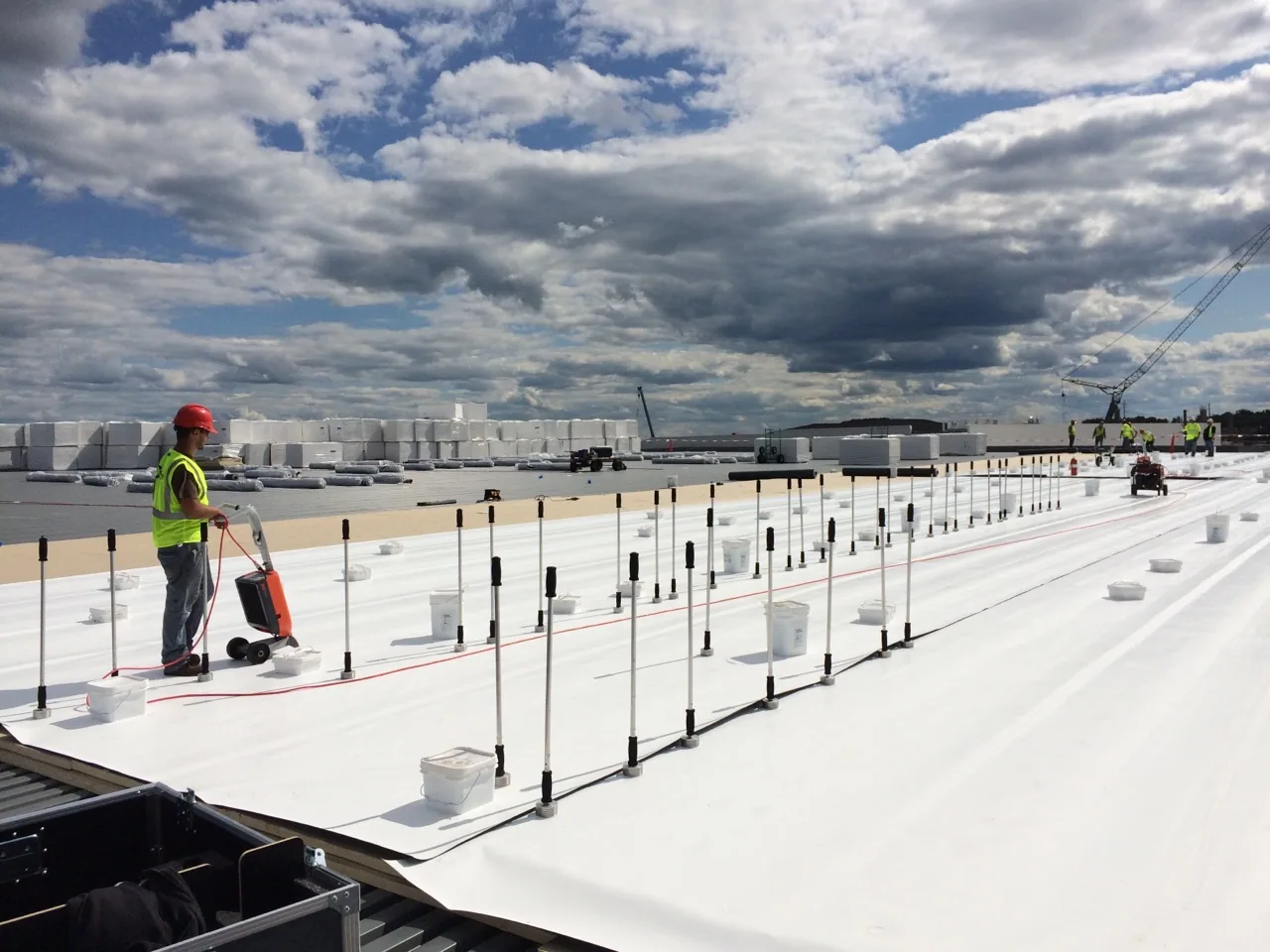
Commercial Modified Bitumen Roofing
Talk to Commercial Roofing Westminster
Call 555-555-5555 or send a request and we will schedule a visit to look at the roof, explain what we find and lay out your options.