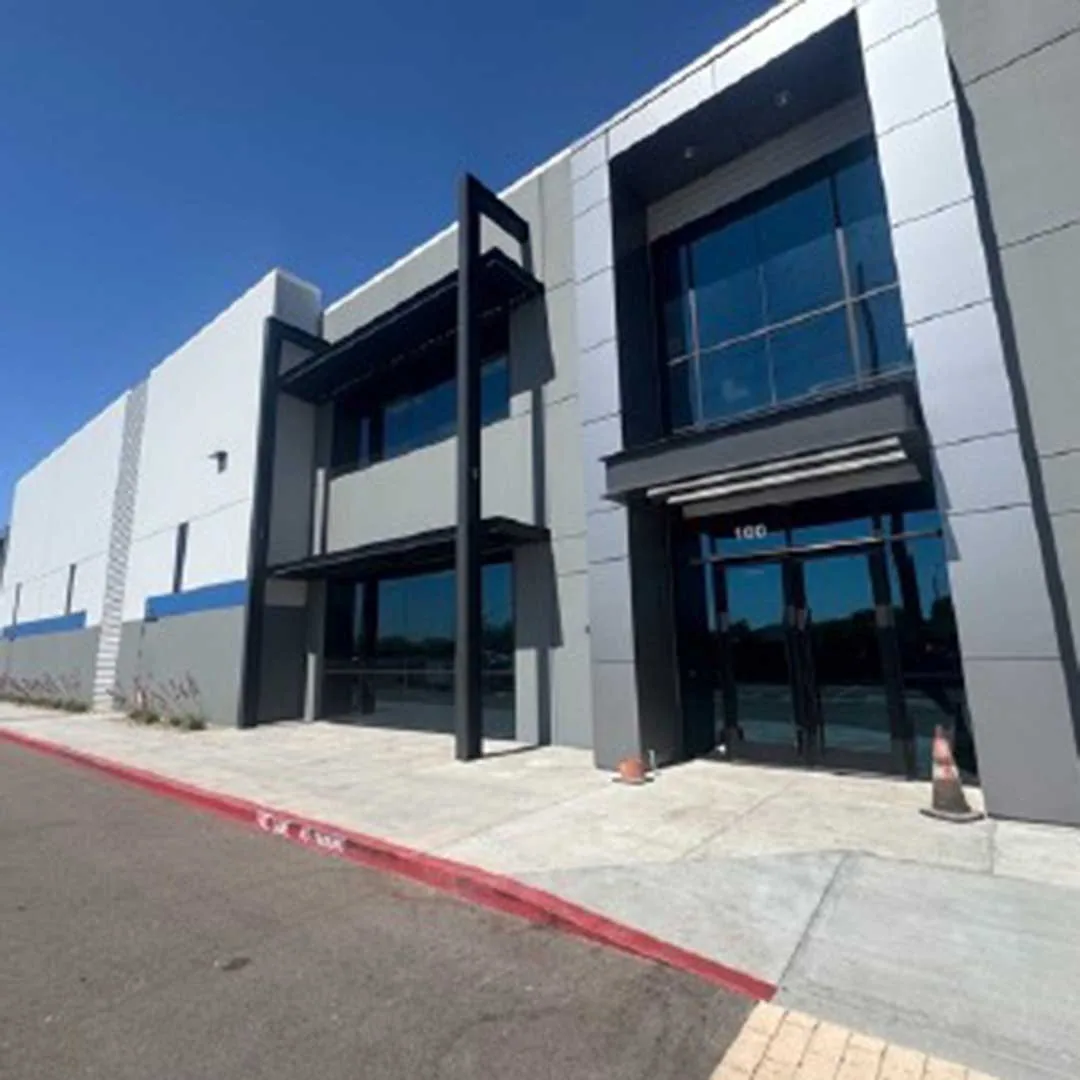
Commercial Warehouse Roofing in Westminster, CO
Inspect Westminster warehouse roofs for leaks, ponding, seams, and loading-area impacts. Plan repairs around inventory, dock schedules, and roof access.
Commercial Warehouse Roofing
Before a warehouse leak reaches stored goods, map the roof area above the report and the nearest seams, drains, and penetrations. A stain by a loading bay may trace back across the deck, so the interior location is a clue rather than a diagnosis. Westminster's hail, snow, wind, and heat call for seasonal checks. We inspect the roof and coordinate access around inventory, dock traffic, and equipment.
Map the roof by warehouse zone
Warehouse roofs can span several bays, additions, and equipment groups. We review the roof plan, identify membrane or metal sections where possible, and mark drains, skylights, curbs, vents, and roof hatches. A leak over one rack row should be connected to the roof layout before material is moved. The report identifies the warehouse zone and the roof area inspected.
Some facilities have a broad low-slope field with long drainage runs; others include sloped metal or separate additions. We do not assume a roof type based on the use. We inspect exposed edges, repair records, and transitions, then describe confirmed layers. A TPO field and a standing-seam roof need different inspections and repair details.
For a building near Westmoor Technology Park, office/flex and industrial activity can share a corridor, but each property has its own roof plan. We label the building and section so portfolio managers do not apply one facility's conditions to another. A manufacturing plant roof may have process exhaust and service routes that call for a different inspection map.
Trace water above inventory
Start with the interior report: when water appeared, which rack or aisle is affected, whether product or controls are at risk, and whether it followed rain or snowmelt. Then compare the location with roof slope, deck direction, seams, drains, and penetrations. Water can travel before it drips, especially through insulation joints or along framing.
We inspect for open laps, punctures, damaged flashing, blocked drains, displaced metal, and water marks. A leak investigation records the likely source, temporary protection, repair boundary, and any test still needed. If an opening is active, the crew can protect inventory below before permanent work is scheduled.
A warehouse manager should identify aisles, sprinkler lines, high-value stock, and equipment that cannot be moved. We coordinate with site staff before placing drop cloths, lifts, or debris containers. The roof crew documents the protected area and does not assume every interior stain shares one source.
Check outlets after snow and storms
Westminster snowfall varies across the Denver metro. The roof's actual slope, outlet height, and overflow path determine where meltwater can collect. We inspect drains, scuppers, gutters, low points, and debris lines, then record the water boundary. A drainage inspection helps separate a blocked outlet from settled insulation or a roof transition.
Hail reports near Westminster in May 2024 provide context for a post-event inspection, but do not establish damage at a particular warehouse. We look for punctures, impact marks, open seams, damaged skylights, and loose edge metal. A storm-related roof review records what is visible and any area requiring closer testing.
High winds and summer heat also matter to exposed roof details. We check perimeter metal, membrane attachment, equipment supports, and service paths. If the warehouse stores temperature-sensitive products, the facility team can tell us which interior conditions need prompt notification while repairs are underway.
Keep docks and roof work coordinated
Roof access may share space with trucks, forklifts, and scheduled deliveries. We agree on staging, lift locations, debris routes, and roof entry with the site contact. Loading doors and fire lanes remain clear. When a crane or hoist is needed, the manager identifies safe setup areas and any underground or overhead restrictions.
Work can be phased by roof bay to limit disruption. Each phase has a removal boundary, material staging plan, and dry-in point for the end of the shift. If operations run continuously, the superintendent coordinates noise, odors, and equipment shutdowns with the facility. At a distribution-focused property along the 120th Avenue corridor, dock timing may affect when a lift or material delivery can occur. A distribution center often needs the same work coordination with additional conveyor, sort, and dispatch zones to protect.
Inventory protection is part of the sequence. Before cutting or removing roof material, we confirm what is below, cover sensitive items, and set a debris path. If wet insulation or damaged deck appears, the owner receives photos and a location before the crew expands the scope.
Map the leak above the operation
Share the Westminster warehouse address, roof plan, affected aisle, leak timing, stock or equipment risk, access rules, and dock schedule. We will inspect the roof, coordinate protection, and document the repair boundary.
Match the scope to the roof condition
A local repair can address a seam opening, puncture, flashing failure, damaged drain connection, or loose fastener. We identify the system and prepare the repair with compatible material. The scope notes its limits, including any adjacent area that remains untested. Repeated repairs in one zone may indicate moisture or broader membrane wear, which needs a separate review.
A recover adds another roof layer only when the existing assembly is dry enough, attached, and within height and drainage limits. A recover evaluation checks those conditions. If insulation, deck, or many details need work, a replacement plan can include removal, insulation, cover board, membrane, drains, and perimeter metal.
For warehouses with ongoing operations, the proposal also states roof zones, material access, temporary closures, and protection below. Cost and timing depend on area, assembly, substrate condition, access, and the work sequence. The manager gets separate allowances for confirmed repairs and concealed conditions rather than an unbounded repair line.
Make inspections useful to operations
Maintenance checks seams, flashings, skylights, drains, edge metal, equipment curbs, and visible interior reports. We note roof zone, repair history, and any change since the last visit. Debris removal and repairs are listed separately. This makes it easier to coordinate future work around stored inventory and dock activity.
Skylights should be identified and protected because warehouse roofs often include daylight panels. We inspect the frame and curb and confirm safe access before walking near them. A maintenance schedule can track clearances, recurring leaks, and follow-up after weather.
For multiple facilities in Westminster, keep one roof map and service record per building. A condition report can preserve photos, observed materials, repair limits, and open items. Site staff can then find which aisle or roof section is affected without relying on a generic note.
Leave a clear stockroom record
The closeout names the roof zone, observed assembly, condition, repair, protection used below, and any remaining test or access need. Photos show the roof detail and the interior area when permitted. We record whether stored goods were protected and whether the warehouse contact should monitor a specific location after the visit.
Westminster's commercial areas include North I-25, U.S. 36, and 120th Avenue properties. A site near Westmoor or along 120th receives its own roof map because building layouts and drainage paths differ. Keep that plan with repair history, tenant contacts, and material handling rules.
Send the warehouse address, roof plan, affected aisle or dock, leak timing, inventory concern, access rules, and delivery schedule. We will inspect the roof path, protect the affected operation, and define a repair or renewal scope supported by the conditions found.
Commercial Roofing Questions
Can warehouse operations continue during roof repairs?
Often, with work phased around inventory, docks, equipment, and access. We agree on a roof zone, protection below, and daily closure point with the facility contact.
How do you protect goods below a leak?
We confirm the affected aisle or stock area, coordinate covers or relocation with site staff, and install temporary protection when appropriate before permanent work.
Why is water showing far from a warehouse roof leak?
Water can travel through insulation, along deck flutes, or across framing before dripping. We compare the interior report with slopes, seams, penetrations, and drainage.
Should skylights be included in warehouse inspections?
Yes. We inspect frames, curbs, flashing, and safe access around each skylight, then note any visible damage or condition that needs testing.
What helps schedule a warehouse roofing visit?
Send dock hours, delivery windows, roof access rules, inventory concerns, and the leak location. These details shape staging, protection, and the work sequence.
Related Roofing Work
Westmoor Technology Park
Read more
Manufacturing Plant Roofing
Read more
Commercial Roof Leak Repair
Read more
Commercial Roof Drains and Scuppers
Read more
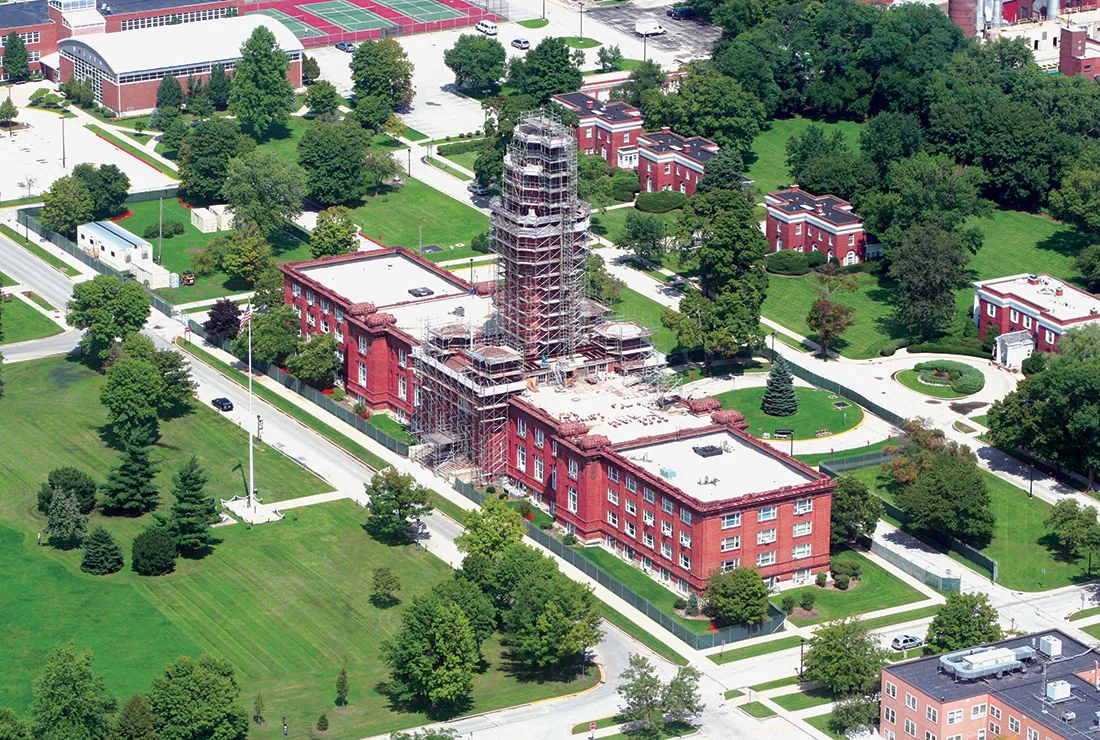
More Property Types We Roof in Westminster
See the rest of our property types we roof for Westminster commercial buildings, or call 555-555-5555 to talk through your roof.
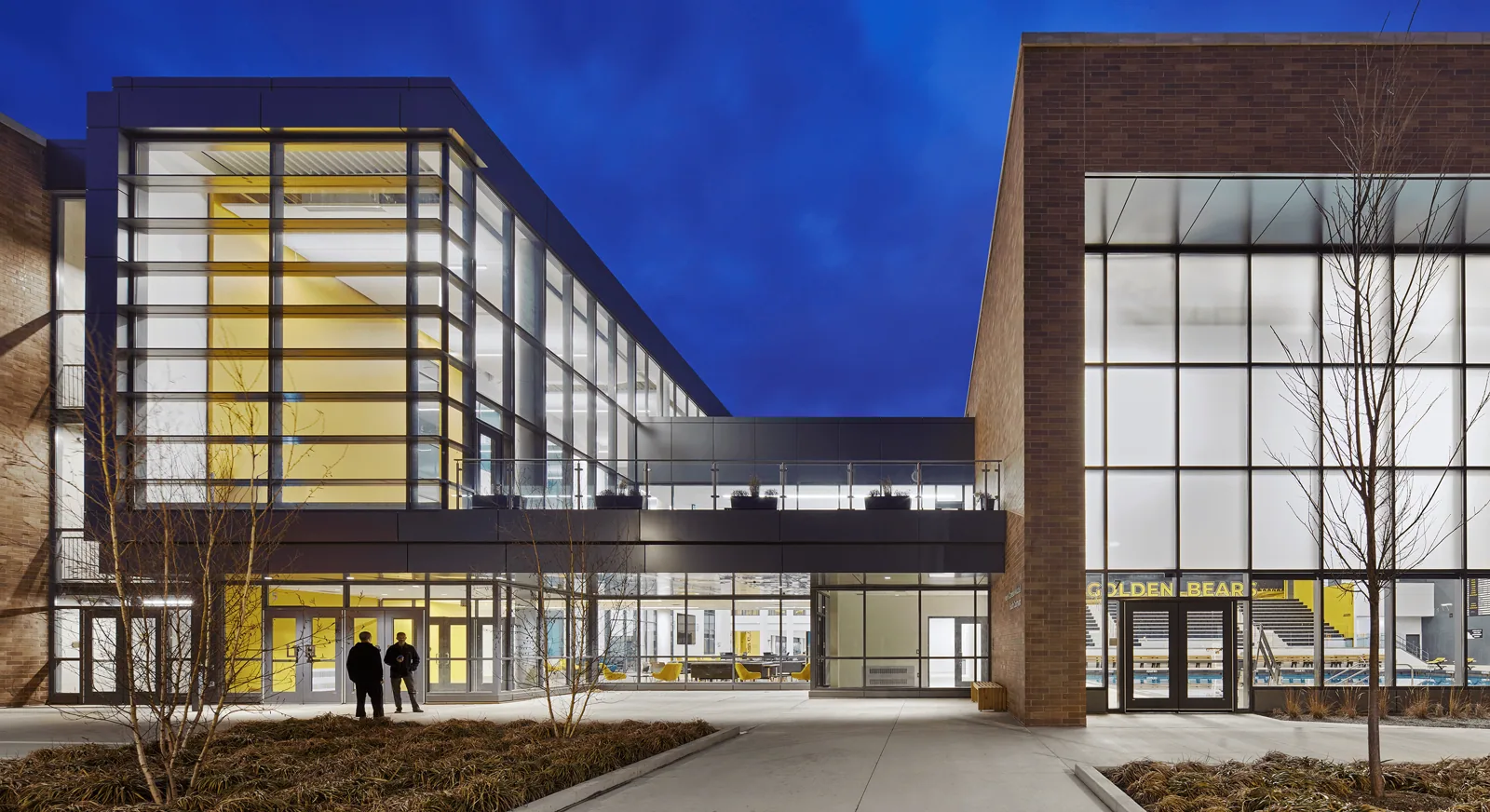
Commercial Warehouse Roofing
Talk to Commercial Roofing Westminster
Call 555-555-5555 or send a request and we will schedule a visit to look at the roof, explain what we find and lay out your options.