Data Center Roofing in Westminster, CO
Plan Westminster data-center roofing around cooling equipment, penetrations, drainage, and uptime. Inspect the roof before a leak reaches critical rooms.
Data Center Roofing
After a hail report, inspect the roof above the cooling path before a small mark reaches a critical room. Start with equipment curbs, pipe supports, seams, drains, and the membrane around service routes. Westminster had hail reported nearby in 2024, but only a roof walk can show whether this building has impact damage. We document the observed condition and coordinate access so roof work does not interrupt the facility's operating plan.

Map cooling equipment to roof sections
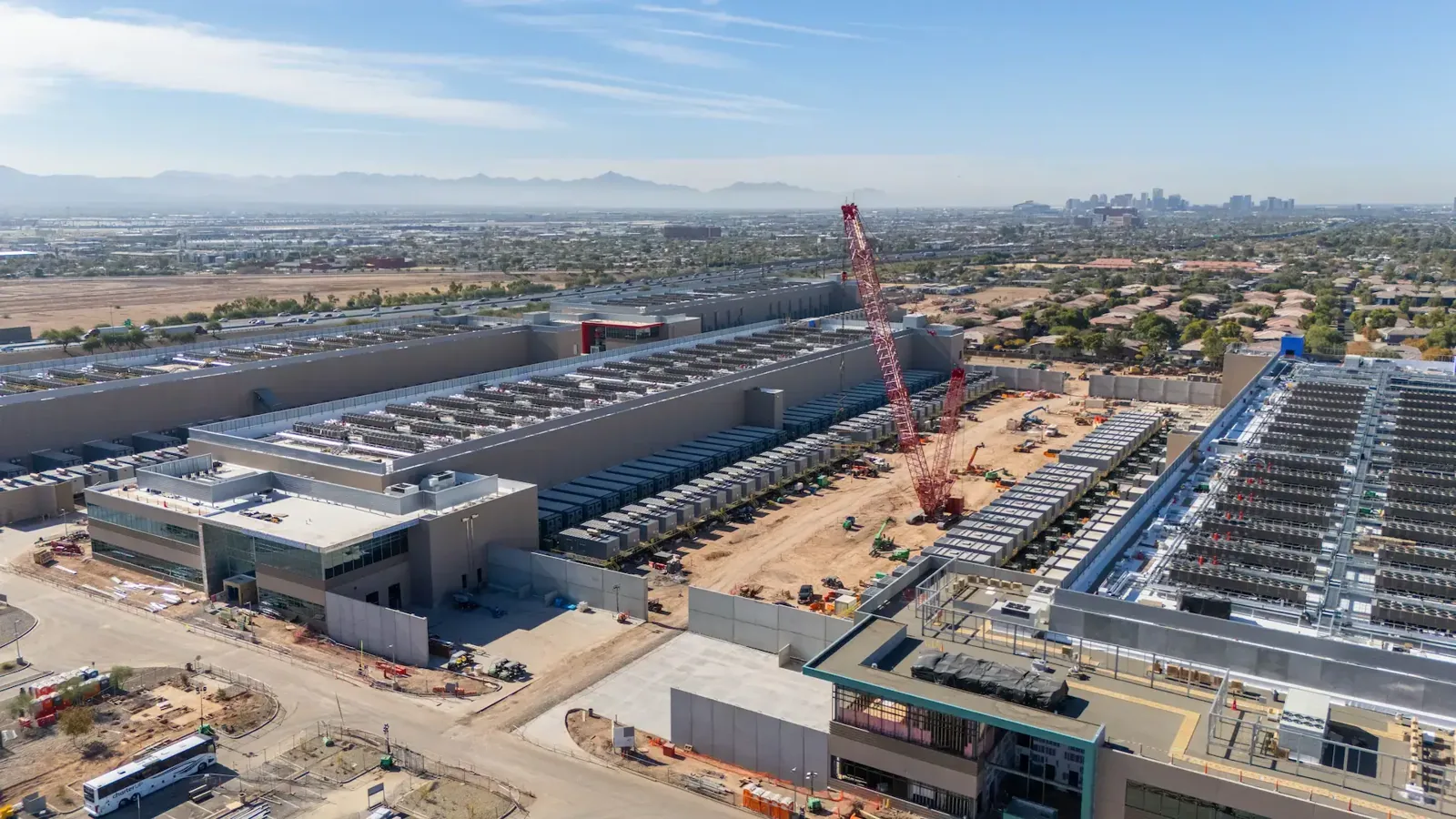
Data-center roofs carry cooling units, piping, electrical pathways, screens, and service access. Each curb or support interrupts the membrane and can collect foot traffic. We compare a roof plan with the equipment layout, then mark which units must stay available during the inspection. The report uses the facility's zone names so a technician can identify the related detail without searching across the roof.
Westminster's technology and information cluster includes hardware and telecommunications work as well as research and manufacturing. That business context makes equipment coordination relevant across the market, but it does not tell us how a particular building is configured. We confirm the facility's restricted areas and access route before entering the roof.
An office roof inspection may emphasize tenants and interior finishes. A manufacturing roof review follows process equipment and production access. On a data center, cooling continuity and controlled access can change the work window, staging, and protection plan.
Trace water without disrupting cooling
A leak near a cooling unit may come from the curb, a nearby seam, a drain, or a line support. Water can move below the membrane before appearing inside. We compare the time and location of the interior report with roof details and weather. The facility identifies alarm thresholds, equipment that cannot be shut down, and the contact who can approve access to adjacent rooms.
A leak investigation records the likely water path, temporary protection, and any concealed area that needs confirmation. When appropriate, an infrared review can help identify areas for verification. It does not replace checking the assembly, weather, and visible roof details.
Before cutting the roof, the work plan names the opening size, protection below, temporary dry-in, and expected closure time. If a cooling path or electrical room sits below, the facility contact confirms what barriers or alternate routing are needed. We document any limit that prevents a complete inspection.
Use local weather as a prompt, not a diagnosis
Hail, wind, heat, snow, and winter weather affect Westminster roofs in different ways. Hail reported near the city in May 2024 makes a post-event review reasonable. We inspect membrane fields, skylights, screens, edge metal, and exposed equipment, then photograph damage that is actually visible. For data center roofs, confirm the roof system before selecting repair materials; leave structural questions to the project design professional. The Westmoor Technology Park lies in the northwest U.S. 36 corridor, while the 120th Avenue corridor is another Westminster commercial area. Routes and conditions differ by property; roof observations guide the repair.
A hail inspection can separate a surface mark from a puncture, open seam, or failed flashing. If drains are restricted, we record the outlet and the area holding water before recommending cleaning or correction.
Set access and safety boundaries first
Data centers often limit entry to named personnel and controlled roof routes. The owner provides escort rules, check-in steps, equipment clearances, and any restrictions on photographs. We identify the crew's route, tools, staging point, and the roof sections included in the visit. If a technician must remain with a system, the schedule accounts for that resource.
Roof work can involve adhesives, hot work, noise, or temporary barriers. The facility reviews those conditions against its procedures before mobilization. Where an activity conflicts with operations, we adjust timing or sequence. The proposal distinguishes the planned work from assumptions about access, power isolation, or concealed construction.
A repair over an active equipment bay can be staged by section. Each phase has a defined opening and closeout point, with a photo and notification before the work boundary moves. A phased occupied-building plan can help coordinate tenant and facility impacts when replacement reaches beyond an isolated repair.
Before mobilization, confirm whether the roof has a designated equipment lift point, whether carts can cross the membrane, and whether any route is reserved for emergency response. We mark staging limits and protect walk paths. If the roof has multiple membrane types from past additions, each transition gets a separate note so the repair crew does not assume one attachment or flashing detail applies across the entire building.
Coordinate a roof review with operations
Share the Westminster facility location, roof and cooling maps, affected zone, current access rules, equipment limits, weather or leak timing, and the approved work window. We will inspect and document the roof conditions.
Choose a repair path from the assembly
A puncture, loose flashing, or failed seam may be repairable if adjacent membrane and insulation remain serviceable. We identify the membrane type and attachment, compatible repair materials, tie-in limits, and any test opening needed. A roof inspection provides photos and a map of what was observed. The owner can then separate immediate leak control from planned capital work.
If moisture extends beyond the visible area or the roof has repeated failures, a recover or replacement review may be more useful than serial patches. We assess wet insulation, attachment, height, drainage, deck, and project requirements before choosing a direction. The scope explains removal, new insulation and cover board, flashing transitions, and how cooling equipment access will continue.
Westminster currently uses the 2021 building and energy code editions. The applicable permit and assembly requirements depend on the project. We coordinate roof scope with the facility team and keep code review separate from conclusions about existing roof performance.
Keep the roof map current
Cooling equipment changes over time. New lines, supports, and service paths can add penetrations or traffic to a roof that was previously quiet. A maintenance log should show each unit, curb, drain, flashing, and repair by roof zone. Photographs help the next inspection compare the same detail and show whether a condition changed after equipment work.
A planned roof visit can check drainage, seams, flashings, and traffic paths before weather exposes a weakness. The schedule can be coordinated with equipment service or a planned maintenance window. For several properties, a written findings separates urgent needs from longer-term renewal and identifies areas that still require testing.
At closeout, we list inspected zones, completed repairs, temporary protection, and any area that remained inaccessible. The facility receives the roof plan and next-check date so operations, security, and property teams share the same record.
Coordinate roof access with security and the facilities lead before approaching cooling equipment or cable routes. The work plan should identify any system that cannot be interrupted and keep debris, water, and temporary power away from sensitive intake areas. Record which units remained online and whether the inspection reached every roof zone.
Commercial Roofing Questions
Can you work above live cooling equipment?
Often, if the facility can define access, protection, and operating limits. We set an opening and closure window and coordinate any restriction with the operations contact.
Does hail near Westminster prove data-center roof damage?
No. It is a reason to inspect. We record impact evidence at the facility before recommending a repair or test.
What happens if the leak is above an electrical or server room?
We identify the interior risk, protect the area, and trace the roof path before opening the assembly. The facility sets room access and any required system precautions.
Can a data-center roof be repaired in phases?
Yes. The scope can define roof zones, access routes, barriers, and closeout points so each phase can be reviewed before the next begins.
What should we send before scheduling?
Provide a roof plan, affected zone, equipment restrictions, security and escort requirements, recent weather, and the operations contact for the work window.
Related Roofing Work
Office Building Roofing
Read more
Manufacturing Plant Roofing
Read more
Commercial Roof Leak Repair
Read more
Westmoor Technology Park
Read more
More Property Types We Roof in Westminster
See the rest of our property types we roof for Westminster commercial buildings, or call 555-555-5555 to talk through your roof.
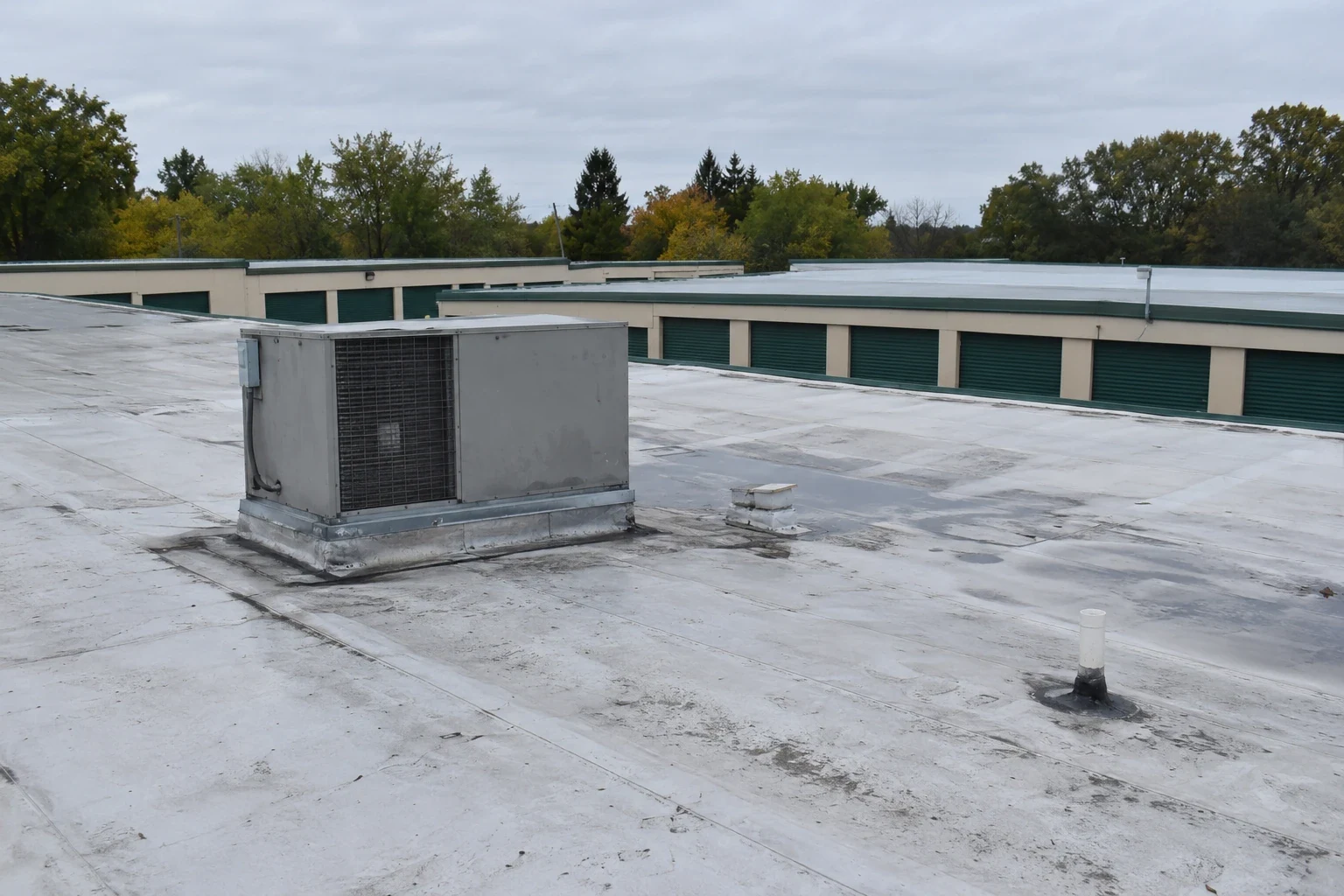
Data Center Roofing
Talk to Commercial Roofing Westminster
Call 555-555-5555 or send a request and we will schedule a visit to look at the roof, explain what we find and lay out your options.