
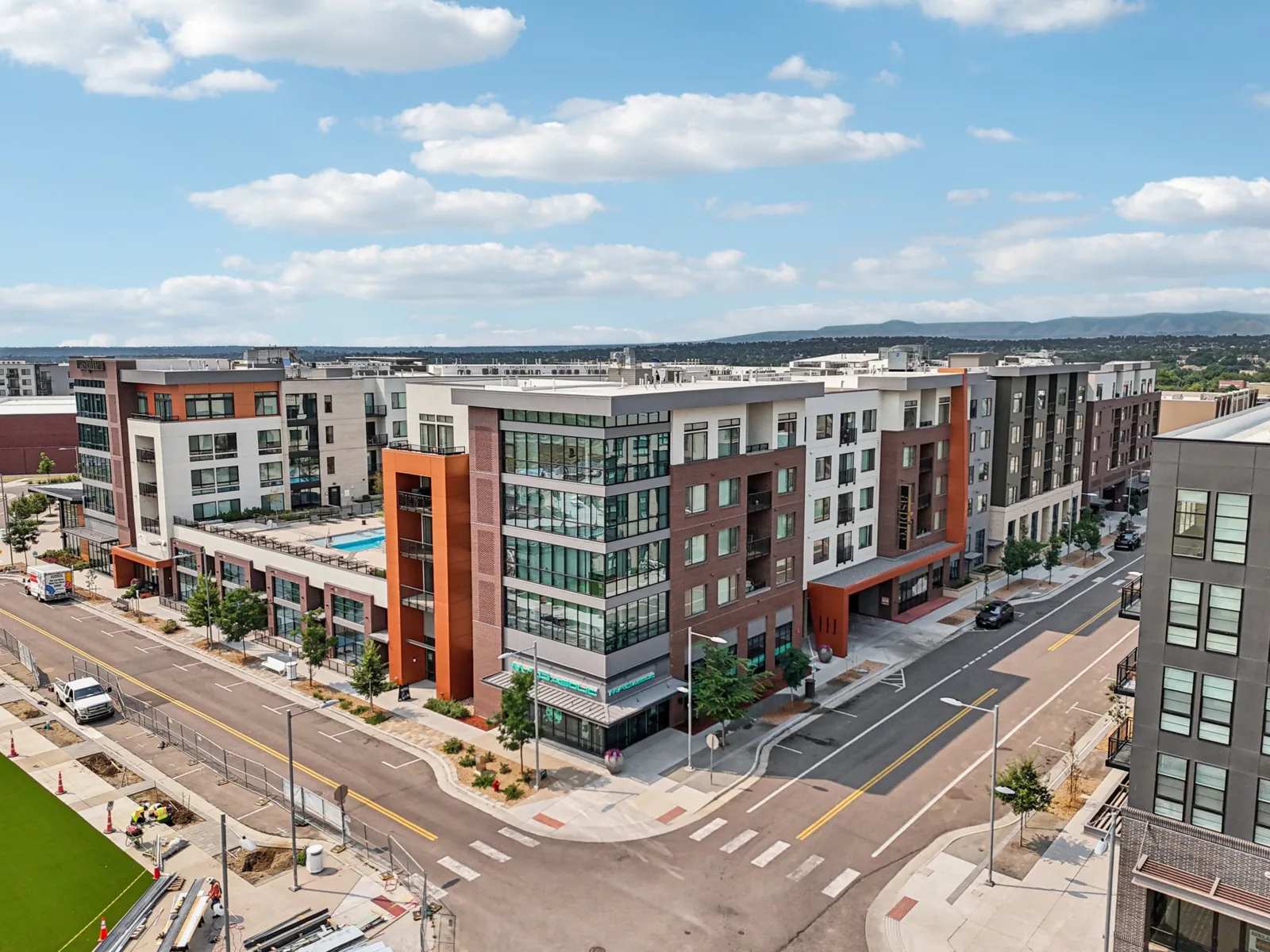
Commercial Roofing in Westminster, CO
Commercial roof inspections, repairs, and replacement across Westminster, CO, with property-specific findings, access coordination, and clear scopes.
Westminster
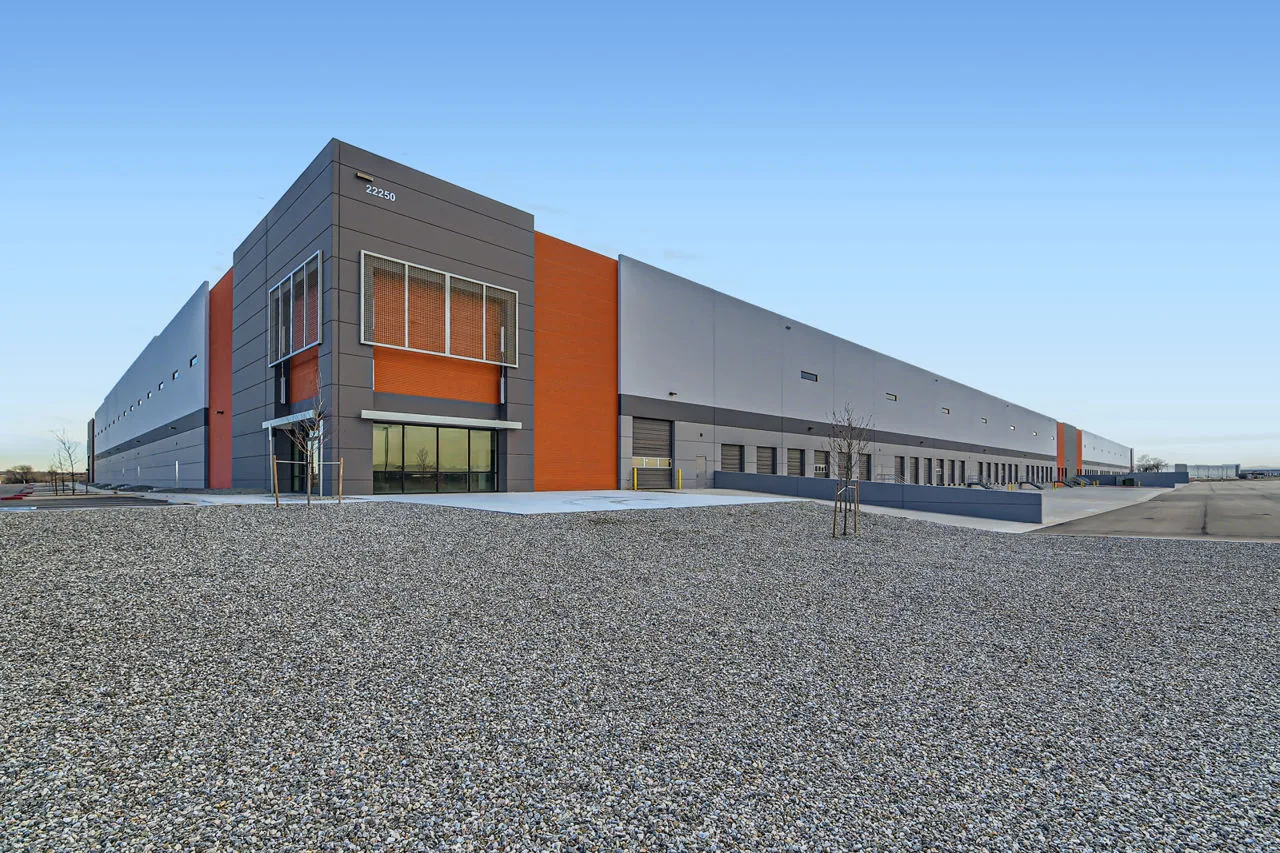
Westminster includes commercial properties in retail, office, industrial, public, and mixed-use settings. Each roof assignment starts with the building and affected area identified by its owner or authorized contact. North I-25 includes the Orchard Town Center and Westminster Crossings retail areas, while Downtown Westminster and its station area form another distinct business setting. These places help orient service planning; they do not establish a building's roof area, construction, access rules, or condition. Drawings or field measurements define the inspected roof boundary, and findings stay tied to each property.
Set the work area before the visit
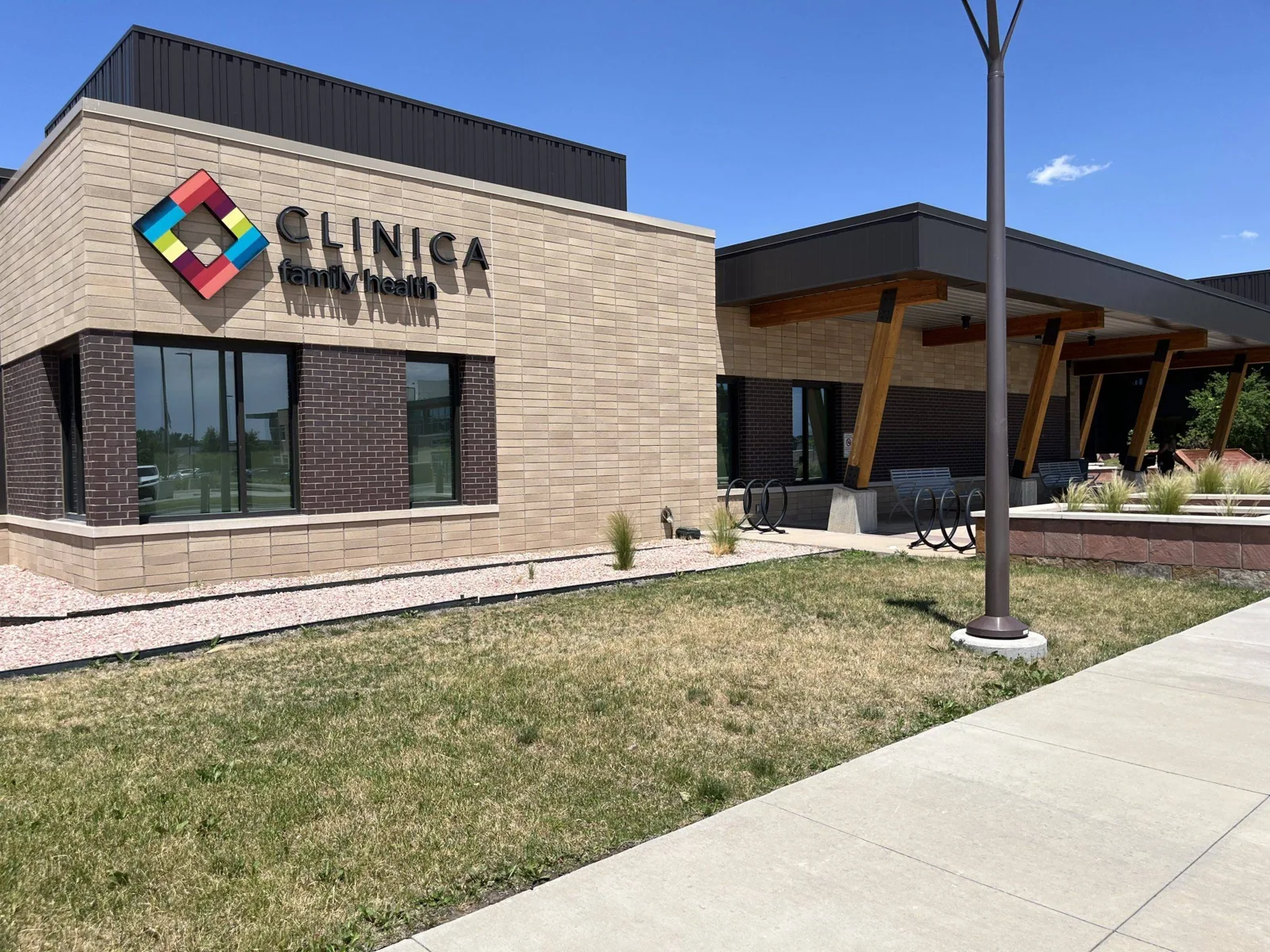
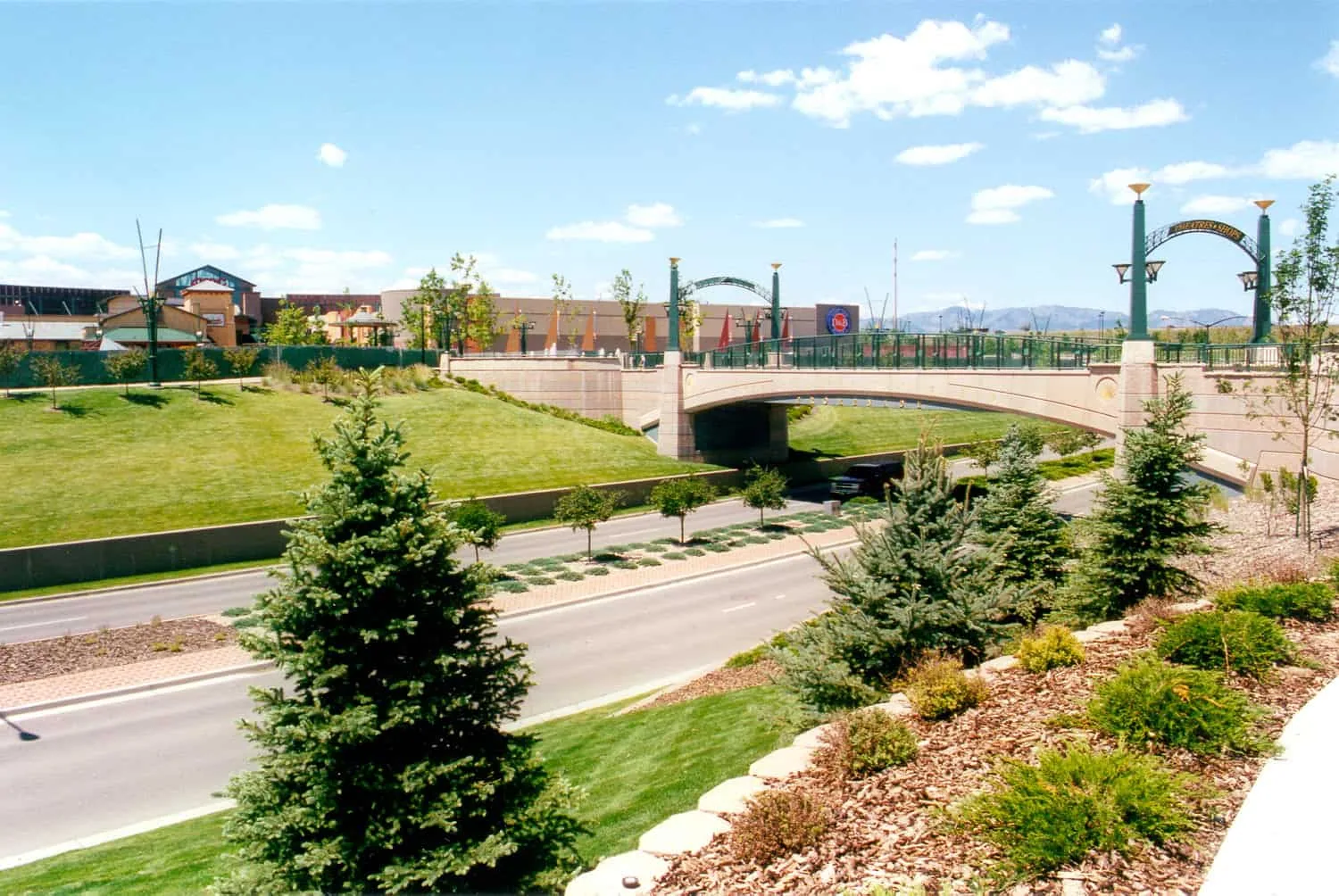
Commercial work in Westminster can involve customer walkways, deliveries, occupied offices, equipment routes, and public access. The North I-25 retail area includes multiple destinations, and the city also has established office and industrial properties. Confirm where ladders or lifts can operate, which entrances and paths must remain open, and who can authorize roof entry. Keep the property identifier and roof zone on the work order so a district name is not mistaken for a building boundary.
A district-wide floor-area or development figure does not define a roof quantity. Use a roof plan or field map to separate structures, transitions, and sections. Record the access point, drains, parapets, mechanical equipment, skylights, and surfaces that could not be reached. If adjacent buildings share a manager or service entrance, confirm each scope and approval separately. A roof-zone condition report can label what was inspected and preserve the boundary for later repair or budgeting. Northglenn is one local retail area; its operating details do not stand in for those of another Westminster property.
Trace the leak to the detail
A leak report should name the room, timing, and weather or equipment activity that came before it. Water can travel from the point of entry before it reaches a ceiling or wall. On the roof, follow the possible route across seams, walls, curbs, penetrations, edge metal, and drainage. Mark the suspected path separately from any opening that is directly visible.
At each roof zone, inspect membrane seams, flashings, curb corners, pipe boots, drain bowls, and overflow paths. Check for open laps, punctures, loose terminations, prior patches, debris, and low areas. Photograph the feature in context and close up. An inspection visit should report what was accessible, what was tested, and which next check could change the scope.
Identify the roof system before selecting a repair material. A TPO heat-welded seam, PVC flashing, EPDM penetration, and metal panel lap need distinct methods. For a confirmed EPDM assembly, an EPDM condition review should focus on compatible materials and detail adhesion. Do not infer system type from the destination or building use.
Read Westminster weather carefully
The Denver-Boulder region sees hail, wind, thunderstorms, winter weather, heat, and cold. Use a local event to set inspection timing, then record only conditions visible on the assigned roof. A May 2024 hail report near Westminster and roof damage documented elsewhere across the northern metro support a timely inspection when an Westminster property may have been exposed. Neither fact proves impact at the property. After snowmelt, photograph low points, drains, and overflow routes by roof section. Record deferred testing as an open item with an owner and return date. A regional number does not tell us whether a particular roof held water or cleared it. After thaw, inspect drains, scuppers, low points, and overflow routes. Compare those observations with the interior report and note whether staining recurs after the roof dries.
For suspected hail, a roof impact review should distinguish observed damage from age-related surface changes. For water entry, leak response can protect the interior while a permanent scope is prepared. Keep temporary dry-in visible as a separate line of work and assign a follow-up date.
Choose the size of the repair
A local flashing defect or short seam opening may be repairable if the surrounding material is sound. Recurring moisture, broad membrane deterioration, failed attachment, or multiple affected sections may call for a wider evaluation. Check insulation, substrate, roof slope, drainage, and perimeter details before deciding between repair, coating, recover, or replacement. A moisture survey can help when the result will change the scope, but its limits should be stated.
For repair work, define cleaning and preparation, compatible materials, repair boundary, closeout photos, and any test needed after completion. For replacement, describe removal assumptions, new insulation and cover board, membrane, edge metal, penetrations, staging, debris handling, and daily dry-in. Retail operations affect timing: public paths may need protection, deliveries may constrain lifts, and noisy work may need a defined window. Cost also depends on roof access, height, concealed wet material, and detail count.
Westminster applies the 2021 International Building Code and Energy Conservation Code. Confirm the requirements relevant to the actual project and permit. A replacement proposal should make assumptions visible before work starts. Where the system remains suitable, scheduled roof maintenance can clear drainage and document small changes before they spread.
Schedule an Orchard roof review
Tell us the building, affected roof zone, leak or storm timing, property contact, and access limits for the visit.
Keep commercial areas operating
Work beside a pedestrian-oriented retail area requires a clear plan for access and public protection. Confirm lift placement, loading, material staging, rooftop access, and the entrances that must remain open. Set barriers around hoisting and debris paths. Coordinate with the property contact on tenant notices, delivery windows, noisy tasks, and any equipment shutdown. The sequence should identify the building and roof zone, not just the center name.
Adhesives, coatings, and exposed membrane work depend on temperature, moisture, and forecast conditions. Check the selected system's installation requirements. If weather closes the window, install an appropriate temporary protection detail, record it, and set the permanent return. Avoid leaving a partially completed roof with an unclear owner for the next step.
After work, clear the roof of packaging and confirm drains and overflows remain open. Remove or assign temporary protection, secure tools, and restore pedestrian routes. Compare closeout photos with the initial record. This helps a manager distinguish a completed repair from a condition that still needs testing or another visit.
Keep records with each property
Store roof plans, inspection images, system details, maintenance logs, and repair orders under the property that was visited. Label each photo by date, roof section, and direction. Record what was observed, what was corrected, and what remains uncertain. If several structures are part of one property, keep separate boundaries so a future crew can find the correct roof area.
At closeout, confirm the completed detail, drainage, and interior-protection status with the contact. Note any follow-up test, inaccessible roof section, or temporary measure that remains in place. A district or opening date is planning context only; roof condition depends on field evidence and the property's repair history.
For an Orchard Town Center request, share the property or building, affected room, timing of the leak or weather event, access route, and prior work. We can inspect the roof, document the confirmed findings, and explain the repair or capital alternatives. Keep the North I-25 corridor record at the area level; each property's scope remains specific.
Commercial Roofing Questions
Which commercial areas of Westminster can be included in a roofing review?
We can coordinate inspections across Westminster, including North I-25 retail, Downtown Westminster, office, industrial, public, and mixed-use properties. Each assignment remains tied to the specific building and roof area.
How should roof work be scheduled around customers or tenants?
We coordinate entry, lift placement, staging, barriers, deliveries, noise, and operating hours with the property contact before mobilization.
Does a development or opening date establish the roof age?
No. A property or district milestone does not establish when a roof was installed or replaced. We use project records and field evidence.
What does an inspection include after hail or wind?
We photograph visible conditions by roof zone, check edges and details, and note where testing is needed. Regional weather context is not a finding for an individual property.
When should we consider replacement instead of repair?
That choice follows the extent of moisture, membrane condition, attachment, drainage, and repair history. We document those factors before comparing scope.
Related Roofing Work
Commercial Roof Condition Reports
Read more
Northglenn
Read more
Commercial Roof Inspection
Read more
Commercial EPDM Roofing
Read more
More Service Areas in Westminster
See the rest of our service areas for Westminster commercial buildings, or call 555-555-5555 to talk through your roof.
Westminster
Talk to Commercial Roofing Westminster
Call 555-555-5555 or send a request and we will schedule a visit to look at the roof, explain what we find and lay out your options.