
Commercial Roofing at Church Ranch and U.S. 36, Westminster, CO
Inspect and repair commercial roofs near Church Ranch and U.S. 36 with property-specific access, drainage, storm findings, and work planning.
Church Ranch and U.S. 36
Hail near Westminster can prompt a roof review at the Church Ranch and U.S. 36 retail node. The first useful step is to identify the property, affected roof section, and safe access route. The city places this commercial subarea at the four quadrants of U.S. 36 and Church Ranch Road, also called 104th Avenue. That location context helps route a visit. It does not identify a building's membrane or condition.
Keep the property boundary clear
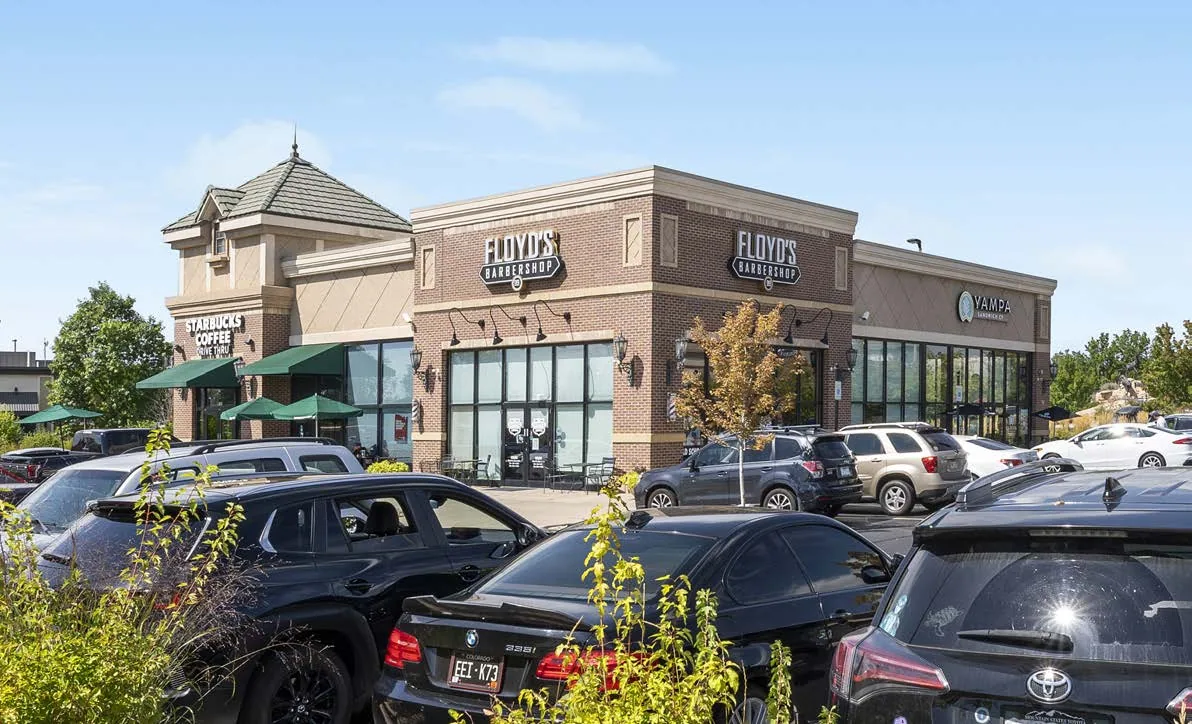
The subarea has relatively little residential development; open space, outdoor recreation, lodging, and commercial properties predominate. Westminster Promenade and Shops at Walnut Creek are the two dominant retail projects at the node. Those names help orient a service request. They do not establish that adjacent properties share an owner, roof plan, access policy, or roofing system.
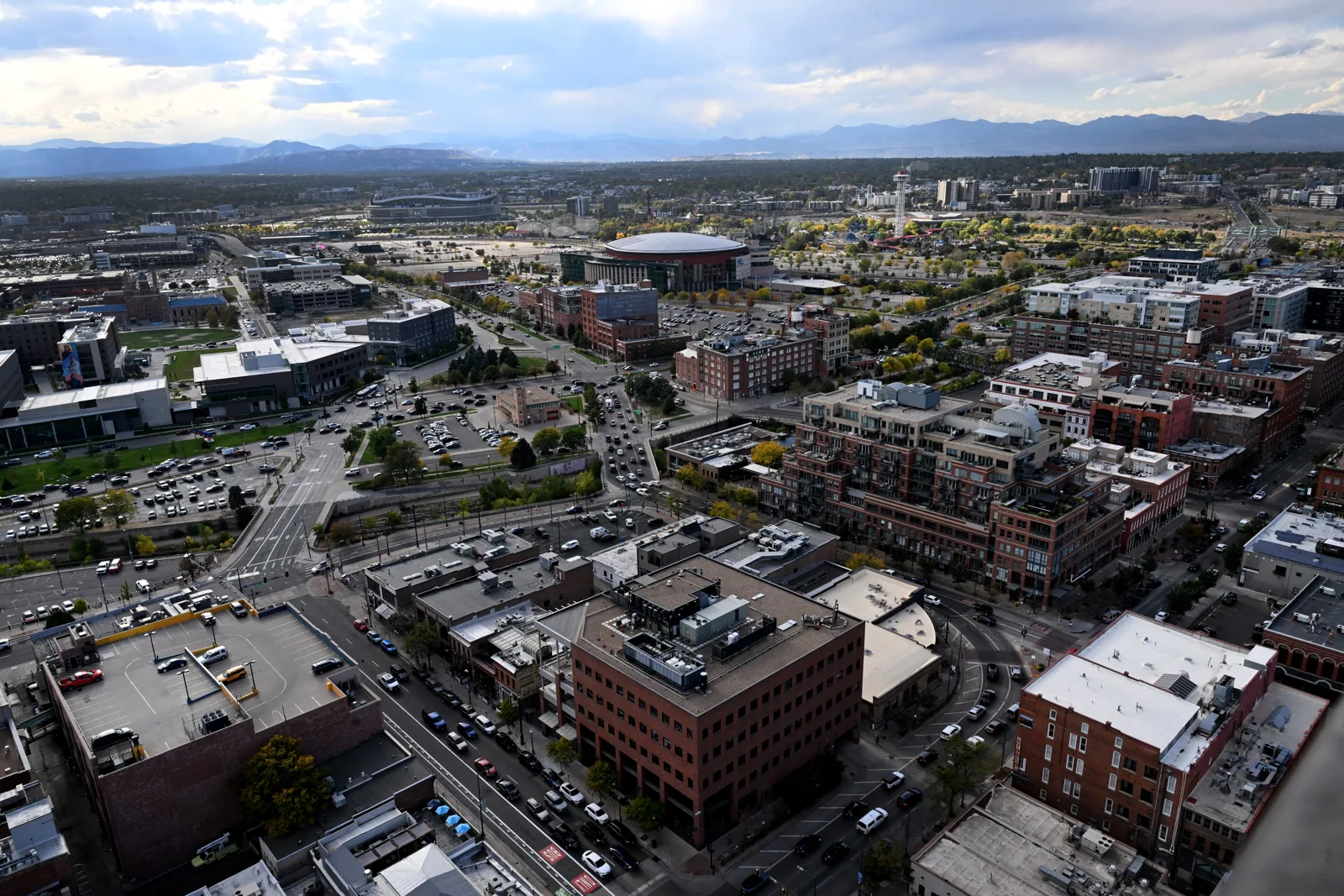
Start with the actual building contact and roof-zone map. Mark entries, loading areas, roof hatches, equipment, drains, transitions, and areas that cannot be reached. If a property contains several connected structures, keep the observations separated by roof section. The Promenade area roof record and a Golden-area roofing service visit need their own access notes and findings. Do not apply either record to a neighboring property.
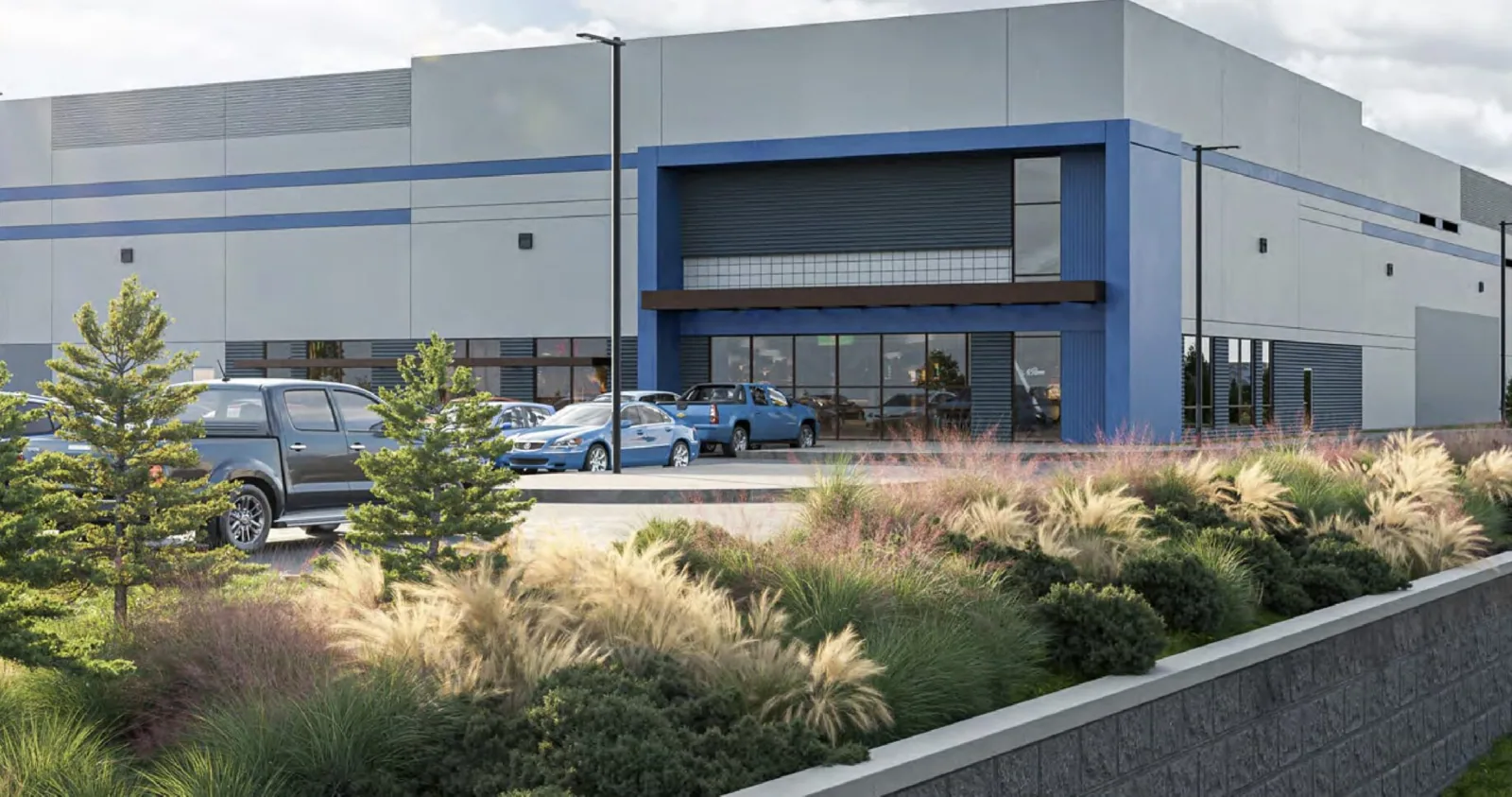
Retail operations can make deliveries, customer entries, and business hours part of the work plan. Confirm where a lift or material can be staged, how pedestrian routes will be protected, and which doors need to stay open. A roof asset file can keep system details, repairs, and future inspection dates attached to the correct property.
Separate a storm report from roof evidence
The Denver-Boulder forecast area sees hail, thunderstorms, wind damage, flooding, winter weather, heat, and cold. A hail report near Westminster on May 30, 2024, gives property managers a date to compare with maintenance records and roof photos. Roof damage was documented that day elsewhere in the northern metro. That history can support an inspection after a local weather report. It cannot establish that a property at this retail node was struck.
Walk the roof in a consistent pattern. Photograph impact marks, edge metal, membrane seams, flashings, and equipment curbs. Compare the observations with older photos and maintenance records where available. Separate visible damage from weathering or an area that needs a closer test. At Church Ranch and U.S. 36, a facilities team can group roof observations by property while keeping each site’s access and maintenance records distinct. After a thaw, check drains, scuppers, overflow paths, low areas, and interior reports. If water remains, establish whether the cause is blocked drainage, deflection, a membrane opening, or another detail before choosing a repair.
Follow the water path
A ceiling stain is one clue, not a map of the entry point. Record which room is affected, when it appears, and whether it follows rain, snowmelt, or equipment work. Then relate that timing to roof features above and around the space. Trace seams, wall transitions, penetrations, and drainage routes. If the area is blocked by equipment or outside the approved access route, state that limit in the inspection record.
At the roof, check field seams and patches for separation, open laps, punctures, or incompatible material. Inspect curb corners, pipe boots, pitch pockets, parapet flashings, coping, and edge metal. Look at drain bowls and the approach to each drain, not only the opening. A commercial roof inspection can pair orientation photos with close views and note where testing would change the recommendation.
Confirm the roof system before specifying materials. TPO, PVC, EPDM, KEE, modified bitumen, and metal assemblies have different seams and repair methods. For an identified TPO field, review membrane and flashing conditions together. If moisture is suspected below the surface, the survey method should suit the assembly and current conditions rather than rely on a single reading.
Match the scope to the finding
A localized seam opening or flashing defect can support a bounded repair if nearby material is sound. Repeated moisture, widespread deterioration, failed attachment, or multiple leaking roof zones may call for a broader study. A coating is not a default answer to hail or ponding. Confirm adhesion, moisture, drainage, edge details, and system compatibility before considering restoration. If the assembly is unknown, identify it from records or a controlled investigation first.
A repair proposal should name preparation, compatible materials, the repair boundary, closeout photos, and any return test. A recovery or replacement scope should identify removal assumptions, insulation, cover board, membrane, perimeter metal, disposal, staging, and daily dry-in. For a retail property, schedule and cost can shift with operating hours, customer access, delivery lanes, roof height, equipment needs, concealed wet material, and the number of details to rebuild.
For applicable projects, Westminster uses the 2021 IBC and energy code. Confirm the requirements and permit path for the specific work before mobilization. A repair scope should separate immediate water control from permanent correction. If the roof can remain in service, restoration options should be compared only after the assembly and substrate pass review.
Arrange a Church Ranch roof inspection
Share the property, affected roof area, weather or leak timing, previous repairs, and the safe access route.
Plan around open businesses
Retail work needs a sequence that protects customers and staff while giving crews safe access. Agree on the loading route, material staging area, lift position, pedestrian barriers, and entrances that cannot close. Coordinate noisy work and rooftop equipment shutdowns with the property contact. If several tenants share service areas, make the affected portion clear in each notice. The district name alone is not enough to tell a tenant where work will occur.
Weather windows matter when the scope includes adhesive, coating, exposed membrane, or temporary opening of the assembly. Compare forecast and surface conditions with the material requirements. If conditions change, secure the roof with a suitable temporary detail and record the return date. Do not leave an open scope as a verbal handoff. Name who will confirm that the permanent work has resumed.
Check the drainage path after materials and packaging are removed. Keep entries protected during hoisting and clean the work zone before reopening a route. For an active leak, a leak response visit can address interior protection while the permanent repair is documented separately.
Close with a usable record
Keep roof plans, system records, inspection images, repair orders, and warranty information by property. Label each image with roof section, date, and direction. State whether the area was inspected, tested, repaired, or left open for another visit. Record materials and repair limits. A future maintenance team should be able to tell a patch from an original seam and see which areas were not accessed.
At closeout, compare finished work with the original photos. Confirm that drains and overflows remain open, penetrations are sealed, debris is removed, and temporary protection is either removed or assigned for replacement. Write down outstanding tests, observations, or access needs with an owner and due date. These details give the next roof visit a clear starting point.
When requesting service at Church Ranch or the U.S. 36 node, share the property name, affected room, leak or weather timing, prior repair information, and access contact. We can inspect the specific roof, explain what the field evidence supports, and provide repair or capital options. The decision belongs to the property being surveyed, not the broader retail label.
Commercial Roofing Questions
Does the U.S. 36 retail node have one shared roof plan?
The area includes separate properties and retail projects. We use the plan and access rules for the specific building under review.
Does a nearby hail report confirm roof damage here?
No. We inspect the property, map visible impacts, and separate confirmed findings from wear or conditions that need testing.
What should we check after snowmelt?
Follow the drainage path from each low area to its drain and overflow. Note debris, ponding, blocked flow, interior reports, and any open flashing detail.
How do you keep roofing work from disrupting customers?
We coordinate the access route, staging, entrances, deliveries, barriers, noisy tasks, and weather window with the property contact before work begins.
What information helps price a repair accurately?
Roof access, system records, photos, prior repairs, the affected area, and any concealed moisture or substrate concerns help define preparation and repair limits.
Related Roofing Work
Westminster Promenade
Read more
Golden
Read more
Commercial Roof Asset Management
Read more
Commercial Roof Inspection
Read more
More Service Areas in Westminster
See the rest of our service areas for Westminster commercial buildings, or call 555-555-5555 to talk through your roof.
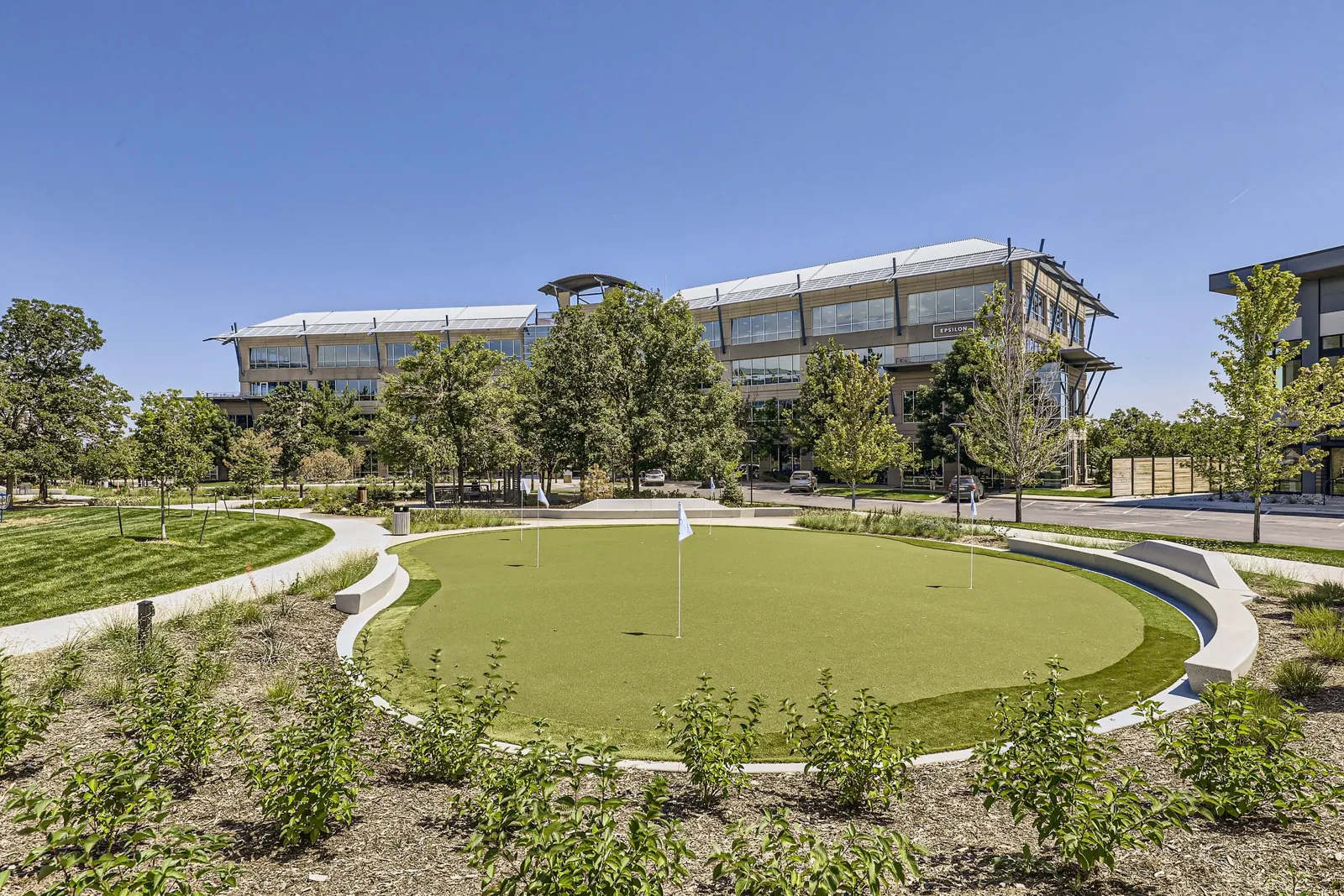
Church Ranch and U.S. 36
Talk to Commercial Roofing Westminster
Call 555-555-5555 or send a request and we will schedule a visit to look at the roof, explain what we find and lay out your options.