
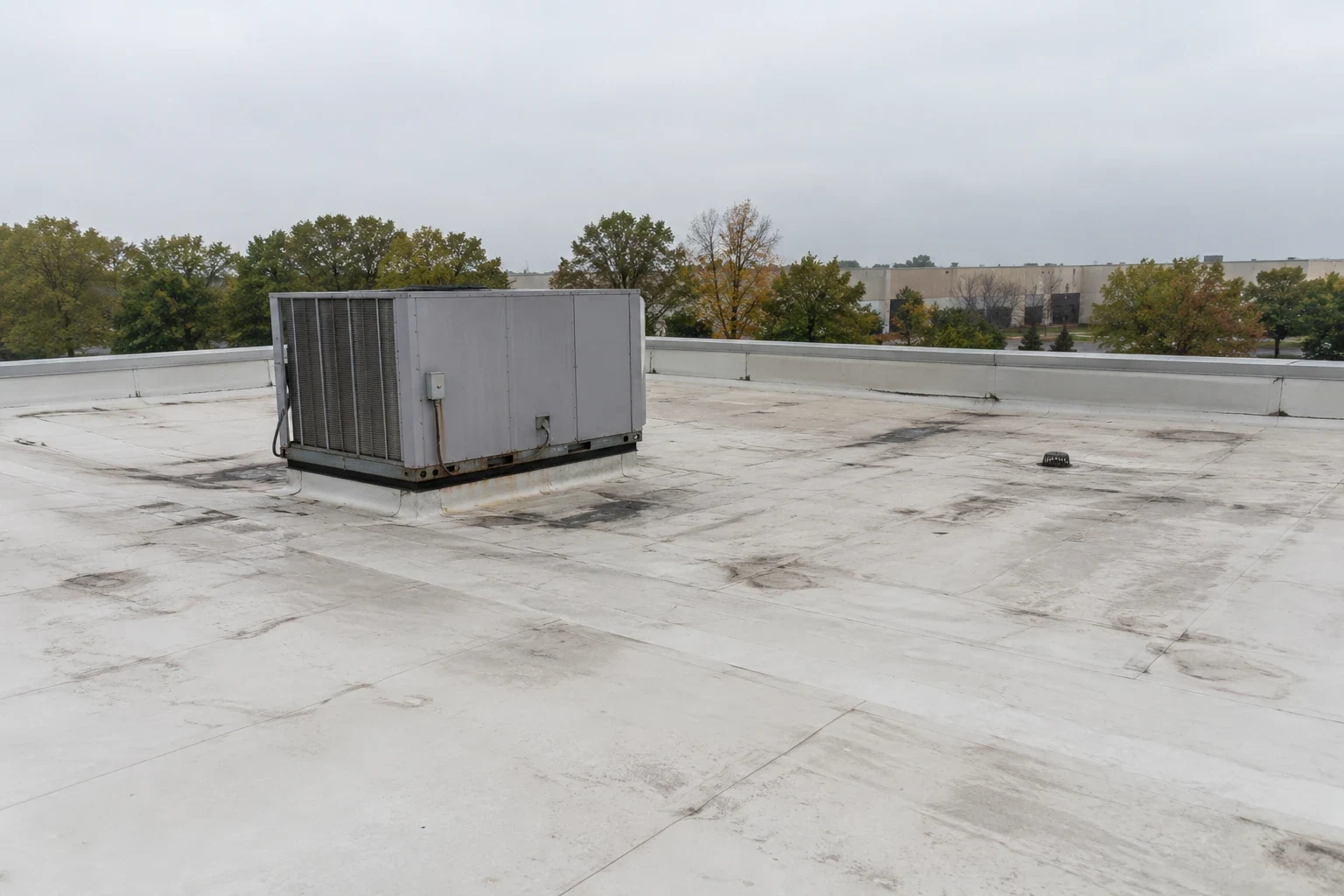
Distribution Center Roofing in Westminster, CO
Plan Westminster distribution-center roofing around conveyor lines, docks, inventory, and access. Trace leaks and schedule repairs without losing the roof map.
Distribution Center Roofing
After snowmelt, check the drain above a dispatch lane before opening the roof. A small stain can travel from a seam or curb several bays away. Westminster's snow, hail, wind, and heat create different inspection prompts, while the distribution center's roof and operating schedule set the scope. We map the building, protect active operations, and inspect the suspected roof area.

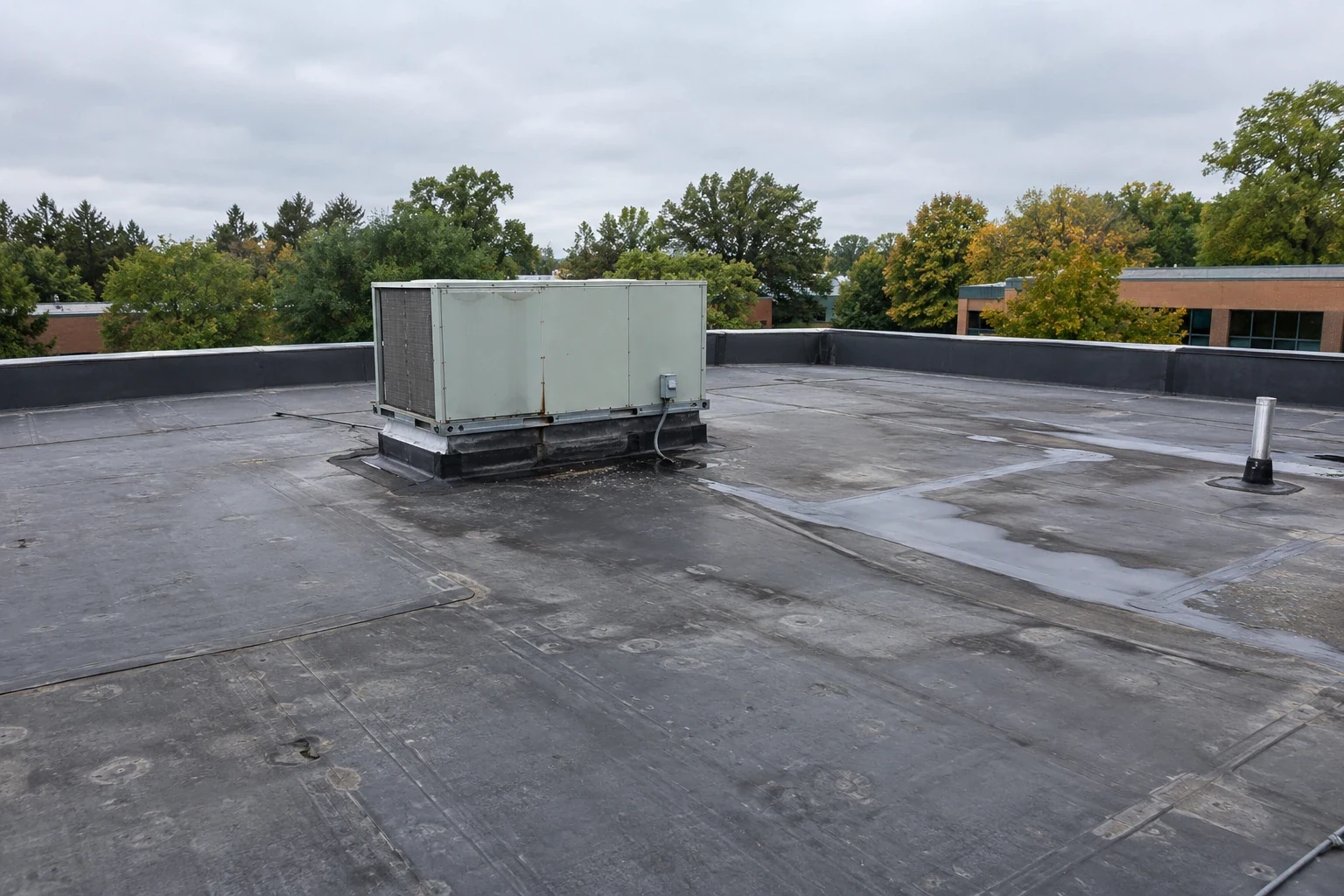
Tie roof zones to the flow below
A distribution building can have sorting lines, conveyor drops, charging areas, dock doors, offices, and high-bay storage beneath one roof. The site map helps locate the interior report and identify equipment that cannot be moved. We compare those spaces with the roof plan, drains, skylights, curbs, and membrane transitions before setting a repair boundary.
The roof may contain several assemblies from additions or prior projects. We identify material where records or exposed details confirm it and avoid assigning one system to every bay. A warehouse roof review addresses broad storage zones, while a cold-storage roof inspection has added attention to vapor and temperature transitions.
A facility near Westmoor Technology Park operates in Westminster's U.S. 36 commercial area. That regional setting helps coordinate service coverage, but its dock and roof layout are specific to the building. We label sections and use a consistent bay reference in the report.
Trace leaks before protecting inventory
Start with the time water appeared, whether a door or conveyor was running, and what weather preceded it. We look for open seams, punctures, failed flashing, clogged drains, and damage around rooftop equipment. A roof leak can emerge far from its entry; compare the reported bay with drainage paths, deck direction, and nearby penetrations before marking a source.
Inventory and automation equipment can require immediate protection. The facility contact identifies high-value stock, controls, electrical areas, and lines that must remain available. We coordinate covers or relocation before cutting into the roof. A leak investigation documents observed source candidates, temporary dry-in, and any test or access still needed.
If multiple leaks appear during a storm, we map each interior report separately and compare the roof details between them. A common weather event does not establish a common failure. Each repair scope states which opening it addresses and which zones remain under observation.
Inspect drains after runoff changes
Westminster snowfall varies across the Denver metro. We inspect this building's drain and overflow elevations, low points, and water marks after melt rather than estimate roof conditions from a regional snowfall amount. A blocked strainer or settled insulation can change the path. A drain assessment records outlet condition and standing-water boundaries.
Hail reported near Westminster in May 2024 is local context for a walk of skylights, membrane, edge metal, and roof equipment. It is not evidence that this distribution center was hit. We document punctures, impact marks, open laps, and displaced details separately. A separate storm inspection can capture new findings and temporary protection.
Heat, wind, and winter conditions also affect staging and roof access. We check equipment curbs, exposed edges, and penetrations, then coordinate a safe visit around delivery windows. If the forecast or roof surface is unsafe, the schedule changes before the membrane is opened.
Schedule around outbound and inbound work
Roof work can affect docks even when the repair is small. We map crane or lift setup, delivery routes, debris containers, pedestrian paths, and fire access. The manager identifies peak receiving and dispatch windows, as well as any location where a short shutdown affects the line.
Repairs can be staged by roof bay so sorting and inventory work continue in other areas. Each phase has a removal limit, material staging plan, protection below, and end-of-shift closure. Along Westminster's 120th Avenue corridor, delivery timing and shared commercial access may influence when crews can bring materials to a property.
If the work requires roof removal above active automation, we agree on a stop point and alternate route with the facility team. Noise, odors, dust, and temporary barriers are explained before mobilization. The superintendent reports which bay is complete and what area stays restricted the next day.
Locate the roof zone above dispatch
Send the street location, roof diagram, affected conveyor bay, incident timing, inventory exposure, entry requirements, and current dock timetable. We will trace the condition and set an agreed work limit.
Choose repair or renewal by roof section
A localized seam, curb, or drain repair may restore one roof zone without replacing the entire assembly. We identify compatible materials, tie-in boundaries, and testing limits. If leaks recur across multiple bays or wet insulation appears, the scope may expand after the owner reviews the evidence.
A recover adds a layer only when moisture, attachment, height, drainage, deck, and code support it. The recover review checks those conditions. For full renewal, a roof replacement scope states whether removal is needed, how insulation and cover board will be handled, which drain and edge details change, and how the work fits the distribution schedule.
Project cost and time depend on roof area, system, access, deck condition, material handling, and whether conveyors or inventory must shift. We separate confirmed work from allowances for concealed conditions and show which bays can be completed in each phase.
Track roof conditions against shifts
Maintenance records drains, seams, curbs, skylights, edge metal, and any prior repair. The log names the building, roof zone, shift contact, and follow-up date. Debris removal is separate from repair. Keeping a condition record by bay lets a facility team compare recurring water reports with the areas inspected.
Service traffic around rooftop equipment can abrade membrane or move a support. We mark safe routes and check areas near unit access. A maintenance plan can coordinate the roof visit with scheduled equipment service and avoid repeated disruption to the conveyor or dock calendar.
For a Westminster portfolio, retain a separate roof plan and record for each facility. The system and drainage may differ even when buildings serve the same distribution network. At closeout, we list completed zones, open questions, and restrictions the next crew should know before access.
Return the affected zone to service
Closeout identifies the roof area, repair, material, photo record, temporary protection, and any test or further access required. The facility contact receives a clear description of which aisle or dispatch area was affected and whether it needs monitoring. Concealed sections that were not opened remain outside the finding.
Westminster properties near Westmoor or along 120th Avenue have different site maps, loading routes, and roof layouts. Location helps orient the service call; a building-level map guides the actual repair. Store the report with the roof plan, dock contact list, and maintenance history.
Send the Westminster address, roof and facility plans, affected conveyor or dock, leak timing, inventory risk, access rules, and delivery schedule. We will inspect the roof path, coordinate protection, and define the repair or renewal work that fits the observed conditions.
Commercial Roofing Questions
Can you repair a roof over an active conveyor line?
Often the work can be phased around an operating line. We coordinate the roof zone, access, protection below, and any necessary shutdown with the facility contact.
How do you protect inventory during a leak repair?
We identify the affected stock and equipment, agree on covers or relocation, and install temporary protection when appropriate before permanent repair begins.
Why does water show up far from the roof opening?
Water can travel along deck flutes, framing, or insulation joints. We use the interior map as a starting point and inspect the roof details above and around that route.
Can a distribution center roof be repaired in sections?
Yes, a phased plan can limit the open area and protect daily operations. Each phase needs a defined closure point, access plan, and inspection before the crew moves on.
What should we provide to schedule a roof visit?
Share the roof plan, dock calendar, access instructions, affected line or bay, leak history, and inventory concerns. Those details shape staging and protection.
Related Roofing Work
Commercial Warehouse Roofing
Read more
Cold Storage Roofing
Read more
Westmoor Technology Park
Read more
Commercial Roof Leak Repair
Read more
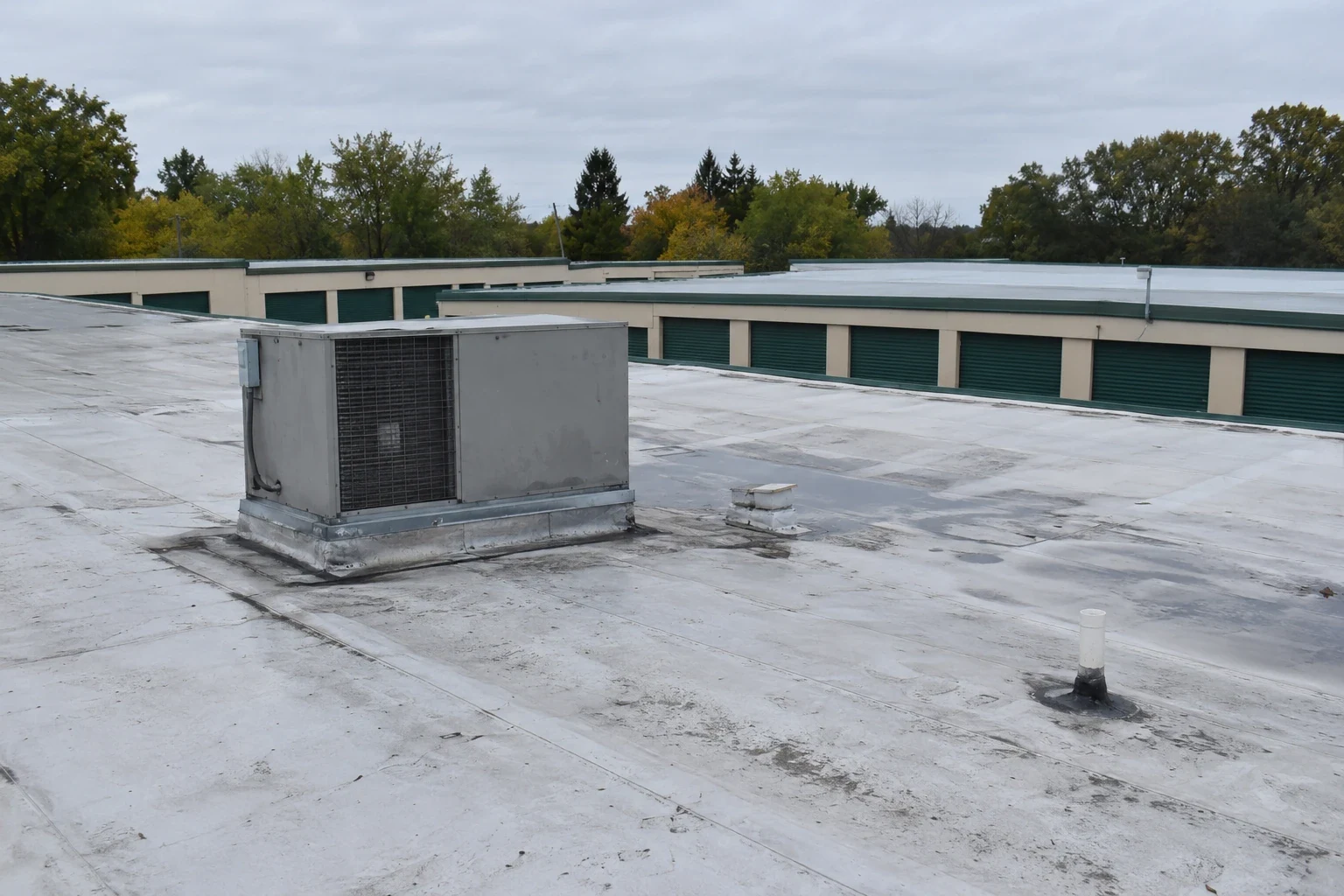
More Property Types We Roof in Westminster
See the rest of our property types we roof for Westminster commercial buildings, or call 555-555-5555 to talk through your roof.
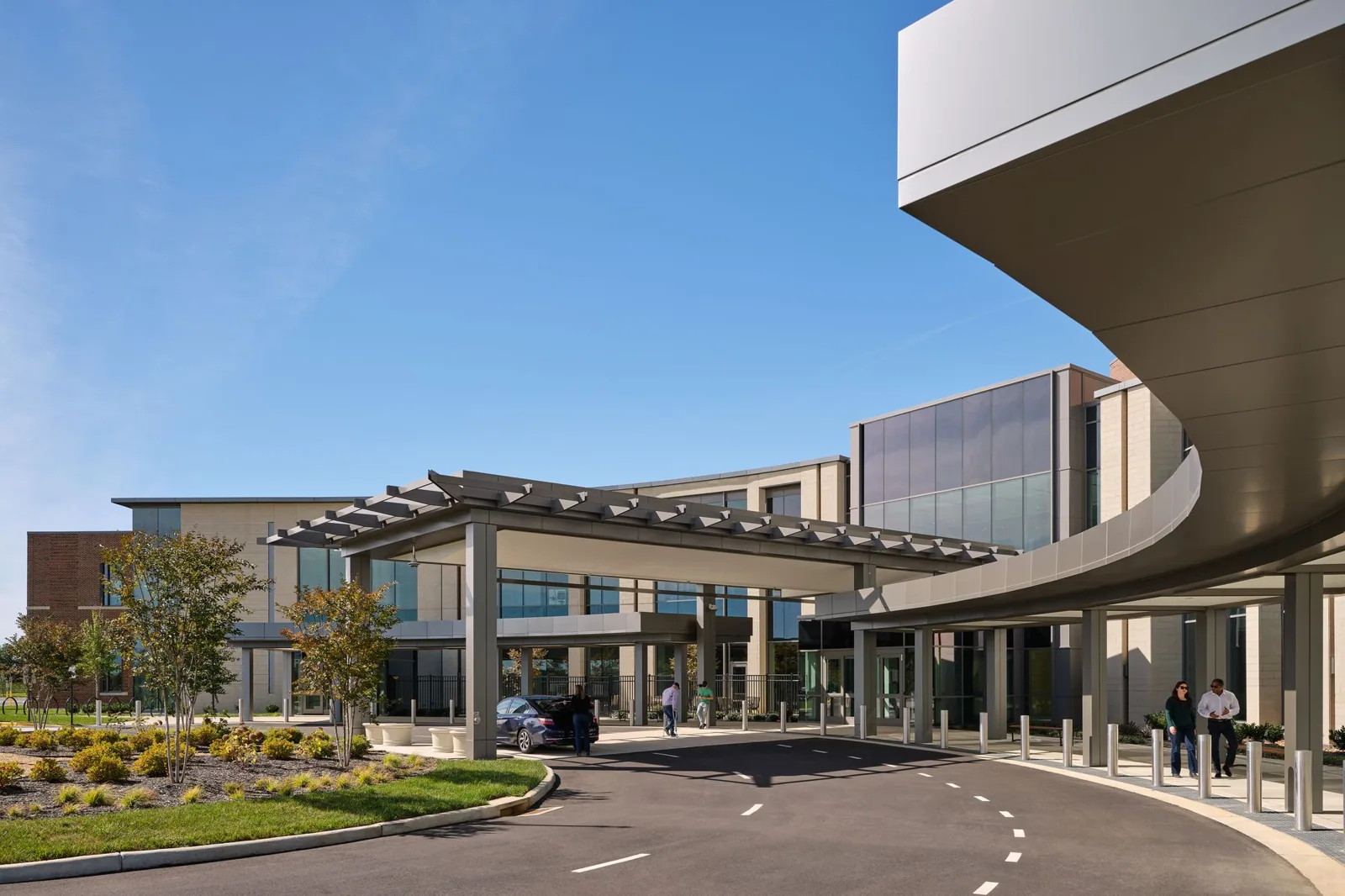
Distribution Center Roofing
Talk to Commercial Roofing Westminster
Call 555-555-5555 or send a request and we will schedule a visit to look at the roof, explain what we find and lay out your options.