
Commercial Roof Condition Reports in Westminster, CO
Get Westminster roof findings tied to photos, locations, repair limits, access notes, and next steps so owners can make practical maintenance decisions.
Commercial Roof Condition Reports
A roof photo without a location can create another inspection instead of answering a question. A condition report should connect each observation to a roof zone, show the detail clearly, and state what the image cannot confirm. For Westminster buildings, weather may prompt the visit, but the report must describe the assembly that was actually inspected.
Put every finding on the roof plan
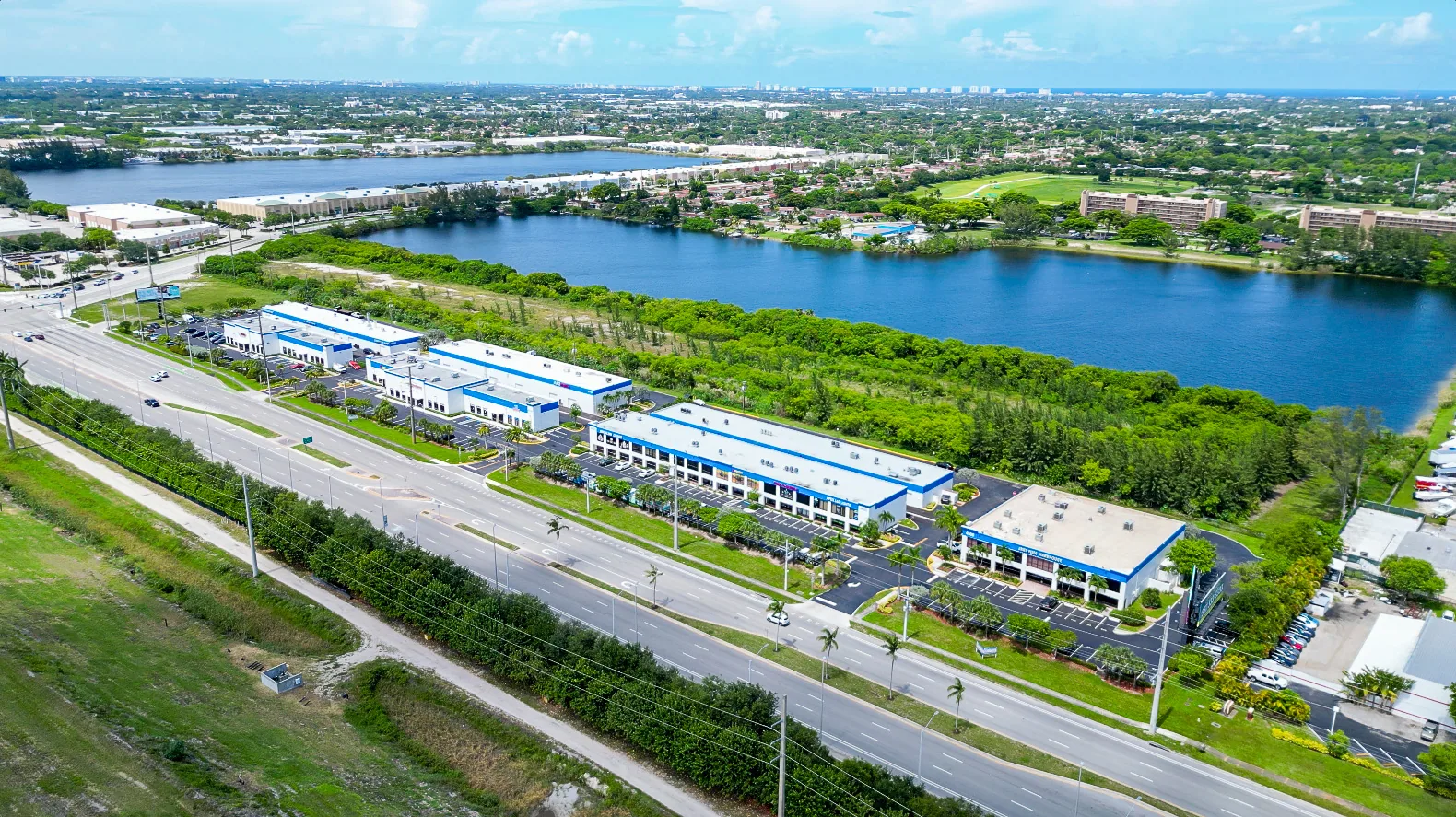
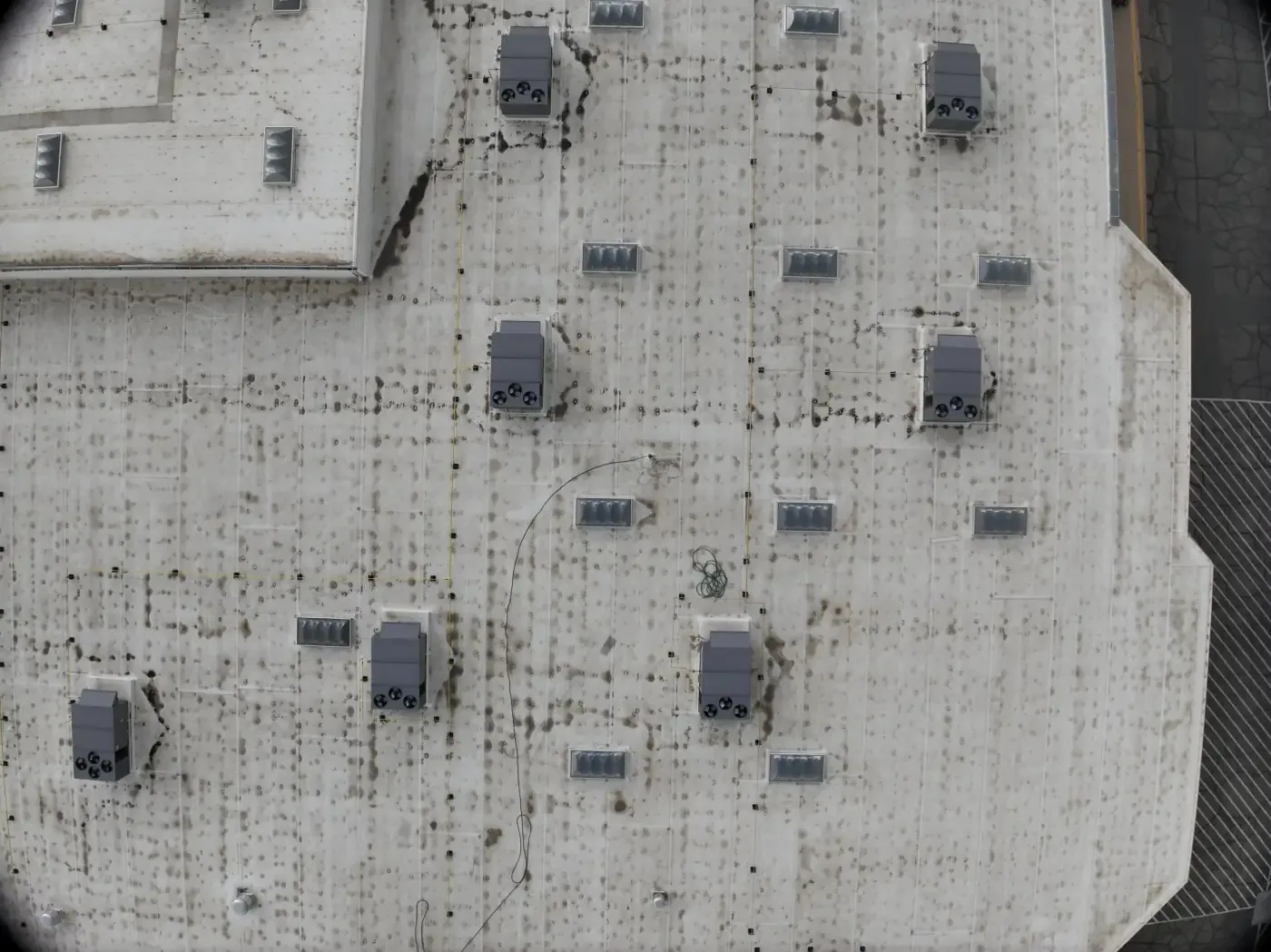
Start with a roof plan, sketch, or marked aerial view. Give each section and detail a reference that the field photos can repeat. Identify drains, parapets, access points, equipment, penetrations, and transitions where they help explain a finding. If no reliable drawing exists, make a simple field map and label its limits. An owner should be able to return to the same location without relying on the inspector's memory.
Westmoor Technology Park contains multiple multistory office buildings, while Circle Point has separate office buildings in the same U.S. 36 corridor. A campus name alone does not identify the roof that was checked. Record the building, roof level, zone, and photo direction for each observation. A Circle Point roof walk should make clear which building the report covers and which structures were outside its scope.
Use a separate marker for each condition rather than placing several concerns under one broad label. If an image shows a lifted flashing edge and a nearby drain obstruction, create two observations and explain whether they appear related. Keep room reports tied to the nearest roof reference only as a hypothesis until the water path is confirmed.
Describe the evidence in plain terms
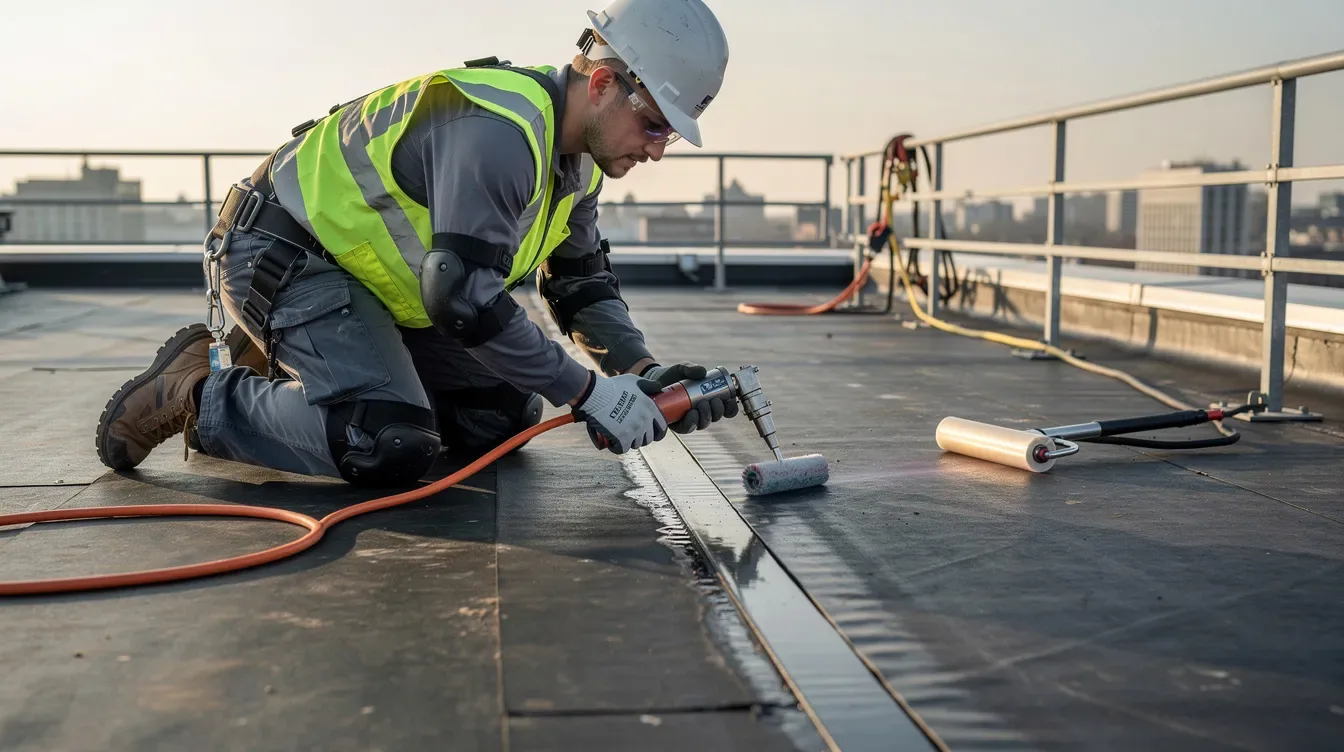
Write what is visible before naming a cause. “Open lap at the north equipment curb” is more useful than “roof failure.” Include material clues, approximate limits, adjacent conditions, water presence, and whether the area could be safely reached. If the assembly or defect cannot be identified from the surface, say what remains uncertain and what inspection or test could resolve it.
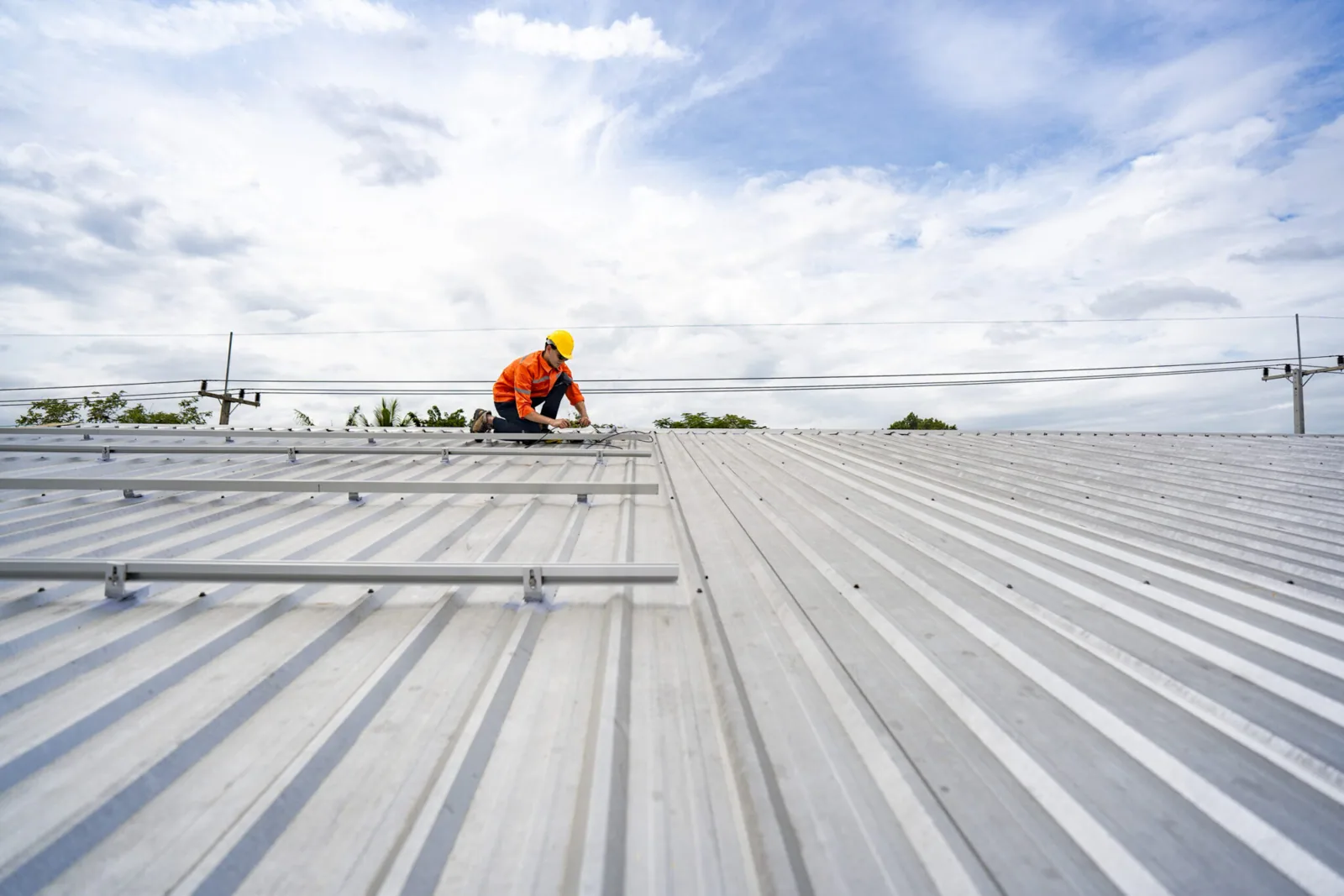
Photos should show both context and detail. The context image locates the condition within the roof zone. The close view shows the seam, fastener, flashing, or surface mark. Keep an inspection photo free of misleading perspective, and use a scale reference where size matters. Do not label a dark mark as hail damage unless the physical evidence supports that conclusion.
When testing is recommended, define the question first. Infrared scanning may help identify temperature patterns consistent with moisture under suitable conditions, but it does not identify every wet area by itself. A moisture survey should state its method, boundaries, and any follow-up needed to confirm a suspect result. Separate test evidence from direct visual observation in the report.
Separate urgent work from watch items
Give each finding a practical next step. A condition may need immediate temporary protection, a scheduled repair, additional testing, routine maintenance, or observation at a later date. State why that action fits the evidence. A priority label without a reason does not help a property manager set work order or budget sequence.
Link severity to consequences that the report can support: active interior water, a compromised access route, blocked drainage, an open roof detail, or a repair that has not been completed. Avoid claiming that a surface issue is structural or that a roof is safe when only a visual walk was performed. If access was restricted, identify the unseen area and explain how that affects the conclusion.
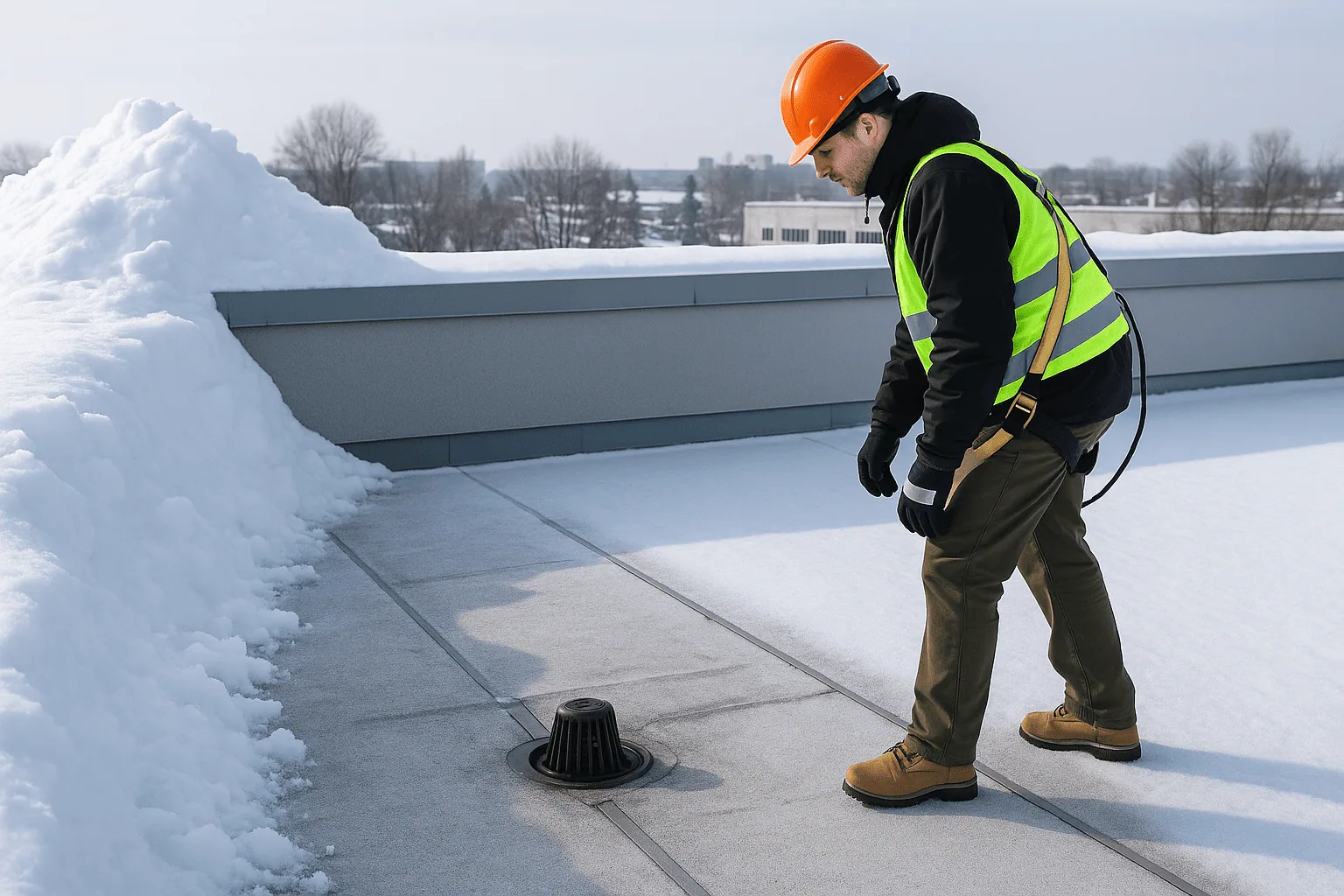
Westminster sees hail, wind, winter weather, heat, and cold. The May 2024 storm brought hail reports near Westminster and roof damage across the northern metro. A storm can justify checking a roof, but it cannot establish the condition of an uninspected building. A hail inspection record should map observed impact marks separately from pre-existing wear and any unverified area.
Define the repair boundary
A repair recommendation needs a perimeter. Identify the defective material, the sound area needed for attachment, the adjacent details to be checked, and any layers that may need opening. State whether the scope is based on visible conditions or confirmed below-surface moisture. If concealed damage remains possible, describe how it will be evaluated before the work expands.
Separate a patch from a larger rehabilitation. List the system or compatible material when known, preparation, flashing or edge work, drainage correction, protection, and the closeout evidence expected. Do not use a report to promise a service life or warranty period. The report should let an owner compare the recommended repair with the observed defect and ask a useful question about exclusions.
A repair scope can use the report's marked boundary as its starting point. If the findings suggest broad replacement, identify the supporting conditions and any testing still outstanding. Keep the report and proposal linked but distinguish inspection facts from the contractor's proposed means and methods.
Get roof findings you can use
Share the Westminster property, building list, roof plans, known leak locations, access contact, and reason for inspection. We will return mapped findings, photos, repair limits, and next steps.
Read the roof within its building context
Westminster's business activity spans technology, aerospace, health and life sciences, financial services, hospitality, and retail. That variety changes access and scheduling, not the physical evidence. Note operating hours, sensitive rooms, tenant access, and equipment restrictions only when they affect the inspection or work. Do not infer a roof condition from the business using the building.
At the 120th Avenue corridor, retail is concentrated along Federal Boulevard and 120th Avenue. A report for an occupied shopping property can note the safe route, staging constraint, and areas inspected while keeping roof findings tied to each building. For office and flex space at Westmoor, identify the relevant roof level and equipment zone. These context notes make the next visit practical without turning a location fact into a condition claim.
If the visit follows weather, include the event date from the owner and the conditions observed on site. Compare reports from prior inspections only when roof locations and methods match. A roof asset record can preserve this sequence, while a capital review can use confirmed findings to evaluate timing.
Leave a clear next step
Close the report with a concise list of recommended actions, responsible party, access needs, and due date or trigger. Include photos, map references, observed conditions, areas not inspected, and open questions. If temporary protection was installed, identify its location and the need for permanent follow-up. Keep the report dated so a later visit can compare what changed.
For a multi-building portfolio, issue a separate report for each roof and use a shared rating method. This keeps the comparison useful without suggesting that one building's defects apply to another. The owner can then sort immediate repairs, further investigation, and longer-term planning from evidence that remains attached to the correct asset.
For a Westminster inspection, provide the property and building names, any leak history, roof plans, access contact, and reason for the visit. We will map what was seen, identify what could not be confirmed, and set out the repair or testing decision that follows. The resulting document should help the next person act without guessing where the photo was taken.
Commercial Roofing Questions
What makes a roof report useful to a property manager?
Each finding should have a roof location, clear photo, plain description, limits, priority, and next action.
Can photos confirm wet insulation?
A surface photo cannot show concealed moisture. Use an appropriate test when the repair decision depends on conditions below the membrane.
Should one report cover an entire campus?
A shared format can cover a portfolio, but each building and roof zone needs its own findings and conclusion.
How should a report handle inaccessible roof areas?
Name the area and the access limit, then explain which conclusions remain open until it can be inspected.
Does a Westminster storm report prove our roof was hit?
No. It provides regional context. The condition report needs building-specific observations and should identify any uncertainty.
Related Roofing Work
Circle Point
Read more
Infrared Moisture Survey
Read more
Commercial Hail Damage Roof Repair
Read more
Commercial Roof Repair
Read more
More Roofing Capabilities in Westminster
See the rest of our roofing capabilities for Westminster commercial buildings, or call 555-555-5555 to talk through your roof.
Commercial Roof Condition Reports
Talk to Commercial Roofing Westminster
Call 555-555-5555 or send a request and we will schedule a visit to look at the roof, explain what we find and lay out your options.