
Commercial Roofing for Property Managers in Westminster, CO
Manage Westminster commercial roofs with documented inspections, leak response, repair scopes, and budget planning across occupied properties.
Property Managers
After a hail report or tenant leak call, sort the portfolio by roof, not by inbox. The May 30 hail event crossed Northglenn and Thornton, as well as Broomfield; roof damage was documented during that storm in the north metro. That makes a timely inspection reasonable, but each building still needs its own evidence. Commercial Roofing Westminster records the roof section, observed condition, temporary protection, and next action so a manager can assign the right work order.
Give each building one usable roof record
Property managers often inherit plans, repair invoices, and photographs that use different building names. Start with a roof map that identifies the property, section, access point, drains, equipment, and prior repair locations. A consistent label lets maintenance staff compare the same seam or curb over time. It also prevents a tenant report at one address from being attached to the wrong roof history.
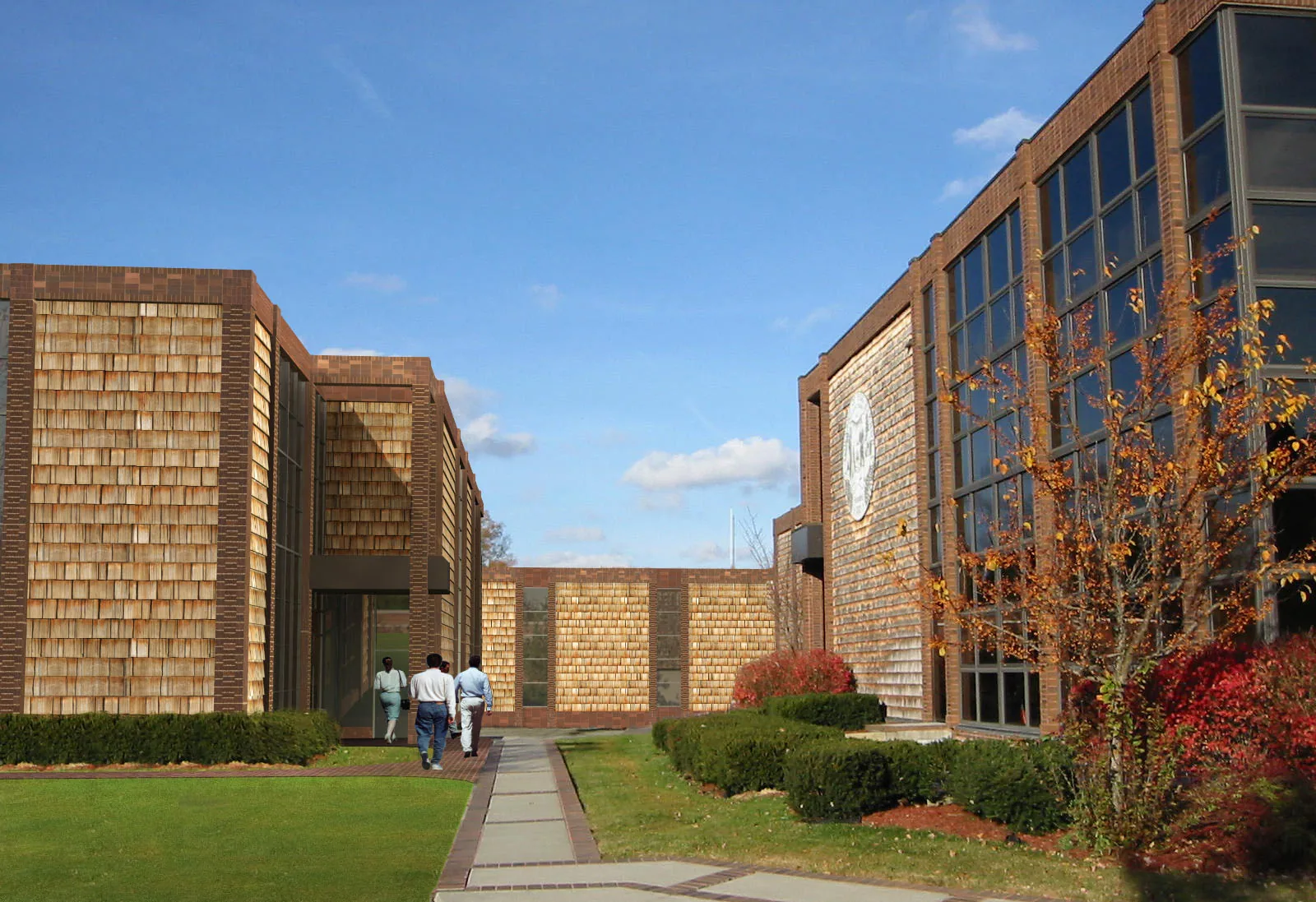
Westmoor Technology Park includes ten multistory office buildings, while Circle Point has two existing office buildings and an additional entitled structure. Those campus facts describe building portfolios, not roof systems. Managers working across these U.S. 36 properties can keep separate records for each structure, then roll up open repairs and inspection dates without treating a campus as one roof.
A roof asset record can track system type, repair date, access limits, and follow-up needs. The maintenance team should be able to find the current file before an urgent call, not reconstruct it after water reaches an occupied suite.
Triage the call before assigning a crew
A roof ticket needs a location, timing, interior effect, and access contact. Ask which room or tenant reported water, when it appeared, whether it changes with rain or melt, and what equipment needs protection. This narrows the first inspection area without assuming the stain sits directly beneath the defect. Keep the report separate from a confirmed roof finding until the inspection ties them together.
For active water, arrange interior protection and a safe roof route. A commercial leak investigation can trace the affected section and mark a temporary dry-in separately from permanent repair. The manager receives the action taken, any access restriction, and a follow-up date. If the roof cannot be reached, document that limit rather than closing the ticket as resolved.
Tenant communications benefit from a clear status: inspection scheduled, temporary measure completed, repair scope pending, or work finished. A short note should name the area and next decision. It should not promise that no further water will appear before the roof has been checked after the next weather event.
Schedule checks around Front Range weather
For managed portfolios, capture the completed tie-in and adjacent detail for closeout; record who owns the next inspection or repair step. A property manager should use the actual roof's drains, overflow routes, low areas, and parapets to judge performance. After melt, record ponding duration, debris, blocked outlets, and any leak report. A regional number cannot tell whether a roof at Westmoor or Circle Point retained water.
Hail, wind, thunderstorms, and winter conditions call for different observations. Following a storm, inspect metal edges, membrane fields, skylights, and equipment supports for visible change. During a safe seasonal visit, check sealant transitions and drainage before freezing weather. A planned maintenance program can put those checks on the calendar and keep routine findings distinct from event-related damage.
Do not send a crew onto an icy, wet, or wind-exposed roof just to satisfy a calendar date. Reschedule the walk, tell the tenant contact, and arrange an interior response if a leak is active. That sequence protects people while preserving a clear record of why the visit moved.
Separate repair work from capital planning
A single puncture, failed seam, or curb detail may need a local repair. Several leak zones or broad moisture evidence may justify testing and a larger review. The inspection should name the material where known, identify the repair boundary, and list concealed conditions that remain untested. This keeps a small work order from quietly turning into an unpriced replacement project.
For a portfolio budget, group roofs by observed condition, active leak exposure, access needs, and timing. A roof capital plan can distinguish immediate protection, near-term repairs, and later renewal. It should identify assumptions and measurements, since building floor area is not a roof quantity. Bid scope and schedule also depend on staging, tenant hours, equipment, and removal requirements.
Westminster began enforcing its 2021 International Code editions in June 2024. The permit history and project jurisdiction identify which building and energy provisions apply to a specific property. Keep that coordination with drawings and submittals instead of inferring compliance from a prior repair or an existing assembly.
Organize your Westminster roof portfolio
Share the property list, roof plans, current leak tickets, access contacts, and upcoming tenant or capital work. We will return building-level findings, repair boundaries, and follow-up actions.
Plan roof work around tenants and access
Occupied offices, retail suites, and service spaces need clear notice before crews arrive. Confirm entry rules, work hours, noise-sensitive periods, material staging, loading access, and protection below roof openings. The property team assigns one person to approve a changed route or a delayed closure. The roofing lead reports which section is open, protected, and ready for use at the end of each shift.
A phased occupied-building reroof can divide work into manageable zones. The plan shows daily closure targets, tenant notifications, debris paths, and who confirms affected rooms are clear. At Circle Point or Westmoor, campus circulation and separate building contacts may need their own sequence. The specific arrangement comes from the property, not from the fact that the buildings share a business park.
For a multi-property manager, maintain an access sheet with keys, escort rules, roof ladders, fall-protection tie-off points, and emergency contacts. Review it before mobilization and update it after changes to locks, equipment, or tenant use. That preparation saves time without assuming crews have access to every roof area.
Close each work order with evidence
A useful closeout file contains before-and-after photos, roof-zone labels, material installed, work limits, and any conditions left open. State whether water was present, what was repaired, and what still needs monitoring. If concealed insulation or attachment was not tested, say so. Managers can then compare the actual repair with the tenant ticket and decide whether another inspection is needed.
For owners and investors, a portfolio review may connect roof condition to acquisition, capital, or hold decisions. A construction coordination plan can help when a property is also under renovation. Keep each report tied to the building and roof section so those broader decisions stay grounded in evidence.
Managers who maintain a schedule, access record, and repair history can respond faster to the next call. The goal is practical: know which roof was checked, what changed, and who owns the next step.
Commercial Roofing Questions
What should a tenant leak ticket include?
Record the room, time, weather, visible water, affected equipment, contact, and access limits. Map each report to the property address, affected room, and roof section before dispatch.
Can maintenance visits cover several properties in one trip?
Yes, if access, roof maps, and site contacts are ready for each stop. Each property still receives its own observations, photos, and follow-up list.
How should we handle a hail report across the portfolio?
Start with buildings in the storm area and inspect their actual roofs. Record visible changes separately at each address; nearby reports do not prove impact on every property.
What belongs in a capital request?
Use measured roof sections, inspection evidence, repair history, access constraints, and a clear split between urgent work and planned renewal.
How do you protect tenants during replacement?
A phased plan sets work zones, interior protection, notices, daily closure points, and the contact who confirms an affected area can return to use.
Related Roofing Work
Westmoor Technology Park
Read more
Commercial Roof Asset Management
Read more
Commercial Roof Leak Repair
Read more
Commercial Roof Maintenance
Read more
More Industries We Serve in Westminster
See the rest of our industries we serve for Westminster commercial buildings, or call 555-555-5555 to talk through your roof.
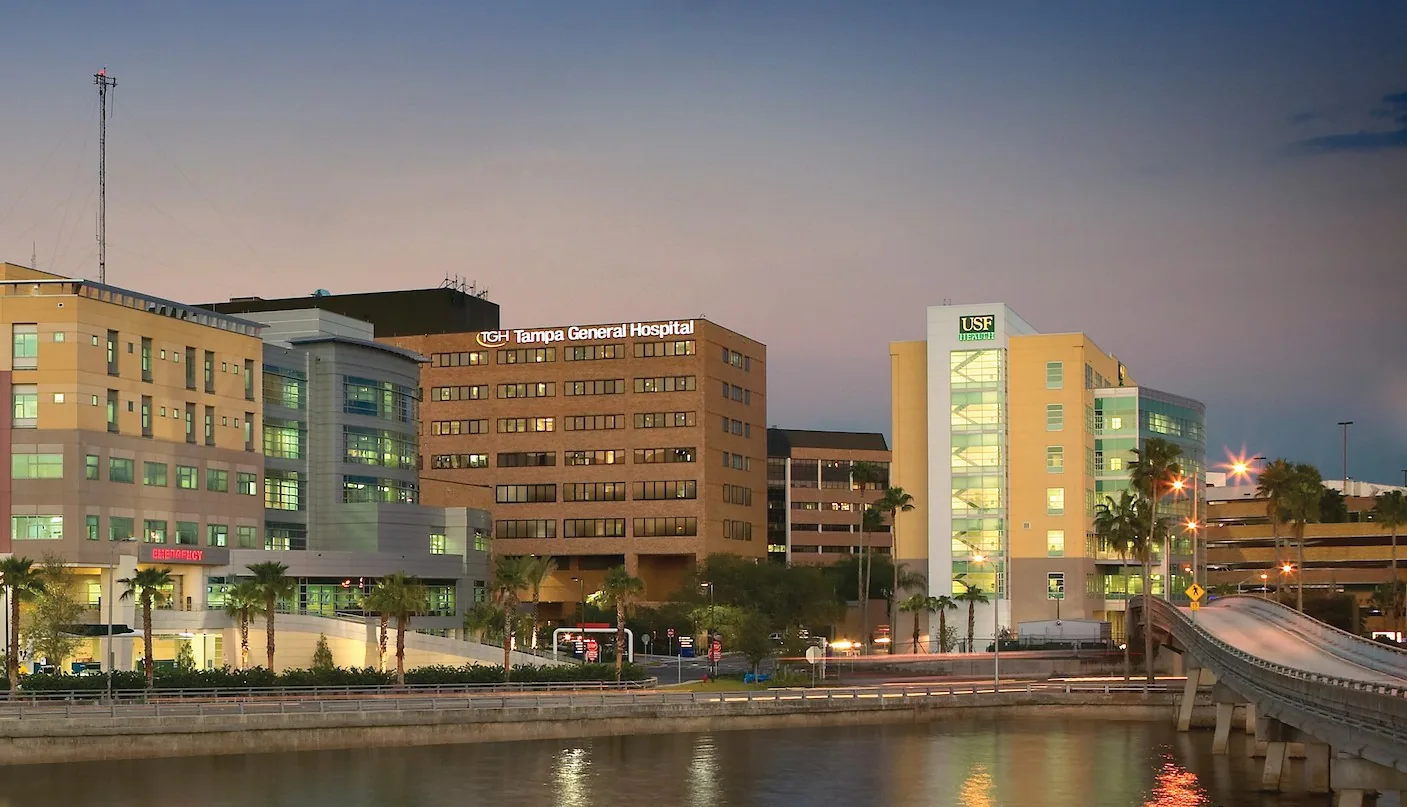
Property Managers
Talk to Commercial Roofing Westminster
Call 555-555-5555 or send a request and we will schedule a visit to look at the roof, explain what we find and lay out your options.