
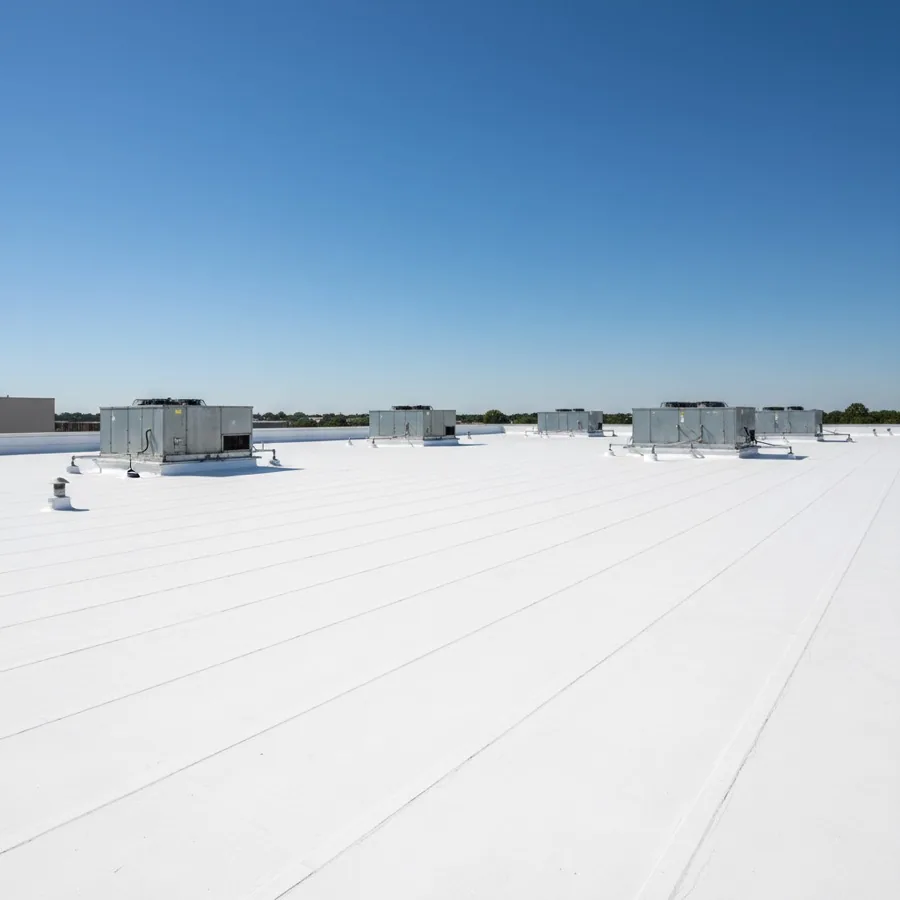
Commercial EPDM Roofing in Westminster, CO
Inspect Westminster EPDM roofing for seam, flashing, puncture, and drainage problems. Compare a compatible repair with recover or replacement options.
Commercial EPDM Roofing
After a cold snap, inspect the EPDM seams and flashing where roof sections meet curbs or walls. Rubber membrane can remain serviceable while an adhesive lap or boot needs attention. Westminster's weather moves from snow and freeze-thaw to summer heat and hail. Those shifts make a roof check sensible, but the field condition decides whether an EPDM repair is needed. We inspect the sheet, seams, penetrations, and drainage before setting a scope.
Check the membrane and its laps
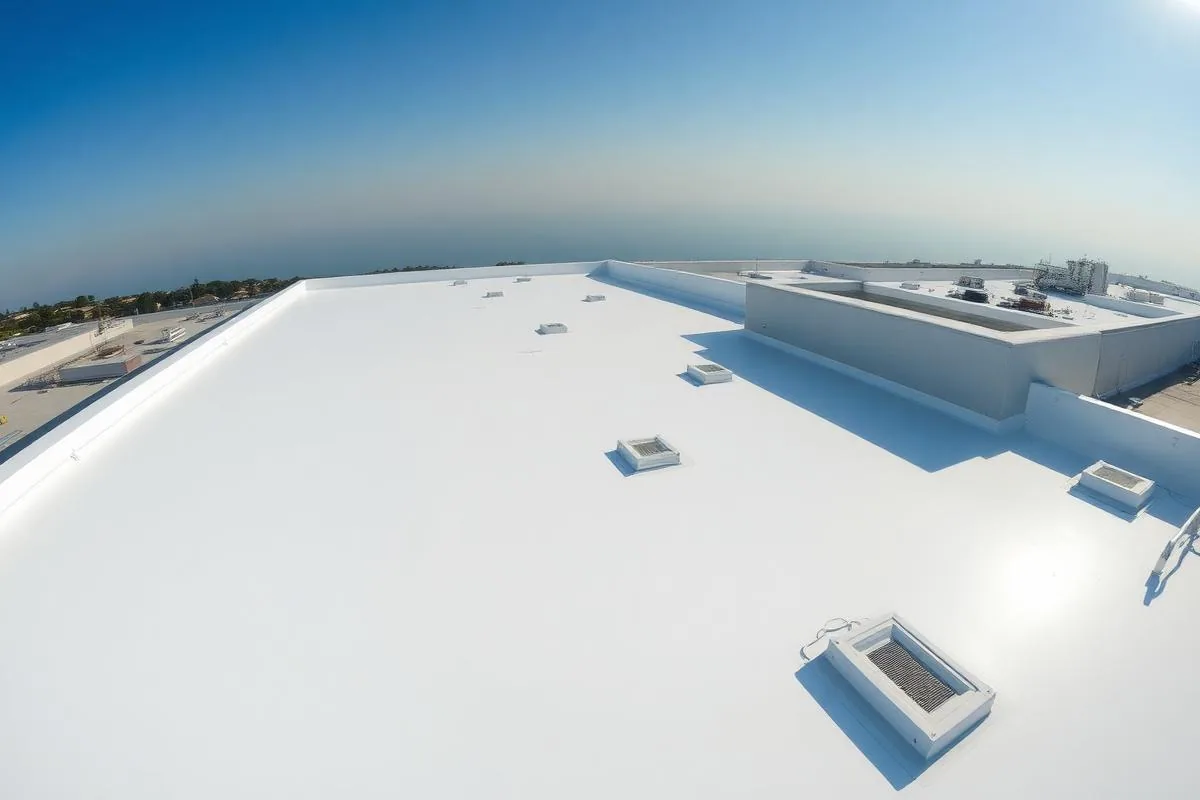
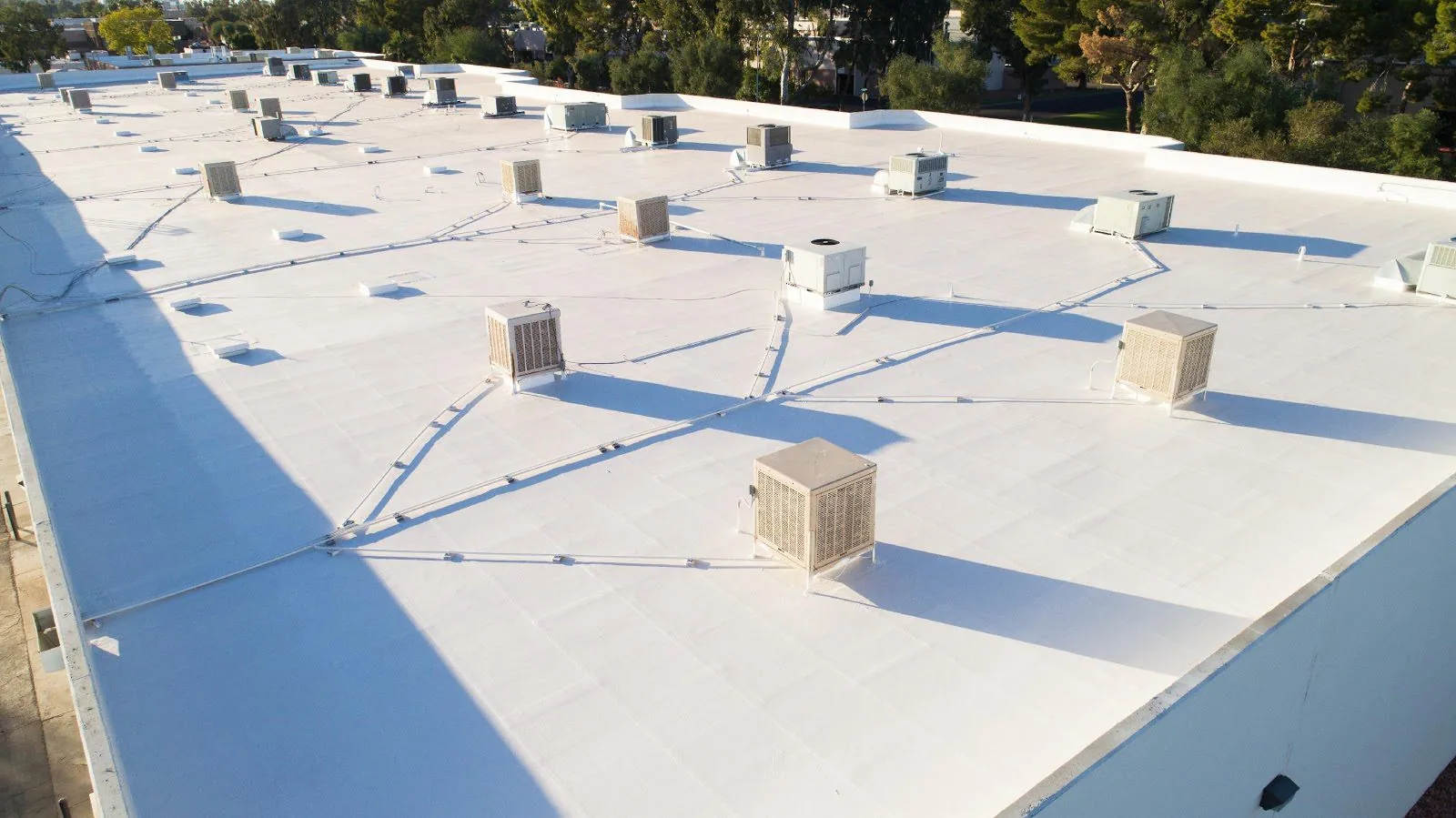
EPDM is a flexible rubber roofing membrane. Seams are formed with compatible seam tape and adhesive, not a hot-air weld. We check lap edges for dirt, wrinkles, fishmouths, lifting tape, and movement. The condition of the underlying substrate matters too: a wrinkle can reflect installation detail, movement, or a surface change. The inspection records what is visible and whether a test opening is justified.
Small punctures can be patched when the surrounding sheet is clean and sound. A scuff can remain cosmetic, while a contaminated surface can undermine an otherwise sound patch. We identify the sheet, clean and prepare the repair area, apply compatible primer and patch material, and inspect the edge. If the sheet is brittle or numerous seams are lifting, a wider review may be needed.
A roof at a facility near Westmoor Technology Park can have equipment additions over time. We mark boots, conduit, and repaired seams by roof zone, so the next maintenance visit can tell original details from later work.
Inspect boots, curbs, and transitions
EPDM flashing has to connect the membrane to pipes, drains, walls, curbs, and edges. We inspect molded boots, field-formed flashing, clamping rings, termination bars, and counterflashing where present. A boot that has stretched or cracked may leak even when the surrounding sheet looks intact. At equipment curbs, the uphill side and corners deserve attention because water and foot traffic meet there.
Drains need a secure membrane connection and a clear path below the strainer. Scuppers require an intact sleeve and termination at the opening. At the roof edge, membrane attachment and metal detail work as one assembly. A drain and edge check can map those transitions when a leak or overflow is reported.
If moisture appears indoors, the stain location may not sit directly below the entry point. We compare roof slopes, deck direction, and nearby details with the interior report. A leak investigation documents the path and keeps confirmed EPDM defects separate from areas that need further testing.
Check drainage and event damage separately
Westminster snowfall varies across the Denver metro. The practical question is whether this EPDM roof drains through its outlets and overflows after melt, not how much snow fell at another location. We note low areas, sediment lines, blocked strainers, and standing-water limits. If a slope correction or deck review is outside the roofing repair, the report says so.
Hail reports near Westminster in May 2024 and storm damage elsewhere in the north metro make an inspection reasonable after a local event. They do not establish a puncture on this building. We look for fresh marks, splits, displaced metal, and open laps. An event inspection can record those findings and any temporary protection.
At a commercial property along the 120th Avenue corridor, roof access and tenant paths affect when a follow-up can happen. We coordinate a safe route and document which roof zone was checked. The same care applies when snow, ice, or wet surfaces limit access.
Decide whether the sheet can stay
A repair is most useful when it addresses a specific opening and the surrounding EPDM can accept compatible materials. We report the patch location, seam or flashing condition, and any nearby area not tested. If repairs recur across multiple sections, we review membrane age where known, seam condition, moisture, attachment, and insulation before recommending broader work.
An overlay is worth pricing only after moisture, attachment, available edge height, and project requirements have been checked. That recover review measures edge height and verifies that drains remain accessible and functional. If the deck or insulation needs extensive work, a replacement scope may be more direct.
EPDM can be mechanically attached, adhered, or ballasted depending on system design. The existing attachment and wind requirements matter before a new layer is selected. We do not assume an older assembly is suitable for a new one just because its membrane remains in place. Compare a welded TPO assembly or a PVC system only after the exposure and roof conditions are understood.
Check the EPDM details
Send the Westminster address, roof map, known EPDM system, reported leak or seam, access contact, and recent weather or equipment history. We will check the sheet, laps, flashing, and outlets, then define a repair or renewal scope from the observed condition.
Keep seams accessible for inspection
Maintenance removes debris, checks seams and flashing, clears approved outlets, and records new conditions. Walking paths around rooftop equipment help reduce accidental cuts and abrasion. Any pad or walkway must be compatible with the membrane and should not cover a defect. We photograph repairs and note where service personnel regularly cross the roof.
Westminster has office, industrial, health, and retail properties with different access rules. A building near Westmoor or the North I-25 commercial area may need a planned roof-entry window. We coordinate with the site contact and keep the inspection focused on the roof area and details named in the work order.
When a roof has suspected wet insulation below EPDM, surface appearance may not settle the issue. Moisture mapping or selective test openings can help determine the affected area. The owner approves any destructive test location, and the opening is restored after inspection. A maintenance log then records what the test confirmed and which locations remain unexamined.
Prepare the surface and close each phase
New EPDM installation starts with a sound deck and a prepared substrate. The crew checks insulation layout, attachment, cover board, membrane direction, and seam placement. Adhesive and tape require clean, dry surfaces and the specified application conditions. At curbs, drains, and walls, the flashing method follows the approved system detail.
Wind, cold, heat, and precipitation affect handling and bonding. Rolls are staged securely, and open areas receive a defined temporary closure if work stops. The foreman checks seams and flashing before moving to the next roof zone. If concealed damage appears, the owner sees the condition and scope change before added work proceeds.
At closeout, photos show field laps, terminations, repaired details, and drainage paths. A roof condition record can organize the baseline and follow-up items. Any warranty or manufacturer documentation depends on the specified system and project acceptance.
Record the membrane and repair limits
The EPDM record identifies the roof section, sheet condition, seam and flashing observations, completed repair, test limits, and next action. Photos show the repair edges and nearby details. If concealed insulation, deck, or plumbing remains outside the scope, the closeout names that boundary so the owner does not treat an untested condition as resolved.
For properties around Westminster, label buildings and roof zones rather than relying on a portfolio-wide description. A North I-25 site may have several roof sections, each with distinct drains and repairs. Keep the service record with the roof plan and current access notes.
Send the Westminster address, EPDM history, roof plan, leak location, recent weather or service work, and access contact. We will inspect the field and details, then explain whether a local repair, test, recover, or replacement matches the condition found.
Commercial Roofing Questions
Can EPDM be patched after a puncture?
A patch is suitable when the surrounding membrane is sound and can be prepared for compatible tape or flashing material. We check the defect and define the repair area.
Do EPDM seams get welded?
No. EPDM laps use compatible adhesive and seam tape. We inspect the bond and edge condition and use the specified preparation for a repair.
What causes EPDM seams to lift?
Contamination, aging, movement, moisture, or poor original preparation can contribute. We inspect the lap and nearby substrate before choosing a repair method.
Can another membrane go over EPDM?
A recover needs review of moisture, attachment, height, drainage, and code. We verify the existing assembly before proposing a new layer.
Should hail marks on EPDM be repaired?
We inspect for a split, puncture, seam opening, or damage to a nearby detail. A visible mark alone does not show that water can pass through the sheet.
Related Roofing Work
Westmoor Technology Park
Read more
Commercial Roof Leak Repair
Read more
West 120th Avenue Corridor
Read more
Commercial Roof Recover
Read more
More Roof Systems in Westminster
See the rest of our roof systems for Westminster commercial buildings, or call 555-555-5555 to talk through your roof.
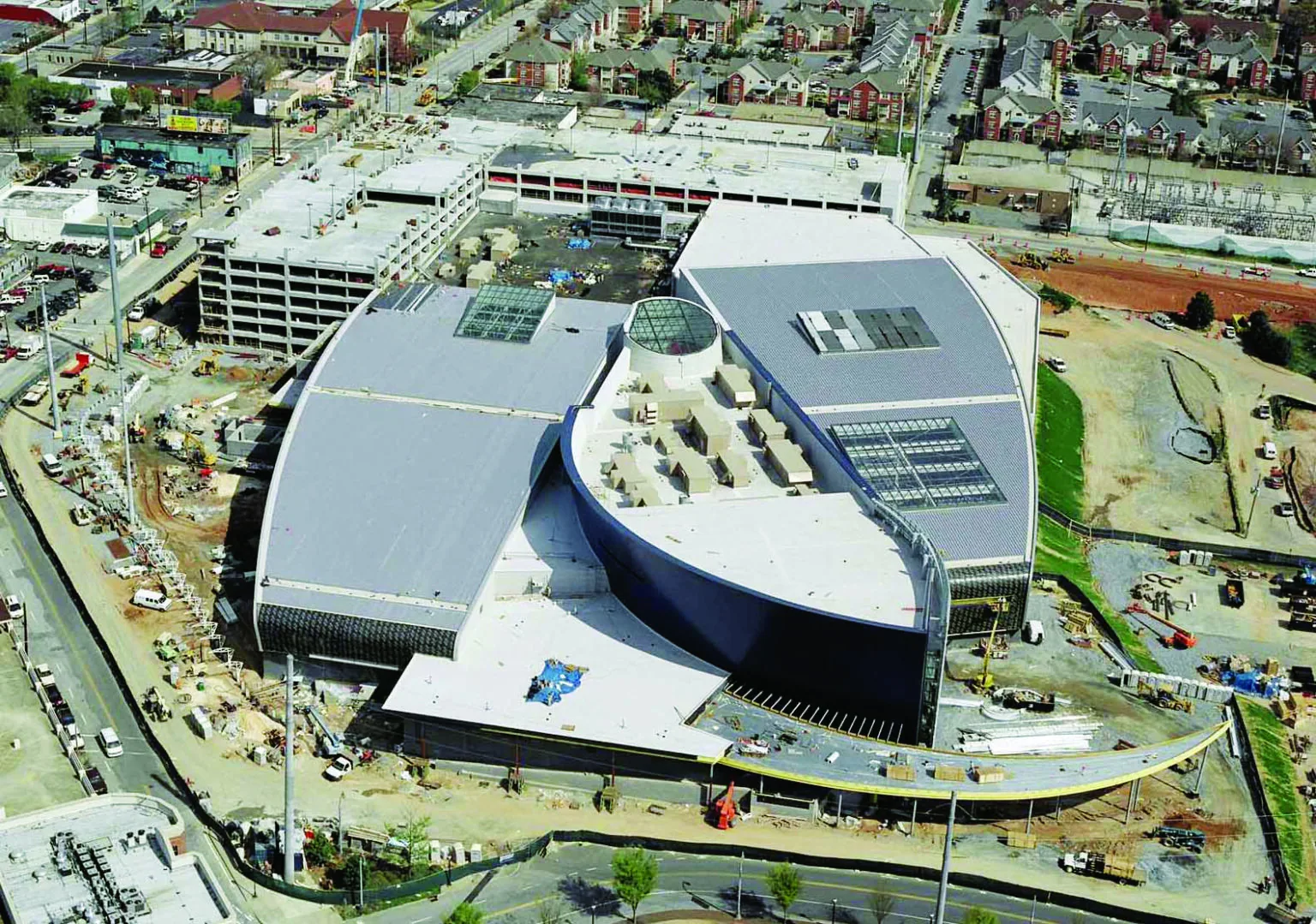
Commercial EPDM Roofing
Talk to Commercial Roofing Westminster
Call 555-555-5555 or send a request and we will schedule a visit to look at the roof, explain what we find and lay out your options.