
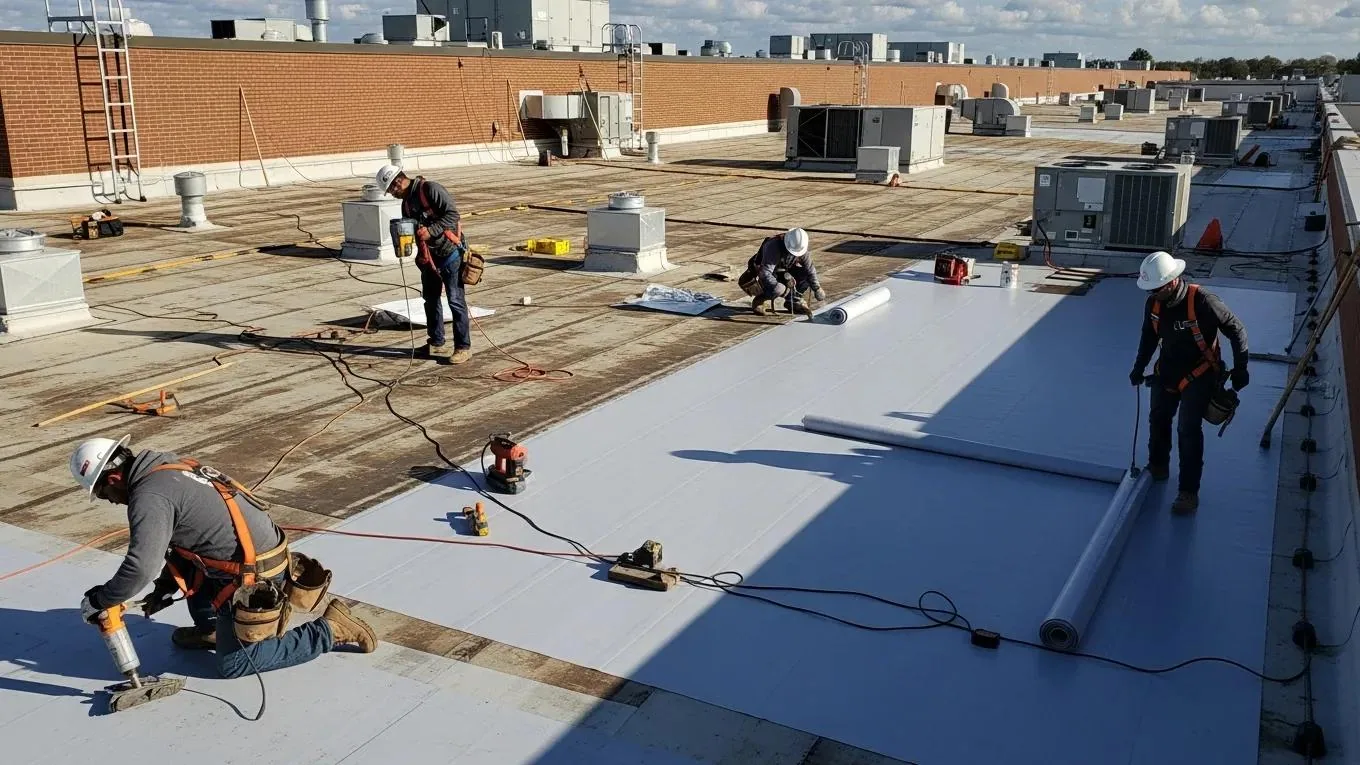
Commercial Heat and UV Roof Damage Repair in Westminster, CO
Find and repair heat and UV damage on Westminster commercial roofs. Inspect membrane, seams, flashing, and insulation before selecting a repair.
Commercial Heat and UV Roof Damage Repair
A roof can look dry and still show heat wear at seams, corners, or exposed flashing. Westminster sees heat, cold, hail, wind, and winter weather. Begin with the roof surface, then compare marks with interior reports and maintenance history before choosing a repair.
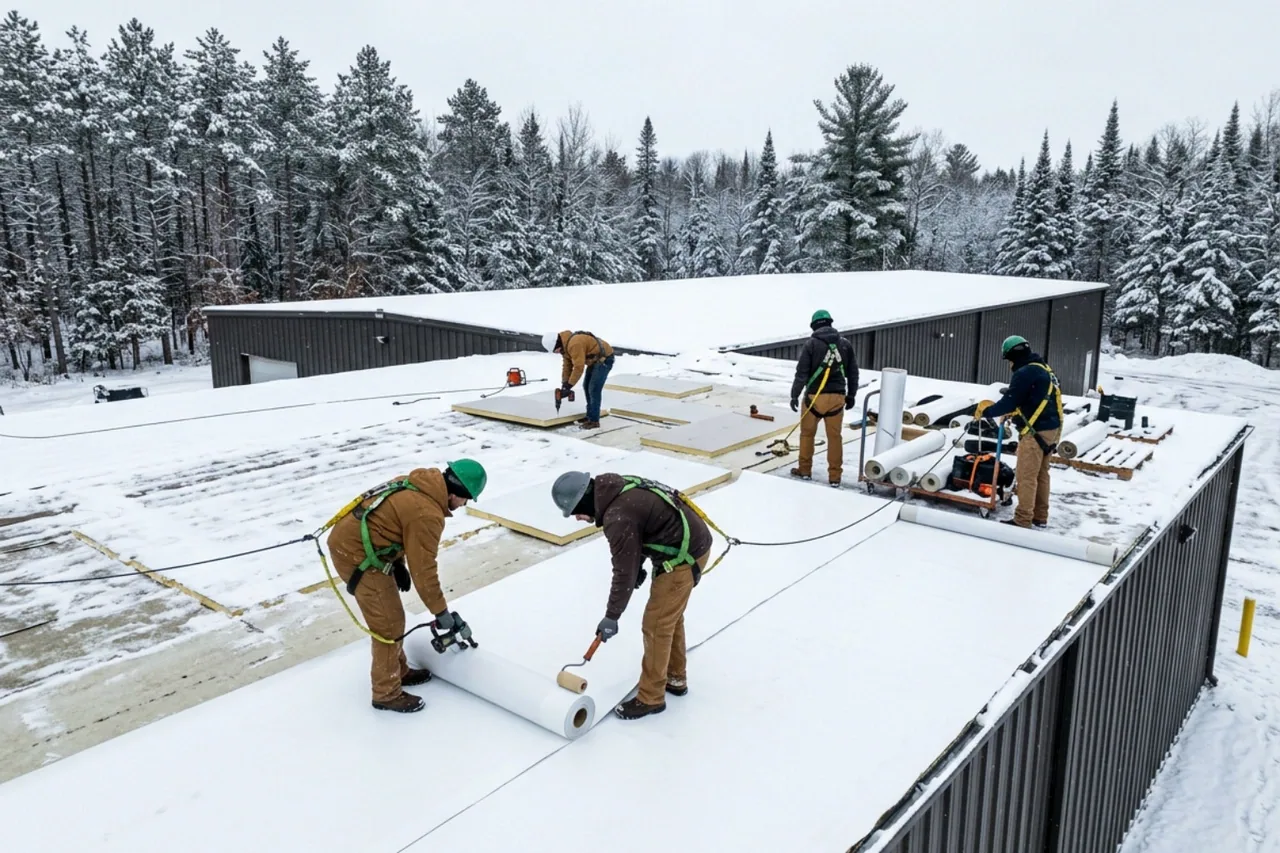
Separate surface aging from a leak
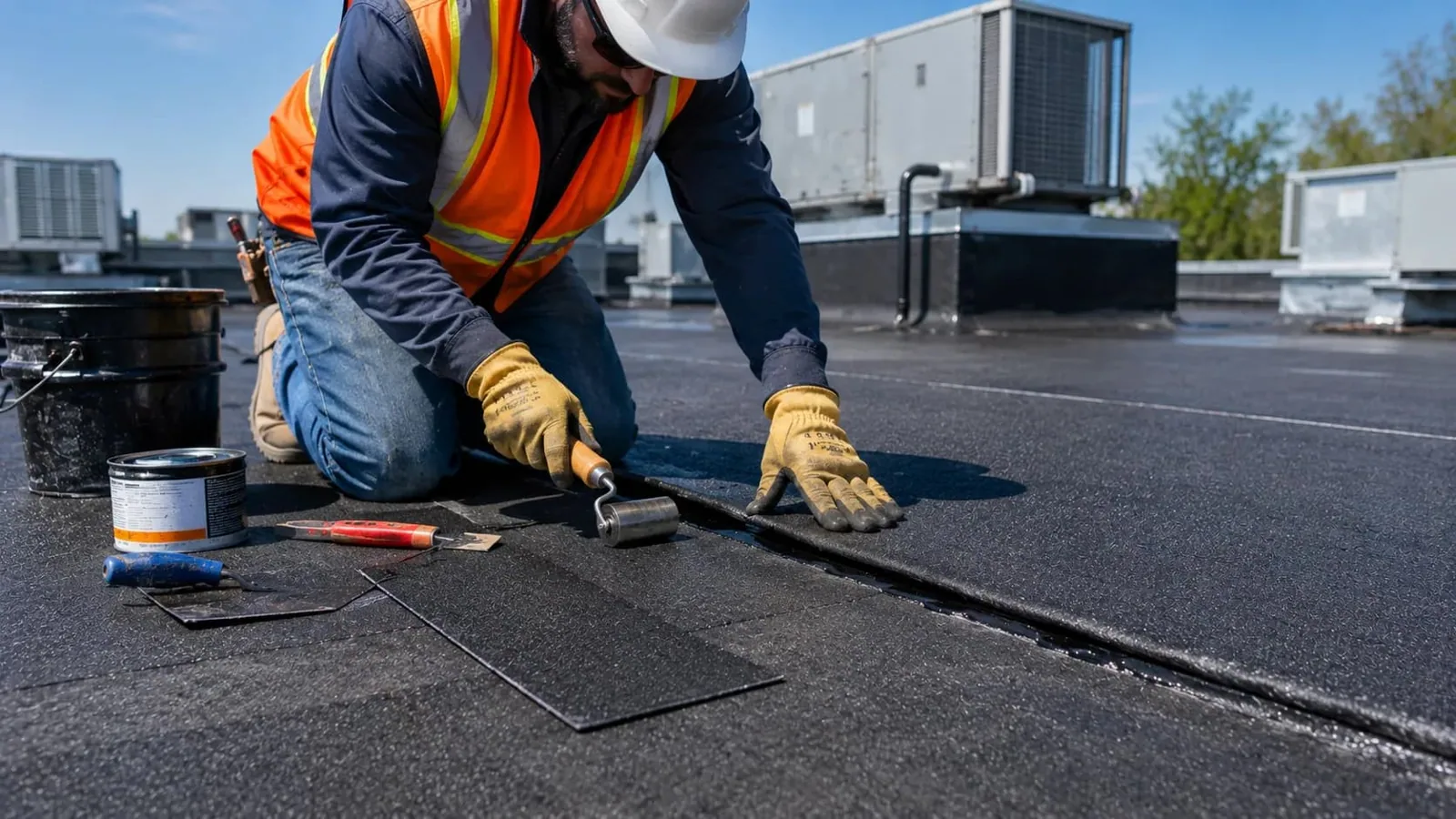
Sun exposure can dry or embrittle exposed materials. Heat can make a membrane expand, then contract as conditions cool. The result may be a crack, open lap, pulled termination, or sealant that no longer bridges a joint. Discoloration alone does not prove water entry. Map the area and check texture, bond, and continuity.
Walk each roof zone in a repeatable pattern. Note wear on the field, at curbs, along the perimeter, and at material transitions. Photograph the area and close detail with a scale reference. Then compare those observations with the room and timing in the interior report. A commercial roof inspection can document the condition and identify where testing may answer an open question.
Westminster's weather also includes hail, wind damage, thunderstorms, and cold events. Do not assign every mark to heat. Keep impact evidence, drainage, and surface aging in separate notes. A hail damage review can record impact findings while the heat assessment traces seams, exposed details, and brittle material.
Read the membrane and its details
Start where the roof changes direction or material. Check laps, T-joints, corners, penetrations, equipment curbs, and transitions to metal. Look for fishmouths, shrinkage, exposed reinforcement, split sealant, or a flashing edge that has lifted. Confirm whether the defect is active, whether the adjacent membrane remains bonded, and whether insulation beneath it is wet. Include sound material beyond the visible defect in the repair boundary.
Different assemblies age differently. Thermoplastic seams, EPDM seams, modified-bitumen laps, and coating surfaces need system-specific inspection and repair materials. Identify the installed roof type before applying a patch. If the system is unknown, review records or use an approved investigation. Surface color does not identify the membrane or prove coating compatibility.
At Westmoor Technology Park, the office and flex campus includes multistory buildings with different roof zones and service conditions. That local building context is a reason to document each roof separately, not a basis for assuming one roof assembly across the campus. On a Westmoor roof area, record the building, section, system clues, and exact detail inspected so later work can return to the same location.
Follow the water path
When an interior stain appears below a heat-worn area, trace the path instead of matching the stain to the nearest surface crack. Water can travel along a seam, insulation joint, deck flute, or framing before appearing inside. Compare roof plans, drains, low points, and penetrations between the suspected entry and room. On a multi-layer roof, distinguish the surface from the assembly below.
Infrared or other moisture testing may help locate wet insulation, but the test must be suited to the roof and conditions. Mark the test limits and explain what results establish. A moisture survey can support a repair decision when visual inspection leaves a concealed area uncertain. Confirm suspect findings with an appropriate follow-up method before specifying broad removal.
Circle Point has office buildings and a planned mix of commercial, residential, and recreational uses. For an occupied property in that corridor, route the inspection around access controls and business activity. The report should separate the affected roof zone from any neighboring space, list rooms with reported water, and note which areas were not accessible. This makes the next inspection more useful if the symptom returns.
Choose a repair that matches the failure
A local split in otherwise sound material may need a compatible patch or seam repair. A pulled edge may require opening the transition, replacing damaged components, and restoring secure termination. Cracked flashing at a curb calls for work on the flashing assembly, not a surface coating spread across the symptom. If moisture has reached insulation, include the wet area in the scope and explain how the extent will be confirmed before replacement.
When several nearby details show the same pattern, check whether one movement joint, drainage condition, or attachment issue connects them. A seam repair should identify the roof system, seam length, preparation, and adjoining condition. If the membrane itself is punctured or torn, a membrane repair should define the opening and confirm that the patch bonds to sound material. State what the proposal includes and what needs separate investigation.
Westminster's U.S. 36 corridor has office and technology properties as well as retail activity along major routes. Each building's use changes the repair sequence: a tenant entrance may need protection, equipment access may constrain staging, and indoor operations may require work at a specific time. Set the access route, delivery area, and temporary protection before opening the roof. Do not leave a heat-exposed repair incomplete at the end of a shift without an appropriate dry-in.
Review heat-related roof wear
Share the affected roof area, building use, interior report, recent photos, and safe access details. We will document the material and repair options for the Westminster property.
Know when coating is part of the answer
A coating can protect a suitable, prepared surface, but it does not repair every aged roof. First identify the substrate, existing coating, wet insulation, open seams, and weak flashing. Remove or repair defects that would remain beneath the new surface. Confirm adhesion and compatibility, then define the preparation and reinforcement details. A coating restoration is a system decision with a defined substrate and scope, not a shortcut around diagnosis.
Silicone and acrylic coatings have different properties and installation conditions. The roof's slope, drainage, existing materials, and expected exposure help determine whether either system is appropriate. A coating plan should identify areas that need fabric or detail reinforcement, how drains and curbs will be handled, and what cleaning is required. If a roof has persistent ponding or concealed moisture, address those conditions before covering the surface.
Heat can also affect scheduling. Surface and air temperatures, direct sun, dew, and forecast conditions matter to preparation and cure. The specification should state installation limits. If conditions fall outside them, use suitable temporary protection and return for the permanent repair. A silicone system review or acrylic system review can establish whether a coating belongs in the options.
Keep a record for the next hot spell
Close the repair with dated photos, roof-zone labels, material notes, and the limits of the work. Include any moisture test, temporary dry-in, or detail left for a later phase. If the building has several roof areas, keep each condition tied to its own plan reference rather than creating one general note for the property. That record helps a maintenance team compare the same locations after another period of heat.
Westminster's economy includes technology, aerospace, financial services, health and life sciences, hospitality, and business support. Those uses bring different hours, equipment needs, and access constraints. A service visit at a campus or retail property should identify who can authorize roof entry and who receives the closeout. Keep tenant notices and interior protection aligned with the actual work area.
Schedule a follow-up when the repair or coating manufacturer allows the surface to be reviewed. Check the repaired boundary, nearby seams, and the interior location that prompted the call. If the stain returns or a new split appears, compare it with the original photos before expanding the scope. A clear observation, repair, and follow-up sequence gives the owner a usable decision record.
Commercial Roofing Questions
Does a faded membrane mean the roof is failing?
No. Color change alone does not establish a leak or a need for replacement. Check seams, flashing, surface condition, and the interior report.
Can hot weather open a roof seam?
Temperature movement can stress a seam or its adjoining detail. An inspection should identify the system and verify whether the bond or weld has failed.
When does a roof need a coating instead of a patch?
A coating may fit a sound, compatible substrate after defects and wet areas are addressed. The roof condition and preparation determine whether it is appropriate.
Can we keep operating while heat damage is repaired?
Often, work can be phased around building use. The access route, tenant activity, equipment, and temporary dry-in need to be set before the roof is opened.
What should our repair record include?
Keep dated photos, roof-zone references, the installed system if known, material and repair boundaries, any testing, and the follow-up finding together.
Related Roofing Work
Commercial Roof Inspection
Read more
Commercial Hail Damage Roof Repair
Read more
Westmoor Technology Park
Read more
Infrared Moisture Survey
Read more
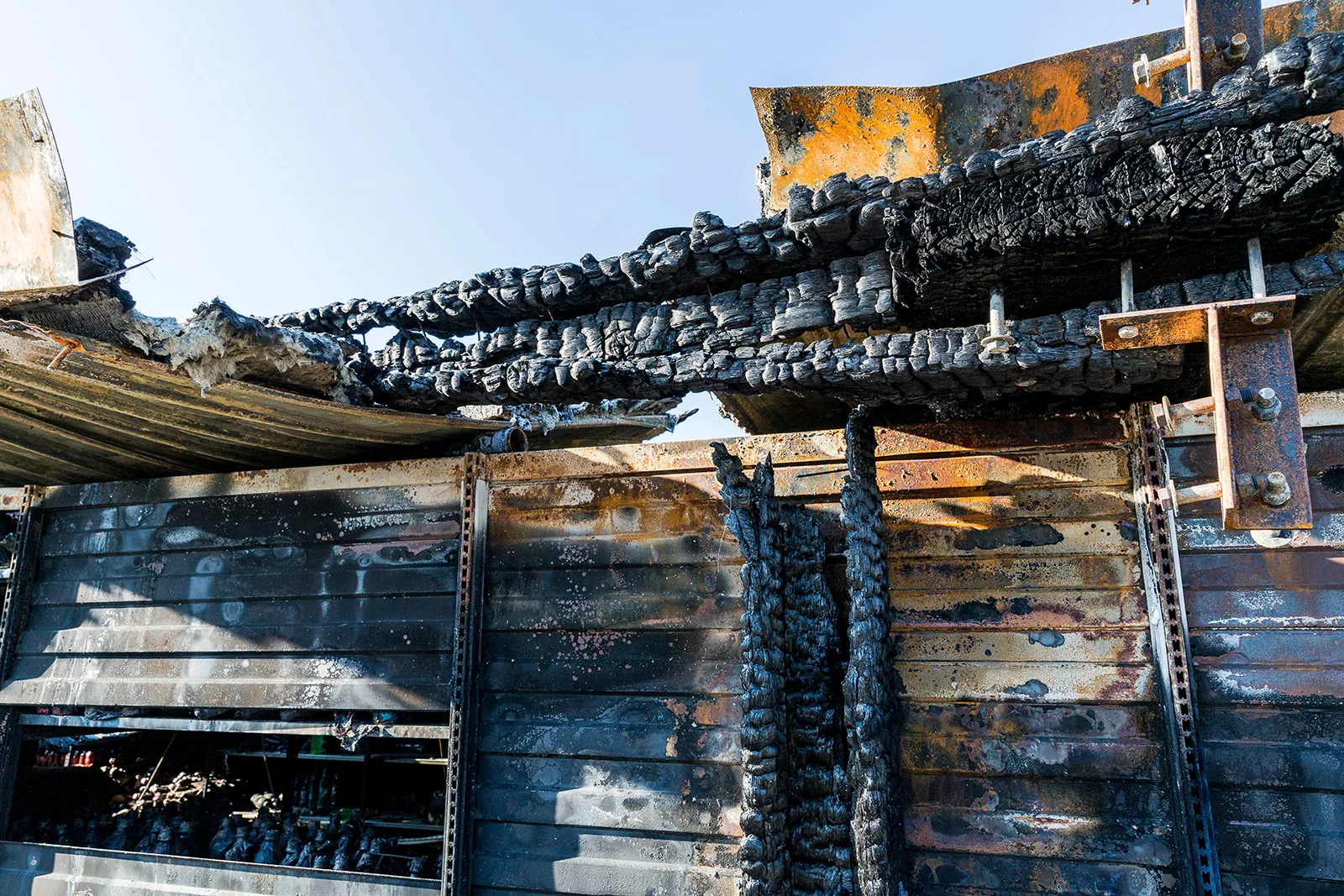
More Roof Damage Repair in Westminster
See the rest of our roof damage repair for Westminster commercial buildings, or call 555-555-5555 to talk through your roof.
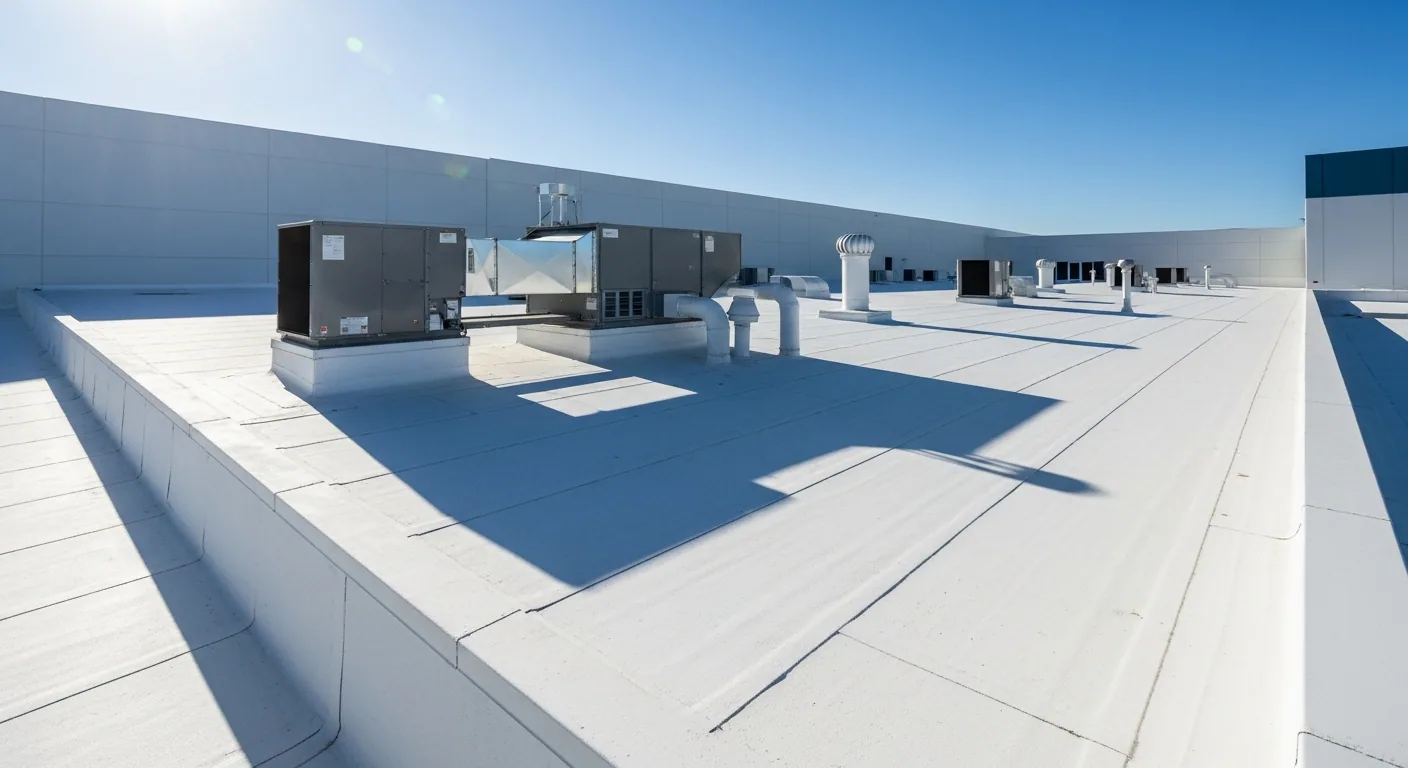
Commercial Heat and UV Roof Damage Repair
Talk to Commercial Roofing Westminster
Call 555-555-5555 or send a request and we will schedule a visit to look at the roof, explain what we find and lay out your options.