
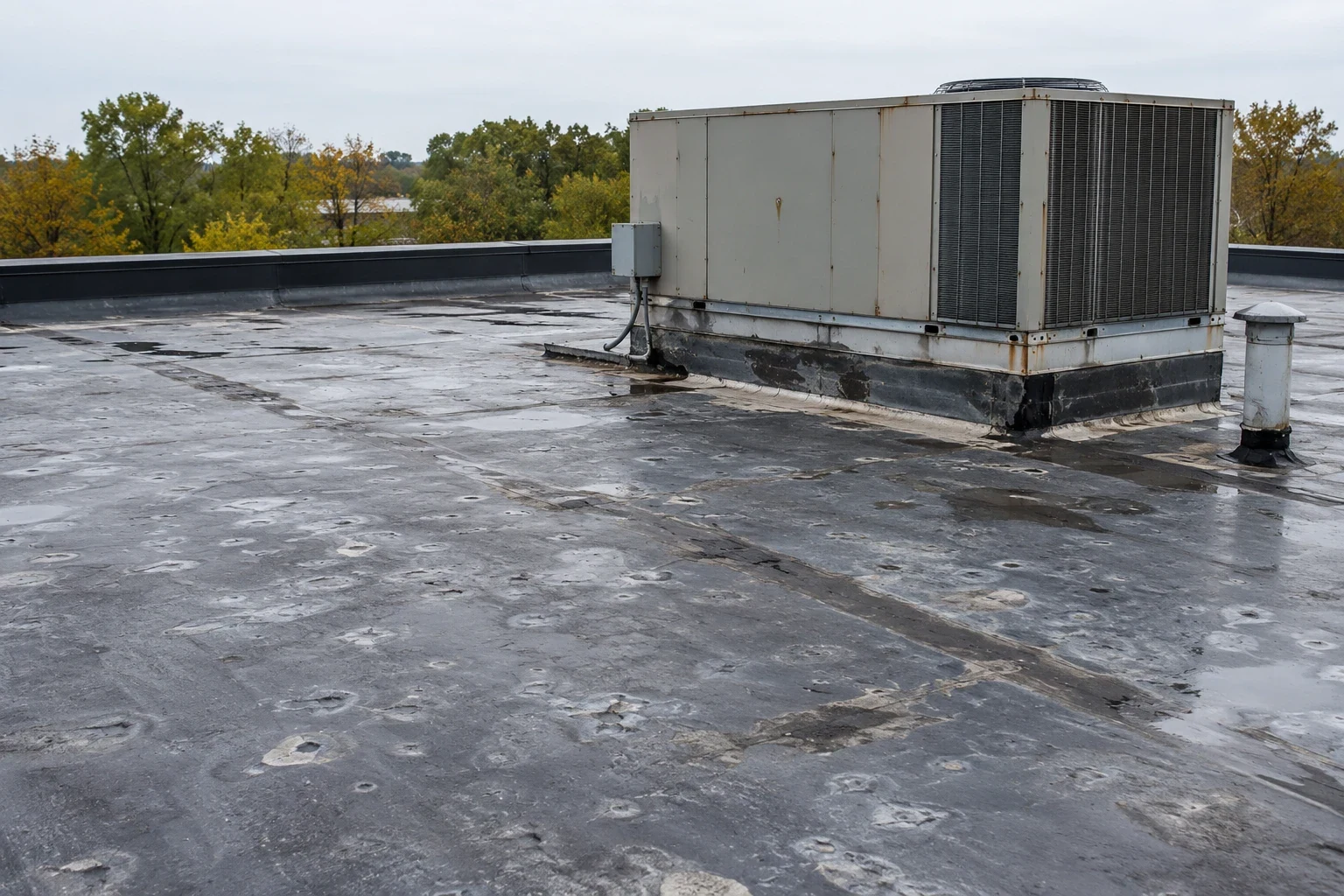
Commercial Hail Damage Roof Repair in Westminster, CO
Inspect Westminster commercial roofs after hail for membrane marks, damaged metal, skylight impacts, and leaks, then document evidence-based repairs.
Commercial Hail Damage Roof Repair
Hail marks can be difficult to separate from old repairs, dirt, or ordinary wear. Start with a roof map, event timing, and a repeatable photo route. On May 30, 2024, hail was reported near Westminster, and damage to roofs was documented during the broader northern-metro storm. Use the report to set an inspection window. The field record should identify each observed mark, opening, and roof zone before repair quantities are set.
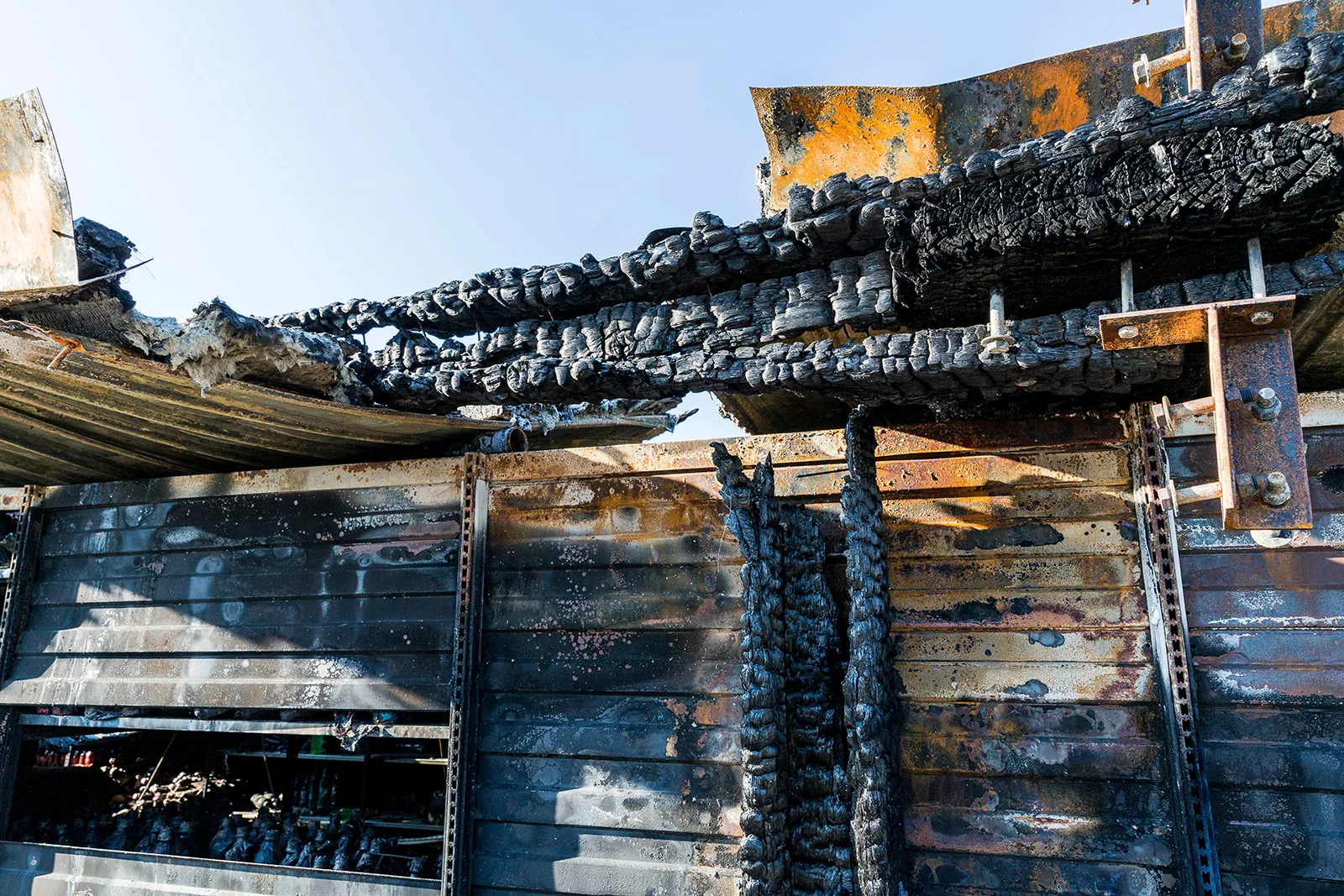
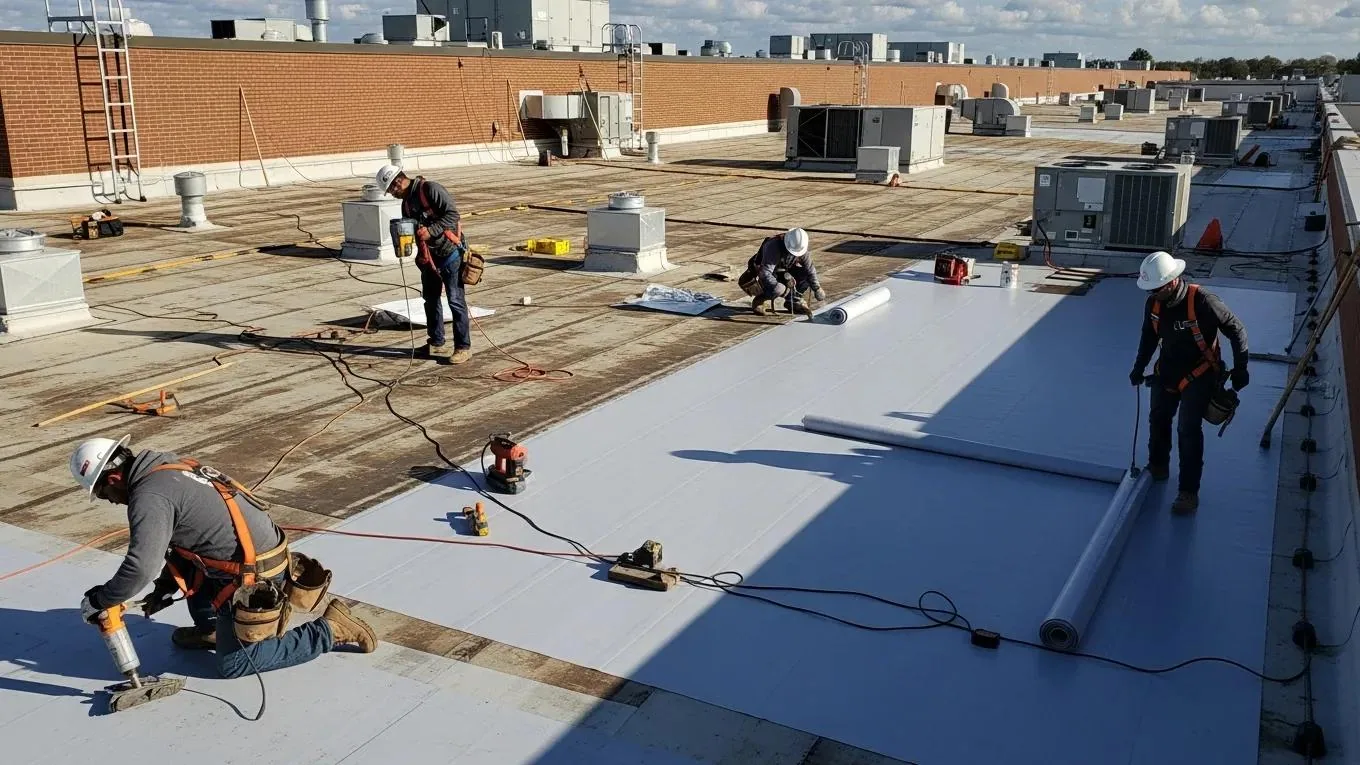
Check the full roof surface and its details
Inspect membrane fields, metal panels, edge metal, flashings, skylights, rooftop equipment, and previous patches. Use wider photos to show the roof zone and close views to document each mark. Note dents, punctures, fractured coatings, loose accessories, or openings that can admit water. Do not count every surface mark as functional damage without checking the material and detail.
Westmoor Technology Park has ten multistory office buildings, and Circle Point has a separate multi-building office campus. Give every building its own inspection route and report label. Record the structure, roof section, and observed exposure before comparing conditions across a campus. A Circle Point area inspection should document the roof actually visited.
Hail exposure can vary by roof height, screening, adjacent structures, and storm path. A mark on a vent or metal cap does not automatically establish damage to the membrane beneath it. Record the affected component and look for a related opening, bond loss, or water entry before setting the repair quantity.
Keep storm context separate from roof findings
Use the event date to organize the inspection record and compare it with maintenance history. Each roof receives its own dated observations and photos. When a prior survey exists, compare the same seams, skylights, and metal details. Without baseline photos, describe the mark as observed and leave its age undetermined.
The event record can be paired with maintenance history, prior condition photos, and leak tickets. Compare the same seams, skylights, and metal details if an earlier survey exists. If no baseline is available, state that limitation rather than dating every mark to the storm.
A storm damage inspection can separate observed condition from an owner's reported event. For a claim file, a roof damage record can preserve photos, measurements, temporary protection, and completed work. The record should not make a coverage determination. Include the date of the roof walk, the route followed, surface conditions, and any restrictions on photography. If hail was reported at a nearby point, retain that detail as context and keep the building observations in a separate dated section. This makes it possible to review the event and the inspection without blending regional weather with site findings.
For a large roof, divide the walk into labeled zones and record which areas were reached from approved access points. Photograph representative field seams, perimeter details, rooftop equipment, and any interior symptom reported after the storm. Keep temporary protection, permanent repair quantities, and items needing a closer test in separate lines so the owner can approve a clear next step.
Follow impact concerns to active leaks
A hail mark matters to the roofing scope if it compromises a material or detail. Check whether membrane is punctured, a seam is open, flashing is displaced, or a skylight component cracked. If a ceiling report appeared after the event, note the room, time, and active water status and compare it with the roof plan.
Water may travel under a roof layer before becoming visible indoors. A commercial roof inspection can map the observed mark and nearby details. An active leak response can protect contents while the permanent repair is identified. Keep those actions separate from cosmetic marks that do not affect the assembly.
Do not wash or cover a suspect area before photographing it if documentation is required. If safe access or site rules limit the view, list what could not be checked. The owner can then decide whether a second visit or test is needed.
Use repair materials that fit the roof
Repair methods depend on membrane, coating, metal, attachment, and the condition of the surrounding material. A punctured membrane may need a compatible patch with sound tie-in. A dented panel may remain functional, while a cracked coating or split seam could need repair. Confirm the system from records or field details before choosing material.
A puncture repair assessment can address a through-opening, and a seam review can check a lap that separated. If wind displaced an edge during the same storm, document that detail separately with a wind damage inspection.
When several marks occur on a roof, map them and group only where the same assembly and repair method apply. The proposal should state whether it includes insulation removal, flashing replacement, or testing for moisture. Keep unconfirmed concealed conditions outside the repair quantity until examined. For a metal roof, record panel location, dent depth where measurable, seam condition, fastener security, and whether the impact affected coating or water-shedding geometry. For a membrane roof, note whether marks reach the membrane or remain in a protective layer. The recommendation should explain which observation changes performance and which does not.
Schedule a hail damage roof inspection
Send the property, event date, roof plan, prior photos, leak reports, and access contact. We will document observed conditions and separate repair needs from unaffected details.
Separate urgent protection from final repair
Cover an active opening only after documenting its location and preparing a secure temporary measure. Record the protected section, material, fastening, date, and follow-up check. A temporary cover limits exposure but does not establish that adjacent components remain sound.
Localized hail damage may be repaired if surrounding materials are serviceable. Multiple failures, wet insulation, or broad coating damage may call for testing and renewal review. A commercial roof repair scope should measure each affected detail and identify access, work hours, protection below, and materials.
Westminster enforces the 2021 International Building Code and Energy Conservation Code. Project permit documents and jurisdiction determine review. Keep installation photos, product data, and measured work limits in the maintenance file. Building floor area is not a roof measurement. List labor and materials by repair area and keep testing or demolition as separate work if it requires authorization.
Recheck the repaired area after weather
Closeout photos should show the repaired material, its tie-in, and the surrounding roof zone. Label each image with location and date. List marks that were inspected but not repaired, along with the reason they did not enter the scope. This preserves the distinction between cosmetic observation and functional repair.
After the next suitable rain or snowmelt, check the interior report and repaired details. If water returns, compare the pathway with the original photos and inspect adjacent seams, curbs, or drains. Do not attribute a new leak to the same event without reviewing the current condition.
At Westmoor Technology Park or another Westminster-area property, store each structure's photos and repair records separately. A clear follow-up list helps the building contact decide whether another survey, maintenance visit, or broader capital review is needed. Store event photos and repair images together for later comparison across future winter seasons. Track recurring marks with consistent photo scale and roof-zone labels.
Commercial Roofing Questions
Does nearby hail prove my commercial roof was hit?
No. It establishes regional timing, not property damage. Inspect the actual roof and document functional changes before setting a repair scope.
Which roof areas need a post-hail check?
Review membrane, metal, seams, edges, skylights, flashings, equipment supports, and older patches. Record findings by roof zone.
Can a hail inspection separate old marks from new damage?
Compare current photos with prior records where available. If there is no baseline, identify that limit and avoid assigning a date without evidence.
Should hail marks be repaired if the roof still sheds water?
The material and detail matter. A mark may be cosmetic, while a puncture or failed seam needs correction. The inspection identifies which condition applies.
What should be saved for an insurance review?
Keep event timing, dated photos, measured damage, prior maintenance, temporary protection, repair invoices, and the completed scope in the property file.
Related Roofing Work
Circle Point
Read more
Storm Damage Roof Repair
Read more
Commercial Roof Insurance Claim Assistance
Read more
Commercial Roof Inspection
Read more
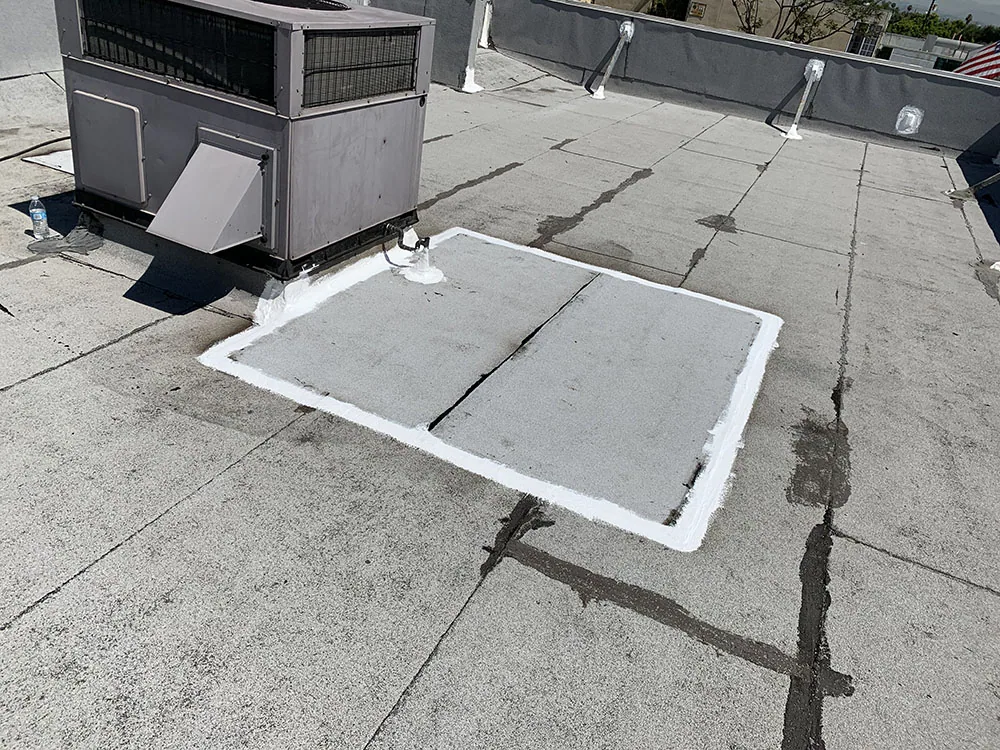
More Roof Damage Repair in Westminster
See the rest of our roof damage repair for Westminster commercial buildings, or call 555-555-5555 to talk through your roof.
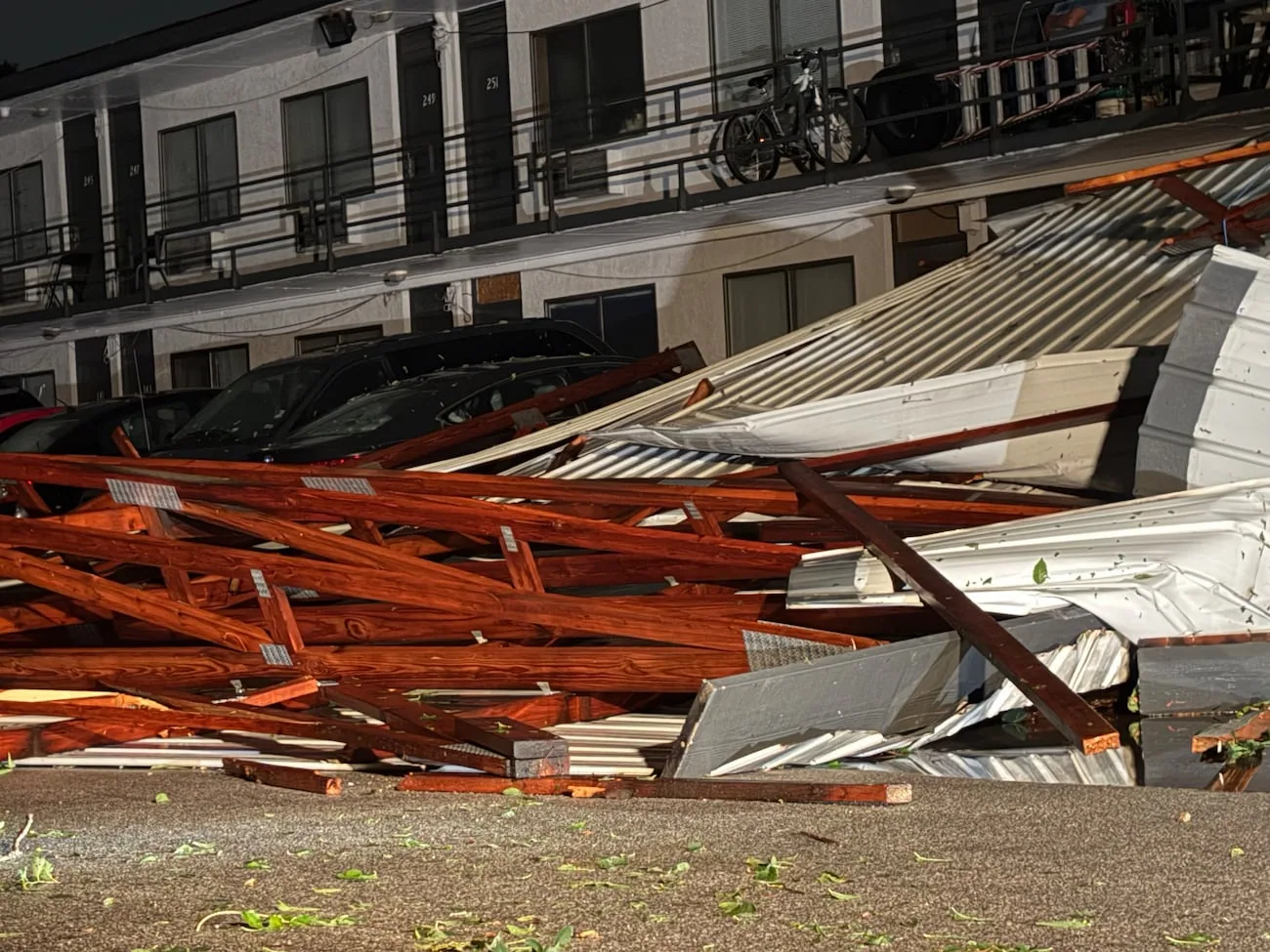
Commercial Hail Damage Roof Repair
Talk to Commercial Roofing Westminster
Call 555-555-5555 or send a request and we will schedule a visit to look at the roof, explain what we find and lay out your options.