Commercial Acrylic Roof Coatings in Westminster, CO
Evaluate Westminster acrylic roof coatings for adhesion, slope, ponding, and surface condition. Repair failures first and apply only on a compatible roof.
Commercial Acrylic Roof Coatings
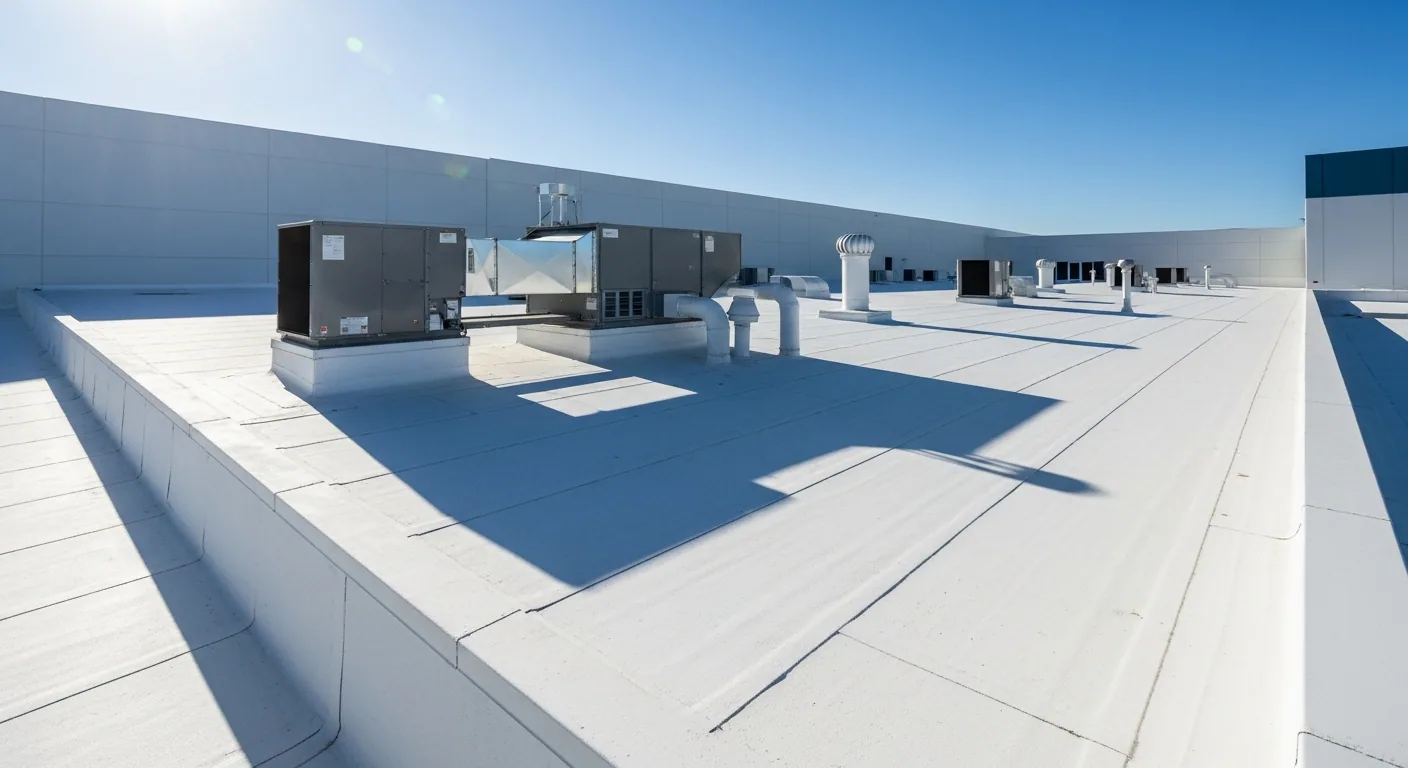
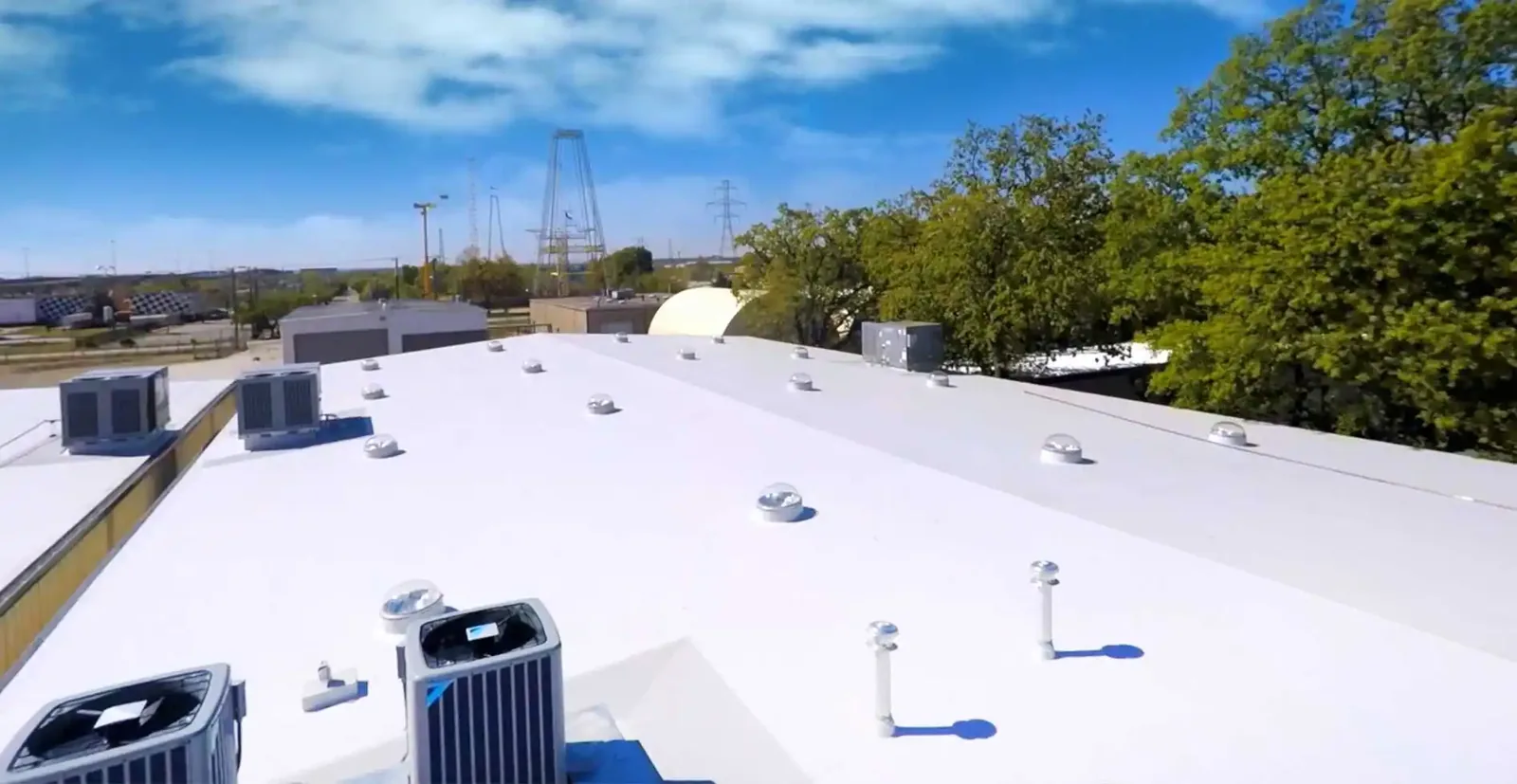
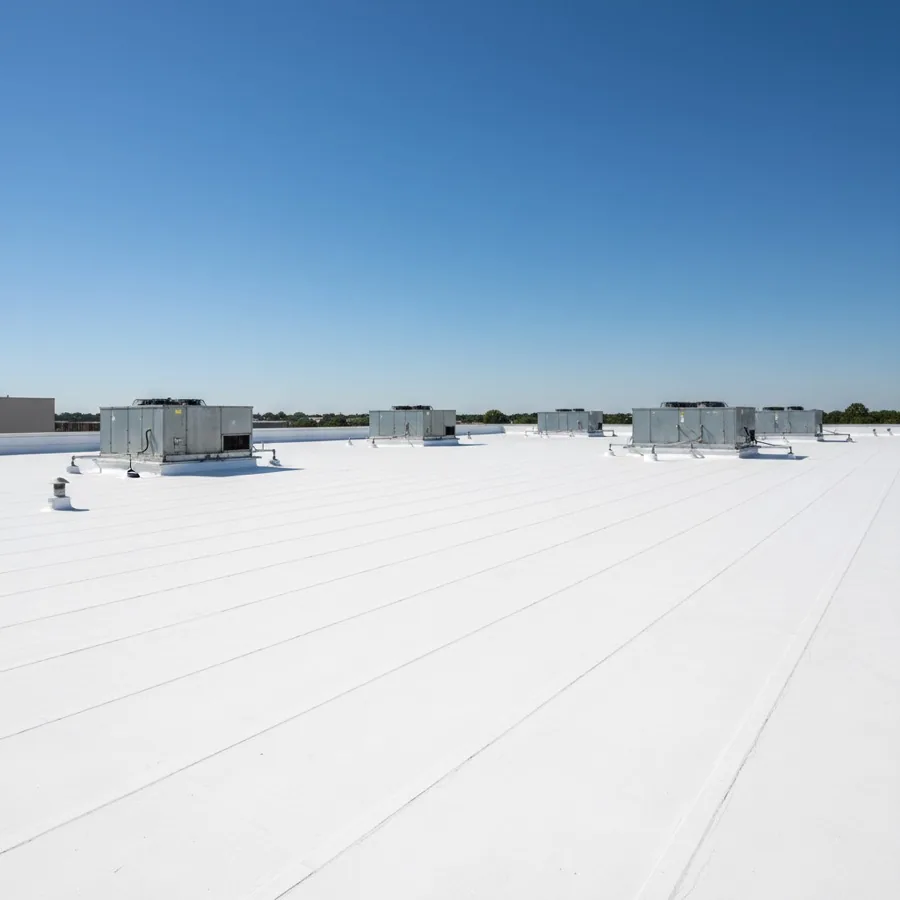
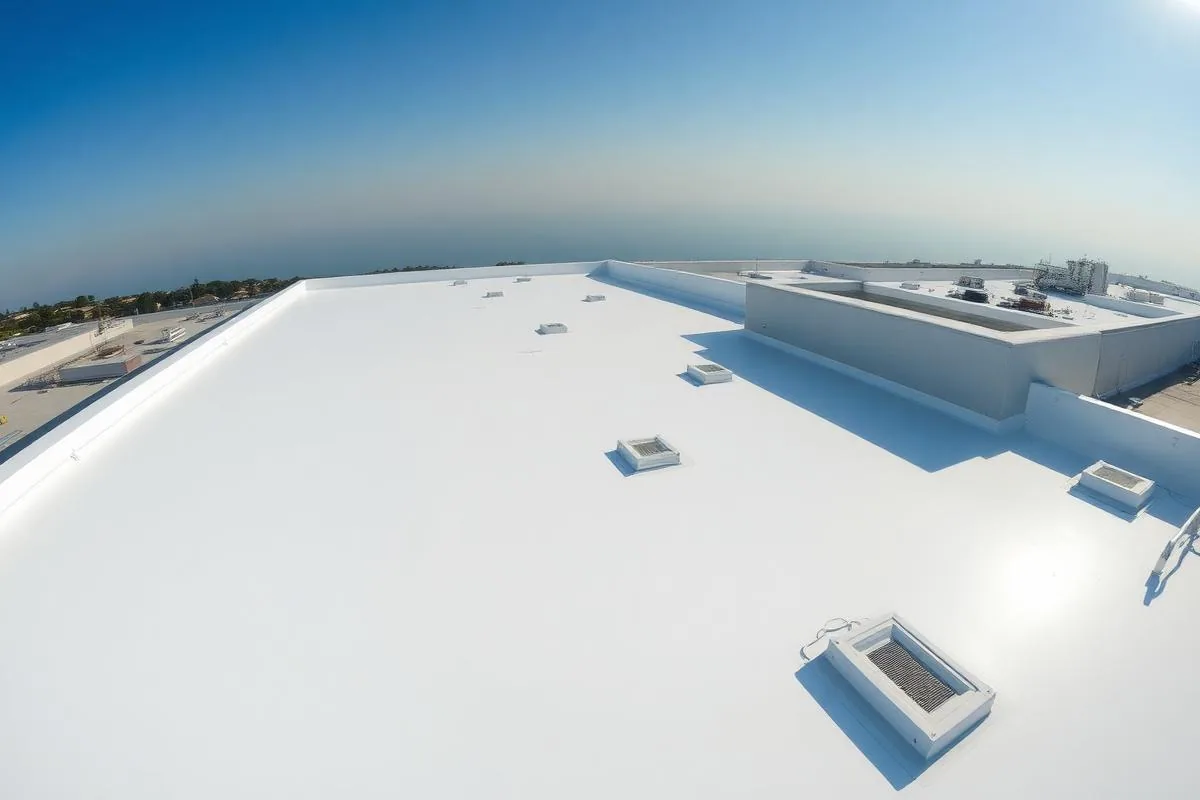
After a dry stretch, check the roof surface before scheduling an acrylic coating. The roof needs to be clean, dry, sound, and compatible with the selected product. Acrylic coatings can reflect sunlight and protect some existing assemblies, but they are not a cure for wet insulation, open seams, or standing water outside product limits. Westminster's heat, hail, snow, and storms make the roof condition the first design question.
Confirm the roof can accept a coating
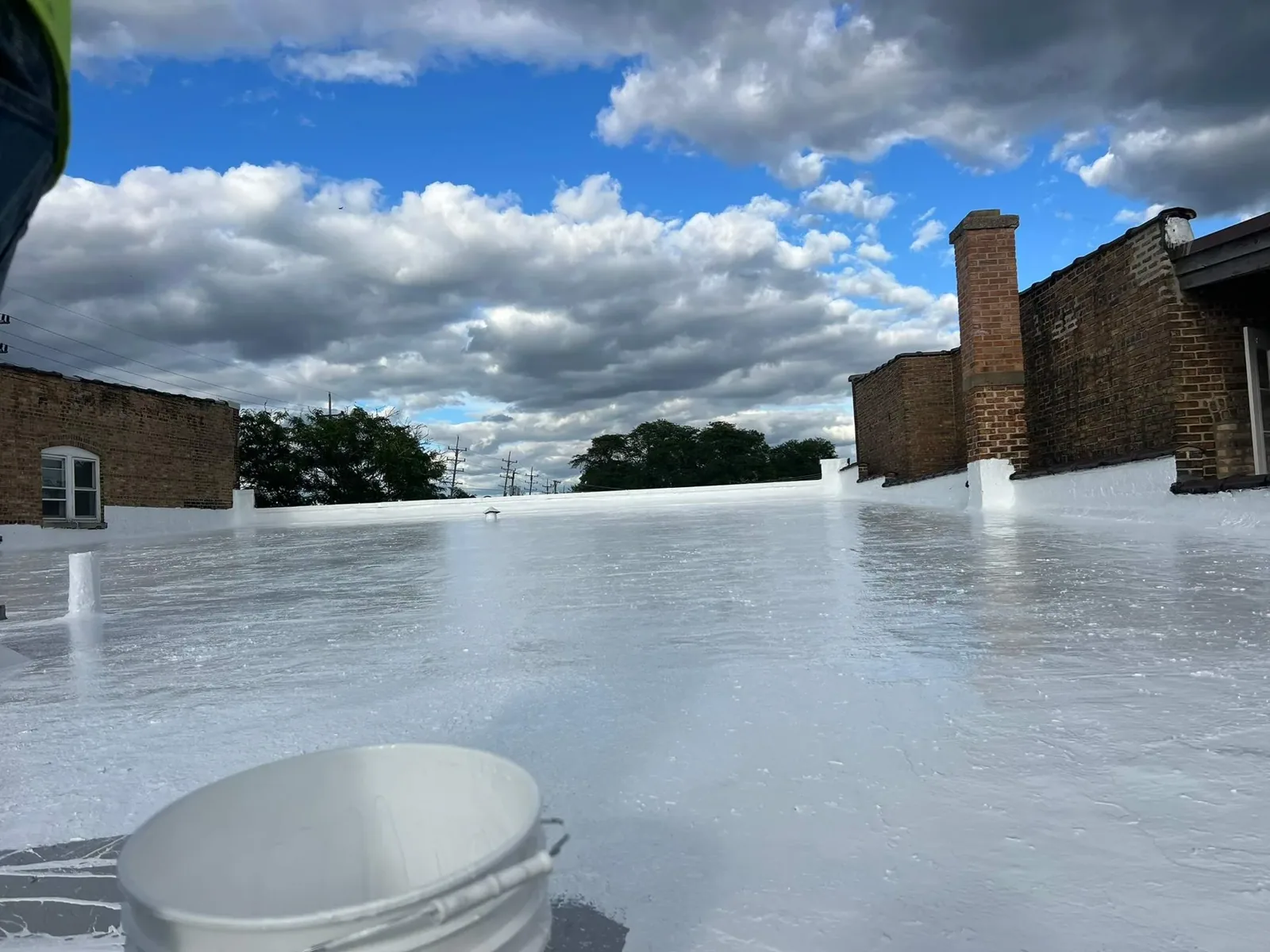
We identify the membrane or existing coating, inspect adhesion, and note dirt, chalking, loose surfacing, grease, and moisture. A coating placed over a weak base may peel with the layer beneath it. If records do not identify the substrate, exposed edges or a test area can help confirm what is present. The report separates confirmed product from an assumption based on appearance.
Seams, flashings, blisters, punctures, and wet insulation need attention before the roof is coated. We mark repairs and areas that may require removal. A restoration assessment determines whether a coating is viable over the sound areas and excludes unresolved defects.
Westminster's office and industrial activity includes sites near Westmoor Technology Park. Rooftop equipment service, grease discharge, and foot traffic can change the surface condition. We check where these exposures occur and identify protection or cleaning needed before application.
Keep slope and ponding in view
Acrylic coatings are generally suited to roofs with positive drainage and do not tolerate prolonged ponding as well as some silicone systems. We inspect low points, outlet height, scuppers, and the time water remains after rain or snowmelt. If drainage needs correction, specify that work before coating instead of relying on a finish layer to redirect water.
Snowfall varies across the Denver metro, so the useful measurement is this building's drainage path. We map retained water and check for debris around drains. A drain inspection can verify outlet condition and identify where a slope or plumbing question remains.
Acrylic is water-based and requires suitable weather and drying conditions during application. The crew checks the roof surface and forecast window, then works in sections that can dry as specified. Rain before cure or a wet substrate can compromise the application, so the schedule may shift when conditions change.
Separate weather marks from coating failure
Hail reported near Westminster in May 2024 makes a post-storm inspection sensible. It does not show that this particular roof was struck. We look for punctures, cracks, impact marks, loose surfacing, and damaged metal, then document each finding separately. A coating layer should not conceal a new opening before it is repaired.
Heat and ultraviolet exposure can age the coating, while wind can carry grit and debris across the roof. We check thin areas, peeling, chalking, and worn edges. If an older acrylic layer remains bonded, recoating may be possible after cleaning and adhesion review. If it is loose or incompatible, it has to be addressed before a new application.
At a retail building along the 120th Avenue corridor, roof access and customer routes affect inspection setup. We coordinate a safe route and identify whether coating work requires restrictions below the active section.
Compare acrylic with other roof systems
Acrylic coating may suit a compatible roof with positive drainage and a suitable application window. Silicone has different water-exposure properties and may be considered where ponding is present. Compare a silicone coating against the roof's slope, product limits, surface condition, and maintenance plan rather than selecting by color alone.
On spray polyurethane foam, the coating protects the foam and must match the existing application. The SPF assembly needs exposed foam and detail repairs before a topcoat is applied. On a membrane roof, some surfaces need a primer or may not support acrylic at all.
When the substrate is wet, the membrane has broad failure, or deck work is needed, replacement may be more useful than recoating. A replacement scope compares removal, insulation, cover board, new membrane, and drainage details against restoration.
Check the substrate and water path
Send the Westminster address, roof plan, coating and membrane records, ponding or leak location, and access contact. We will inspect adhesion, drainage, and details, then define repairs and the coating system that fits the roof.
Apply only after repairs and cleaning
Preparation removes dirt, loose coating, and contamination, then repairs approved defects. Drains are protected from wash water, and equipment and walls are masked. Primer is applied when the system requires it. The project specifies coating type, coverage rate, reinforcement, and number of coats for the actual roof.
The roof must be dry enough for the product and the forecast must allow cure. Wind affects spray application and overspray control; occupied entrances may need protection. The foreman sequences each area so the crew can inspect coverage and avoid trapping moisture under the new layer.
At curbs, penetrations, and edges, reinforcement and flashing are completed according to the approved details. A perimeter check can identify metal that needs repair before coating terminates. Photos show the prepared substrate and completed film at representative details.
Track coating wear by roof zone
Maintenance looks for peeling, thin areas, cracks, debris, ponding, and open transitions. Inspect around equipment, drains, and frequent service routes, where abrasion can expose the base layer. Record repairs and products used; a new coat should not be applied over a defect that has not been prepared.
Westminster's commercial sites have varied roof plans and access limits. Keep each building's coating history separate and note whether a section was repaired or recoated. A future inspection can compare the same zones rather than rely on a broad statement that the roof was “coated.”
Recoat timing follows the product, observed thickness, adhesion, roof use, and prior maintenance. We inspect the existing layer and perform an adhesion test where needed. If the coating no longer forms a reliable base, the owner can compare removal or replacement instead of building up incompatible layers.
Document product and preparation
The closeout records substrate, surface preparation, repairs, primer, coating layers, application area, and conditions left outside the scope. Photos show representative transitions, drains, and field coverage. If a wet area or adhesion concern was not tested, it remains an open item.
For a Westminster property, keep coating data and repair records with the roof map. A location on 120th Avenue and a facility near Westmoor should each retain their own application areas and maintenance dates. The record helps the next inspection check the same surfaces. Retain the product label and application conditions for later compatibility review. Mark any area the crew could not access, and note any scheduled follow-up date.
Send the building address, roof plan, coating and membrane history, ponding or leak reports, and access contact. We will inspect the substrate and drainage, then determine whether acrylic, another restoration system, or replacement fits the conditions observed.
Commercial Roofing Questions
Can acrylic coating be used where water ponds?
Acrylic generally needs positive drainage and may not suit prolonged ponding. We inspect the low points, outlets, and product limits before recommending it.
Can acrylic coating be applied over an existing membrane?
Only when the membrane and surface are compatible, dry, and properly prepared. We inspect seams, moisture, and adhesion before proposing application.
How long does acrylic take to dry?
Drying depends on product, temperature, humidity, film thickness, and weather. The crew schedules work to meet the specified cure window and protects the roof if conditions change.
Will a coating repair a leaking roof?
The leak source needs repair first. We locate the opening, correct the membrane or flashing defect, and evaluate coating only over areas that remain sound.
Is silicone better than acrylic for my roof?
The roof's ponding, slope, surface, and maintenance needs guide the choice. We compare compatible products and their limits against conditions on the building.
Related Roofing Work
Commercial Roof Coating Restoration
Read more
Westmoor Technology Park
Read more
Commercial Roof Drains and Scuppers
Read more
West 120th Avenue Corridor
Read more
More Roof Systems in Westminster
See the rest of our roof systems for Westminster commercial buildings, or call 555-555-5555 to talk through your roof.
Commercial Acrylic Roof Coatings
Talk to Commercial Roofing Westminster
Call 555-555-5555 or send a request and we will schedule a visit to look at the roof, explain what we find and lay out your options.