
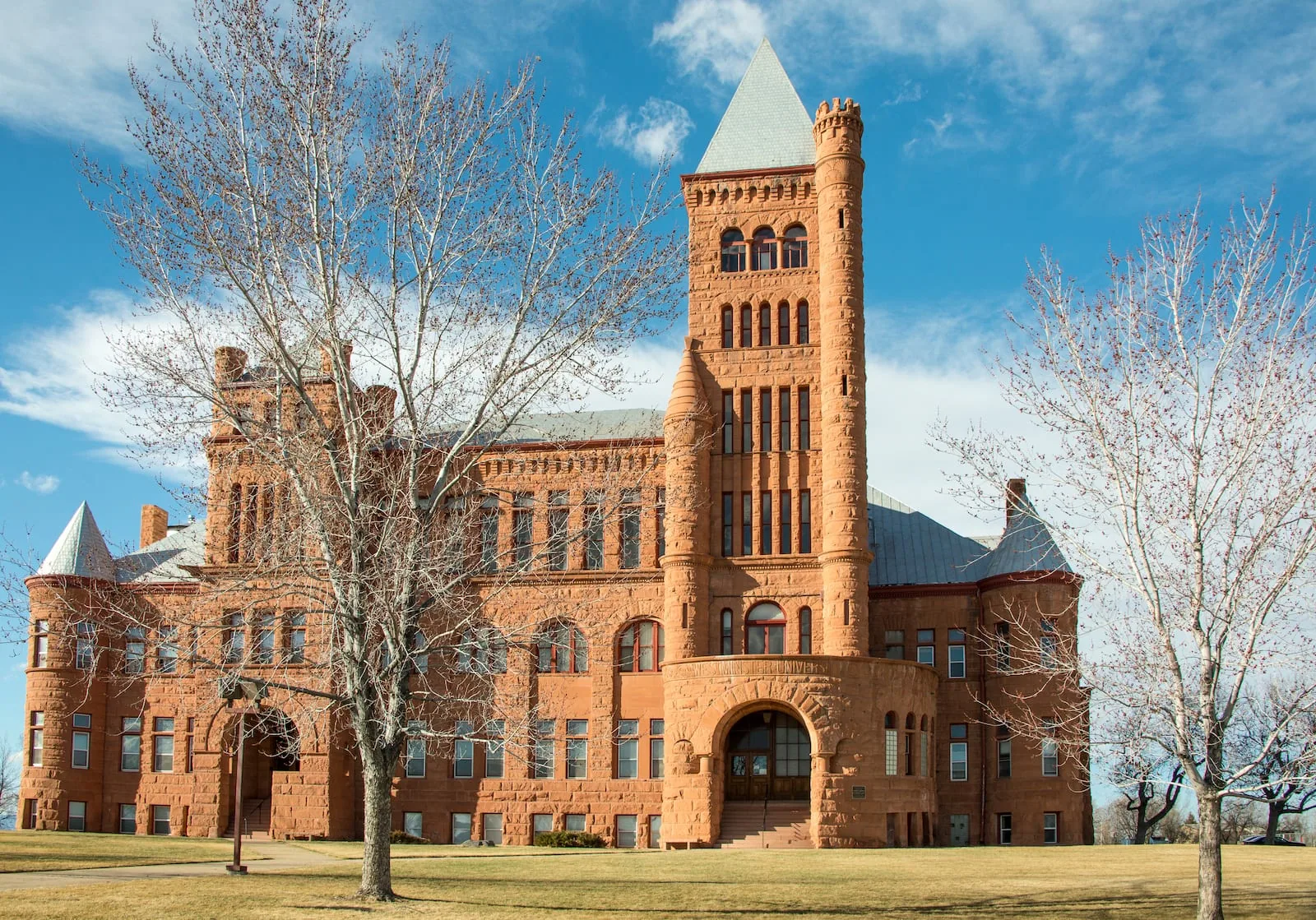
Commercial Roofing in Historic Westminster, Westminster, CO
Roof inspections and repairs in Historic Westminster, with building-level drainage, flashing, weather, and access details guiding the scope.
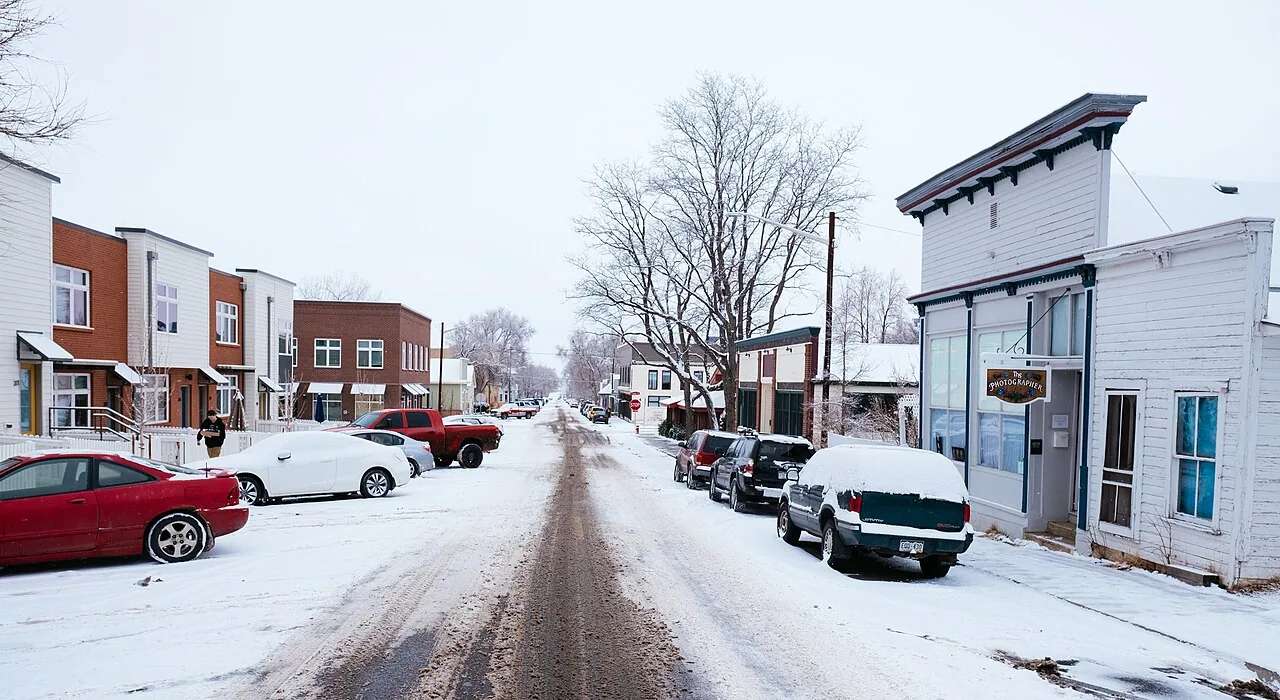
Historic Westminster
A roof leak in Historic Westminster needs a building-level answer, not a guess from the district name. The city began as a compact settlement near this area, around the present-day 72nd Avenue and Lowell Boulevard. That history identifies the place. It does not tell us what assembly sits on a particular commercial roof. We start with access, roof records, drainage, and the interior report, then mark what the field inspection confirms.
Find the path behind the stain
Water can travel before it appears indoors. A ceiling mark near an exterior wall may connect to a roof edge, a wall transition, a penetration, or a drain path farther away. Record the room and the time the stain appeared. On the roof, map the membrane field, seams, flashing, edge metal, drains, and nearby equipment. Use wide photographs to orient the condition and close views to show the detail.
Historic Westminster is one of three city-named development areas, alongside Downtown Westminster and Westminster Station. Those planning labels do not substitute for a roof map. Keep inspection notes attached to the specific building and section. A condition report with roof-zone photos can show which areas were checked, what was inaccessible, and what remains uncertain.
When the roof plan is missing or differs from the field, note the discrepancy before pricing a repair that depends on the assembly. Confirm the existing membrane and any prior layer from records or a controlled investigation. A commercial roof inspection can define the limits of the visit instead of leaving an owner with a vague condition label.
Keep the district fact in its place
Westminster's early settlement grew through road, water, and annexation infrastructure. That is useful city context. It does not prove that a roof is old, masonry, or built with any particular membrane. Avoid assigning age or construction details from a historic-area label. Inspect the actual roof edge, penetrations, attachment, seams, and drainage before writing a scope.
For roofs with multiple layers, confirm what is present before proposing a recover. Added weight, trapped moisture, drainage limits, and edge height can change what is practical. If the condition report points to isolated flashing failure, a repair may be enough. If the membrane, insulation, or deck has broader damage, a wider replacement study may be warranted. A defined repair scope should state its limits and the follow-up needed to verify the result.
Historic Westminster and the nearby Downtown Westminster district have distinct planning identities. The station-area roof record should stay separate too. Keep work orders, access details, and repair history separated by property. A prior project or roof condition in one area says nothing about another building unless the records identify that building directly.
Use Westminster weather as a prompt
Historic Westminster roofs face Front Range shifts between hail, wind, winter precipitation, heat, and cold. Following a storm, check membrane, skylights, metal edges, and rooftop equipment, then compare visible marks with earlier photos. After snowmelt, trace drainage from the upper roof to each drain, scupper, and overflow. Note debris, retained water, displaced flashing, and any interior area reported by the property contact. Label inspected zones and schedule a return when a safe access route is available.
For a suspected hail condition, document roof impact findings by area and photo. If water is active, a leak response can protect interior operations while the permanent repair is developed. Keep emergency work and the final scope distinct in the closeout record.
Check edges, drains, and transitions
Begin at the areas most likely to interrupt the roof surface. Check curb corners, pipe boots, pitch pockets, wall flashings, coping joints, and seams near equipment. Look for open laps, loose terminations, splits, punctures, and incompatible patches. A photograph should show both the defect and where it sits on the roof. Mark the repair boundary so that a later crew can find it without repeating the entire search.
Drainage deserves its own pass. Follow the path from high area to drain and overflow. Note debris, low areas, ponding, and transitions where water could be held. A drain that looks open at the bowl can still be served by a restricted approach. On an occupied building, also compare the roof observations with the timing of interior reports. A ponding-water evaluation should distinguish a drainage issue from membrane damage.
Where the system is identified, choose compatible repair material and preparation. TPO, EPDM, PVC, and modified bitumen require different seam and flashing methods. For a confirmed TPO assembly, review TPO seam and detail conditions before selecting a patch. If system identity remains uncertain, resolve that first rather than guessing from appearance.
Schedule a Historic Westminster roof inspection
Tell us which property and room are affected, what weather or leak prompted the call, and the available roof access route.
Set a practical scope
A local failure can be repaired when the surrounding roof is sound and the defect has a clear boundary. Repeated leaks, broad moisture, failed attachment, or deteriorated edge conditions can shift the decision toward restoration or replacement. Testing can reduce uncertainty, but the method has to suit the system and conditions. The inspection record should distinguish visible evidence from a suspected wet area or a hidden condition that was not opened.
A proposal for a repair should name surface preparation, compatible materials, repair limits, photographs, and any follow-up test. A larger project should state removal assumptions, insulation, cover board, membrane, perimeter work, staging, disposal, and temporary dry-in. Cost and timing depend on access, roof height, material availability, weather windows, concealed wet insulation, and the number of details that need rebuilding. Those factors matter more than the neighborhood name.
Westminster enforces the 2021 International Building Code and Energy Conservation Code. Check the scope and permit path against the work being proposed. For a broad project, replacement planning should document these assumptions before crews mobilize. For a roof that remains serviceable, preventive maintenance can keep drains clear and create a dated record of developing conditions.
Keep the repair history usable
Store roof plans, inspection records, photographs, work orders, system information, and warranty files by property. Label photos with the roof area, direction, and date. State which area was accessible, what repair was completed, and whether a test or return visit remains open. Do not merge records simply because two properties sit within Historic Westminster.
After work, review closeout photos against the original defect. Confirm that drains are clear, penetrations are sealed, temporary protection is removed or assigned, and all promised follow-up has an owner and date. If the repair changes an edge or flashing detail, capture the final assembly. This record helps future maintenance distinguish a new condition from a prior patch.
When arranging a visit in Historic Westminster, send the affected room, leak timing, roof access instructions, previous repair notes, and a property contact. We can inspect the roof, document confirmed conditions, and explain the repair, restoration, or replacement paths supported by those findings. The next decision should be tied to the building in front of us.
Commercial Roofing Questions
Does the historic district designation mean a roof is original?
No. The designation describes an area, not a roof assembly. We confirm age and materials from records or a field investigation.
Can you locate a leak from an interior stain?
The stain helps narrow the search, but water may travel. We compare its location and timing with roof details, drainage paths, and visible conditions.
What happens after a hail report near Westminster?
We document visible impact by roof zone, compare it with existing wear, and note where testing may be needed. A nearby report alone does not establish damage.
What should a repair proposal spell out?
It should identify preparation, materials, the repair boundary, closeout photos, and any follow-up test, along with access or weather limits that affect the work.
Can work proceed while the property is occupied?
Often the sequence can be planned around building use. Access, noise, deliveries, entrances, and temporary protection have to be coordinated for the actual property.
Related Roofing Work
Commercial Roof Condition Reports
Read more
Commercial Roof Inspection
Read more
Commercial Roof Repair
Read more
Downtown Westminster
Read more
More Service Areas in Westminster
See the rest of our service areas for Westminster commercial buildings, or call 555-555-5555 to talk through your roof.
Historic Westminster
Talk to Commercial Roofing Westminster
Call 555-555-5555 or send a request and we will schedule a visit to look at the roof, explain what we find and lay out your options.