
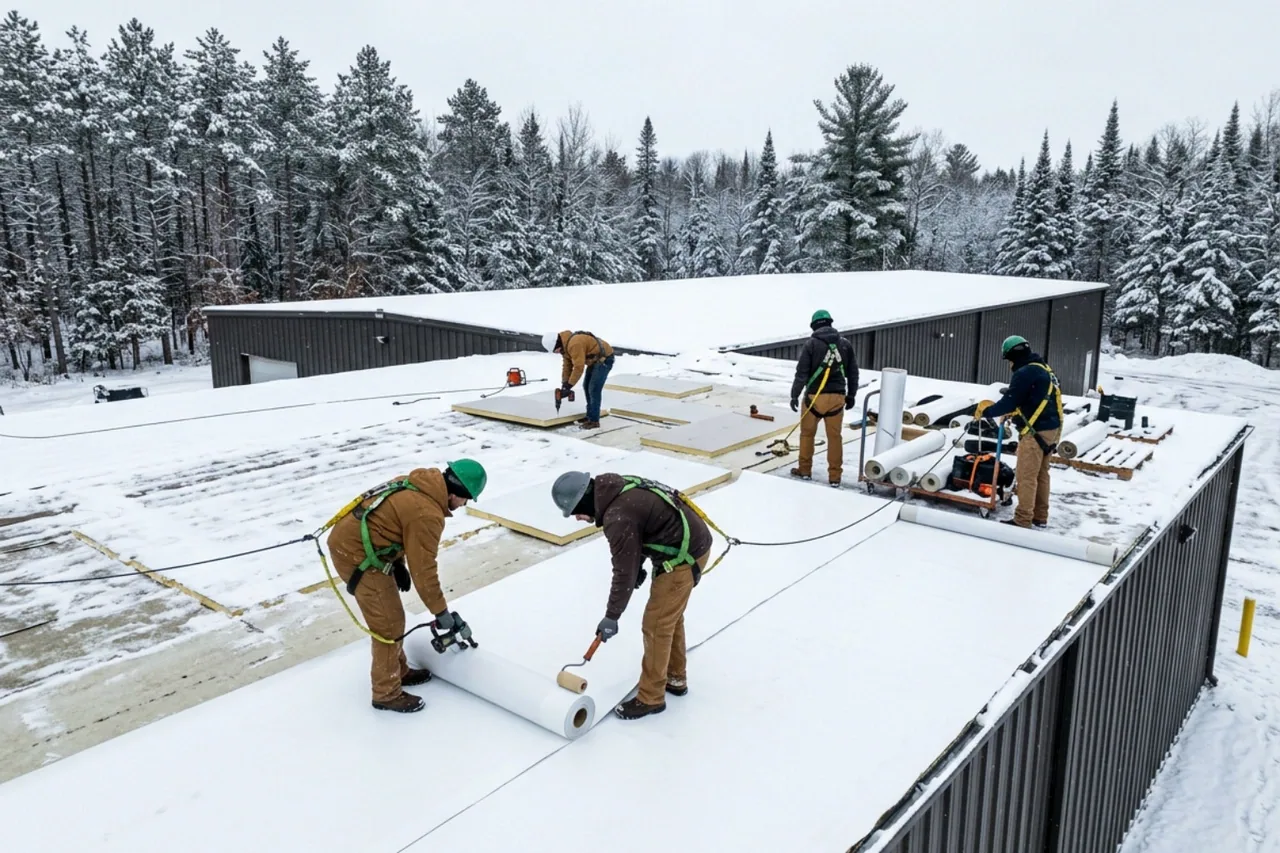
Commercial Snow and Ice Roof Damage Repair in Westminster, CO
Inspect Westminster commercial roofs after snow and ice for blocked drains, water entry, membrane stress, and safe repair needs after thaw.
Commercial Snow and Ice Roof Damage Repair
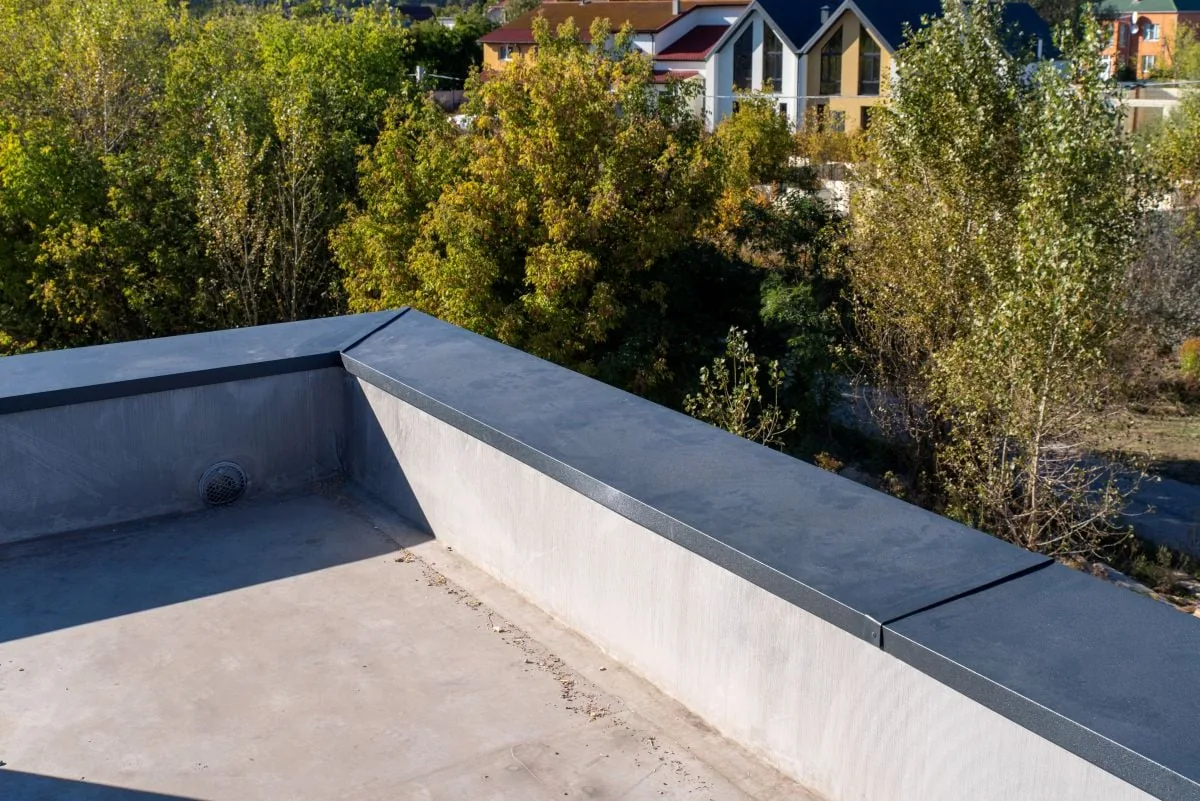
Ice around a scupper can hold meltwater where the roof should drain. Map the roof section reached, the drain path, and any area that remains inaccessible; attach each photo to that roof-zone record. The inspection begins with the affected building, its roof plan, drainage path, and the conditions reported below.
Find where meltwater is being held
Inspect primary drains, scuppers, gutters, overflow routes, parapet corners, and roof depressions after thaw. Note ice buildup, debris, blocked strainers, damaged leaders, and any route that directs water toward a wall or opening. Photograph the water line and outlet from a consistent roof-zone reference. If the ice has melted before inspection, record the earlier report and weather timing.
Westmoor Technology Park and Circle Point sit in Westminster's U.S. 36 corridor, but their roofs have separate layouts and maintenance records. A Westmoor area drainage inspection should document only the building and sections accessed. Do not apply another campus's snow or drain history to that roof.
A ponding water assessment can identify a blocked outlet or persistent low area. Check whether water clears after the outlet opens; if it remains, measure the depression and review roof plans before recommending a slope correction.
Keep people off unsafe ice
Ice, snow, wind, and wet membrane can make roof access hazardous. The property contact confirms whether the entry route and fall protection remain usable. Do not walk on ice or remove material from an unstable edge. If a leak is active, protect the interior from a safe location and schedule the roof check after conditions improve.
Snow removal needs a plan for material handling, edge protection, and the roof assembly. Do not pile snow near drains or parapets without an approved plan. The owner identifies who can authorize removal and what equipment is permitted. A roof access route should not cross fragile skylights or unprotected equipment.
If ice dams or falling icicles affect entrances, keep people away and coordinate a ground-level barrier until the facility can address the hazard. Document where water is entering and whether a temporary interior measure is in place. The roofing report should not claim structural safety from a surface observation. Keep the access decision separate from the repair decision. A roof that cannot be reached safely still needs an interior check, a clear record of the affected area, and a return visit when conditions allow. That sequence protects the people responding while preserving enough detail to scope the roof work accurately.
Trace leaks after freeze and thaw
Water can enter at a seam, curb, drain, edge, or penetration after ice shifts or meltwater backs up. Record room, timing, and weather, then compare the interior report with roof plans and visible details. A stain beneath a parapet or mechanical unit may not sit directly under the opening. Check possible paths and state which one remains unconfirmed.
A commercial roof inspection can map drainage, membrane, flashing, edge metal, and repaired sections. For active water, a leak response may install temporary protection while the permanent repair is scoped. Separate emergency coverage from final repair and record any wet insulation testing needed.
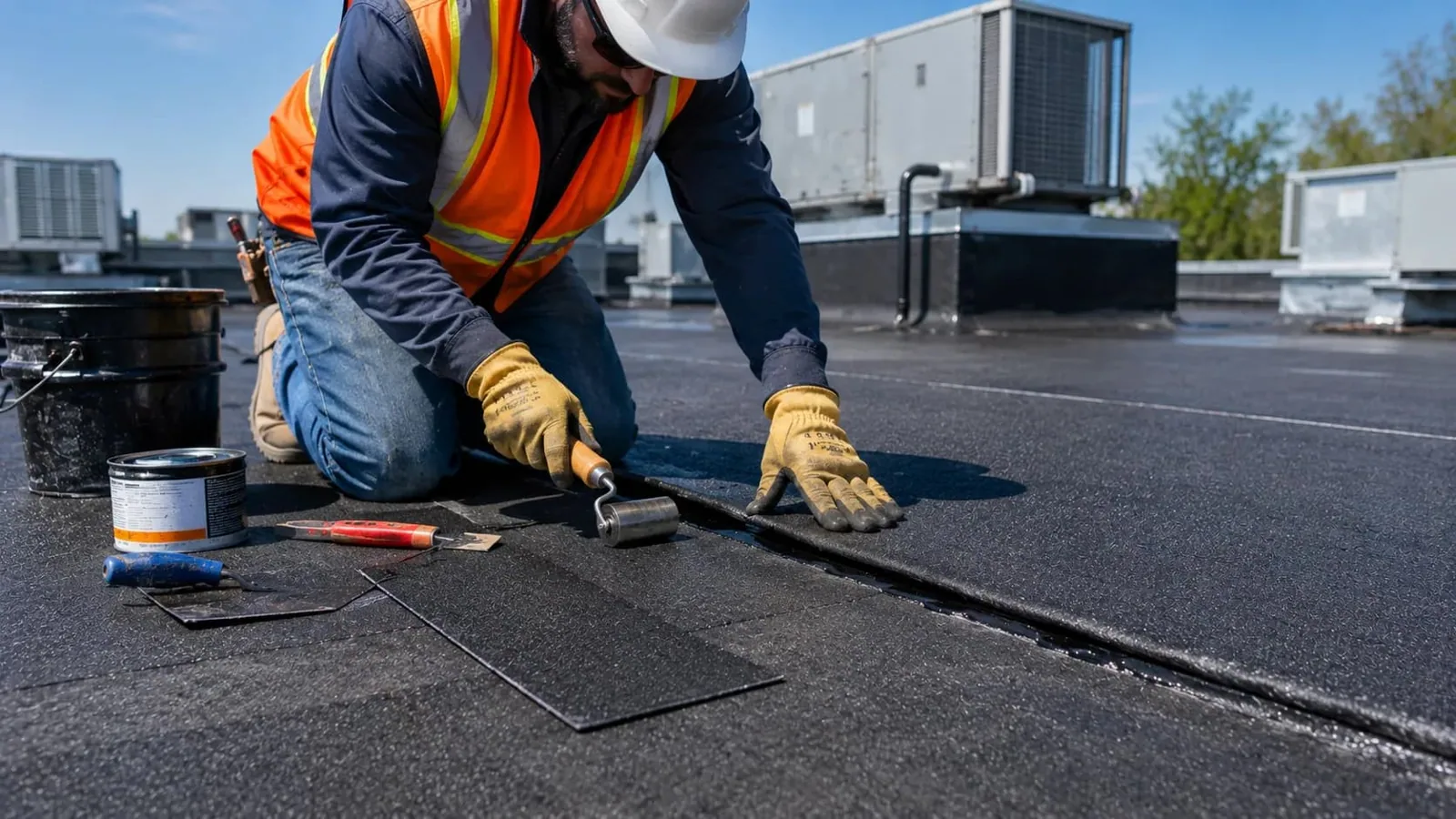
Freeze-thaw cycles can expose brittle sealant, open a lap, or move a metal transition. Inspect the adjoining material before applying a patch. If the roof stays wet or cold, wait for an installation window compatible with the selected system and protect the opening until the repair can be completed. Cold-weather materials have temperature and moisture limits. The repair plan should identify the product, substrate condition, and workable installation window instead of assuming a temporary patch will bond to a wet or frozen surface. Record the temporary measure so the permanent repair does not conceal an unexamined edge or seam.
Use snow records as context, not a roof measurement
Before selecting repair materials, confirm the membrane and flashing assembly at the affected zone. Label photos by roof section and preserve the existing patch boundary. Westminster properties may still differ by elevation, wind exposure, roof shape, and maintenance. The roof's actual drains, overflow outlets, and water marks establish where snowmelt was held.
The Denver/Boulder forecast area also sees hail, wind damage, thunderstorms, heat, and cold. If winter weather follows a storm, inspect the roof for both impact damage and blocked drainage, but keep those findings separate. A wind damage check can document displaced edge metal while this report records ice-related water conditions.
Circle Point and nearby U.S. 36 properties can support local routing, but each roof's access and runoff path remain site-specific. Take photographs after snow clears and compare them with maintenance records from the same drain or seam, not a neighboring building. For a portfolio, note whether each outlet is a primary drain, overflow, or scupper and keep the labels consistent with the roof plan. That makes the next inspection useful even when the person on site changes. A short note about snow clearing, access restrictions, and the date of thaw can explain why two roof walks produced different observations.
Check snow and ice roof conditions
Share the property location, drain map, snow or leak timing, prior photos, and safe access contact. We will document the drainage path and repair scope after conditions permit inspection.
Repair the drainage cause and roof detail
Clear a blocked outlet and verify flow before deciding that the roof needs slope work. Repair a damaged scupper, drain bowl, flashing, or open seam when surrounding material remains sound. If a depression persists after drainage is restored, inspect insulation or deck conditions and determine whether testing is needed.
Do not apply deicing chemicals or heat directly to a membrane without confirming compatibility and safe procedure. A drain and scupper repair can correct a defined outlet issue. If the assembly has broad moisture or repeated leak points, a repair proposal should separate local corrections from further investigation.
Permit documents and the project's jurisdiction determine the review path. For a structural snow-load concern, have the appropriate design professional evaluate the building using its structural documents and observed conditions.
Check the same outlets after the next thaw
Record the repair location, materials, photos, drainage result, and any area not inspected. A follow-up after another thaw can show whether the outlet remained clear and water cleared from the low area. Note the conditions and time between melt and inspection.
For a multi-building property, keep a separate snow and ice record for each roof. Label the drain or scupper and identify who can access it during winter. Do not merge observations because buildings share a campus or maintenance contractor.
If water returns, recheck debris, slope, attachment, flashing, and concealed moisture before repeating the same patch. The maintenance file should show which finding triggered the next work and who owns the follow-up. Add the next inspection date and any access limitation so a later crew can compare the same outlet under similar conditions.
Commercial Roofing Questions
What should we inspect after snowmelt?
Check drains, scuppers, overflows, low areas, parapets, and interior reports. Record water marks and any obstruction at the property.
Can airport snowfall totals tell us if our roof is overloaded?
No. A regional normal does not measure snow at a specific building or establish structural capacity. Roof and site conditions need their own review.
Should maintenance staff chip ice from a commercial roof?
Only under an approved safety and roof-protection plan. Ice, surface damage, and fall hazards can make removal unsafe or harmful to the assembly.
Can a blocked drain cause interior water after thaw?
Yes. Backed-up meltwater can reach seams or flashing, but the roof walk should trace the actual path and separate drainage from other defects.
What should a winter repair report include?
Keep the roof zone, outlet condition, photos, water path, repair materials, access restrictions, and follow-up date with the building record.
Related Roofing Work
Westmoor Technology Park
Read more
Commercial Ponding Water Roof Repair
Read more
Commercial Roof Inspection
Read more
Commercial Roof Leak Repair
Read more
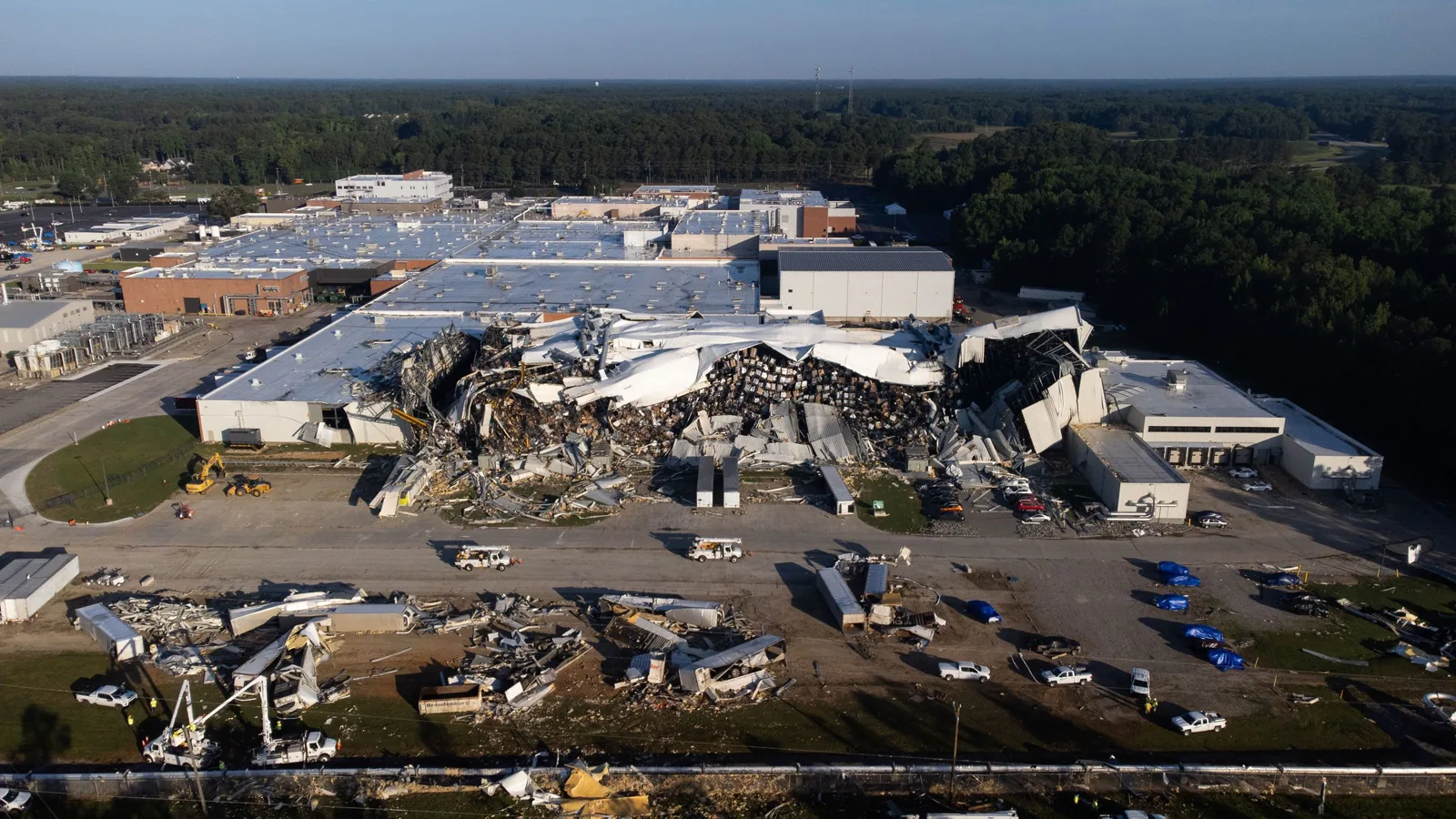
More Roof Damage Repair in Westminster
See the rest of our roof damage repair for Westminster commercial buildings, or call 555-555-5555 to talk through your roof.
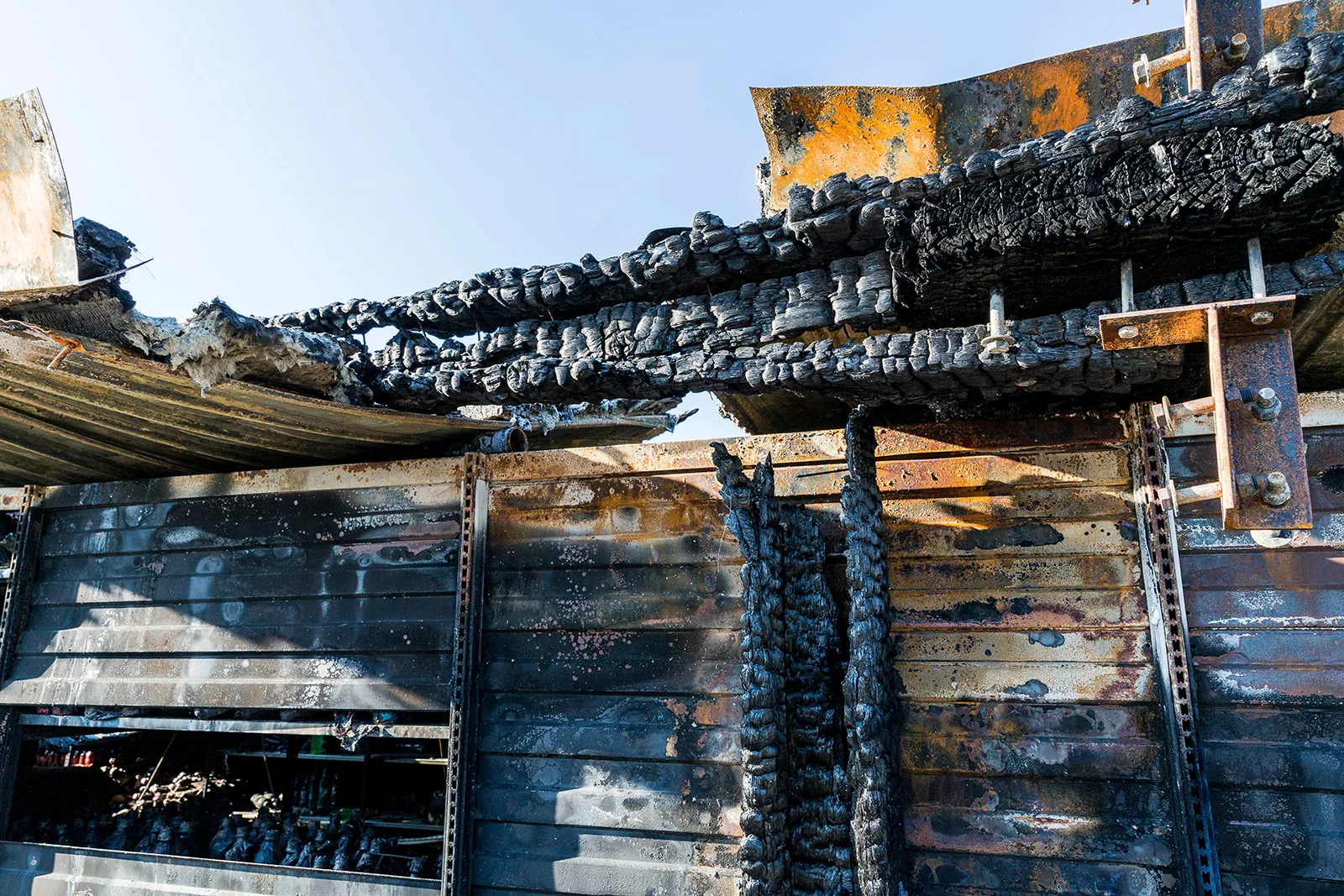
Commercial Snow and Ice Roof Damage Repair
Talk to Commercial Roofing Westminster
Call 555-555-5555 or send a request and we will schedule a visit to look at the roof, explain what we find and lay out your options.