
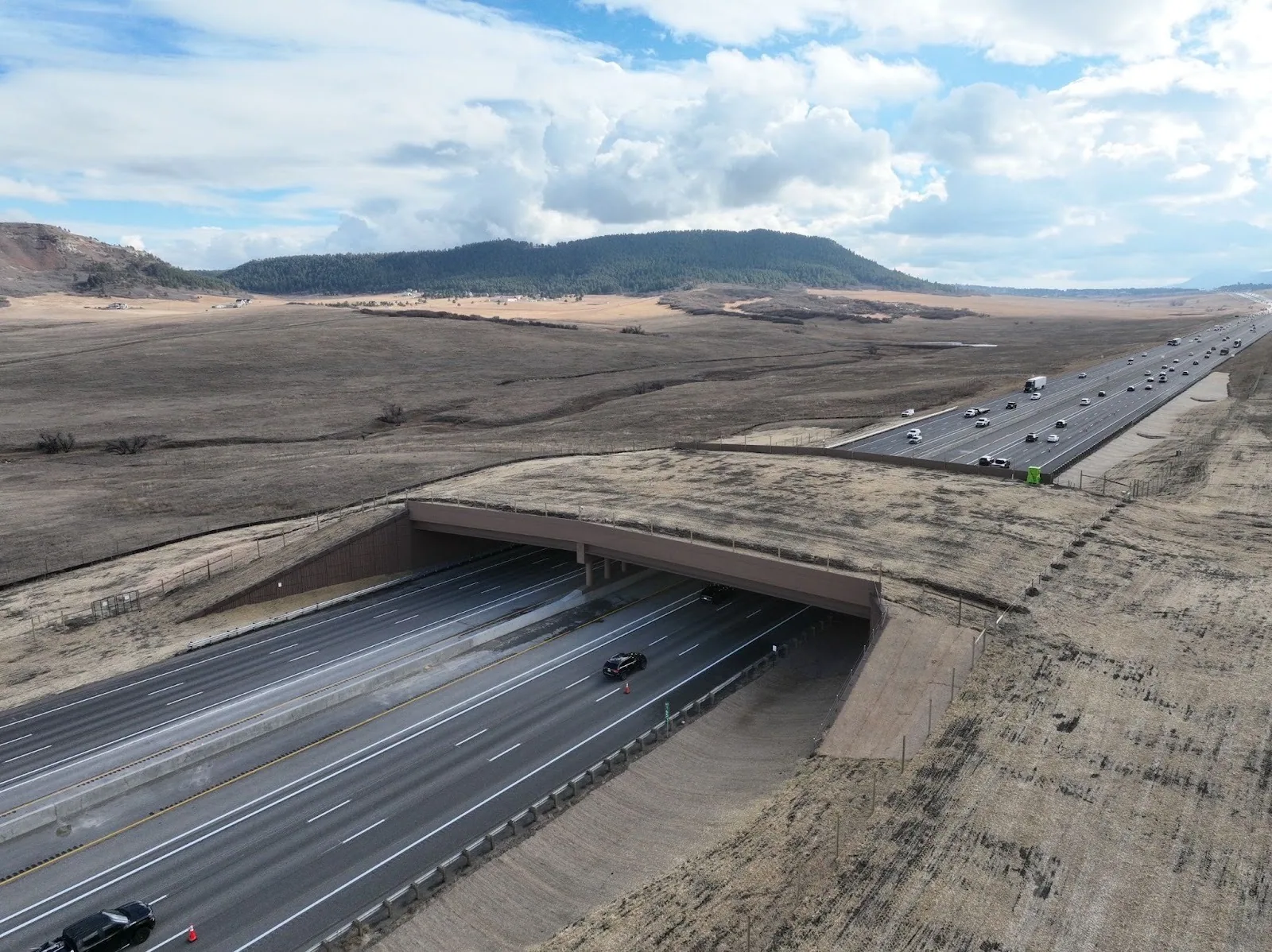
Commercial Roofing in the North I-25 Corridor, Westminster, CO
Coordinate commercial roof inspections and repairs across Westminster's North I-25 corridor with property-specific access and condition records.
North I-25 Corridor
A roof request labeled only “North I-25” needs a property boundary before a crew can inspect or price the work. Westminster's retail strategy identifies the corridor as a commercial subarea with more than 1.55 million square feet of retail inventory, including Orchard Town Center, Westminster Crossings, and several community and neighborhood centers. That area-wide number is not roof area. The useful first step is to identify the building, affected roof zone, and access contact.
Pin down the property first
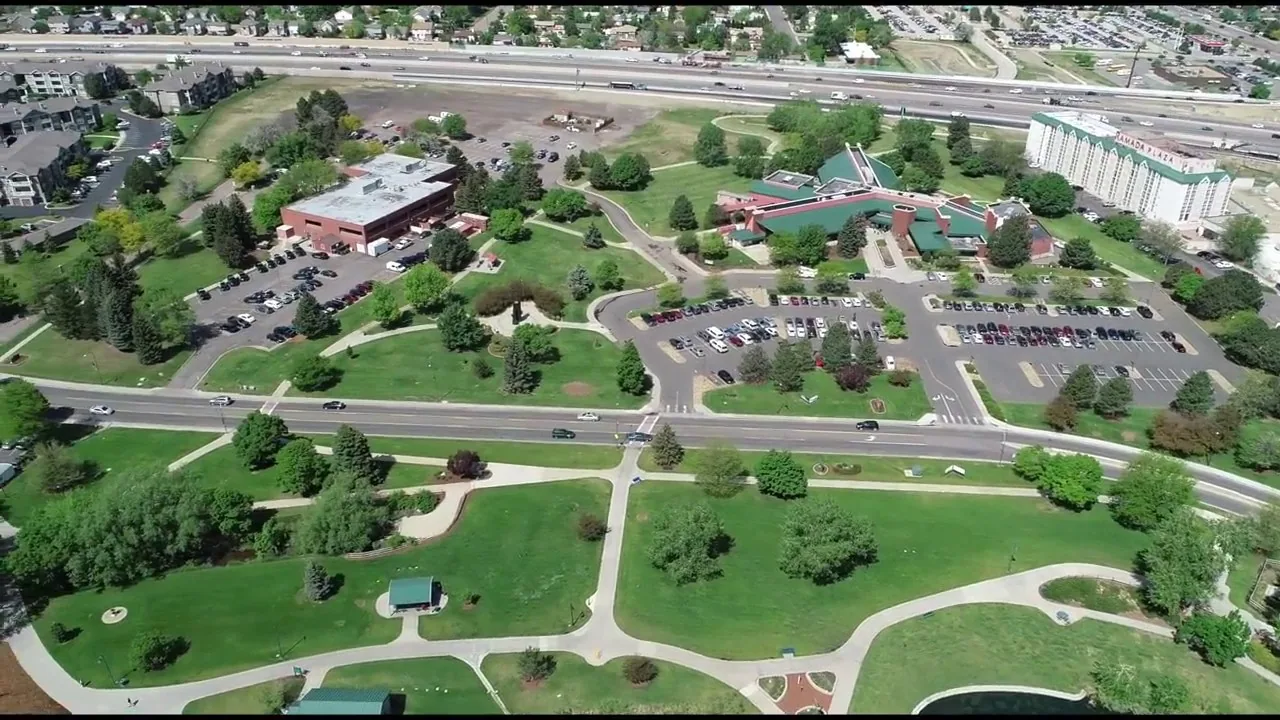
I-25 access and nearby shopping destinations are central features of this commercial corridor. The corridor covers more than one center and does not create a shared roof plan. Separate each property in work orders and photos. Confirm the correct building, roof hatch or ladder route, loading area, and interior contact before field work. A roof asset record can keep system documents and maintenance history attached to the right address without turning the corridor into one asset.
Orchard Town Center and Westminster Crossings are two named destinations in the area. A roof visit at Orchard and a Crossings inspection may involve different owners, operating rules, roof assemblies, and tenant schedules. The retail square footage measures floor area across properties; it does not tell us roof quantities or conditions.
At the first walk, map each section, access limit, edge, penetration, drain, and transition. If an area cannot be reached, mark it as uninspected. Where records do not match field conditions, pause system-specific recommendations until the assembly is confirmed.
Trace water across the assembly
An interior stain can be several feet from the roof opening. Start with the affected room, the timing of water, and what weather or equipment operation came before it. Compare that report with roof seams, flashing, curbs, wall transitions, and drainage. Draw a likely path only when the field details support it. Keep suspected entry separate from confirmed damage.
Inspect the membrane field and its transitions. Look for open seams, punctures, split flashing, loose terminations, deteriorated sealant, and older patches. Follow water from high areas toward drains and overflow points. Check whether debris or ponding blocks the route. An inspection report should show the roof area, photos, tests performed, and limits of access rather than compressing several properties into one conclusion.
Material choice follows system identification. TPO, PVC, EPDM, KEE, modified bitumen, built-up, and metal roofs have different seams and details. For a verified PVC assembly, a PVC detail review checks compatible flashing and welds. The corridor name or retail use does not tell us which membrane is present.
Use a forecast as context
Westminster's climate brings hail, wind, thunderstorms, heat, cold, and winter weather. The May 30, 2024 storm produced hail reports near Westminster and documented roof damage elsewhere in the northern metro. For the North I-25 corridor area, confirm the roof system before selecting repair materials; schedule a return only after confirming safe roof access. Following a thaw, inspect drains, scuppers, low sections, overflow paths, and reported interior staining at the specific building. Check for a clear path from each low area to a working outlet. Photograph water conditions only when observed; do not infer them from a seasonal statistic.
For a confirmed active leak, leak response can protect the interior while the permanent scope is developed. For a storm concern, a wind-damage assessment should record perimeter and attachment conditions by roof section. Keep temporary protection separate from the repair recommendation.
Choose the next scope
A localized puncture, seam opening, or flashing failure may have a clear repair boundary. Repeated moisture, broad membrane wear, failed attachment, or several roof zones with active problems may justify a wider evaluation. Before recommending coating, recover, or replacement, review moisture, insulation, substrate, drainage, edge details, and the number of existing layers. A survey is useful when its result could change the work decision.
Repair proposals should identify preparation, compatible materials, limits, photos, and any follow-up test. Larger work should state removal assumptions, insulation and cover board, membrane type, edge metal, staging, debris handling, and daily dry-in. Cost and timing can change with roof height, access equipment, occupied hours, weather windows, concealed conditions, and the amount of perimeter or penetration detail to rebuild. A corridor-wide inventory cannot substitute for those building-specific quantities.
Westminster uses the 2021 International Building Code and Energy Conservation Code. Confirm which provisions and permits apply to the proposed work. A replacement scope should record those assumptions. For serviceable roofs, planned maintenance can document drains, seams, and changing conditions before they require a larger project.
Arrange a North I-25 roof assessment
Share the center or property, affected roof area, leak or weather timing, access contact, and any operating limits.
Sequence work without blocking access
Highway-oriented retail centers may have customer circulation, deliveries, and several active tenants. Confirm staging, lift location, loading windows, pedestrian protection, and roof access with the property contact. A single schedule should not assume that every center has the same hours or restrictions. Name the roof section and affected entrance in notices. If a lift crosses a public route, set the barrier and spotter plan before moving material.
Work involving adhesive, coating, open membrane, or temporary removal needs a suitable weather window. Compare forecast and surface conditions with product requirements. If the window closes, secure the exposed area and assign a return date. Record the temporary detail and any follow-up test. Keep delivery vehicles and discarded materials out of drains and walkways.
At closeout, confirm water paths remain open, penetrations are sealed, debris is cleared, and the public routes are restored. Reconcile the finished work with initial photos. If several properties were visited, complete a separate closeout record for each one.
Keep corridor work searchable
File roof plans, condition photos, system details, repair scopes, and warranty records under the property name and roof zone. Label each photo by date and direction. Write whether the finding was visible, tested, corrected, or left open. Do not use a North I-25 summary as a replacement for the underlying building files.
The same corridor can include centers with different tenants, access policies, and maintenance histories. At a follow-up, compare the new condition with the correct record. Identify the prior patch, verify the drain and overflow route, and note any part of the roof that could not be inspected. This gives the next visit a practical starting point.
For service, share the center or property, affected room, roof access instructions, leak or weather timing, and prior repairs. We can review the specific roof, describe what the evidence supports, and set out a repair or capital path. The corridor name helps locate the request; the building's own condition sets the scope.
Properties along a freight-oriented route may need deliveries scheduled around truck circulation and loading activity. Confirm turning space, staging limits, and the building contact before dispatch. Keep roof observations tied to the correct facility so a drainage or edge condition at one site does not become a portfolio-wide assumption.
Commercial Roofing Questions
Does the corridor retail inventory measure roof area?
No. It is an area-wide retail inventory. Roof measurements and condition need to be established for each property.
Can one inspection cover every North I-25 center?
A visit can be scheduled across a portfolio, but each building needs separate access notes, photos, findings, and repair boundaries.
What do you need to dispatch a roof visit?
Provide the property or center, affected room, leak timing, access contact, and any delivery or operating limits.
Does a nearby storm report show that our building was hit?
No. We inspect the property and document visible conditions. A regional report is context, not a building-level diagnosis.
What makes a corridor repair more expensive?
Roof height, access equipment, staging, concealed moisture, detail count, material choice, and operating constraints affect labor and schedule.
Related Roofing Work
Commercial Roof Asset Management
Read more
Westminster
Read more
Northglenn
Read more
Commercial Roof Inspection
Read more
More Service Areas in Westminster
See the rest of our service areas for Westminster commercial buildings, or call 555-555-5555 to talk through your roof.
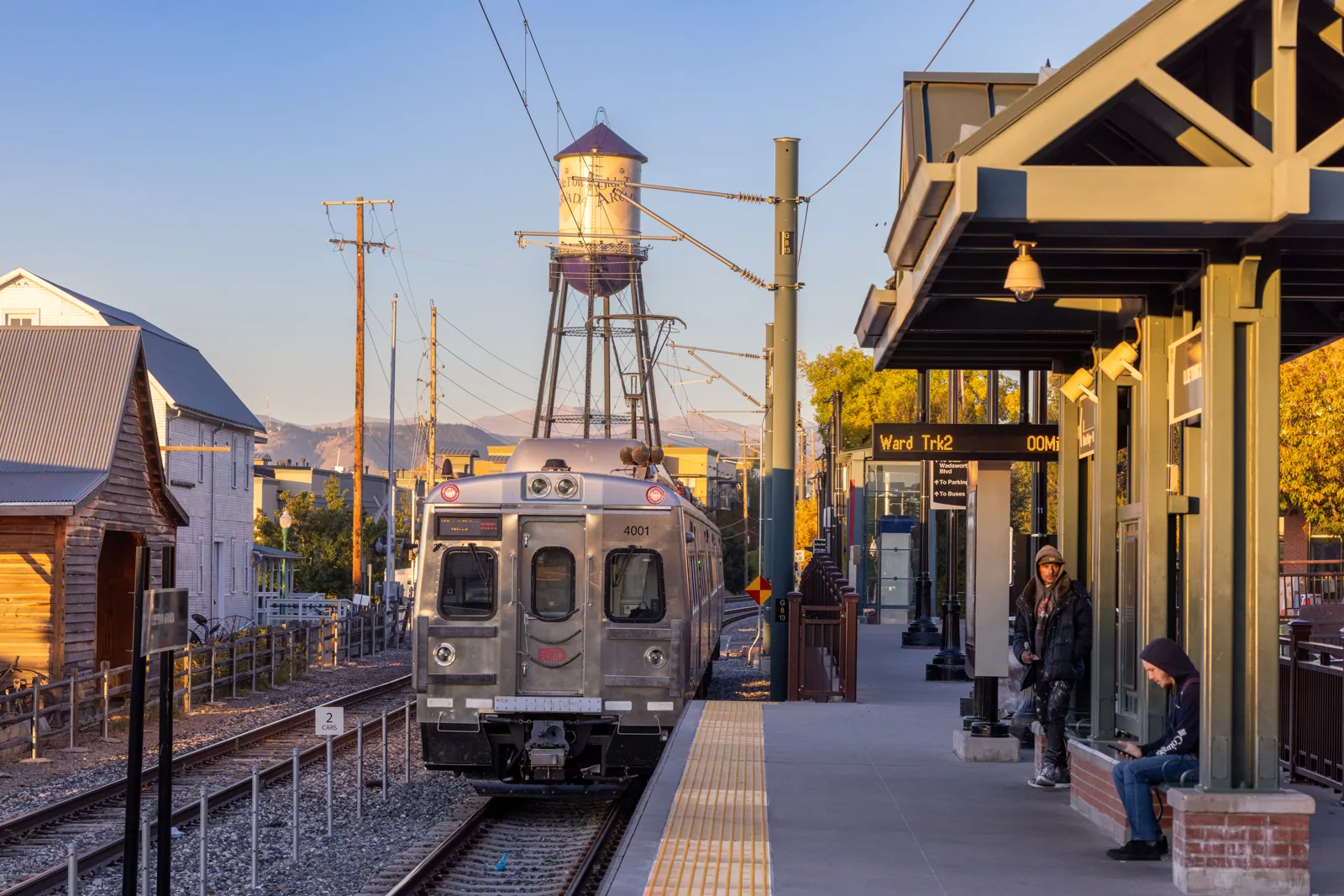
North I-25 Corridor
Talk to Commercial Roofing Westminster
Call 555-555-5555 or send a request and we will schedule a visit to look at the roof, explain what we find and lay out your options.