
Commercial Roofing in Northglenn, CO
Plan commercial roof inspections and repairs in Northglenn around access, weather, drainage, and conditions confirmed on the building.
Northglenn
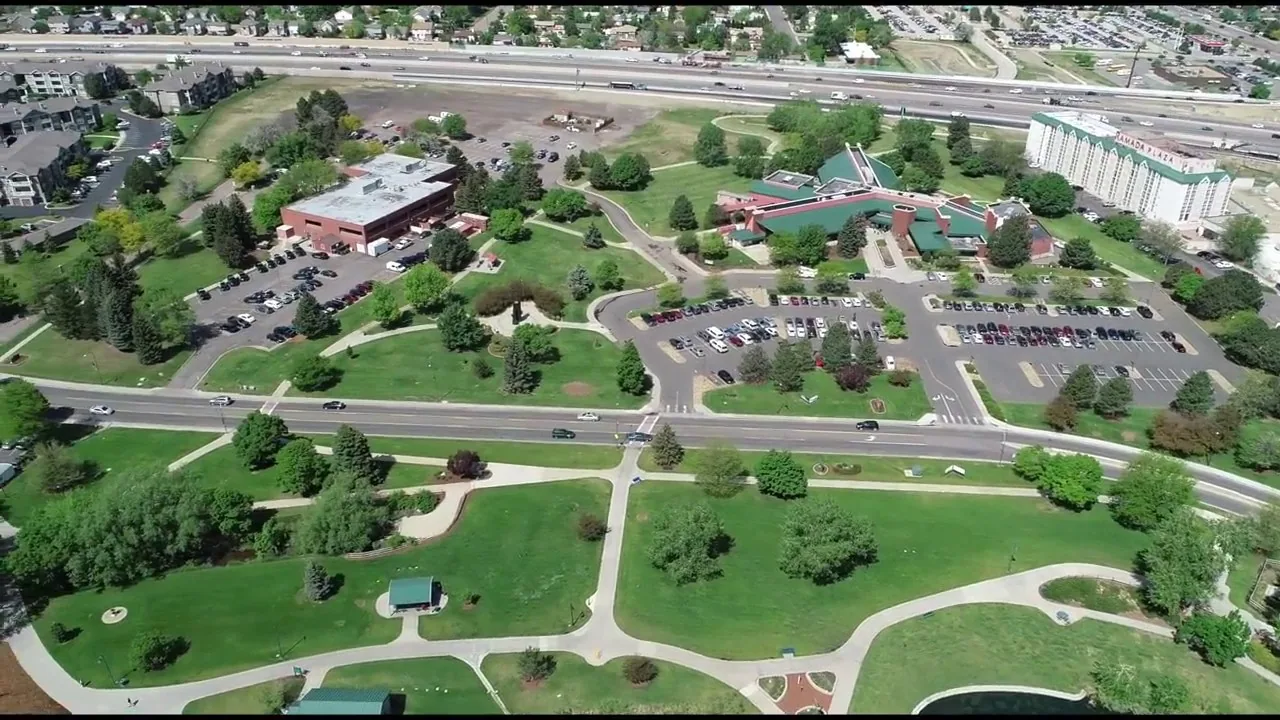
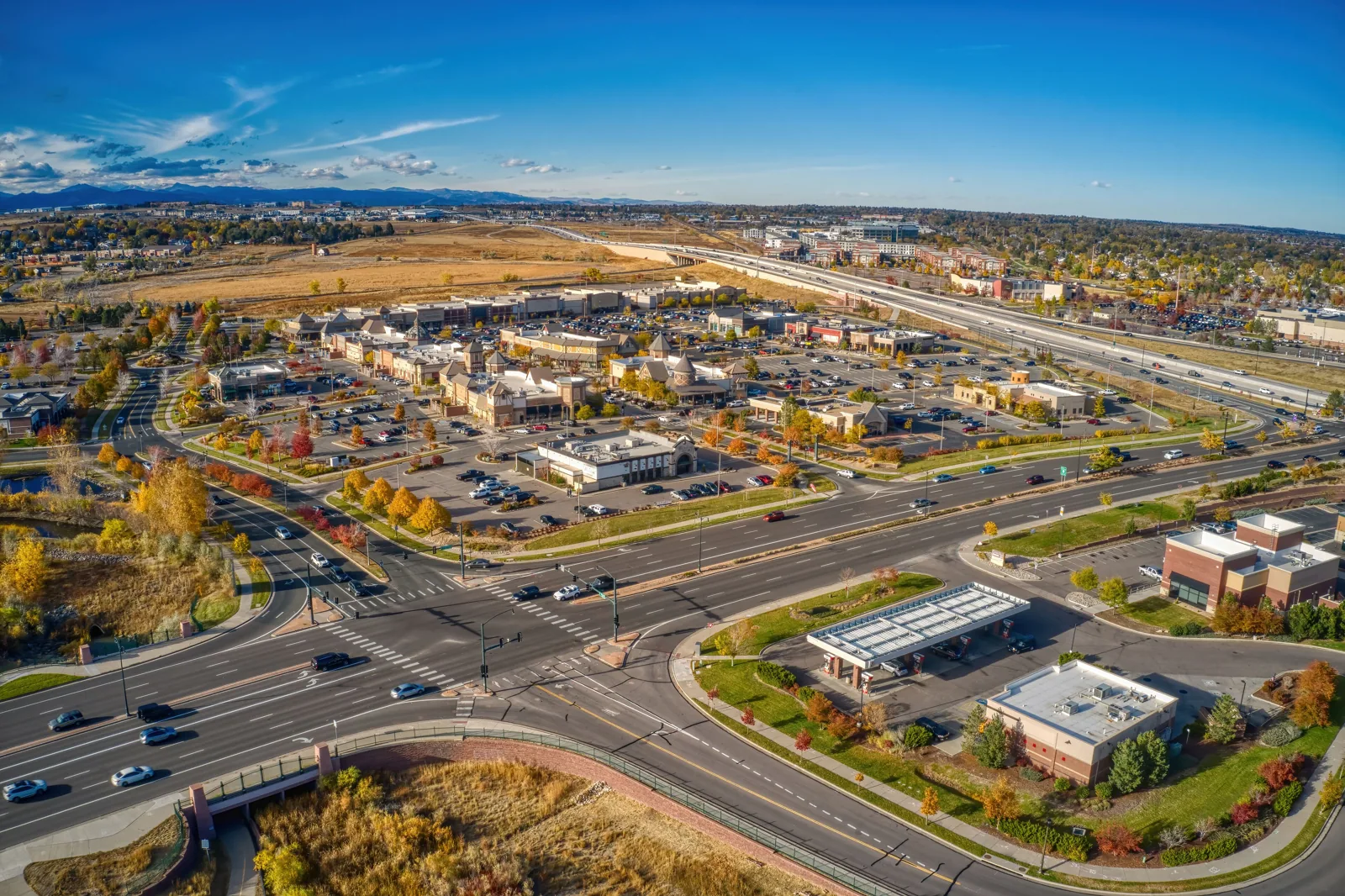
A roof leak in Northglenn starts as a building question, not a citywide conclusion. The municipality includes a range of commercial areas, from the 112th Avenue station district to established retail and employment zones. Northglenn planning identifies several of these as redevelopment priorities. That context helps route a visit; only roof plans and field observations establish the affected assembly and repair boundary.
Separate shared-site activity from roof scope
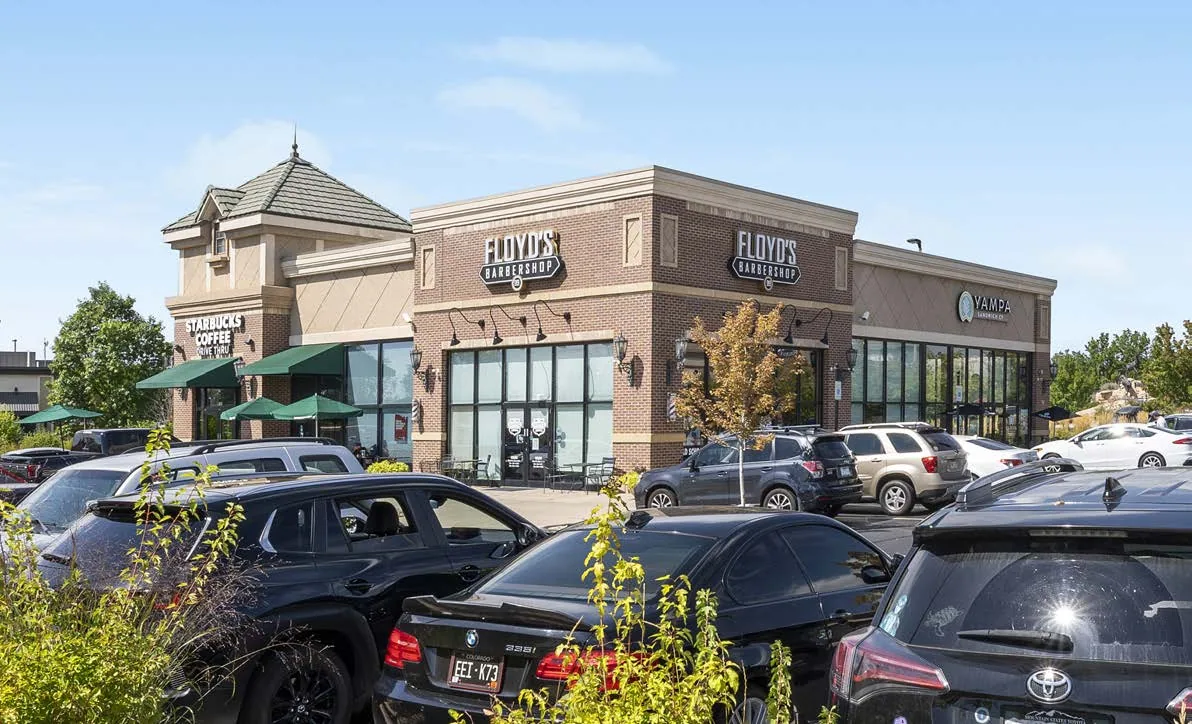
A community center can involve several operators, entrances, delivery patterns, and access contacts. Confirm which building is affected and who can approve the roof visit. Map service areas, loading paths, public entries, and any equipment that must stay online. Keep each property boundary clear in photos and work orders. A condition report should attach observations to a specific roof zone, not to a center-wide label.
Northglenn’s municipal service area includes established commercial districts, the 112th Avenue station area, and areas identified for renewal near 112th Avenue, East 120th Avenue, Washington Street, and Huron Street. A Northglenn Marketplace visit is one possible local call, but it remains a separate property assignment. Set coverage by city and scope each roof by building. Confirm the caller’s relationship to the site, access approval, and roof boundaries before collecting measurements or naming a repair. Separate assignments in Thornton retain their own roof records.
Before the first walk, verify the roof plan, hatch or ladder route, and contact who knows the interior report. Photograph the membrane, edges, penetrations, drains, and transitions. Mark which locations could not be reached. If the plan and actual details disagree, document that before proposing a system-specific repair.
Test the reported water path
Find out where the water appeared, when it started, and what event preceded it. Rain, snowmelt, equipment service, or a prior repair can point toward different details. Water can travel along insulation or deck before reaching a room. Compare the interior report with roof elevations and details. Keep the suspected route separate from any opening that has been directly observed.
Inspect field seams, wall flashings, curb corners, pipe boots, coping, and edge metal. Follow the drainage route to drains and overflow outlets. Look for debris, low spots, open laps, punctures, or loose terminations. Wide photos establish orientation; close photos show the detail. An inspection record should state what was accessible, what testing was completed, and what remains uncertain.
System identification matters. A repair method for TPO does not automatically fit EPDM, PVC, modified bitumen, or metal. On a verified PVC roof, a PVC seam and flashing review can focus on compatible materials and details. Confirm the assembly from records or a controlled field check before selecting products.
Check the roof after a weather trigger
Denver-metro weather includes hail, wind, thunderstorms, winter weather, heat, and cold. A May 30, 2024 hail report in the north metro and documented roof damage across the region provide a date to compare with the center's maintenance records and roof photos. Record impact marks on the inspected area and distinguish them from age, maintenance wear, and conditions that need closer testing.
Snowfall varies by location across the metro. For an occupied building in Northglenn, coordinate access with the tenant contact and record completed repairs separately from deferred work. A regional normal cannot tell us whether this roof has a drainage problem. After thaw, check drain bowls, scuppers, overflow routes, low areas, and interior reports. Note any ponding only when observed and connect it to a specific roof section.
If a leak is active, an emergency leak visit can address immediate interior protection and document a temporary dry-in. A separate hail assessment can record roof conditions after a storm. Keep both scopes tied to the property and date of inspection.
Price the work from confirmed conditions
A local seam failure or isolated flashing defect may be corrected with a defined repair if the surrounding roof remains sound. Repeated water entry, broad moisture, deteriorated membrane, or several active zones can shift the recommendation. Before selecting a coating, recover, or replacement, verify the existing layers, insulation, substrate, drainage, attachment, and edge details. Testing makes sense when the result will change what is proposed.
For repair, state preparation, compatible materials, limits, closeout photos, and any return test. For a larger project, identify removal assumptions, insulation and cover board, membrane, perimeter metal, staging, disposal, and daily dry-in. The center's active operators can affect work windows and material access. Cost also depends on roof height, lift needs, concealed wet insulation, penetrations, edge work, and the space available for staging.
Request a Northglenn roof inspection
Share the business area or building, affected room, leak or weather timing, roof access contact, and operating limits.
Protect entrances and deliveries
Work near a home-improvement retailer, food service, or a drive-through can intersect with deliveries and customer circulation. Confirm the actual property layout rather than assume all businesses use the same route. Set lift location, material staging, barriers, and pedestrian protection with the site contact. Keep emergency exits and required entries open. If work must pause, leave the roof and public area in a safe documented state.
Adhesive, coating, and open-membrane work depend on weather and surface conditions. Check the planned system's installation limits before starting. If temperature or moisture closes the window, use a suitable temporary protection detail and set a return date. Coordinate equipment shutdowns with the operator and identify who confirms restart.
At closeout, clear packaging, confirm drains and overflows remain open, and restore delivery and customer paths. Compare final photos with the original repair boundary. Record the status of testing, temporary protection, and inaccessible roof areas. That gives the property manager an accurate handoff instead of a broad “center completed” note.
Keep each roof history distinct
File the roof plan, condition photos, system information, repairs, and warranty records under the correct property. Label images with the roof section, date, and direction. State which details were inspected or repaired and which areas remain open. If the community center has separate roof areas or operators, do not combine their records without a clear boundary.
At follow-up, use the same roof map to compare the new condition with the prior visit. Confirm whether water returned, whether the temporary repair remains intact, and whether drainage is clear. Add any new finding to the correct section. A repair history becomes useful when another manager can connect a photo to the roof and the action that followed.
For a Northglenn inspection, share the business area or building, affected room, leak timing, prior repair information, roof-access contact, and operating limits. We can document the roof section reached, explain which conditions are confirmed, and set out a focused repair or broader planning option. Keep the closeout tied to the municipality, property, inspection date, and roof zone actually surveyed.
Commercial Roofing Questions
Does the listed center area show how large its roof is?
The published figure is center area. A plan review or site measurement is needed to determine a roof's area and boundaries.
Does the Lowe's tenant listing mean adjoining businesses share a roof?
A tenant listing identifies a prominent operator, not building connections or shared roof systems. We verify those details on site.
How do you handle a leak near a drive-through?
We coordinate roof entry, lift placement, barriers, and traffic protection with the property contact while keeping the repair boundary clear.
Can we combine a repair with a hail inspection?
Yes, when the property needs both. We record urgent water control and storm observations separately so each has a clear scope.
What facts help define the repair boundary?
Interior timing, roof plans, photos, system identification, visible damage, and access limits help define where work should begin and end.
Related Roofing Work
Commercial Roof Condition Reports
Read more
Northglenn Marketplace, Northglenn
Read more
Thornton
Read more
Commercial Roof Inspection
Read more
More Service Areas in Westminster
See the rest of our service areas for Westminster commercial buildings, or call 555-555-5555 to talk through your roof.
Northglenn
Talk to Commercial Roofing Westminster
Call 555-555-5555 or send a request and we will schedule a visit to look at the roof, explain what we find and lay out your options.