
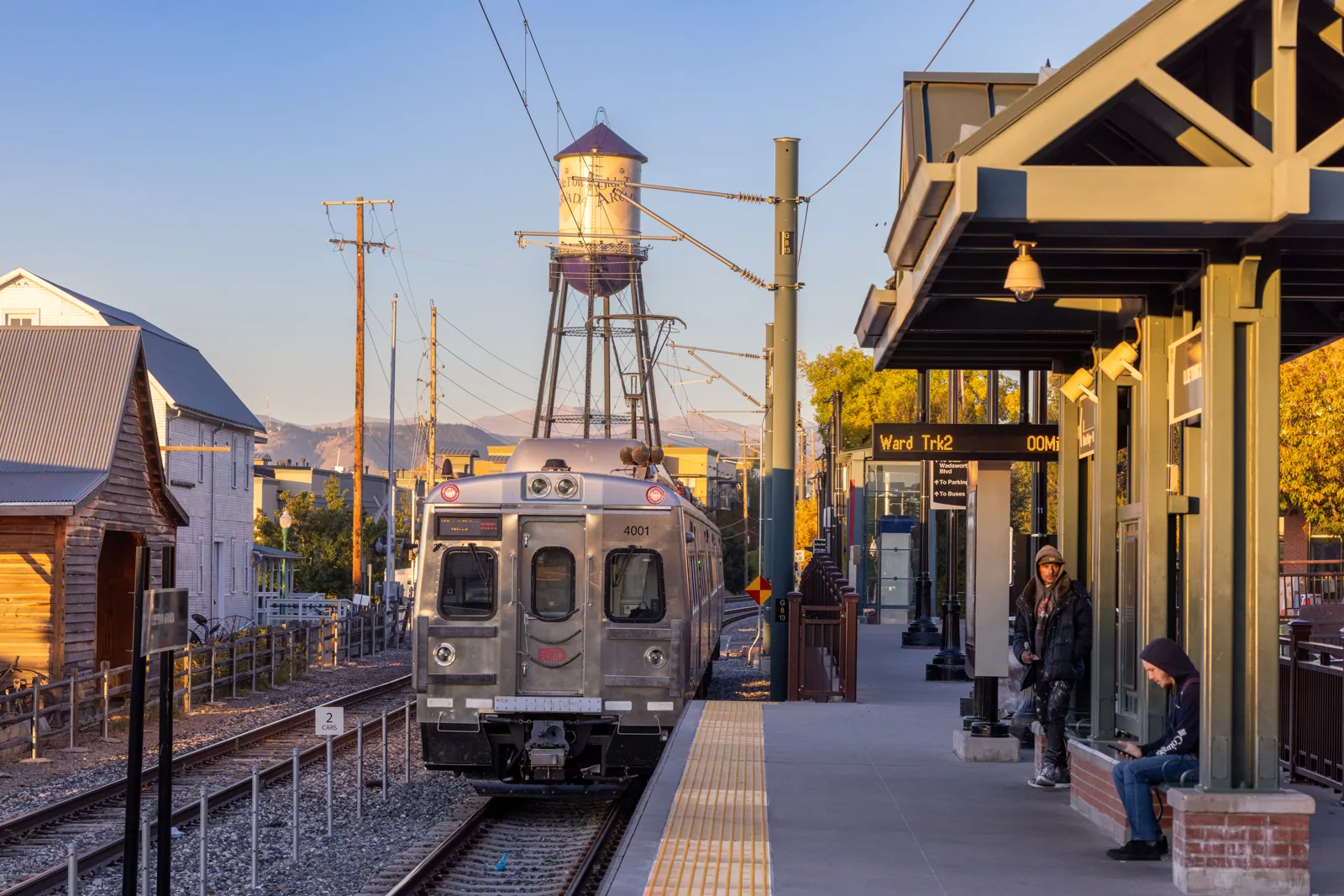
Commercial Roofing in Olde Town Arvada, Arvada, CO
Coordinate Olde Town Arvada roof repairs with pedestrian access, reinvestment activity, weather findings, and building-specific service records.
Olde Town Arvada, Arvada
A roof repair in Olde Town Arvada needs an access plan that accounts for the district's pedestrian activity and current reinvestment work. Arvada adopted a shared twenty-year strategic vision for Olde Town in October 2023. Street closures near Grandview Avenue and Olde Wadsworth Boulevard expanded pedestrian and retail space for local businesses. That context can affect staging and notice timing; each roof still needs its own inspection.
Keep the work zone tied to a property
Olde Town is a downtown district, not a single building. Confirm the property, business contact, roof entry, affected interior, and access window before assigning a crew. Check whether pedestrian routes or street access have changed for the planned date. A related visit to Old Town Lafayette needs its own property contact and access schedule, separate from Arvada's downtown district.
Map each roof section, drain, seam, parapet, curb, penetration, and edge. If multiple tenants share a structure, identify who can approve roof access and who receives updates below. Keep findings by property, even if a public street closure affects several storefronts. A roof condition report can attach photos to a boundary that property staff can find later.
Wheat Ridge's 38th Avenue corridor also has a redevelopment plan for retail, services, and transitional residential uses. That corridor is a different city and service area. A 38th Avenue roof request needs its own building map, permit review, and access notes.
Trace the leak past the ceiling
Record the affected room, timing, and whether water appeared after rain, snowmelt, or equipment work. An interior mark can be below a different roof feature. Compare the report with roof levels, drainage paths, seams, wall transitions, penetrations, and equipment curbs. Keep an unconfirmed path labeled as suspected until the inspection supports it.
Check membrane laps, flashing, curb bases, parapet terminations, coping, drain bowls, and overflow routes. Look for open seams, punctures, loose metal, blocked drainage, and earlier patches. Photograph the detail and its location. A commercial roof inspection should explain what areas were reached and what test, if any, could change the recommendation.
System compatibility matters. TPO, PVC, EPDM, KEE, modified bitumen, built-up, and metal roofs need different methods. Confirm the assembly before specifying a patch. On a verified metal roof, a metal roof assessment can document fasteners, seams, and transitions that affect the repair limit.
Let the roof show storm effects
Hail, wind, thunderstorms, winter weather, heat, and cold can affect roofs across the Denver-Boulder forecast area. A storm report may lead to an inspection, but it does not show which Olde Town roof was struck. Semi-permanent closures near Grandview Avenue and Olde Wadsworth Boulevard expanded pedestrian and retail space. Confirm the open access route, lift location, and delivery window with the property contact before mobilizing. Inspect the actual roof drainage and overflow route after snowmelt before setting repair work. After thaw, check the roof drains and overflow paths at the property. Record any standing water and the exact section where it is seen. For structural questions, use the building's own design records.
If water is active, a leak-response visit can protect the interior and record temporary work. A wind condition review can document perimeter details after an event. Keep those actions distinct from the permanent repair proposal.
Set repair scope before street work
A local seam opening or flashing split may have a defined repair boundary if the surrounding material remains sound. Repeated leaks, wet insulation across several sections, failed attachment, or deteriorated edges can point to a broader project. Inspect layers, insulation, substrate, drainage, and repair history before comparing patching with restoration or replacement. Testing should resolve a question that affects the scope.
A repair proposal should specify preparation, compatible material, affected area, photos, and a follow-up check. A replacement plan should describe removal assumptions, insulation and cover board, membrane, edge work, staging, disposal, and daily dry-in. In Olde Town, sidewalk and public-space coordination can affect lift location, debris path, delivery timing, and notices. Cost also shifts with roof height, access equipment, concealed wet material, and the number of separate details.
Confirm Arvada's permit and code requirements for the actual project before finalizing the roof assembly. A replacement scope should state the applicable jurisdiction and access assumptions. If the roof remains serviceable, maintenance visits can document drain and edge conditions before a larger project.
Schedule an Olde Town roof review
Share the property, affected room, leak or weather timing, access contact, and any current street or sidewalk restriction.
Coordinate around pedestrians
Confirm current sidewalk routes, business entrances, material staging, lift placement, and any scheduled street work before mobilizing. Use barriers around hoisting and debris. Coordinate with the property contact about deliveries, operating hours, and how customers reach the affected business. Do not assume that a closure shown in a prior schedule remains active on the day of the visit. If material passes above a public walkway, pause foot traffic during the lift and use a spotter at each approach. Keep the detour visible and accessible. Confirm who may reopen the route after tools and debris are clear, then note that release in the daily closeout. For a business opening during work, agree on any noise or equipment interruption and name the on-site contact. Record route release before demobilization.
Adhesive, coating, and exposed-membrane tasks need acceptable surface and weather conditions. Check the installation requirements and daily forecast. If a work window closes, protect the roof with a suitable temporary detail and set the next visit. Record who owns that return and whether public access needs another notice.
At completion, remove staging debris, confirm roof drains are clear, and restore the agreed pedestrian route. Compare the finished detail with the initial photos. Record what was completed, what remained inaccessible, and any test still due. The district's long-term vision should not be mistaken for a closeout record on a particular property.
Carry the work history forward
Keep roof plans, inspection photos, repair orders, system information, and warranty records by property and roof zone. Label each photo with date and direction. Record observed conditions, tests, work completed, and unresolved items. Add current access contacts and note any public-route restriction that affected service.
At a return visit, use the prior map to find the repaired seam or flashing. Check whether water returned, whether drains remain open, and whether pedestrian access can be restored as planned. Keep a separate list for temporary dry-in, deferred testing, and inaccessible sections until each is closed.
For Olde Town Arvada service, share the property, affected room, leak or weather timing, previous work, roof access, and any active street or sidewalk restriction. We can inspect the roof and outline a repair or capital path that matches the current building and access conditions.
In a walkable commercial district, keep equipment staging and pedestrian routing clear before roof work begins. Confirm the property boundary, rear access, and any neighboring entry that shares the work area. The closeout should state which roof section was repaired and whether the public path can return to normal use.
Commercial Roofing Questions
How should street-closure details affect a roof visit?
They describe public-space changes near Grandview Avenue and Olde Wadsworth Boulevard. Confirm current access for the specific property and date.
Does the twenty-year plan specify roof condition?
No. It establishes a district vision. A building's system and condition come from its roof records and inspection.
How should we plan roofing beside pedestrian routes?
Confirm current sidewalk access, business entries, lift placement, staging, debris movement, and notices with the property contact.
What should an emergency roof request include?
Provide the business or property, affected room, time water appeared, roof entry, and any active public-route restriction.
Can one repair proposal cover nearby properties?
A portfolio can share a schedule, but each roof needs its own inspection findings, repair boundary, materials, and closeout record.
Related Roofing Work
Old Town Lafayette, Lafayette
Read more
Commercial Roof Condition Reports
Read more
38th Avenue Corridor, Wheat Ridge
Read more
Commercial Roof Inspection
Read more
More Service Areas in Westminster
See the rest of our service areas for Westminster commercial buildings, or call 555-555-5555 to talk through your roof.
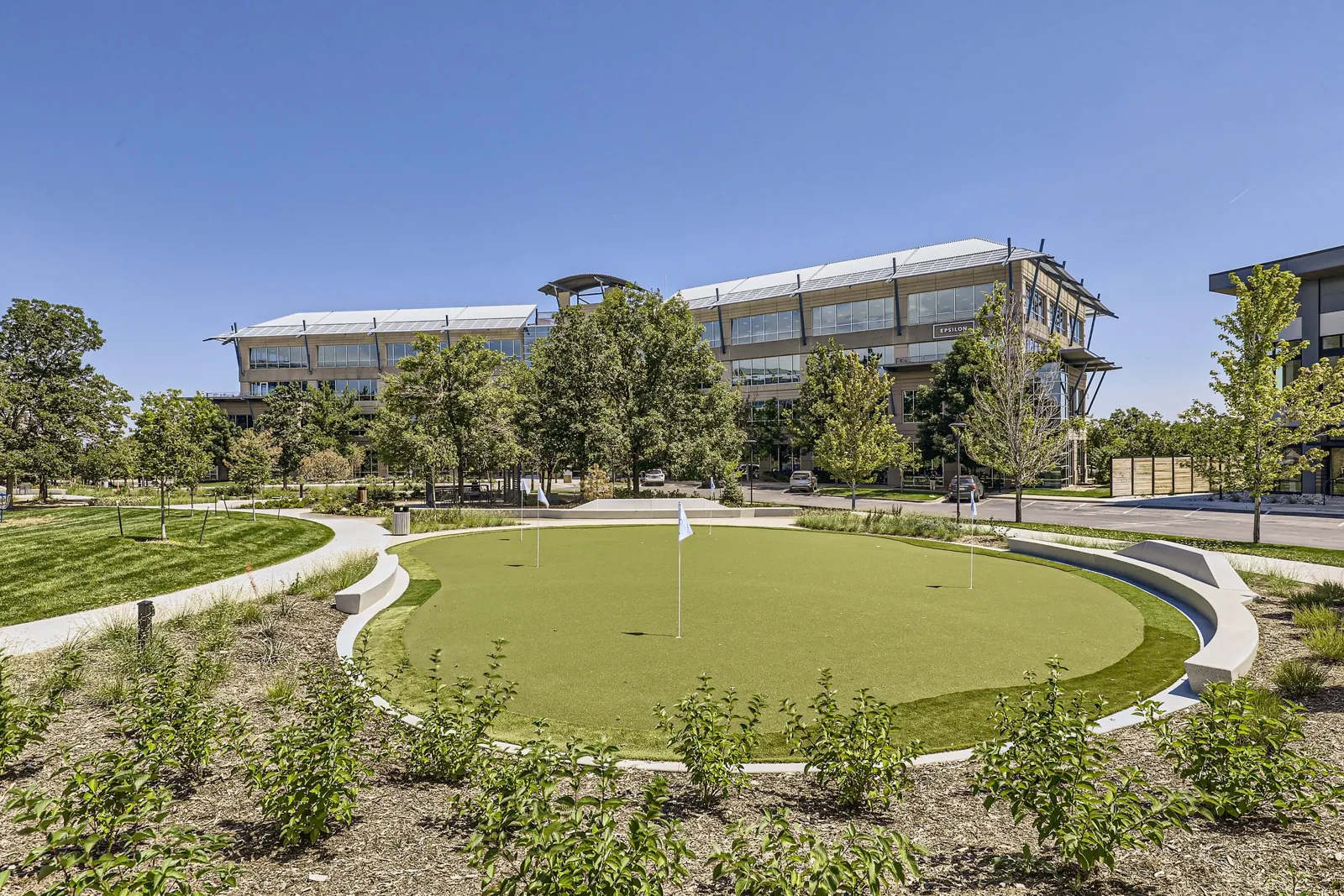
Olde Town Arvada, Arvada
Talk to Commercial Roofing Westminster
Call 555-555-5555 or send a request and we will schedule a visit to look at the roof, explain what we find and lay out your options.