
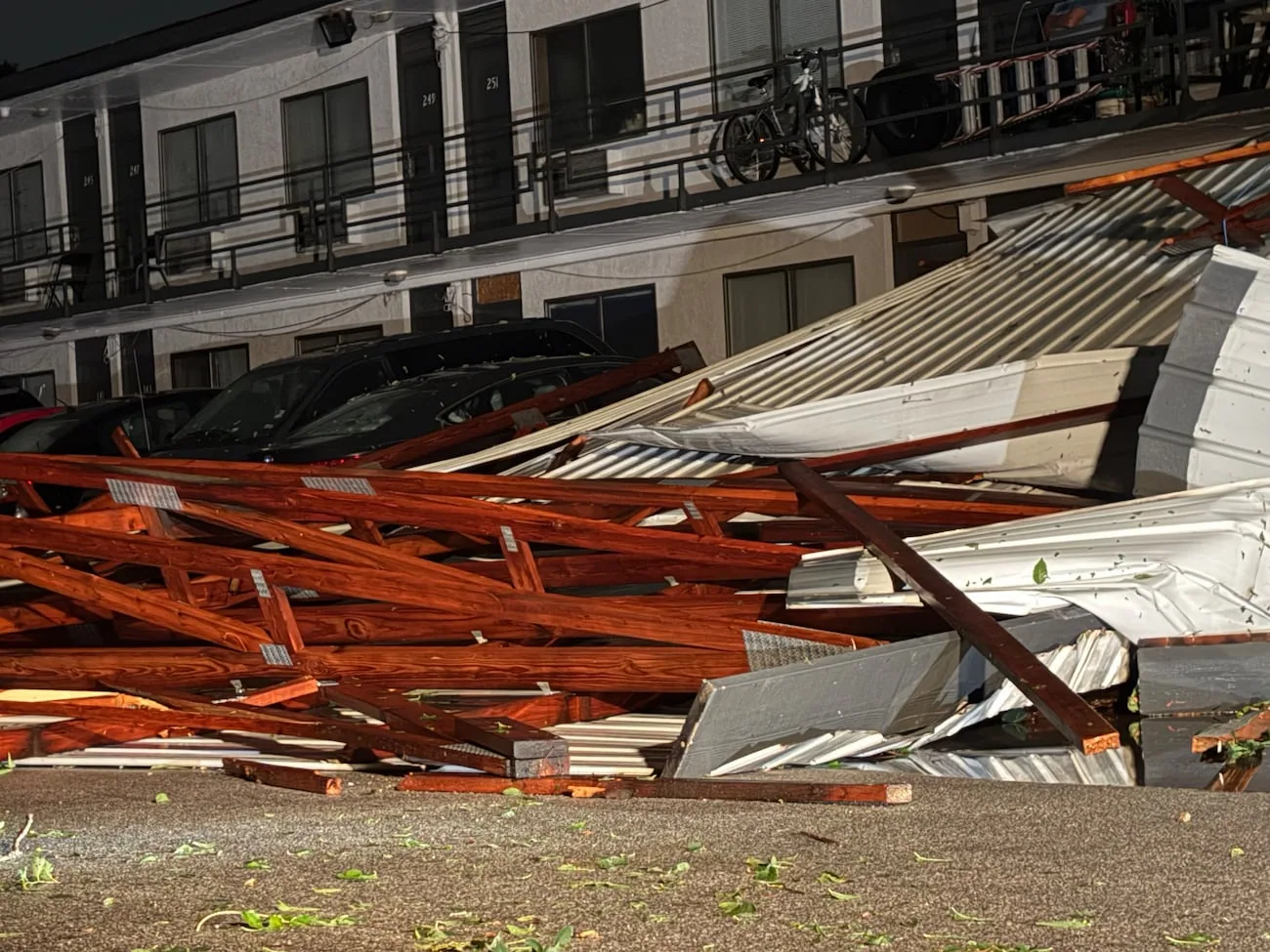
Commercial Wind Damage Roof Repair in Westminster, CO
Inspect Westminster commercial roofs after high wind for lifted edges, loose metal, damaged flashing, and leaks, then document a clear repair scope.
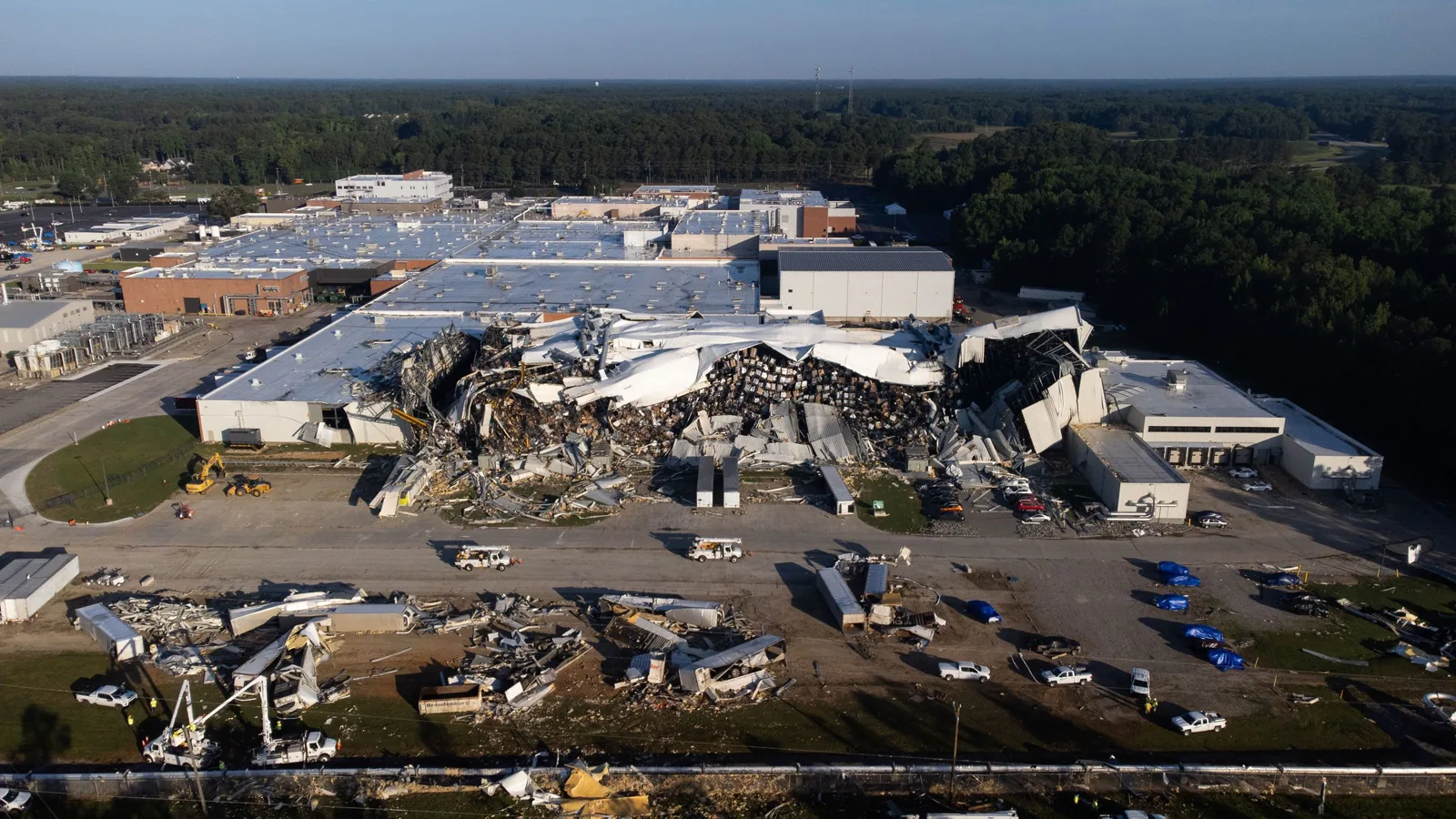
Commercial Wind Damage Roof Repair
A lifted edge after a wind warning needs a close look before the next storm. Start at roof corners, perimeters, metal terminations, and equipment supports, then compare the finding with the interior report. The Denver/Boulder forecast area experiences damaging wind, thunderstorms, hail, and tornadoes. Use the forecast-area hazards to time the visit, then record movement, openings, and failures on the roof itself.
Trace wind exposure at the roof edge
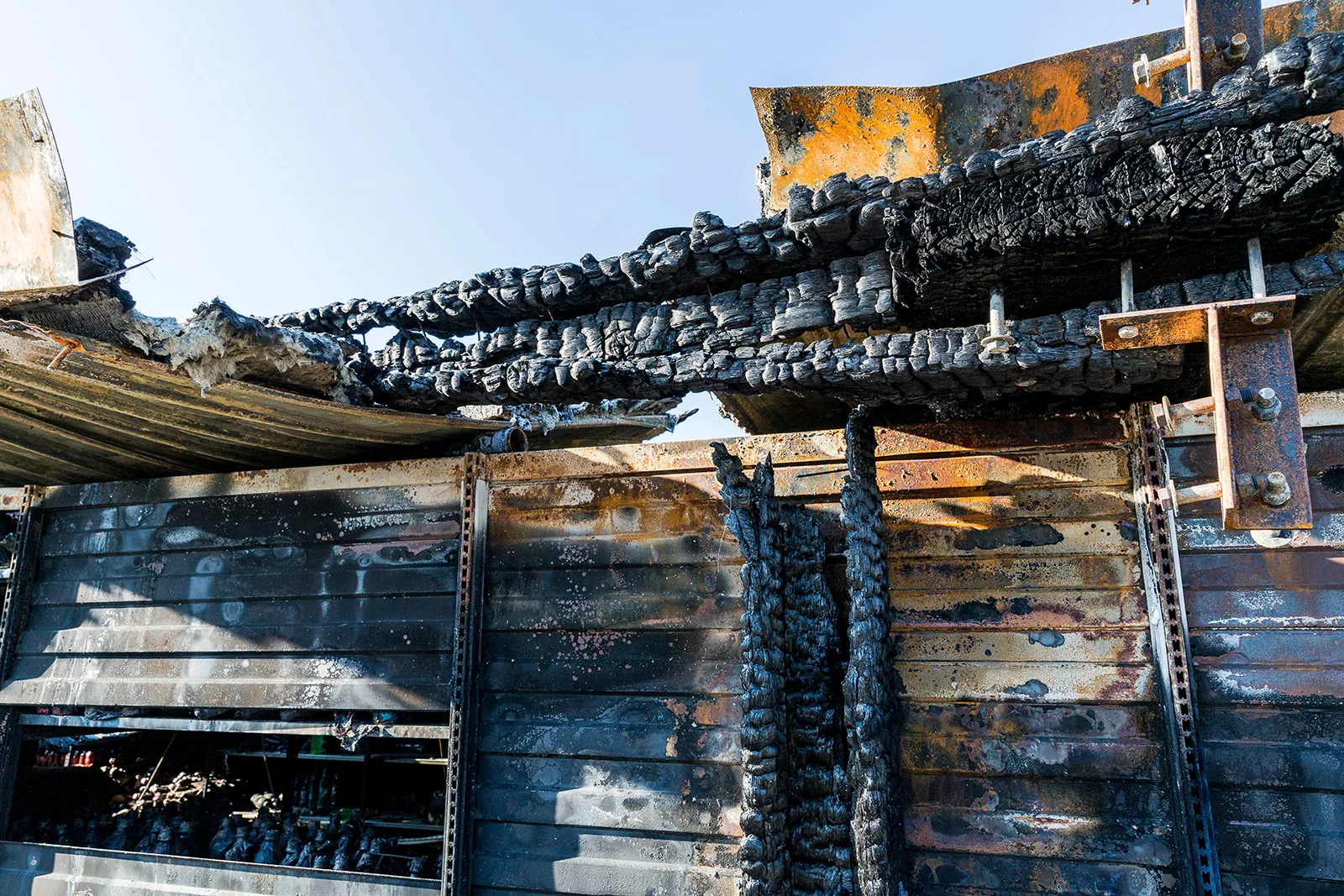
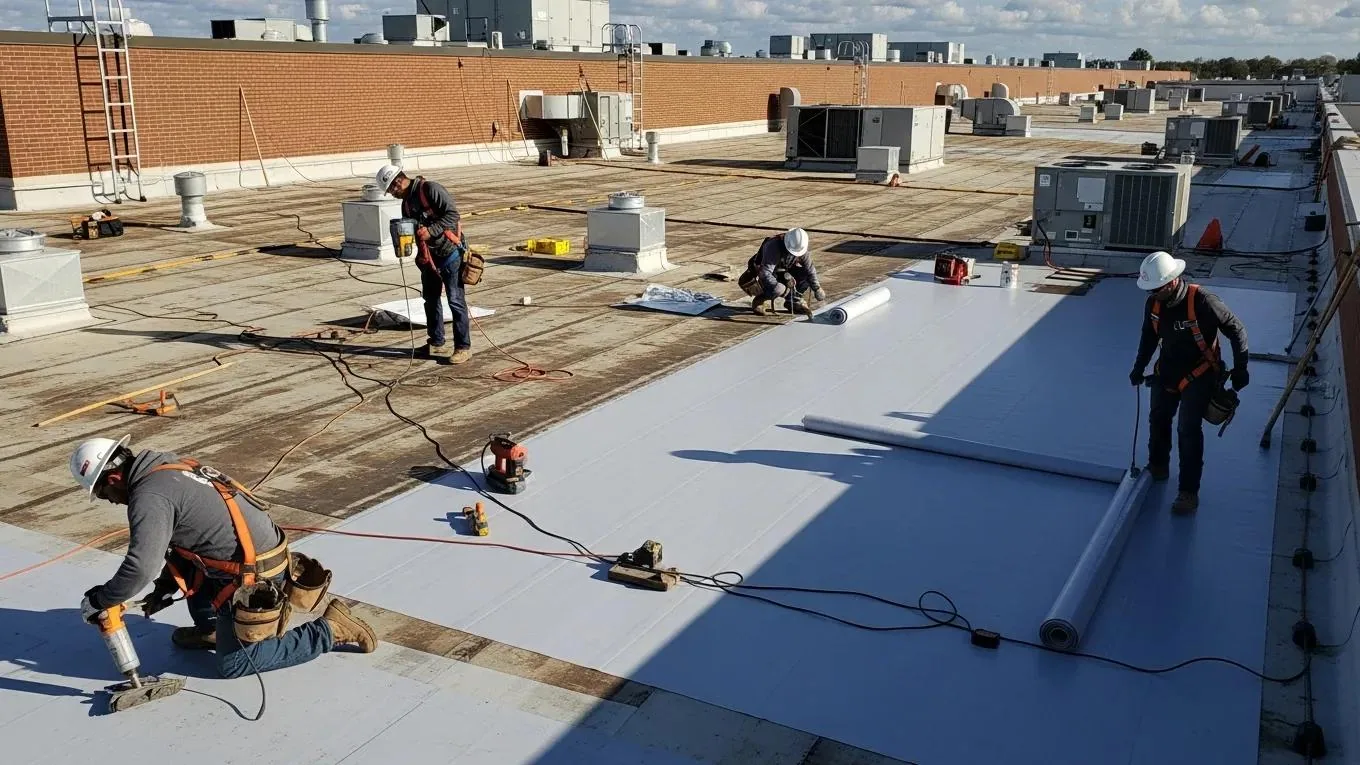
Wind pressure changes around corners, parapets, rooftop units, and large openings. Look for loose coping, displaced edge metal, lifted membrane, open laps, damaged fasteners, and movement at penetrations. Photograph the detail in place before disturbing it. Record the roof zone, approximate extent, and whether the condition leaves the assembly exposed to water.
At an office/flex campus such as Westmoor Technology Park or a multi-building property near Circle Point, different structures may have different roof details and maintenance histories. Record findings under the inspected building and roof section. A Westmoor area inspection records only the building and sections actually visited.
Metal roofs need checks at panel clips, fastener rows, end laps, ridge caps, and perimeter attachment. Membrane systems need seam, flashing, and edge review. The repair approach depends on the installed assembly and condition of adjacent materials, not only on how visible the loose detail appears from the ground. Large roof openings, loading doors, and rooftop equipment can change where the crew finds debris or movement. Inspect the perimeter and nearby transitions together, then compare the result with the roof plan. A displaced coping section can affect the wall joint below it; a loose fastener row may lead to panel movement farther into the field. Record the sequence of observations instead of treating each mark as a separate failure before the roof is checked.
Check for water entry after the wind
Wind can open a flashing transition without creating an immediate interior stain. Water may travel along deck, insulation, or framing before becoming visible. Note the time of any interior report, room, active water status, and the roof detail above the area. Compare those observations with drains, curbs, seams, skylights, and previous repairs.
A commercial roof inspection can mark visible changes and identify sections that remain unexamined. If water is active, a leak repair visit may include temporary dry-in while the permanent boundary is confirmed. Keep the temporary measure, observed defect, and follow-up test separate in the service record.
Do not assume a leak came through the nearest roof opening. Photograph likely pathways and explain which detail supports the diagnosis. If wind damaged interior ceilings or equipment, the owner documents those items separately and coordinates protection before roof work continues.
Use regional wind reports carefully
Wind damage, thunderstorms, hail, tornadoes, winter weather, heat, and cold occur across the Denver-Boulder forecast area. This is a reason to review exposed roofs after a warning, not proof that a particular property received damaging gusts. At Westminster Promenade or Orchard Town Center, a service call still needs its own address, access plan, and roof observations.
The May 2024 northern-metro hailstorm also produced documented roof damage in the broader region. Hail and wind leave different evidence. Separate impact marks from displaced metal, open seams, and loose flashing so the repair scope fits the actual condition. Compare current photos with earlier inspection records where available.
Wind can make a roof walk unsafe even when damage appears urgent. Check surface conditions, debris, ice, and forecast before mobilizing. If access is unsafe, protect an active leak from inside and schedule the roof inspection when the route is secure.
Secure the assembly before the repair
A temporary cover should be attached without creating a new opening or directing water into the assembly. Define the protected area, fastening method, expected duration, and person responsible for checking it after weather. Keep the roof draining and the interior protected. A temporary patch is a short-term measure, not confirmation that the surrounding edge or membrane is sound.
For a failed seam or water path at a penetration, a flashing repair review or seam-failure inspection can address the affected detail. The roofer identifies compatible materials and the tie-in limits after the assembly is confirmed. Do not cover loose or wet material before documenting it.
Where metal panels or coping have shifted, keep people away from the exposed area and coordinate safe access. The repair scope should state what can be secured immediately and what requires replacement material or a return visit.
Schedule a wind damage roof inspection
Share the property, event date, leak location, roof plan, prior photos, and safe access contact. We will document the affected detail and repair boundary.
Choose a repair from observed movement
A single displaced edge or fastener may be corrected locally if the surrounding attachment remains sound. Multiple loose sections, torn membrane, wet insulation, or repeat leaks may require testing and a larger repair. Record the measured length or area, system type, affected details, and any hidden conditions that could change the scope.
A commercial roof repair proposal should identify work limits, materials, access, protection below, and closeout photos. If the roof has widespread distress, evaluate repair alongside a broader renewal plan. Roof area comes from drawings and field measurements, not the building footprint. Cost and timing also depend on lift access, roof height, occupied operations, replacement material availability, and whether wet insulation must be removed. A bid should say if those concealed conditions are excluded or priced as an allowance. That gives the owner a clear decision point if the repair uncovers damage beyond the original wind-related boundary.
Westminster enforces the 2021 International Building Code and Energy Conservation Code. Project documents and permit history govern the applicable review. Include details and product information with the work record so the next inspection can identify how the edge or flashing was restored.
Recheck exposed details after the next weather
After repair, photograph the completed edge, seam, flashing, or fastener line and label its roof zone. Record the date, materials, temporary protection removed, and any section still outside the approved access boundary. A follow-up check after another wind event can show whether the detail stayed in place. The maintenance file should include the completed repair photo, closeout date, and any remaining area that could not be inspected.
A drainage review may be useful if wind-driven debris reached roof outlets. Keep that maintenance item distinct from wind damage unless inspection ties it to the event. An owner can then track storm work, routine service, and capital needs separately.
For a multi-building property, keep a separate wind inspection record for each roof. A clear repair boundary helps the facility manager decide what is finished, what needs monitoring, and who owns the next step. Share that record with the person who schedules seasonal roof access.
Commercial Roofing Questions
What should we inspect after strong wind?
Start with corners, roof edges, coping, metal terminations, seams, penetrations, and equipment supports. Record each detail and any interior water report.
Does a wind warning prove that my roof was damaged?
No. It sets inspection timing. The roof walk documents whether materials moved, opened, or failed at the property.
Can you protect an active leak before scoping permanent work?
Yes. Temporary dry-in can limit exposure while the roof detail and repair boundary are confirmed. The service record should identify both actions separately.
How do you estimate wind damage repairs?
Measure affected details and identify the roof system, material, access, and any testing needed. The proposal states its limits and excluded areas.
What if roof access is unsafe after a storm?
We can coordinate immediate interior protection and return for the roof walk once wind, ice, debris, or wet surfaces no longer make access unsafe.
Related Roofing Work
Westmoor Technology Park
Read more
Commercial Roof Inspection
Read more
Commercial Roof Leak Repair
Read more
Commercial Roof Flashing Failure Repair
Read more
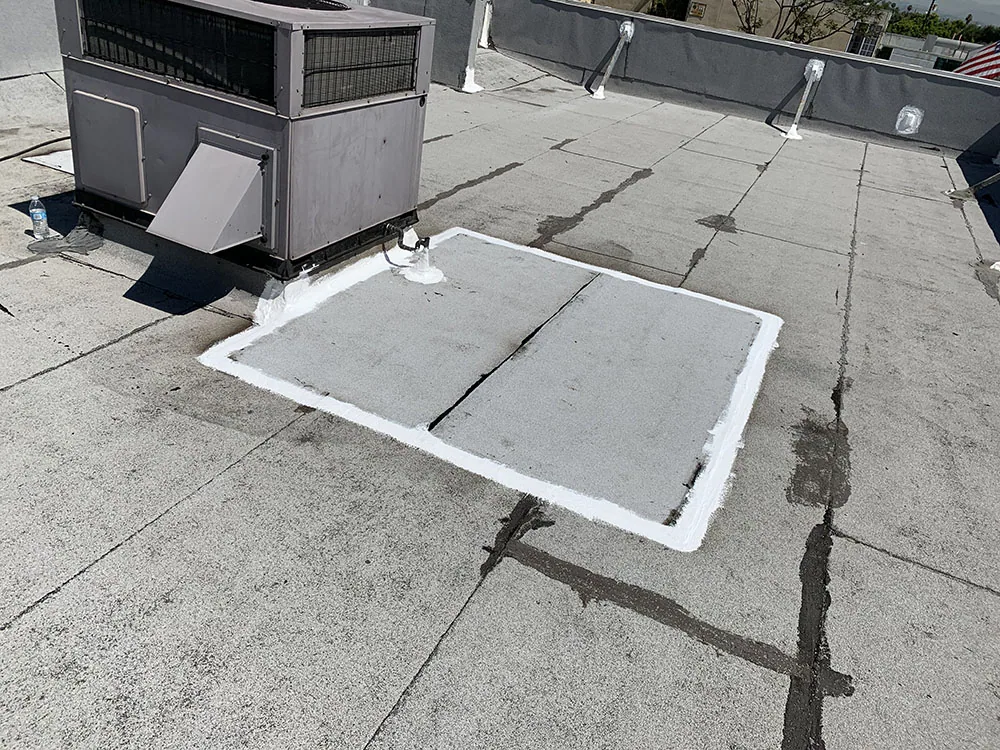
More Roof Damage Repair in Westminster
See the rest of our roof damage repair for Westminster commercial buildings, or call 555-555-5555 to talk through your roof.
Commercial Wind Damage Roof Repair
Talk to Commercial Roofing Westminster
Call 555-555-5555 or send a request and we will schedule a visit to look at the roof, explain what we find and lay out your options.