Commercial Metal Roof Retrofit in Westminster, CO
Assess Westminster exposed-fastener metal roofs for leaks, corrosion, and attachment. Compare panel repair, retrofit framing, and compatible coating options.
Commercial Metal Roof Retrofit
After a wind-driven rain, check exposed fasteners and panel laps before assuming an old metal roof needs to be removed. A loose washer, rusted opening, or failed side lap can admit water, while a stained panel may have no opening at all. Westminster's hail, wind, snow, and heat make the roof worth reviewing across seasons. We inspect panels, attachments, purlins where accessible, flashings, and drainage before comparing retrofit options.
Find the leak path at fasteners
Exposed-fastener panels rely on screws and washers at each attachment. We look for backed-out screws, missing washers, enlarged holes, rust, cracked sealant, and panel movement. A replacement fastener may not hold in a deteriorated purlin, so we inspect the substrate where accessible and flag concealed framing questions. A new washer alone does not fix a stripped or corroded attachment point.
Side laps and end laps can open as panels move or sealant ages. We check the lap direction, fastener line, panel overlap, and water track. Roof stains below may follow a long path before reaching a seam or fastener. The report maps the observed entry candidates rather than assuming the nearest screw is responsible.
Commercial buildings along Westminster's U.S. 36 corridor may include office and industrial uses. Near Westmoor Technology Park, equipment, service lines, and roof penetrations can intersect panel laps. We record each opening by roof area and distinguish field-panel repairs from curb and flashing work.
Fastener replacement requires a screw size and thread suited to the supporting member. If a trial shows that the hole no longer grips, the detail may need a larger approved fastener, a repair plate, or panel replacement. We document the repair pattern so the owner can see whether the issue is limited to one run or appears across several roof zones.
Separate corrosion from coating wear
Metal can corrode where the finish is damaged, water sits, dissimilar materials meet, or debris holds moisture against a panel. We inspect cut edges, fastener heads, valleys, gutters, and low areas for rust and coating loss. The depth and location matter: surface oxidation differs from a section that has thinned or perforated.
Local hail reports from late spring 2024 give a reason to walk the panels and flashings, but they do not establish a strike on this roof. Dents, coating chips, punctures, and loose fasteners are recorded separately. Snowfall varies across the Denver metro; we also check for water retention at eaves and transitions where snowmelt can reach a lap or fastener line.
At a retail property near the 120th Avenue corridor, access below the eaves may affect where a lift or repair zone can be set. We coordinate the work boundary with the property contact and protect entrances and loading areas beneath active work.
Compare repair, coating, and new framing
Localized work can replace a failed fastener, rebuild a panel lap, repair flashing, or replace a damaged sheet. We identify the attachment and substrate before selecting hardware. Broad corrosion, repeated leaks, or damaged framing may call for more than a fastener campaign. The scope shows which panels and areas are included and what remains untested.
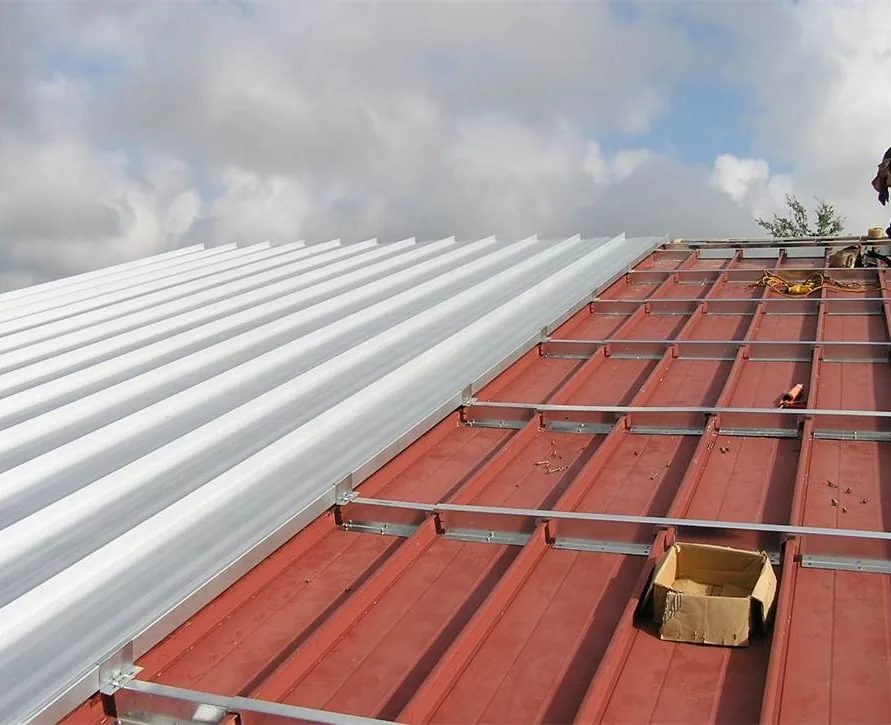
A retrofit system may add framing and a new roof over the existing panels. That approach depends on structural capacity, existing conditions, attachment, drainage, roof height, and project design. We do not infer the frame's capacity from a walk. The owner and design team confirm loads; we inspect the roofing interface and compare the new assembly with a standing-seam system.
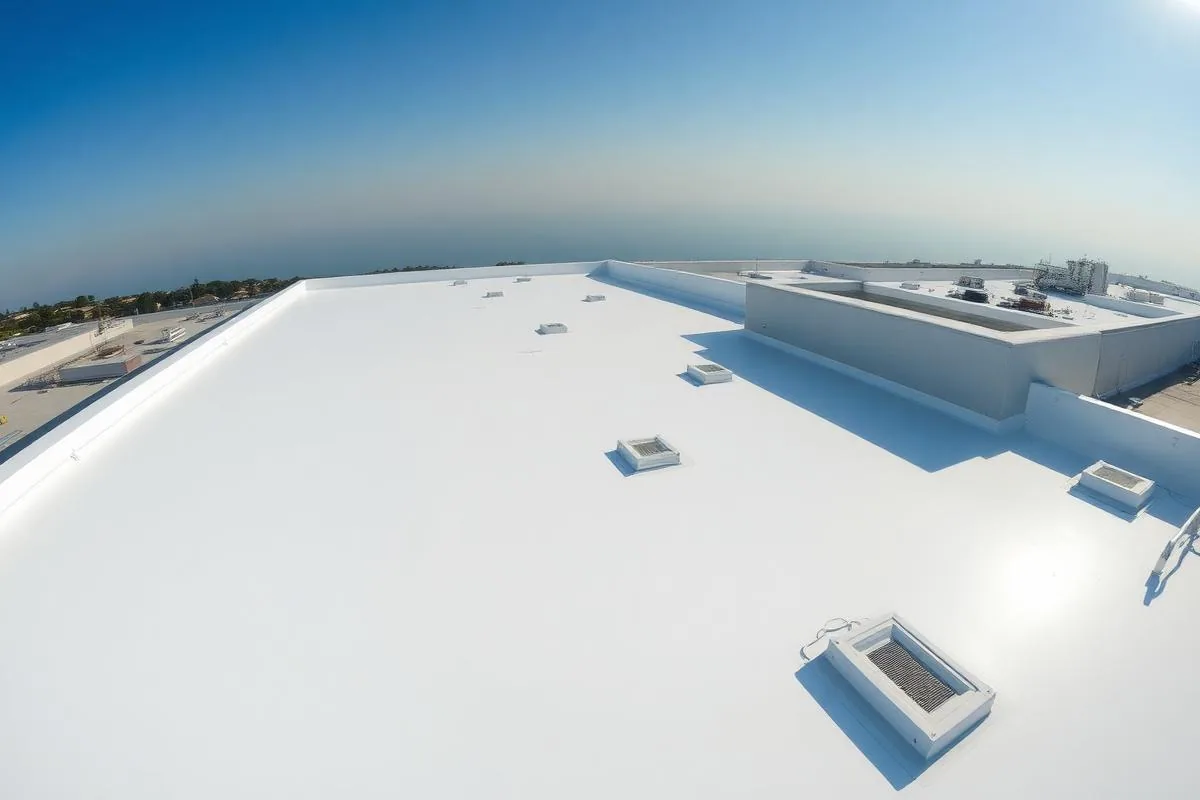
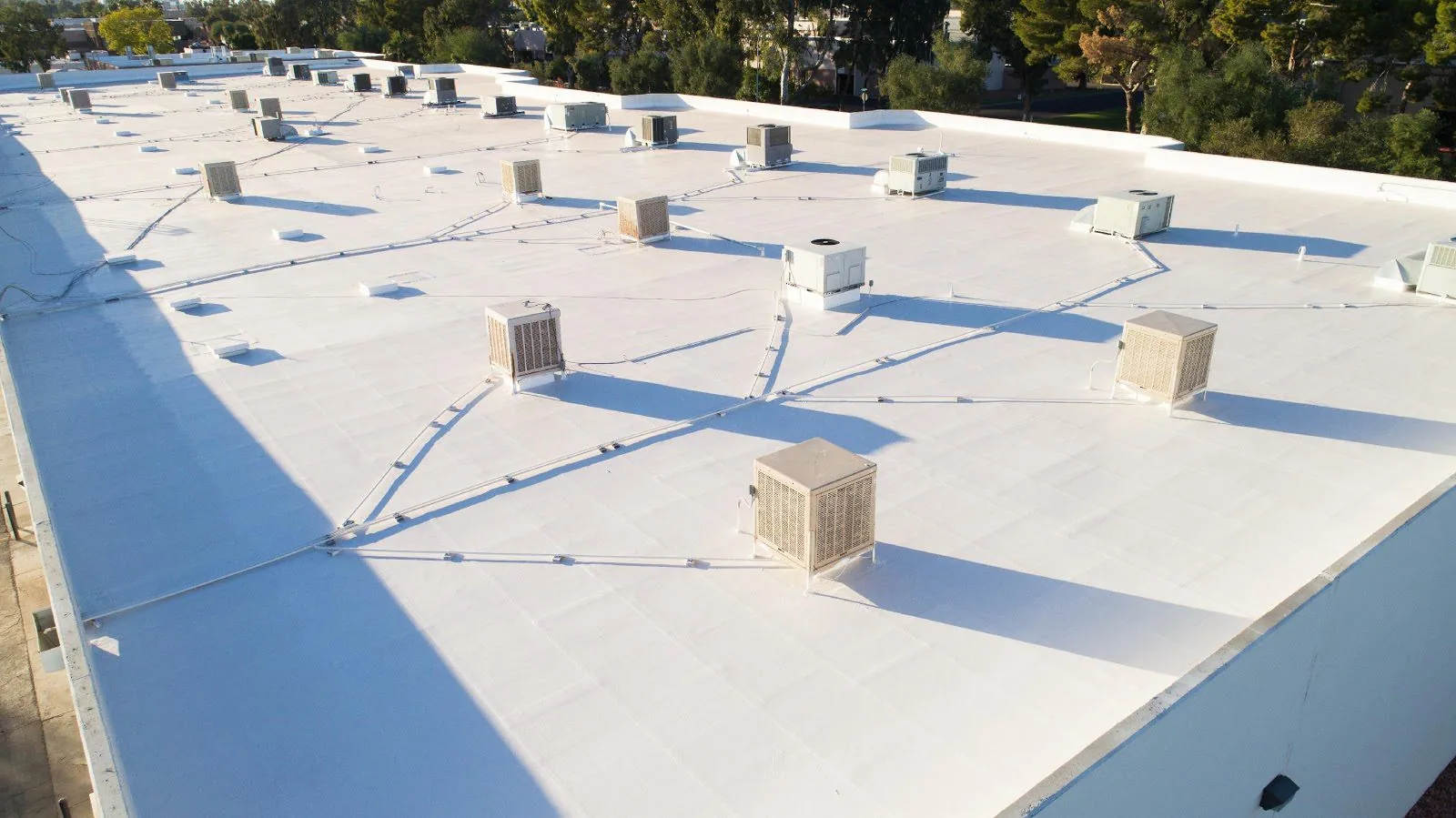
Coating can be considered only when the metal is sound, surface preparation is adequate, and seams and fasteners are corrected first. A silicone coating or other system needs product compatibility and adhesion review. Coating does not restore a panel that has rusted through or an attachment that has lost its substrate. If a transition reaches a low-slope membrane area, include the TPO roof assembly in the edge detail review.
Trace roof water around transitions
Metal panels shed water to eaves, valleys, gutters, and internal drains. We inspect closures, ridge caps, valleys, wall flashing, curbs, and transitions to low-slope roofs. Water can back up at debris or a poorly aligned outlet and travel under a panel lap. The inspection records the path, discharge point, and any separate plumbing issue beyond the roof.
Gutters and snow-retention devices need secure attachments compatible with the panel. A shifted bracket can damage a rib or open a fastener hole. A edge and gutter review can document the eave and discharge conditions. Where roof drains connect to a lower membrane area, an additional drain assessment may trace that path.
At a multi-roof facility, mark each metal plane separately. A small panel area over an addition may drain toward a different wall or gutter than the main roof. The repair plan should show those slopes and transitions, not only the building outline.
Check the panel and attachment
Share the Westminster address, roof plan, panel profile, leak or corrosion areas, prior screw or coating work, and access contact. We will inspect the metal and transitions, then compare repair or retrofit scope with the conditions found.
Keep attachment records current
Maintenance checks fasteners, washers, seams, coating, corrosion, gutters, and flashing. We note the panel run and the number or location of changed attachments. Keep a history of screw replacements and coating work so repeat movement can be distinguished from isolated deterioration.
Service traffic can loosen a panel connection or damage the finish. Define walk routes and protect fragile areas around equipment. A roof maintenance visit can record roof access, recurring leak reports, and any seam or fastener that needs a scheduled return.
If water appears indoors, note when it began, wind direction if known, and whether rain or snowmelt preceded it. That context helps choose the roof area to inspect. We still verify the actual panel, lap, or flashing before describing the source.
Leave the retrofit decision documented
The inspection record identifies panel type where known, fastener condition, corrosion, seams, flashing, framing questions, water path, and repair boundary. Photos show each affected area. If purlins, insulation, or deck cannot be seen, the report says what remains concealed and what test or design review would answer it.
Westmoor Technology Park's office/flex campus and the retail area around 120th Avenue represent different property contexts. A roof near Westmoor and a property along 120th Avenue need separate maps and attachment records. If an owner is comparing retrofit with a new metal system, keep the design assumptions and access limits with the building file.
Send the building address, roof plan, panel information, leak history, fastener repairs, and access contact. We will inspect the existing metal roof, identify structural or substrate questions for the design team, and outline repair or retrofit work from confirmed conditions.
Commercial Roofing Questions
Can you stop a metal roof leak by replacing the screws?
Sometimes, if the substrate still holds the fastener and the leak comes from a failed washer or attachment. We inspect the hole, purlin condition, side lap, and nearby flashing first.
Can a metal roof be coated instead of replaced?
Coating may be considered when the panels are sound, corrosion is limited, and preparation and adhesion are suitable. Open laps and failed fasteners need repair before coating.
Does a retrofit add weight to the building?
A retrofit changes the roof assembly and load path. The structural design team verifies capacity, and we provide observations about the existing roof and proposed roofing interface.
How do you handle rusted-through panels?
We mark the affected sheets and check adjacent attachment and framing. A perforated panel usually needs a repair or replacement detail rather than a coating layer.
What information helps scope a metal roof retrofit?
Provide roof plans, panel profile, past fastener or coating work, leak locations, framing documents if available, access rules, and the project schedule.
Related Roofing Work
Westmoor Technology Park
Read more
West 120th Avenue Corridor
Read more
Commercial Standing Seam Metal Roofing
Read more
Commercial Silicone Roof Coatings
Read more
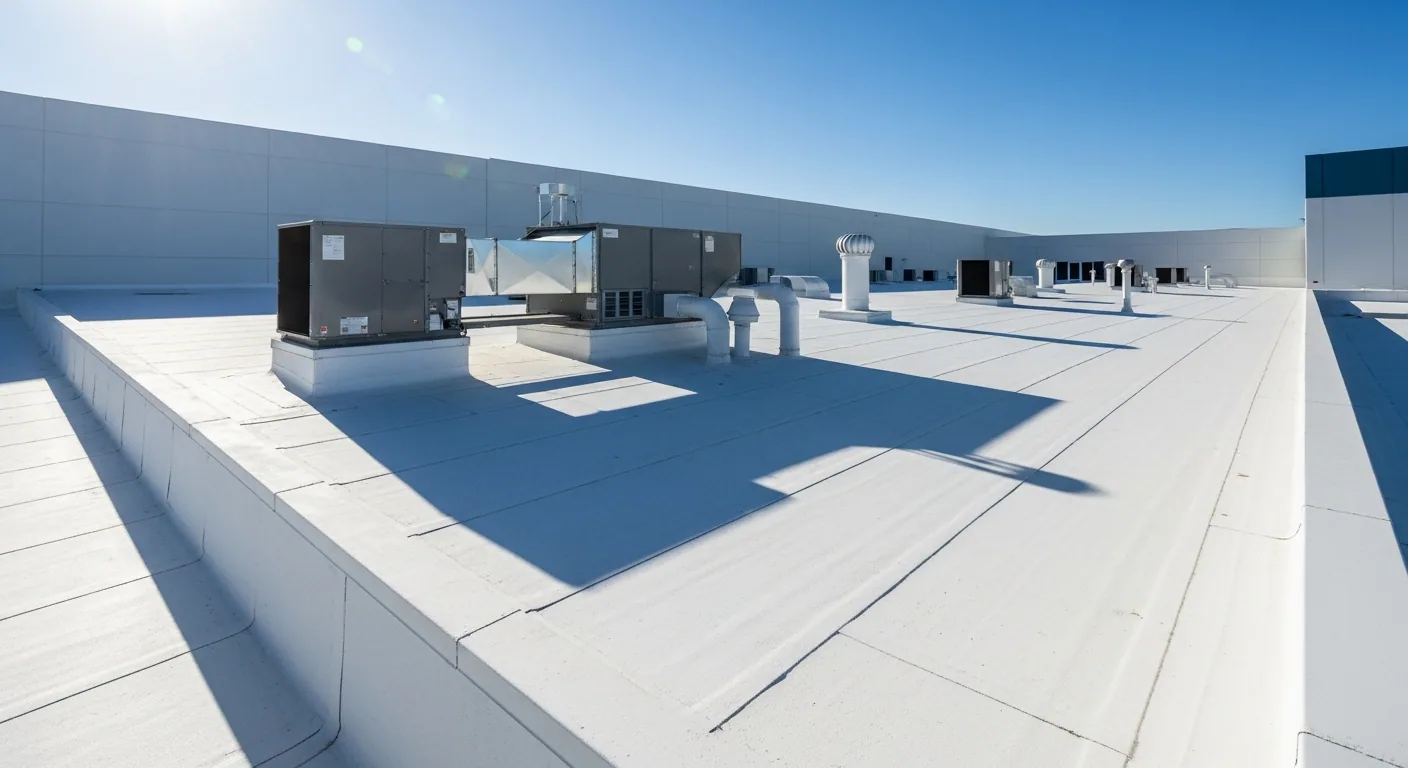
More Roof Systems in Westminster
See the rest of our roof systems for Westminster commercial buildings, or call 555-555-5555 to talk through your roof.
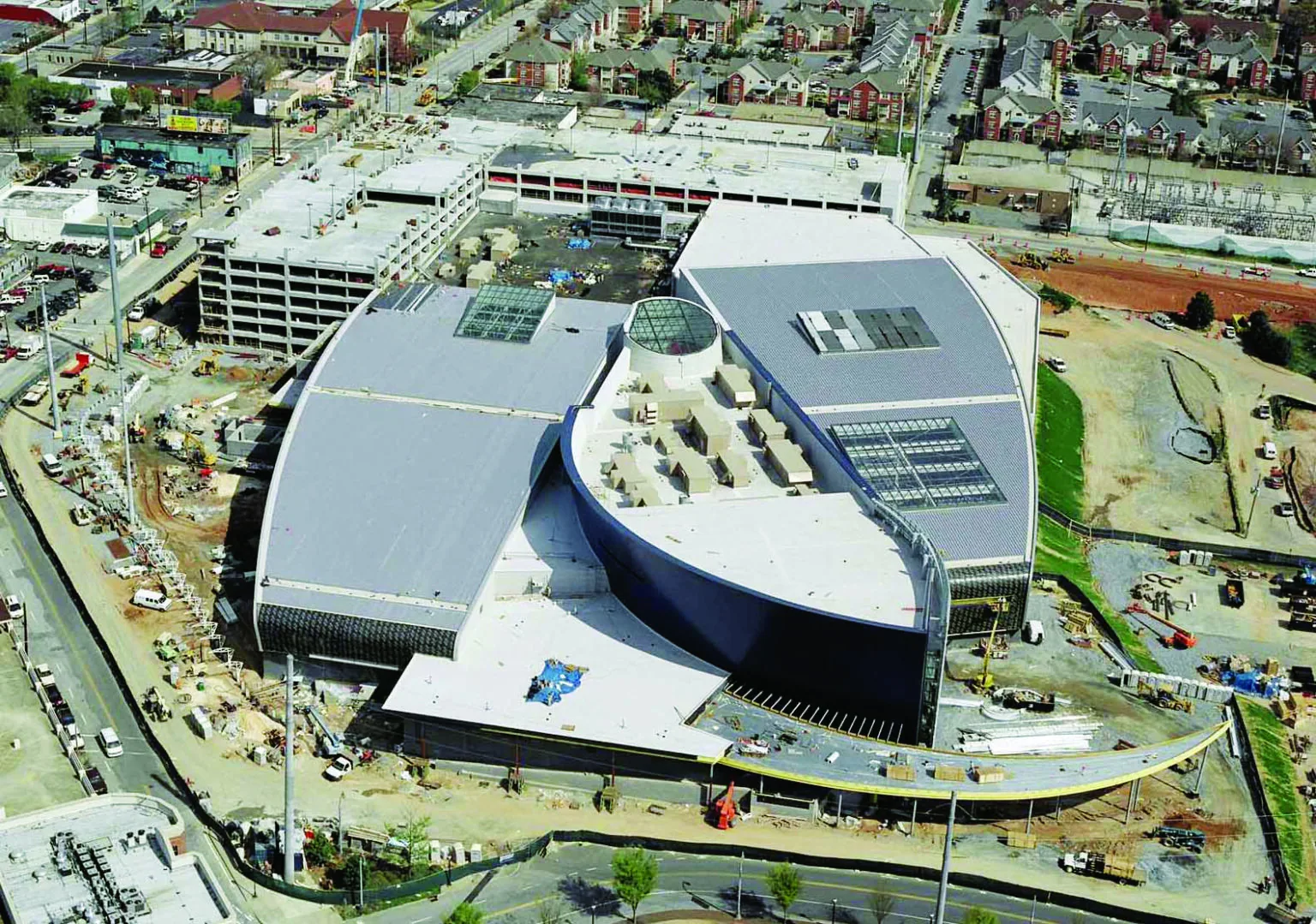
Commercial Metal Roof Retrofit
Talk to Commercial Roofing Westminster
Call 555-555-5555 or send a request and we will schedule a visit to look at the roof, explain what we find and lay out your options.