
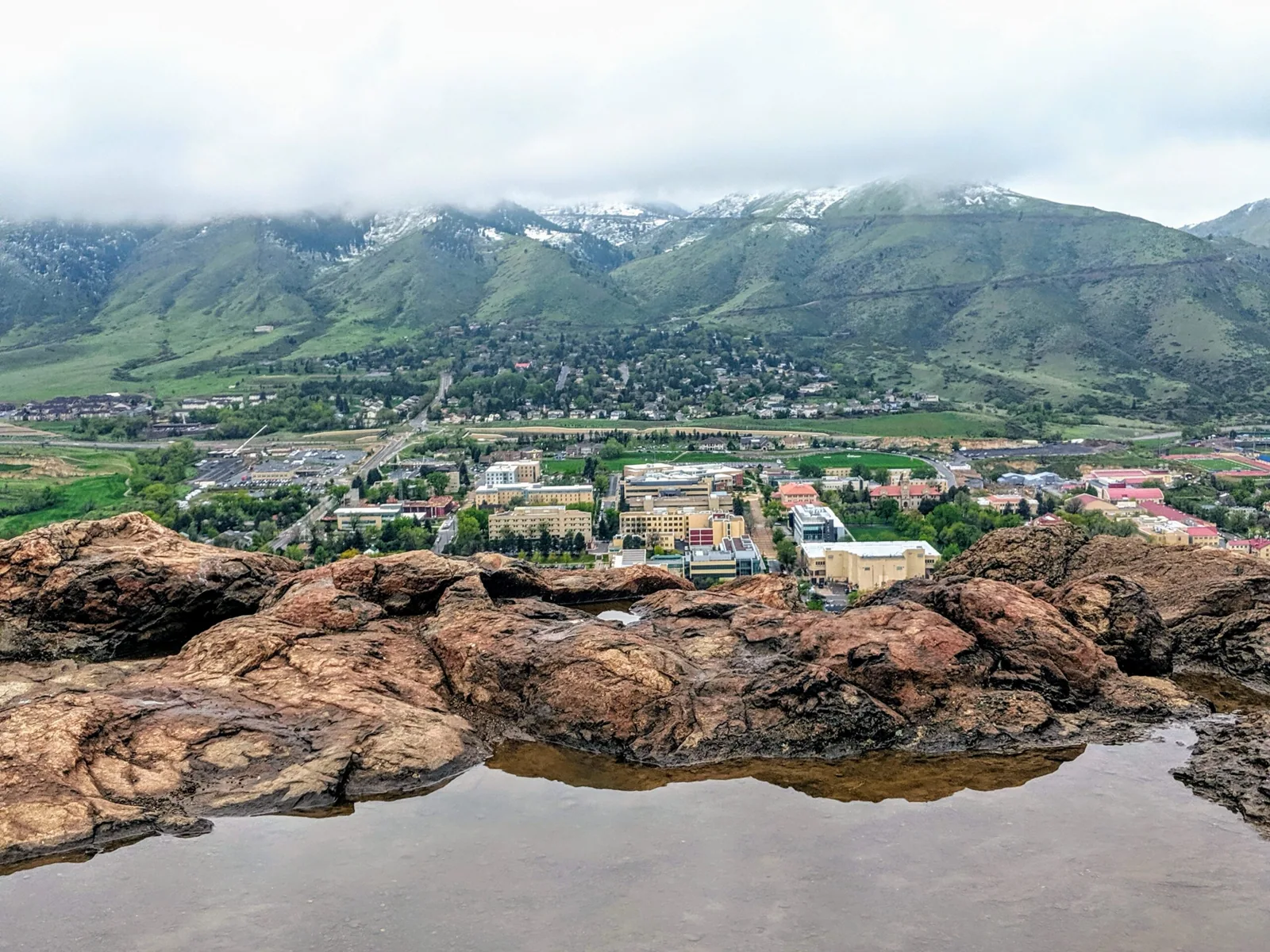
Commercial Roofing in Golden, CO
Commercial roof inspections and repairs in Golden, with clear scopes for business parks, Colfax corridors, and occupied buildings.
Golden
A leak over an active work area needs two answers: where the water entered, and how the repair can happen without disrupting the building below. In Golden, that means identifying the roof section, access route, and operating contact before materials or a lift arrive. The city’s commercial corridors include Colfax East and Colfax West, while South Golden Road connects business activity toward Denver West. Canyon View and Coors Tech are broader employment areas with office and industrial uses. Each property still needs its own roof record, inspection, and work plan.
Plan around Golden’s working districts
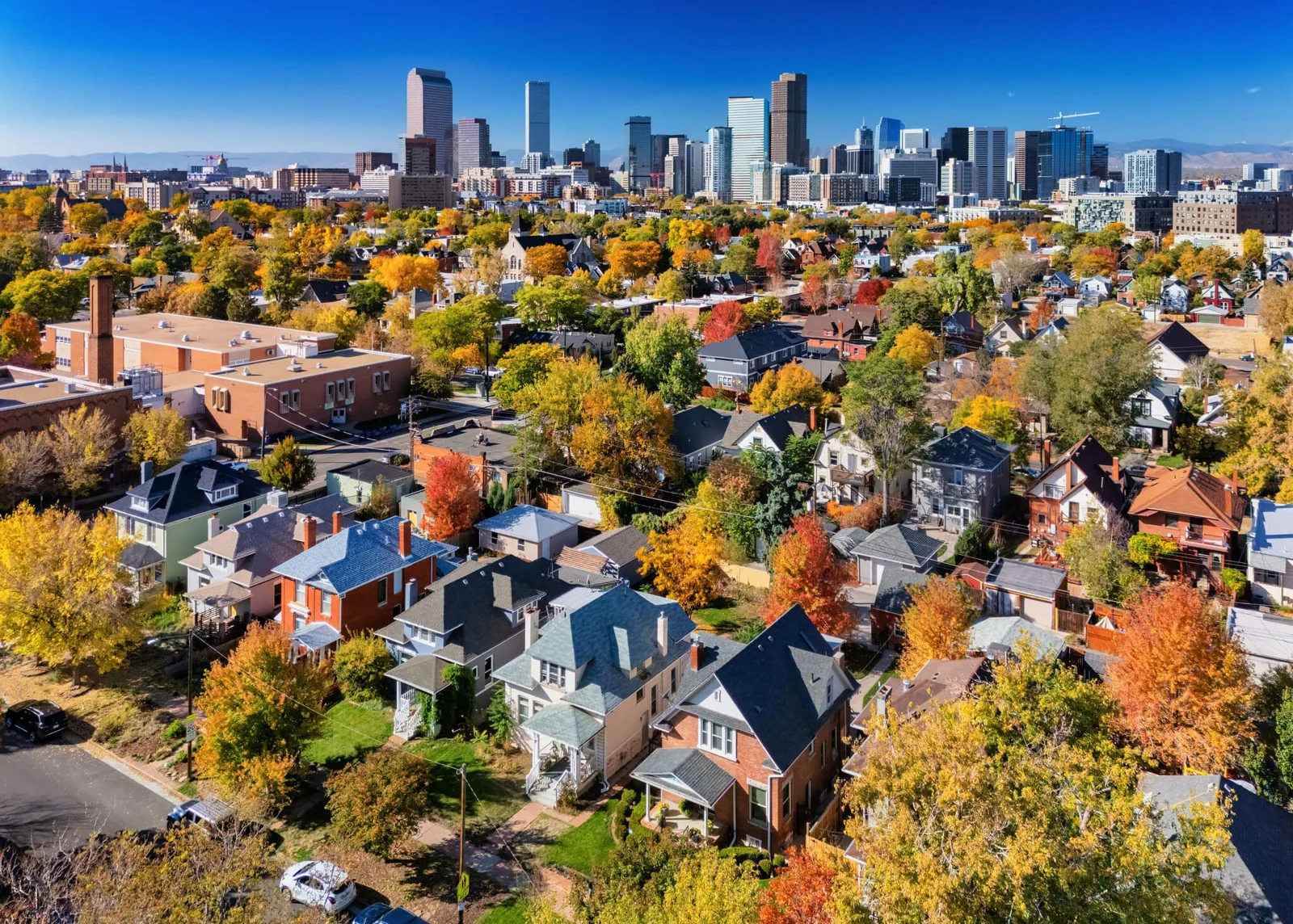
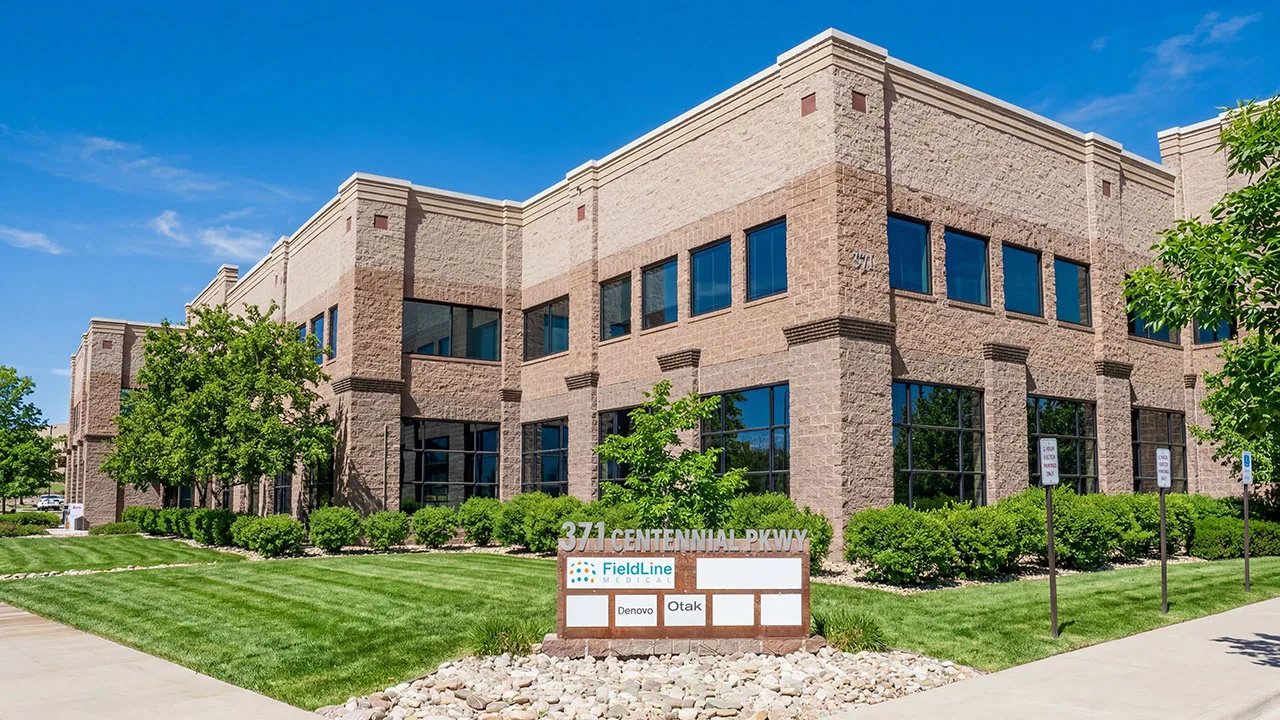
Golden’s commercial properties range from neighborhood businesses to multi-building office and light-industrial settings. The city plan identifies Canyon View Business Park and Coors Tech Business Park among its employment areas. South Golden Road, Jackson Street, Ford Street, and 19th Street are listed as priority Complete Streets corridors. Those names help orient a service call, but they do not establish a building’s roof system, ownership, or access rules. Confirm the property contact and the specific structure before setting an inspection.
For a multi-building site, label each roof separately. Note which entrance can remain open, where a lift may stage, and whether loading activity limits the work window. At a smaller commercial building, check whether an interior tenant or equipment operator must provide access. A Olde Town Arvada service-area overview describes a different municipal context; it does not substitute for Golden’s property-specific survey. For portfolio records, roof asset management can keep photos, repairs, and system details together by building.
Trace the leak before choosing a repair
Start with the report from inside. Ask which room or production area is affected, when the water appeared, and whether it followed rain, snowmelt, or rooftop equipment work. Mark the ceiling location, then inspect the roof above and around it. Water can travel along a deck or insulation layer before it becomes visible, so the ceiling stain alone does not identify the opening.
Check seams, wall transitions, penetration bases, curb corners, edge metal, drains, scuppers, and overflow paths. Photograph the condition with enough surrounding detail to find it again. Record what is confirmed, what remains a possibility, and what testing would change the recommendation. A commercial roof inspection should also document inaccessible areas and any safety or operating limits.
Material selection follows the installed assembly. TPO, PVC, EPDM, KEE, metal, and modified bitumen each require compatible preparation and repair details. Verify the system from drawings or field evidence before specifying a patch, coating, or replacement. If water is active, leak repair service can begin with containment and a trace, keeping temporary protection separate from permanent correction.
Use weather as a reason to inspect
Golden shares the Denver/Boulder region’s exposure to hail, wind, thunderstorms, winter conditions, heat, and cold. Regional weather can justify a roof check after a reported event, but it cannot prove a particular building was damaged. Photograph actual impact, displaced edge metal, open seams, or punctures by roof zone. Compare with prior images where available and note whether the condition is new, older, or uncertain.
Winter inspections need a clear distinction between snow cover and drainage performance. After safe access is available, check whether drains and scuppers are open, whether overflow routes are clear, and whether water remains in low areas. Do not infer ponding from snow alone. Record the roof condition before temporary protection changes it, and identify any follow-up needed once the surface is visible. For a weather-related review, hail damage inspection can separate observed marks from ordinary wear.
Golden’s plan identifies Colfax corridors and South Golden Road as commercial areas, but exposure varies by building height, parapets, equipment, roof geometry, and maintenance history. A site-specific inspection is what connects a weather concern to a defensible repair scope.
Choose a repair that matches the evidence
A small opening at a seam or flashing may support a bounded repair when the surrounding membrane remains sound. Repeated leaks, wet insulation, failed attachment, or deterioration across multiple roof zones can call for a broader project. Before recommending coating or recover, verify the substrate, existing layers, drainage, edge height, and detail condition. Use moisture testing when the result can change the scope.
A repair proposal should define preparation, compatible materials, limits, access assumptions, and closeout photos. A replacement estimate should state whether removal includes one or several existing layers, how insulation transitions at curbs, where perimeter metal changes, and how each workday will be closed dry. Include rooftop penetrations where they affect continuity. Commercial roof replacement needs those decisions visible before mobilization; if the existing assembly may remain, a restoration review must establish that moisture, adhesion, and edges are suitable.
The City of Golden directs businesses to its Planning and Building Department for zoning and commercial, office, and manufacturing development questions. Confirm permit requirements for the actual project with the city before work begins, especially when roof changes affect drainage, structure, or energy provisions. Do not assume that one property’s approval applies to another building in the same park.
Schedule a commercial roof inspection in Golden
Share the property, affected area, leak timing, recent weather, prior repairs, and roof access details so the inspection can start with the right building.
Keep the building and site operating
Before mobilization, confirm the work area, roof entry, staging zone, and public routes with the responsible site contact. For industrial or office sites, include loading, employee access, equipment shutdowns, and any restricted areas. For street-facing businesses, protect entrances and plan lift or material movement so it does not create an avoidable conflict with pedestrians or deliveries.
Set expectations for noise, odors, debris, temporary protection, and daily cleanup. Coatings and adhesives depend on surface and forecast conditions; verify the selected assembly’s installation limits. If weather closes the work window, secure the exposed area with a suitable temporary detail, record what remains, and set the return visit. Coordinate equipment shutdown and restart with the operator responsible for it.
At closeout, confirm drains and overflows are clear, remove packaging, restore agreed access, and compare completed work with the initial photographs. Record the repair boundary, materials, remaining tests, and areas not accessed. A phased occupied-building reroof plan can make sequencing and protection responsibilities clear before a larger project starts.
Leave a useful record for the next visit
Keep roof plans, inspection photographs, system records, maintenance history, and completed work orders with the correct property and roof section. Date each image and include its direction or reference point. Separate observed conditions from assumptions, and identify what was tested, repaired, deferred, or inaccessible. That record helps when a tenant contact or property manager changes.
At a return visit, compare the reported leak with the prior repair boundary. Confirm whether water returned, whether temporary protection remains, and whether drainage paths work as expected. Add new conditions to the proper roof map rather than attaching them to a district or business-park label. For other municipal service areas, see commercial roofing in Broomfield; each building still receives an independent assessment.
When requesting service in Golden, share the property name, affected room or operation, leak timing, recent weather, prior repairs, and roof access details. We can verify the assembly, document the condition, and outline an appropriate repair or capital path. The evidence at the building should guide the decision.
Commercial Roofing Questions
Does a business-park location identify the roof system?
No. A park name helps orient the call, but drawings, records, and field inspection must establish the roof assembly and the building involved.
Can regional hail reports confirm damage at my property?
They can be a reason to inspect. We document visible conditions at the roof and distinguish observed impact from prior wear or unrelated defects.
What should be checked after snow melts?
Once safe access is available, inspect drains, scuppers, overflow paths, low areas, and any reported interior moisture. Snow cover alone does not establish ponding.
Do roof permits follow the same rules for every building?
Project requirements depend on the work and property. Confirm applicable permit provisions with Golden’s Planning and Building Department before mobilization.
What details help schedule an inspection?
Provide the property and building, affected room, leak timing, roof system records, prior repairs, site contact, and any access or operating limits.
Related Roofing Work
Olde Town Arvada, Arvada
Read more
Commercial Roof Asset Management
Read more
Commercial Roof Inspection
Read more
Commercial Roof Leak Repair
Read more
More Service Areas in Westminster
See the rest of our service areas for Westminster commercial buildings, or call 555-555-5555 to talk through your roof.
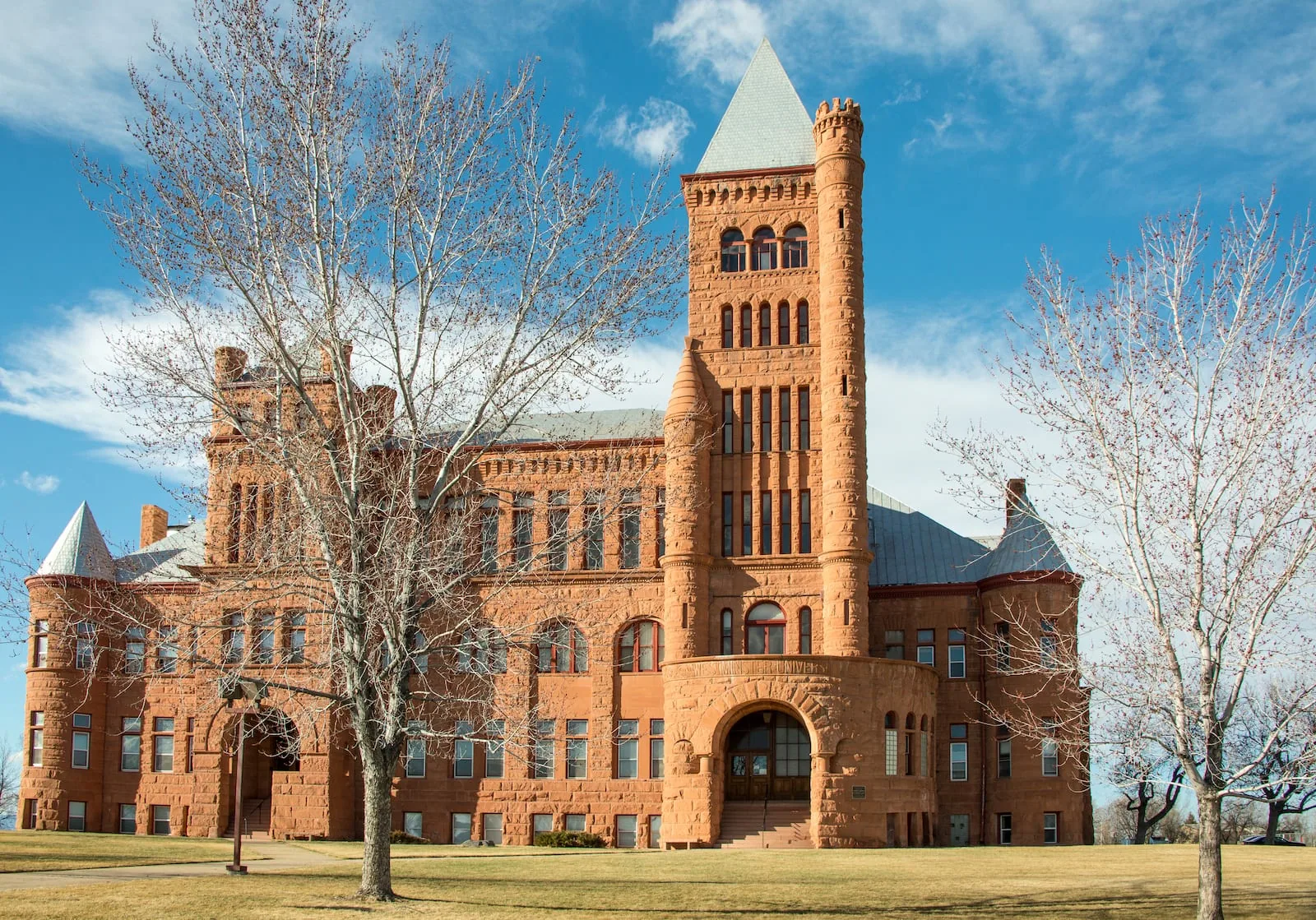
Golden
Talk to Commercial Roofing Westminster
Call 555-555-5555 or send a request and we will schedule a visit to look at the roof, explain what we find and lay out your options.