
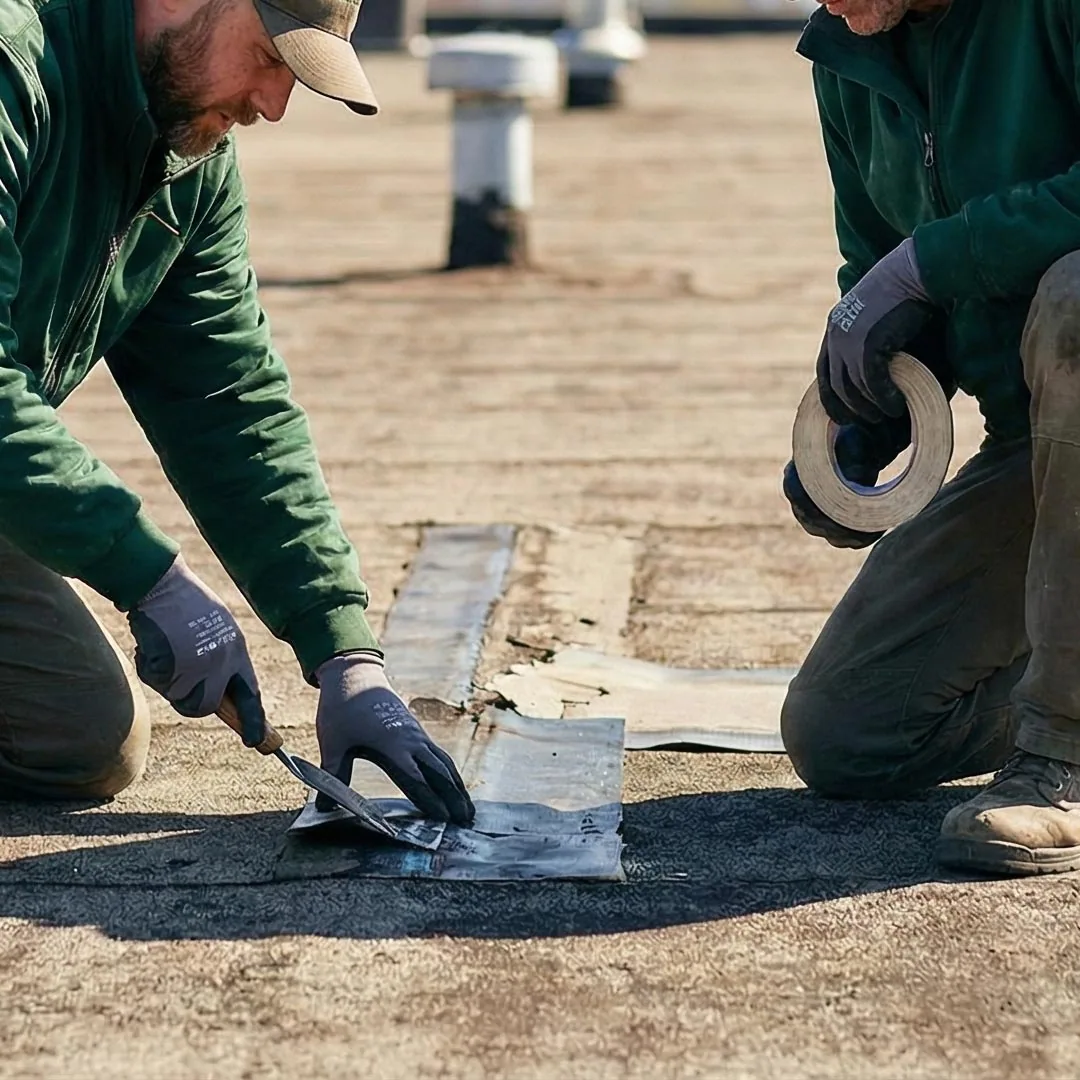
Occupied Commercial Building Reroofing in Westminster, CO
Plan a Westminster reroof around tenants, deliveries, and building operations. Sequence roof areas, protect access, and document daily closeout conditions.
Occupied Commercial Building Reroofing
Before opening the first roof area, map the work against the building's daily schedule. A reroof above an operating property has to account for entries, loading, patient or tenant activity, equipment, and weather. Westminster sees hail, snow, wind, and heat across the year, so the sequence needs a safe way to close each area. We walk the roof and site, then build the phases around actual access and roof conditions.
Break the roof into workable zones
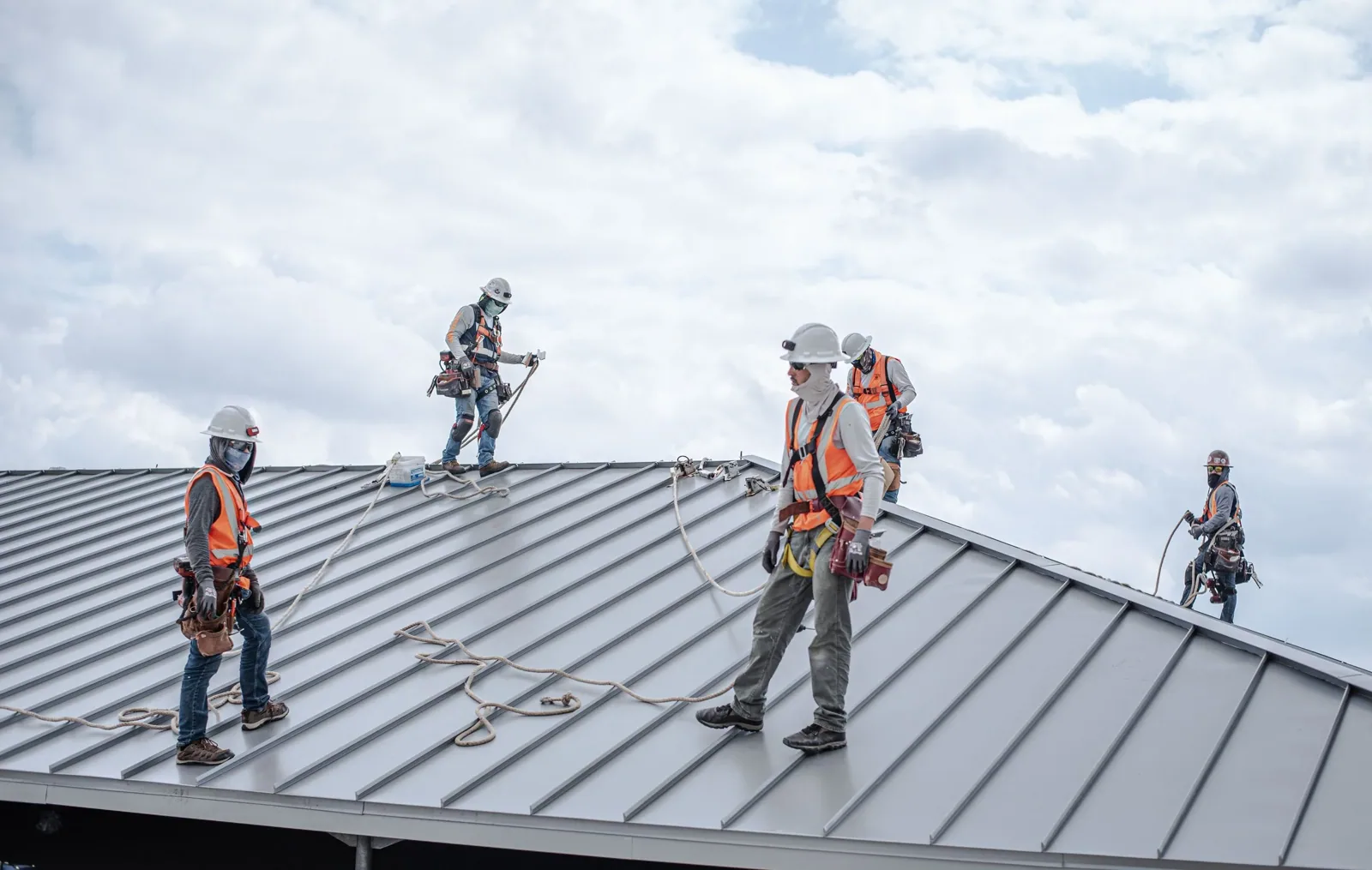
We mark roof sections, drains, equipment, skylights, and perimeter transitions before setting a daily work boundary. Each phase identifies the area opened, material staged, debris route, and membrane closure point. A small zone may be practical around sensitive tenants; a larger section may reduce repeated tie-ins when access and weather allow. The building plan and roof geometry set the sequence.
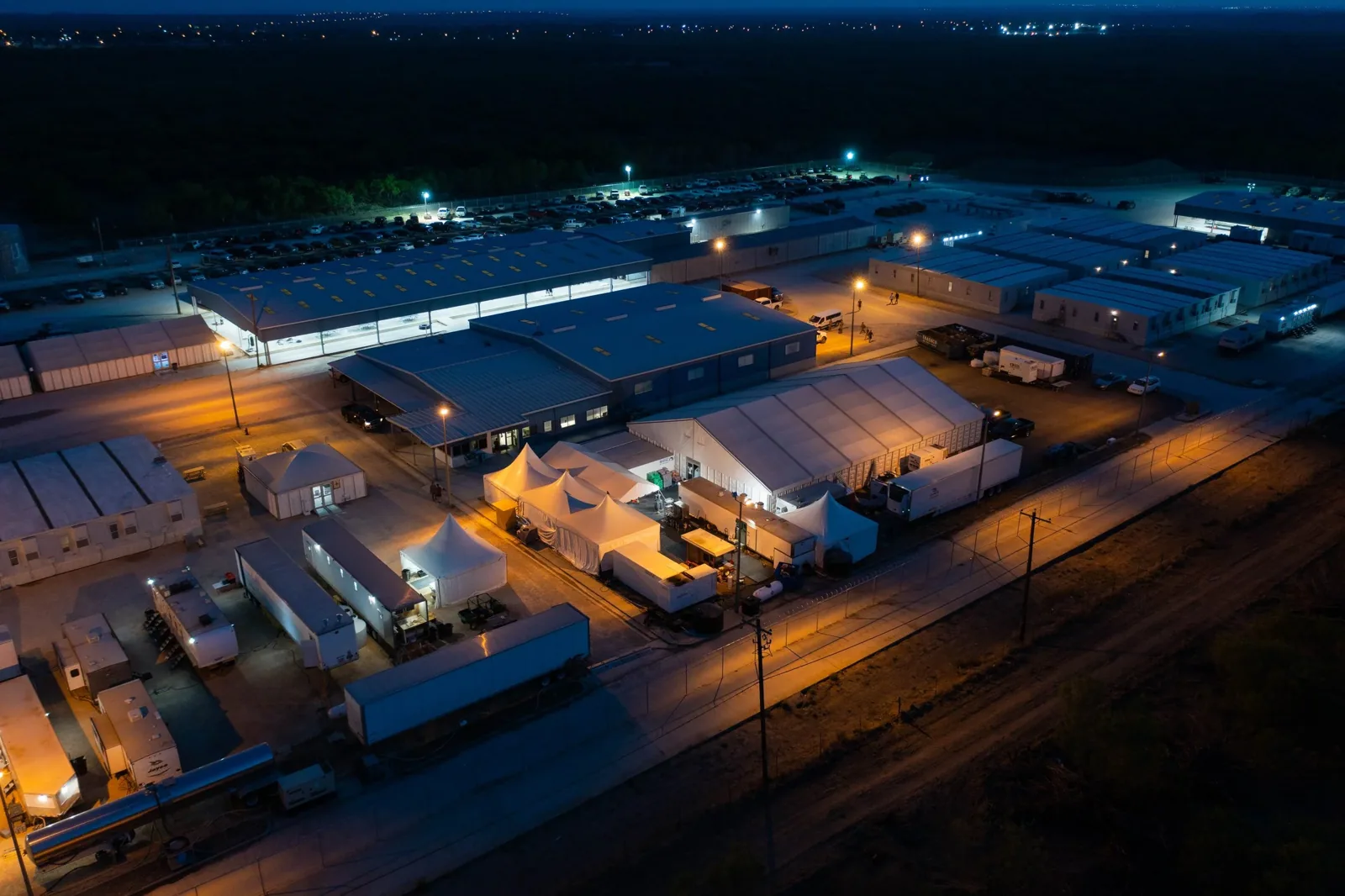
At a facility near the Westmoor Technology Park, office and industrial activity may continue during work. We coordinate roof access with deliveries, service calls, and any loading restrictions. Along the 120th Avenue corridor, retail entrances and customer paths also need a ground-level protection plan.
Phasing does not mean leaving open areas exposed at shift end. The crew defines the daily stopping point, temporary dry-in, and inspection before leaving. If concealed deck damage or wet insulation changes the boundary, work pauses there until the owner reviews the condition and scope. The daily plan also notes which drains and emergency exits must remain clear while materials move between roof zones.
Keep people and operations moving
The superintendent needs one contact for roof access, tenant notices, emergency egress, and site rules. We confirm where materials can be lifted and staged, which entries remain open, and whether work below needs a spotter or temporary barrier. The manager identifies sensitive rooms and operating hours before the first mobilization.
Noise, vibration, odor, and dust depend on the selected roof system and removal method. We explain what each phase involves and coordinate the most disruptive tasks with the site. Mechanical units may need to remain online. If a shutdown is required, that request is scheduled with the building team rather than assumed by the roofing crew.
For health, technology, or hospitality properties, equipment and occupant schedules can differ by area. We identify access routes and keep roofing debris controlled. The commercial reroof scope defines the assembly, removal limits, and transitions before tenant sequencing is set.
Close the roof before conditions change
Changing weather can alter the safe work window. The sequence follows the local forecast and the actual roof surface. We do not leave insulation or deck exposed when precipitation threatens. Each day ends with a dry-in check at seams, edges, drains, and temporary tie-ins.
A local storm can change the work sequence, but damage decisions come from the actual roof inspection. During removal, we inspect each revealed layer and photograph any impact or water condition. If the roof remains open during a weather interruption, the superintendent documents the protection and confirms the interior contact knows what area is being monitored.
Winter work requires attention to ice, safe access, material handling, and adhesion conditions. Summer heat affects work hours and material staging. The schedule can shift to protect the crew and the assembly. A roof inspection before mobilization records visible conditions and helps set priorities for the first phase.
Control deliveries and debris
Materials arrive in the order the work consumes them. We set a staging area, crane or hoist path, roof route, and debris location with the property contact. Loading limits and underground or landscaped areas may restrict where equipment can set up. The site plan records these constraints so delivery changes do not create an unsafe path.
Removed roof material is contained and cleared from occupied routes. The crew protects storefronts, doors, vehicles, and landscaping beneath active work. A rooftop hoist area is marked below and kept clear during lifts. If the building has scheduled deliveries or guest traffic, the manager identifies the windows that can accommodate the operation. Temporary barriers and signs should remain in place until the lift and debris path are clear, even if the roof crew is working on a different zone.
For multiple structures in a portfolio, each roof receives a separate phase plan. A shared calendar may coordinate tenants, but it does not make roof assemblies identical. We record which building is active, what area is complete, and what access remains restricted.
Build the phase plan around your property
Share the Westminster roof plan, tenant and delivery schedules, access rules, operating equipment, and known leak areas. We will walk the site, define work zones and protection, and coordinate a reroof sequence with daily closeout points.
Inspect each layer before it disappears
Removal reveals conditions that a surface walk cannot confirm. The crew checks deck, insulation, attachment, and transitions as each zone opens. Any concealed damage is photographed and brought to the owner before added work proceeds. Approved repairs are recorded by location, not folded into a vague daily note.
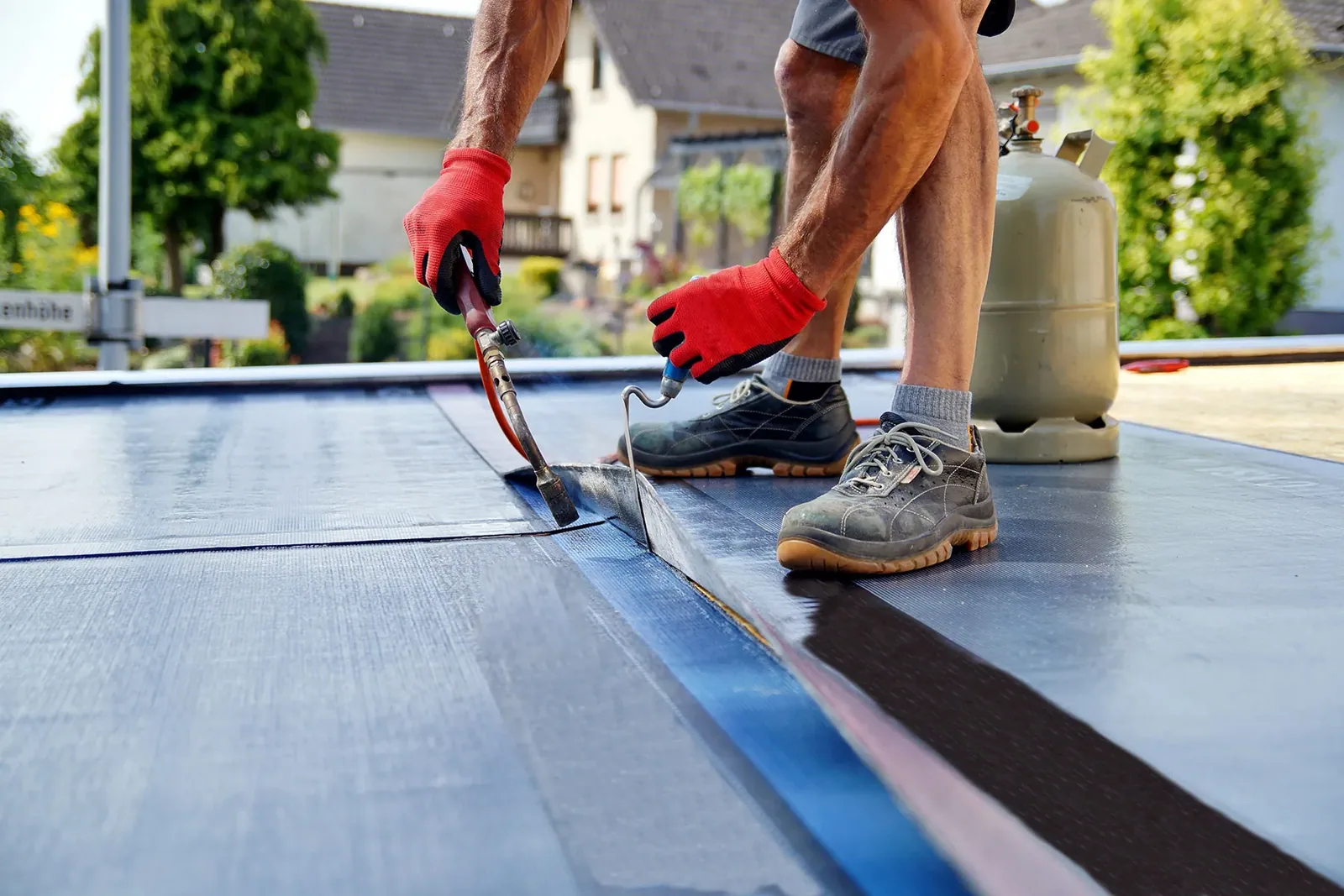
Before the membrane covers insulation or cover board, we check layout, attachment, and tapered drainage against the plan. At drains and curbs, the foreman verifies that new layers meet the detail. If the roof system is TPO, EPDM, modified bitumen, or another membrane, the seam and flashing method follows that assembly. A drainage check confirms outlets and overflows stay clear as the new layers go in.
At the end of a phase, we review visible seams, perimeter tie-ins, penetrations, and temporary closures. A photo report gives the manager evidence of completed areas and any open item. It also records the weather and access condition that shaped the day's work. After turnover, a maintenance inspection can catch debris, damage, or changes at the newly completed transitions.
Return each phase to service
At the close of a work area, the crew clears tools and debris, checks the access route, and identifies any roof zone still under construction. The superintendent updates the phase map and confirms whether tenant notices or temporary barriers can be removed. Remaining work is stated by location and expected access need.
A building with operations in Westminster's North I-25 or U.S. 36 business areas may have multiple tenant entrances and service schedules. The manager receives a daily update with completed zones, next day's work, and any weather adjustment. That keeps the site team working from the same boundary as the roof crew.
Send the roof plan, tenant hours, delivery calendar, equipment restrictions, and access contact before planning. Include known leaks and any critical rooms below. We will map the phases, protection, inspection points, and daily dry-in so the building can keep operating while the roof work advances.
Commercial Roofing Questions
Can tenants stay in the building during a reroof?
Many occupied projects can be phased while operations continue. We map entrances, sensitive areas, noise windows, deliveries, and roof access with the manager before setting the sequence.
Will you leave part of the roof open overnight?
Each shift has a defined stopping line and closure check. We secure the opened area with the specified temporary or permanent tie-in before the crew leaves.
How do you handle a newly discovered deck problem?
We stop at the affected zone, photograph the condition, and identify its location and scope effect. Added work proceeds after the owner reviews and authorizes the change.
What should the building send before work starts?
Provide roof plans, tenant hours, delivery windows, restricted areas, equipment needs, and an access contact. These details shape lifting, staging, notices, and the work sequence.
Can the schedule change because of weather?
Yes. Precipitation, wind, heat, and ice affect safe access and roof closure. We adjust the work area and protect exposed layers when conditions do not support installation.
Related Roofing Work
Westmoor Technology Park
Read more
West 120th Avenue Corridor
Read more
Commercial Roof Replacement
Read more
Commercial Roof Inspection
Read more
More Commercial Roofing Services in Westminster
See the rest of our commercial roofing services for Westminster commercial buildings, or call 555-555-5555 to talk through your roof.
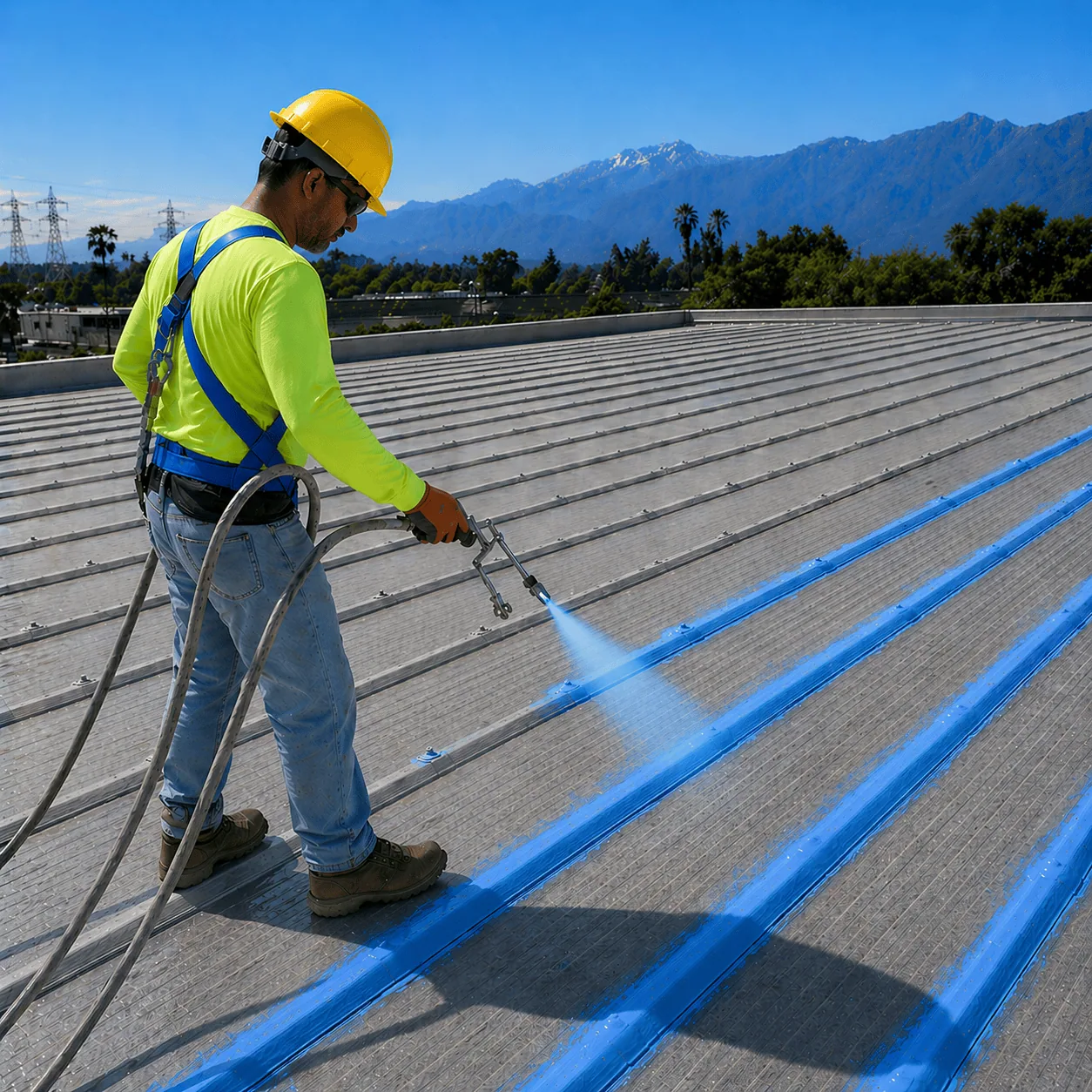
Occupied Commercial Building Reroofing
Talk to Commercial Roofing Westminster
Call 555-555-5555 or send a request and we will schedule a visit to look at the roof, explain what we find and lay out your options.