
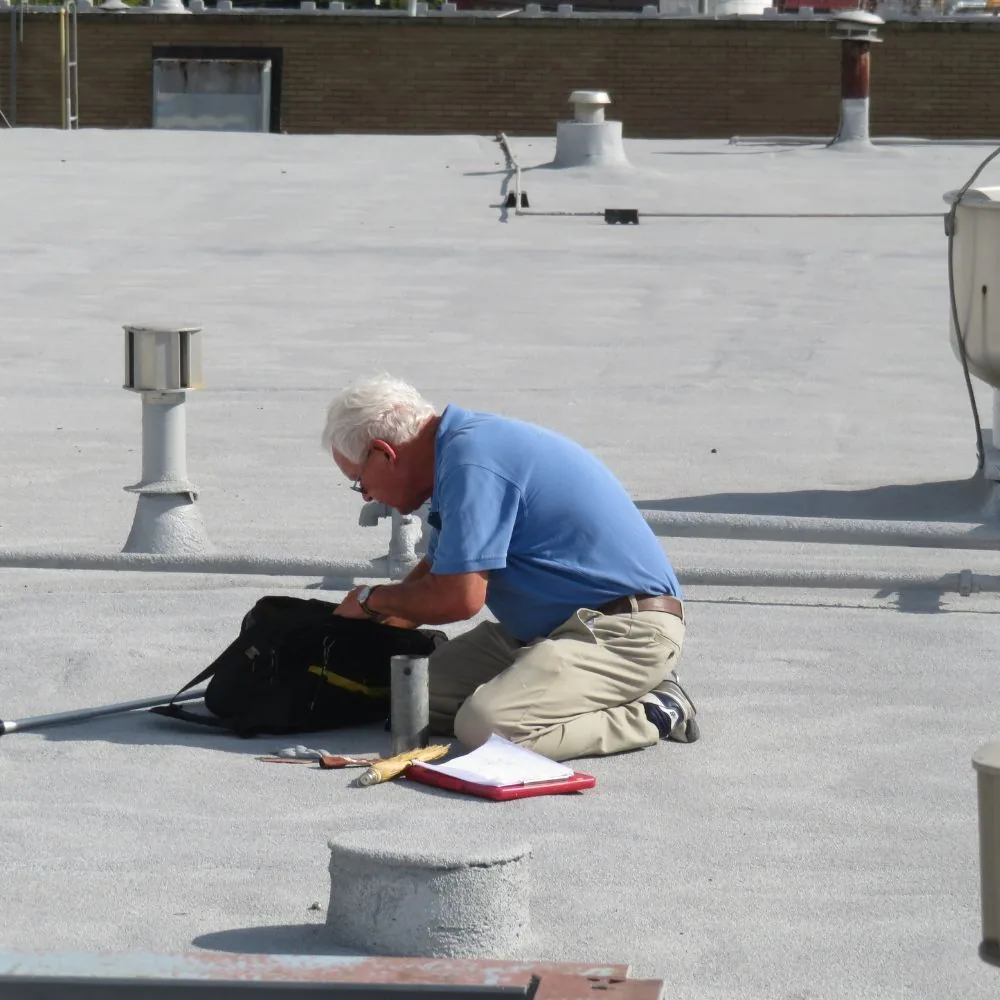
Commercial Roof Asset Management in Westminster, CO
Track roof condition, repairs, access, and planning across Westminster properties with a usable asset record tied to photos and building decisions.
Commercial Roof Asset Management
A leak report at one building can be urgent while another roof needs a planned inspection. A useful roof asset record keeps those conditions distinct. Start with a building list, roof zones, known systems, access details, and dated observations. Westminster properties face heat, hail, wind, snow, and cold, so one condition label cannot describe every exposure or every repair decision.

Give each roof its own record
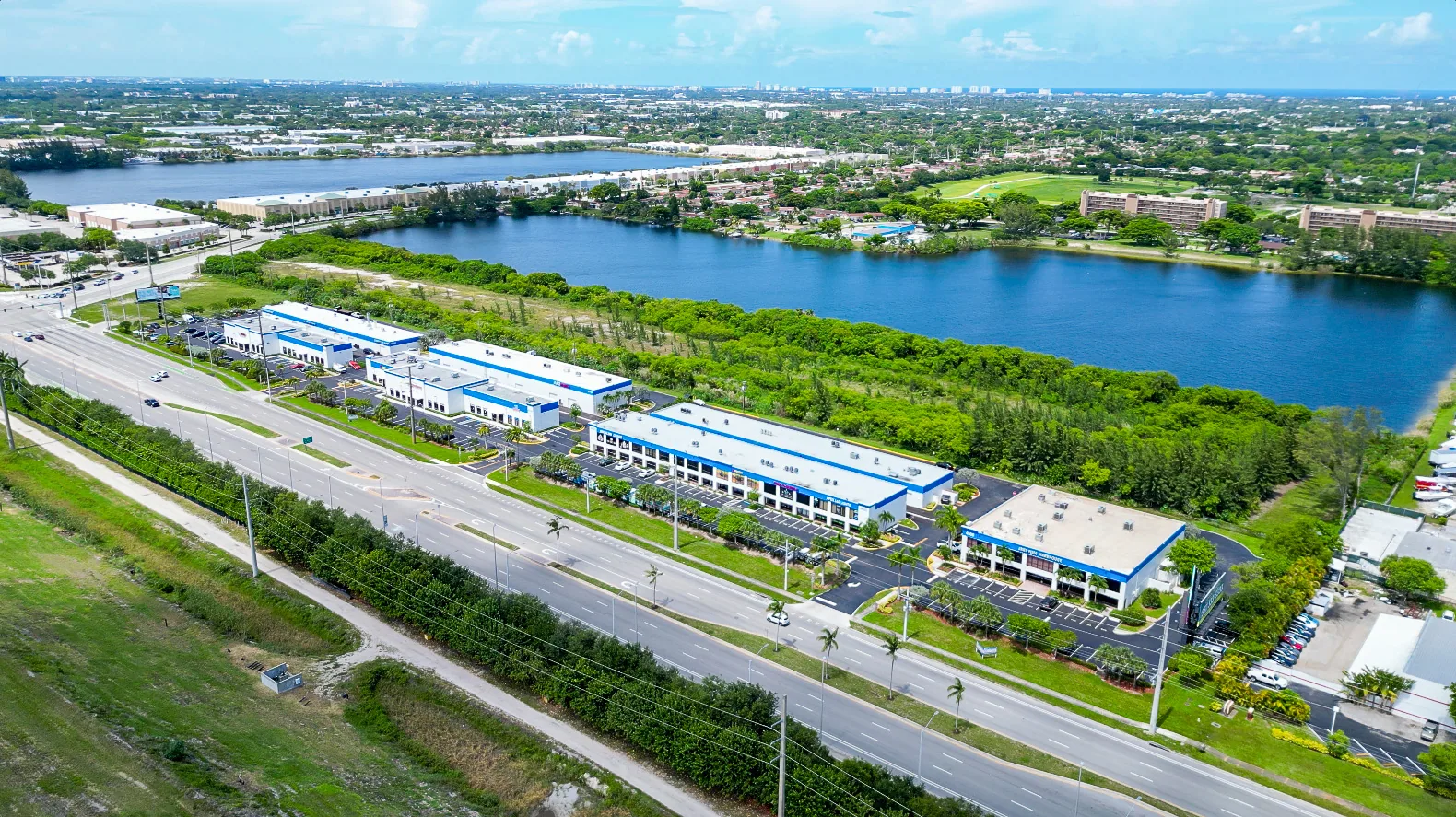
Begin with the property name, address, building identifier, roof area label, and a plan or sketch that shows each zone. Add the known membrane or metal system, installation or replacement documentation when available, drainage type, major penetrations, and safe access route. Keep unknown items marked as unknown. A guess about a roof age or assembly can send maintenance and capital decisions in the wrong direction.
Westmoor Technology Park includes ten multistory office buildings across a large office and flex campus. The scale makes identification useful, but those buildings remain separate assets. Give every building a separate roof record, then connect them through the campus portfolio. Circle Point also has distinct office buildings and planned development. A Circle Point roof inspection should preserve the exact building and roof zone in the record.
Use a stable naming rule, such as building, roof zone, and detail number. Keep plan references aligned with field photos. An east drain should carry the same label on the plan, ticket, and inspection image. If the building manager changes, the next person should be able to find the same outlet without decoding an old narrative.
Record what the roof walk confirms
Condition is more useful when it describes an observation and its limit. Record open seams, damaged flashing, blocked drainage, exposed reinforcement, surface wear, and interior reports by location. Separate what is visible from what requires testing. A photo can show a split lap. It cannot establish how much insulation is wet below it. Use a written roof condition report when the owner needs findings, images, and repair boundaries in one file.
Set a consistent inspection path across each roof zone, then note inaccessible areas. Mark whether water was present, whether a repair is temporary, and whether follow-up is due. Record the date and weather context without treating a regional event as proof of building damage. The Denver-Boulder area sees hail, wind, winter weather, heat, and cold. A roof inspection after a weather concern still needs to document the building itself.
Choose condition terms that lead to action. “Needs repair” is less useful than “north parapet coping lifted at two joints, photo references 14 and 15, temporary securement needed.” Identify whether the condition affects water entry, safe access, drainage, or future monitoring. Keep a follow-up date beside the condition so an unresolved item does not disappear in a later report.
Keep maintenance and repair history connected
Attach each work order to the roof zone it changed. Include the defect, preparation, material, limits of repair, completion photos, and any remaining question. Record temporary dry-in separately from permanent work. If a leak returns, this history shows whether it is at the same seam, an adjacent detail, or another part of the roof. This keeps a prior patch from being mistaken for original membrane.
A maintenance file should capture drain clearing, seasonal observations, access restrictions, and inspection notes. Westminster's snowfall varies across the metro, so a general snowfall figure cannot replace a record of what a particular roof experienced. At the U.S. 36 corridor, office and commercial properties have different roof layouts and use schedules. Keep notes with the building, not just with the property manager or service vendor.
When an owner updates the roof, preserve the prior record and add a dated revision. Identify which area was recovered, coated, replaced, or left in place. Tie warranty paperwork to the affected system and work scope. A warranty tracking record can keep closeout requirements, inspection intervals, and repair approvals with the roof history instead of in a separate inbox.
Rank work by condition and consequence
A portfolio list needs a way to separate an active leak from a surface condition that can be watched. Consider water entry, safety, the extent of wet material, drainage performance, repair history, and how the building is used. State the basis for each priority. Do not assign urgency only because an item looks old or because another building has a similar system.
Westminster supports technology, health and life sciences, financial services, hospitality, and other business activity. A leak over a critical occupied space may need a different response window than wear over a storage area, even when both roofs show comparable surface damage. The record should state the affected function and the access or shutdown limits that shape the work. It should not assume that an employer or campus has a particular roof condition.
Pair the condition rating with a next step and a decision owner. The next step may be a repair, moisture test, maintenance visit, budget estimate, or monitoring check. A capital planning review can use those distinctions to compare near-term repairs with replacement timing. For multi-building ownership, a portfolio roofing program can apply the same fields while keeping every roof's findings separate.
Build a usable roof record
Share your Westminster building list, available plans, repair history, leak reports, and access contacts. We will document the roof areas and identify confirmed work and follow-up needs.
Use local exposure without assuming a failure
The May 2024 hailstorm brought reports of hail near Westminster and roof damage across parts of the north metro. That history makes post-storm documentation relevant. Use the storm date to align property photos and inspection records. Keep the storm date, owner report, and observed impact marks together, then distinguish confirmed marks from areas that were blocked or not inspected.
Downtown Westminster continues to redevelop, while retail and office properties also sit along U.S. 36, North I-25, and 120th Avenue. Portfolio buildings may have different maintenance histories and uses. Add location and access notes for dispatch; keep each building record tied to the roof zones inspected and the conditions documented there.
Snow, heat, hail, and wind can prompt different checks. After snowmelt, compare interior reports with drains and low areas. After hail, map impact evidence by roof zone. After high wind, inspect edges and metal transitions. A hail condition review or wind damage inspection can feed its observations into the same asset record without blending the causes.
Make the next action visible
End each record with an owner, due date, and evidence needed for closeout. List the roof zone, responsible contact, required access, decision needed, and open question. When a repair is complete, attach the closeout photos and revise the condition. When monitoring is selected, state what change would trigger another visit.
Review the register after major work, a leak, a severe weather report, or a change in building use. Confirm that the property list still matches the owner's portfolio and that removed or renamed assets have not been confused with current buildings. Keep original inspection reports, plans, repair records, and warranty documents available to the person preparing the next budget.
For a Westminster portfolio, share the building list, known roof plans, active leak reports, repair records, and access contacts. We can inspect each roof area, identify what is confirmed, and return a record that separates immediate work from planning items. A clear asset history helps an owner decide what to repair now, what to test, and what to carry into a future capital review.
Commercial Roofing Questions
What information belongs in a roof asset record?
Start with each building and roof zone, the known system, plans, access details, photos, inspections, repairs, and open follow-up items.
Can one condition score cover several buildings?
Use a consistent rating method, but keep the observations and next steps tied to each roof. Similar buildings can still have different conditions.
How should we handle a roof system we cannot identify?
Mark it as unknown until records or an inspection confirm the assembly. Do not use an assumed system to select repair materials.
Does a hail report mean our Westminster roof was damaged?
No. A regional report is a reason to inspect, not proof of impact at a specific building. Record visible conditions and any area that was not accessible.
Who should update the portfolio after a repair?
Assign an owner for closeout. Add the repair limits, materials, dated photos, and follow-up requirement to the affected roof record.
Related Roofing Work
Circle Point
Read more
Commercial Roof Condition Reports
Read more
Commercial Roof Inspection
Read more
Commercial Roof Warranty Management
Read more
More Roofing Capabilities in Westminster
See the rest of our roofing capabilities for Westminster commercial buildings, or call 555-555-5555 to talk through your roof.
Commercial Roof Asset Management
Talk to Commercial Roofing Westminster
Call 555-555-5555 or send a request and we will schedule a visit to look at the roof, explain what we find and lay out your options.