Commercial Roofing at Centennial Valley Business Park, Louisville, CO
Plan office roof inspections at Centennial Valley Business Park with building-specific records, tenant access, drainage, and weather timing.
Centennial Valley Business Park, Louisville
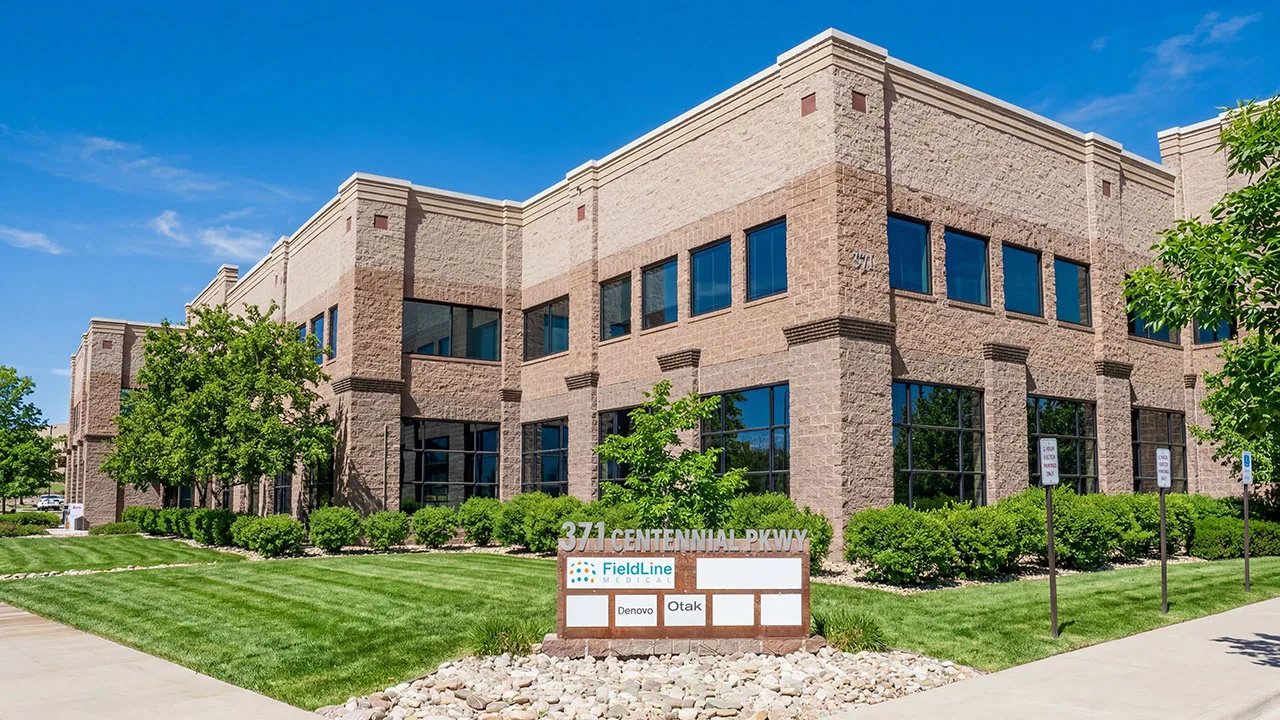
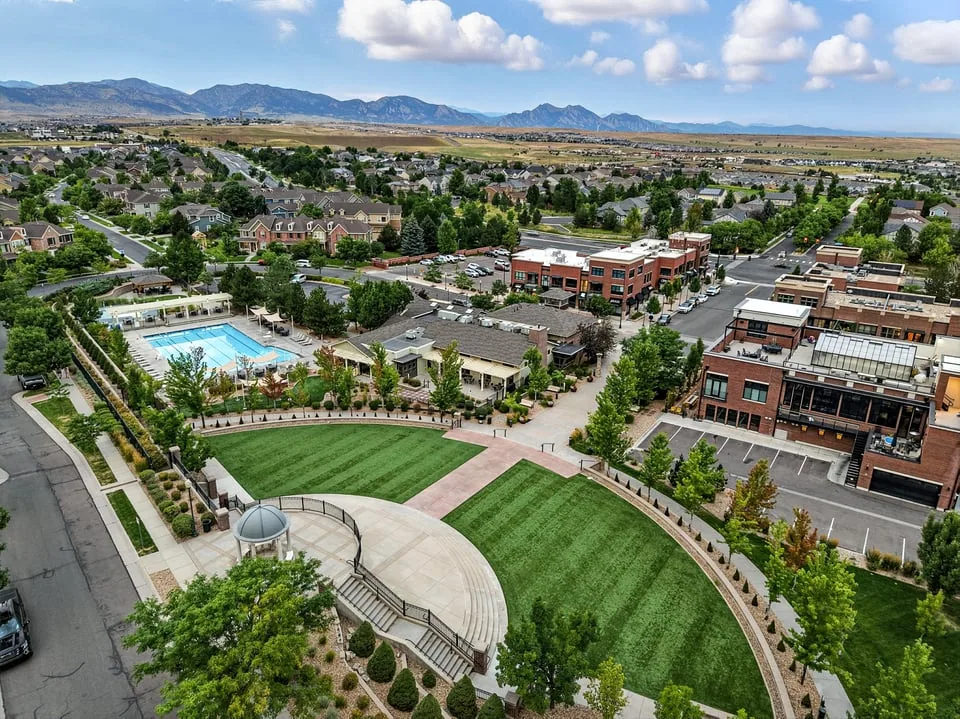
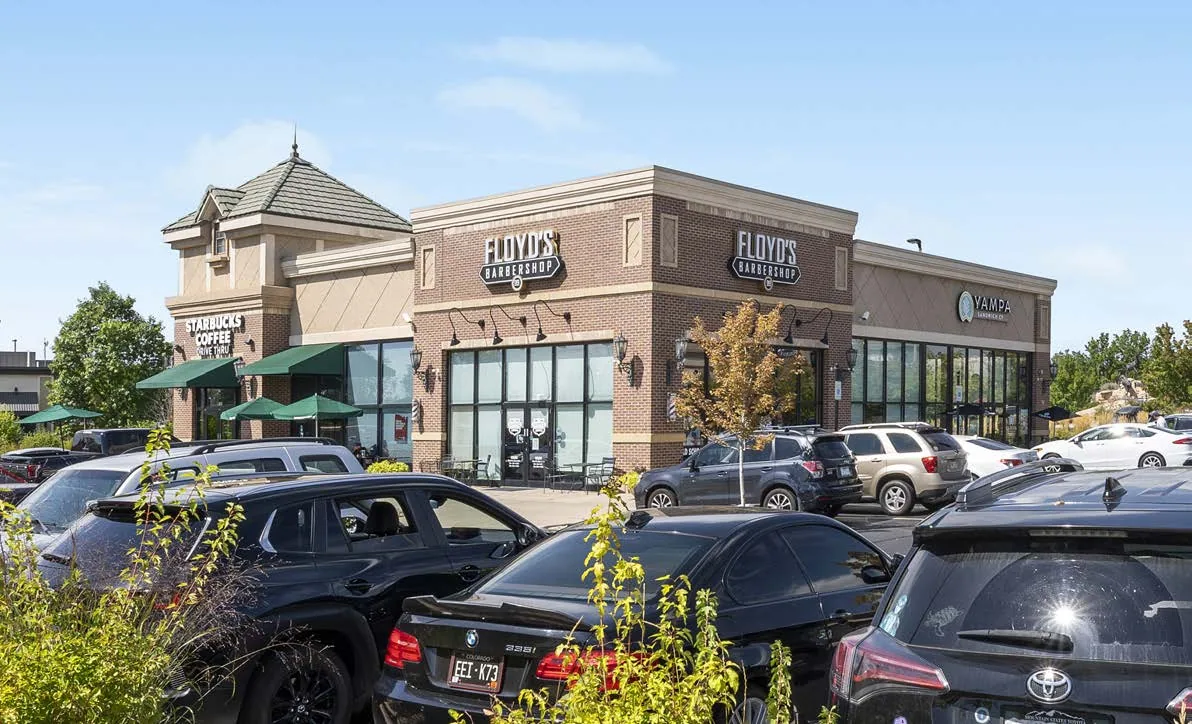
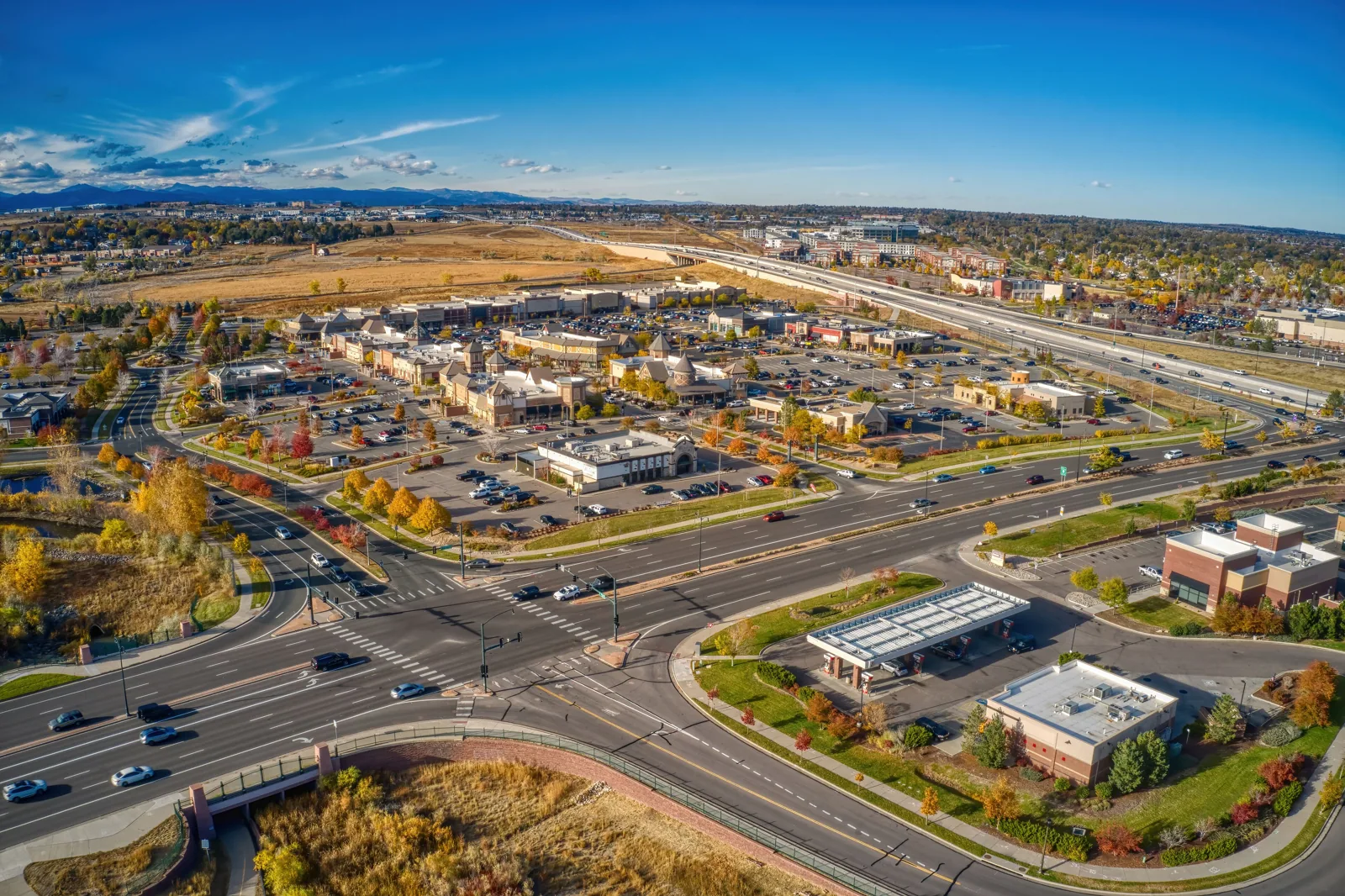
An office-focused roof plan at Centennial Valley Business Park should start with each building's access and maintenance history. Louisville places the park beside U.S. 36, between the Denver and Boulder markets, and describes its infrastructure as oriented to offices. Nearby retail and dining are within walking distance. That context can shape how a visit is staged, but the roof system, leak source, and repair scope still need building-level confirmation.
Map each office roof separately
A business park may include buildings with different owners, tenants, access procedures, and service records. Identify the structure, roof zone, contact, and affected interior area before dispatch. Confirm the hatch or ladder route, equipment restrictions, visitor paths, and whether an office needs notice before a crew arrives. A roof asset file can keep system documents and service history under the right building.
Colorado Technology Center is another Louisville business district with a mix of office, manufacturing, and warehouse uses in some buildings. Its roof assessments should not supply facts for Centennial Valley. A Thornton logistics park visit has different access and loading constraints. The nearby retail and dining access described for this park helps orient the campus, but does not establish roof conditions or a shared maintenance plan.
Walk the roof with a current plan. Mark field seams, drains, overflows, wall flashings, equipment curbs, penetrations, edges, and areas that cannot be reached. Compare the plan against what is visible. If the roof layout has changed, note the discrepancy before recommending a repair that assumes a specific drainage path.
Follow the report to the roof
An office leak report should include the room, when it appeared, and whether it followed rain, snowmelt, or equipment service. Water can travel through the assembly before reaching a ceiling. Compare the interior location with roof features above and around it. Treat the stain as a clue; do not name an entry point until an inspection supports it.
Check seams, curb bases, penetration flashing, parapets, edge metal, drain bowls, and overflow routes. Look for open laps, loose terminations, punctures, debris, or prior patches. Photograph the detail and a wider view so another person can locate it. A commercial roof inspection should record the areas reached, test limits, and unresolved questions.
Start by confirming how the existing roof is assembled and attached. Heat-welded sheet, adhered rubber, asphalt-based layers, and metal panels cannot share one repair detail. For a confirmed standing-seam roof, a metal roof review can assess panel laps and attachment; do not assume that system from an office-park label.
Use the season to time a roof walk
Weather in the Denver-Boulder forecast area can bring hail, wind, thunderstorms, winter conditions, heat, and cold. A forecast or storm report can set the timing of an inspection, but the building's roof photos and field condition establish what changed. For Centennial Valley Business Park area, mark low points before tracing runoff to the drain; schedule a return only after confirming safe roof access. Use the building’s design records for structural criteria and keep those calculations separate from field drainage observations. After a thaw, inspect the office roof's drains, low zones, and overflow route. Compare any observed water with a specific room report. Use the building's own design records for structural questions.
If a leak is active, a leak response can protect office equipment and document temporary coverage. A maintenance check can record drains, seams, and penetrations before the next weather window. Keep each visit tied to a building and date.
Choose a repair that fits the office
A localized seam or flashing opening may support a limited repair if the surrounding material is sound. Recurring moisture, widespread membrane wear, failed attachment, or several affected areas may require a broader evaluation. Review the substrate, insulation, drainage, roof layers, and edge condition before comparing patching with restoration or replacement. Testing should answer a question that changes the scope.
A repair recommendation should identify the defect, preparation, material match, work limit, and proof of closeout. If the roof needs replacement, compare removal depth, insulation performance, attachment, perimeter design, equipment sequencing, and how daily dry-in will be maintained. Price and duration also reflect hatch access, occupied hours, hidden moisture, lift reach, and detail density. Occupied office operations can affect entry windows, hatch access, noise, and interior protection. Cost also depends on roof height, lift access, concealed wet material, equipment count, and perimeter details.
Centennial Valley is in Louisville, so confirm that city's permit route and adopted requirements for the actual scope. Westminster's code editions are market context only. A replacement proposal should identify the jurisdiction, assembly, and office-access assumptions. For serviceable roofs, a condition report can help sequence near-term repairs and later capital work.
Schedule a Centennial Valley roof review
Share the building, affected office area, leak or weather timing, prior repair notes, and safe access contact.
Keep office routines predictable
Confirm tenant contacts, visitor access, roof entry, equipment shutdowns, staging, and delivery timing. The park's nearby retail and dining can serve employees, but it does not replace the property contact or approved access route. Set barriers around lift operation and debris movement. If a roof visit affects an entry, tell the building contact which area and time are involved. Agree on notice timing, interior protection, and who will confirm that affected work areas can return to normal use after the repair.
A roof opening should not outlast the approved work window. Before placing adhesive or coating, confirm the surface is clean and dry enough for the chosen product and that the forecast supports the work period. If conditions turn, close or protect the exposed zone and log the return task. Coordinate any HVAC interruption with the person who controls the equipment, including the restart check.
At closeout, clear drains and staging debris, restore the agreed routes, and compare final photos with the original inspection map. List any area not reached, pending test, or temporary repair. Keep the handoff short and specific so office management can see the next action.
Keep the office roof file current
Store roof plans, system records, warranty details, maintenance logs, and work orders by building and roof zone. Label photos with date and direction. Record whether a finding was seen, tested, repaired, or left open. Include access limits and the person who can arrange a return visit. A neighboring business park file is not a substitute for these records.
At follow-up, compare the interior report with the prior roof boundary. Check whether the symptom recurred and whether drainage remains open. If the building has changed equipment or tenant spaces, update the roof map and access contacts before the next inspection. Keep open tests visible until their result is entered.
For Centennial Valley service, send the building, affected room, leak or weather timing, roof records, and access instructions. We can inspect the actual assembly, explain confirmed conditions, and prepare a repair or capital path that fits the office schedule.
Commercial Roofing Questions
Does the park's office focus tell us the roof system?
The office-focus description concerns district infrastructure, not a building assembly. We identify the roof from plans, records, and field conditions.
Can nearby retail and dining be used for crew staging?
Only with property approval. We confirm staging, visitor routes, roof entry, and any delivery limits with the building contact.
What should an office leak report include?
Name the room, time water appeared, weather or equipment activity beforehand, prior repairs, and the contact who can arrange roof access.
Does the Westminster snow normal set a Louisville roof load?
That is regional context for Westminster. Use Louisville's project design records for building-specific criteria.
Can work proceed while offices are open?
Often the sequence can be coordinated around tenants. The access route, noise, equipment, and interior protection need a building-specific plan.
Related Roofing Work
Commercial Roof Asset Management
Read more
Colorado Technology Center, Louisville
Read more
5280 Logistics Park, Thornton
Read more
Commercial Roof Inspection
Read more
More Service Areas in Westminster
See the rest of our service areas for Westminster commercial buildings, or call 555-555-5555 to talk through your roof.
Centennial Valley Business Park, Louisville
Talk to Commercial Roofing Westminster
Call 555-555-5555 or send a request and we will schedule a visit to look at the roof, explain what we find and lay out your options.