Commercial Standing Seam Metal Roofing in Westminster, CO
Inspect Westminster standing-seam roofs for clips, panel movement, seams, and penetrations. Plan compatible repair or replacement around weather and access.
Commercial Standing Seam Metal Roofing
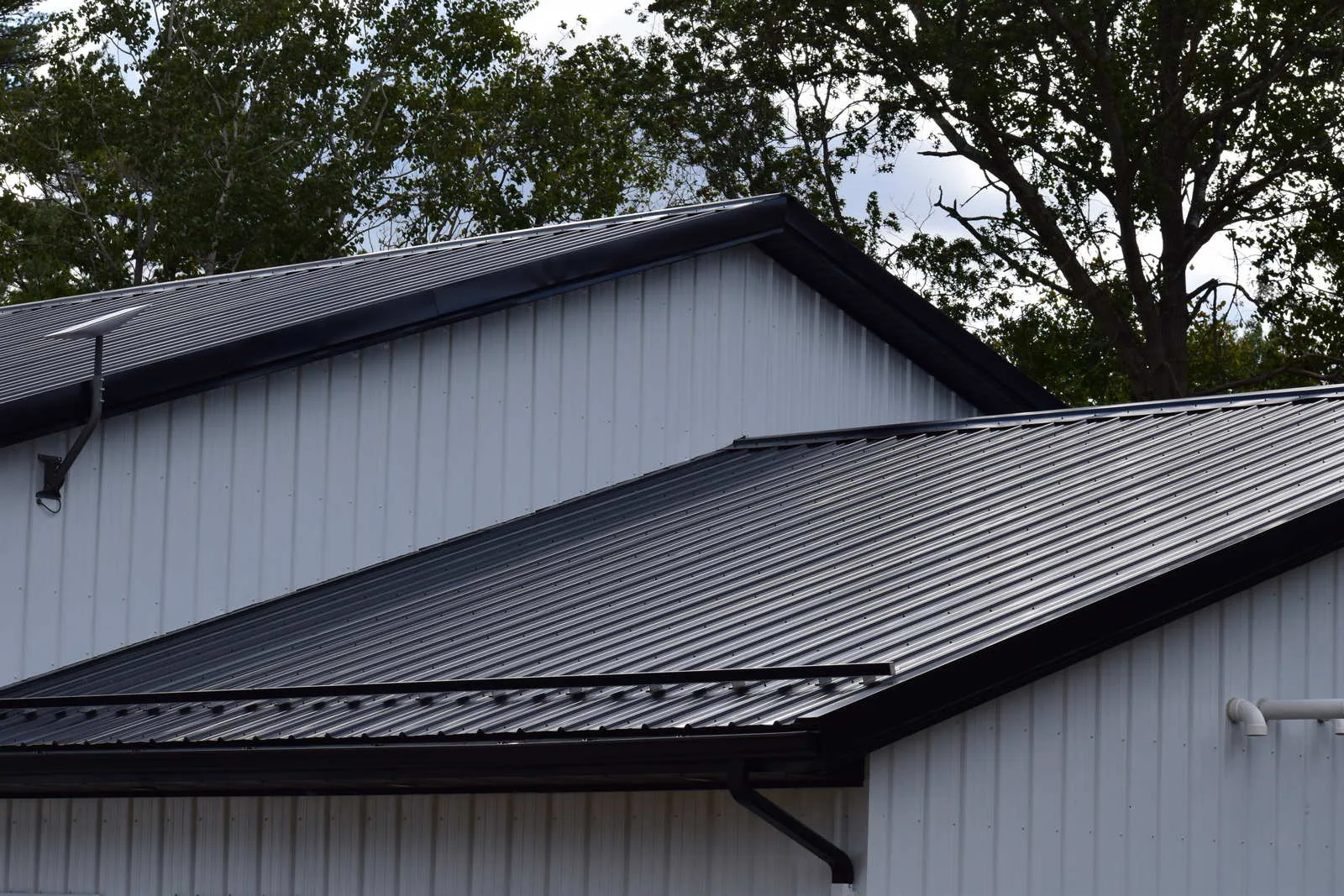
After a strong gust, check the panel edges and clips before assuming a standing-seam roof is secure. A seam can look closed while a fastener or concealed clip has moved. Westminster's hail, wind, heat, and snow make metal movement worth checking through the seasons. We inspect panel seams, clips, flashings, penetrations, and drainage, then identify whether the issue is isolated or part of a larger assembly condition.
Track panel movement at the clips
Standing-seam panels join above the roof deck with raised seams. Clips attach the panels while allowing designed movement as metal expands and contracts. We look for seams that have opened, panels that have shifted, fasteners that have backed out, and oil canning or distortion that changed from the prior condition. A visual crease alone does not prove a leak or attachment failure.
Panel length, clip type, spacing, substrate, and edge restraint influence the assembly. We review drawings when available and inspect representative seams rather than guess from the metal profile. A metal roof inspection records the location, direction, and visible movement for each affected run.
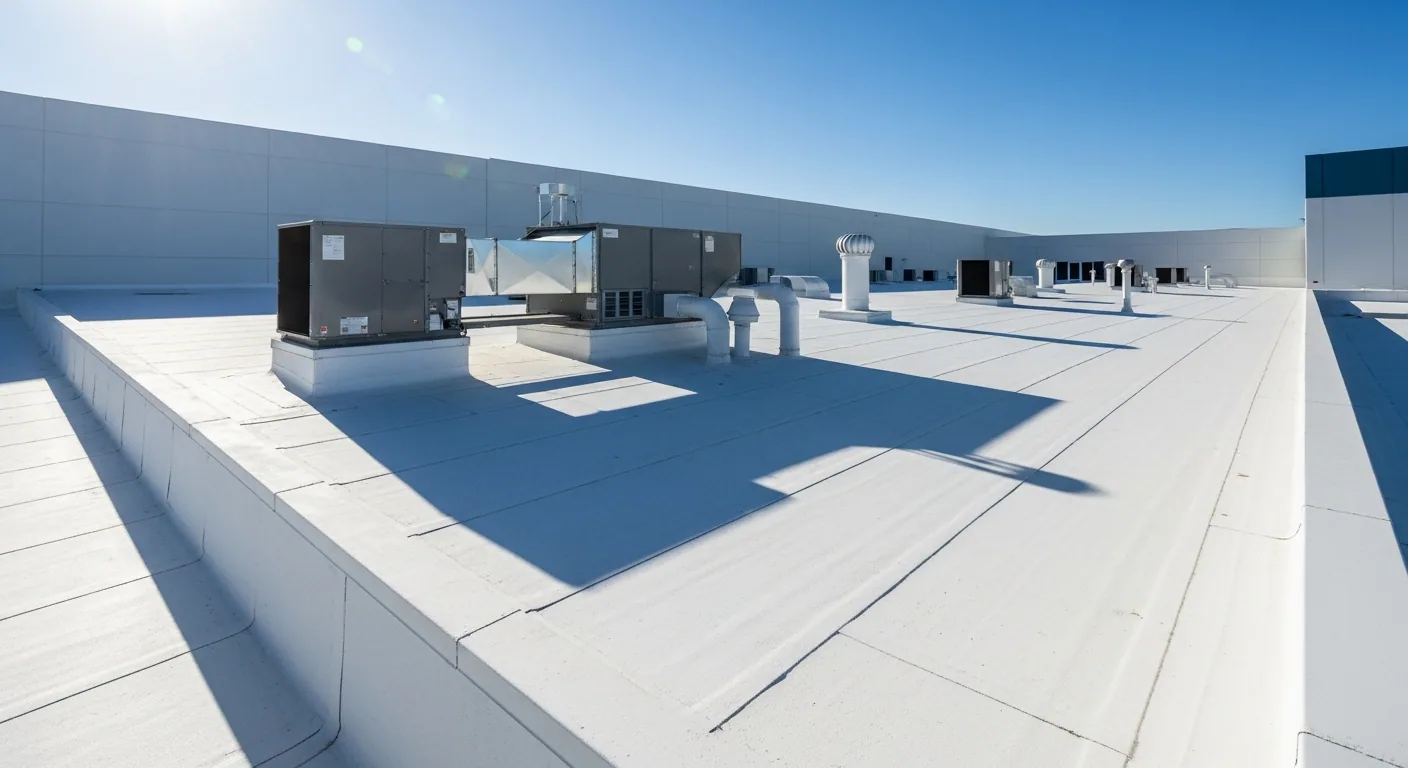
Office and industrial properties near Westmoor Technology Park can have rooftop units, service lines, and transitions that interrupt a long panel run. We check where those details meet the seam and note whether equipment work may have altered the panel or flashing.
Read movement across seasons
Metal expands in heat and contracts as temperatures fall. Clips and seams accommodate movement only when the designed range, attachment, and panel details remain intact. We look for buckling, slipped panels, elongated fastener holes, and distorted end conditions. The inspection compares observed movement with panel length and attachment details where those can be confirmed.
After a hail event, inspect exposed panels and flashings for dents, coating loss, punctures, and open seams. A mark can be cosmetic, while a damaged seam or penetration may need repair. Hail marks can be cosmetic, while a damaged seam or penetration may need repair.
Snowfall varies across the Denver metro. Metal roofs shed snow differently based on slope, seams, snow guards, and nearby obstructions. We inspect actual discharge paths, gutters, and lower roof areas rather than apply a regional snow total to the structure.
Inspect transitions and drainage
Pipe supports, skylights, curbs, ridge conditions, valleys, and wall transitions each need metal-specific flashing. We check flashing overlaps, closures, sealant condition, and fasteners. A pipe boot or curb detail may be the leak path even when the standing seams remain tight. The report ties the interior concern to an observed opening only when the roof evidence supports it.
At the eave, gutters and snow-retention devices can affect runoff. We look for loose hangers, separated joints, debris, and water marks on adjacent walls. A gutter and edge review can record the metal transition and discharge point. Drainage remains part of the roof assembly when snow or storm water must cross the perimeter.
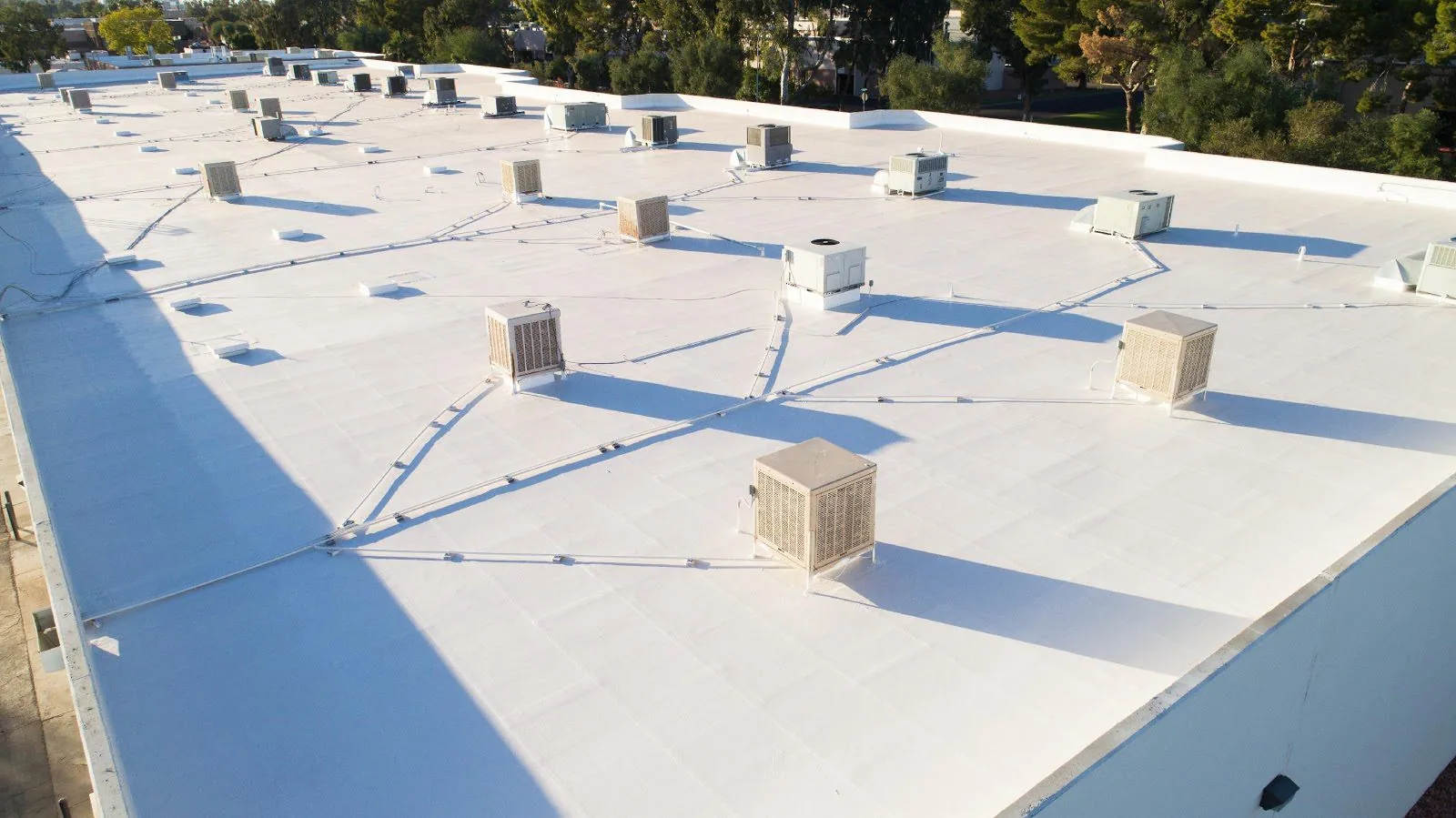
A property along the 120th Avenue corridor may combine sloped metal with lower membrane roof sections. We map where those systems intersect, since water from one plane can reach a detail on another.
Use a repair suited to the panel
Metal repair may involve clip adjustment, seam work, panel replacement, flashing reconstruction, or a penetration detail, depending on the profile and attachment. The method depends on panel profile, coating, attachment, and adjacent metal. Sealant placed over a moving seam may fail when the metal shifts. We identify the repair limits and whether panel removal is required to reach the clip or underlayment.
If damage spans multiple runs or the deck and underlayment are compromised, a larger renewal may be appropriate. A replacement scope should include panel profile, substrate, clips, perimeter details, and transitions to low-slope sections. If an exposed-fastener roof needs a different approach, compare it with a metal retrofit assembly after inspecting the existing panels. A separate TPO roof section needs membrane-compatible transitions where the systems meet.
Coating is not automatically a substitute for repairing open seams or failed attachment. We review the surface preparation, coating compatibility, movement, and drainage before including any restoration system.
Check the seam and attachment
Send the Westminster roof plan, panel profile if known, leak or storm location, access contact, and recent equipment or maintenance work. We will inspect panel movement, clips, flashing, and drainage, then document the repair boundary.
Plan panels, penetrations, and safety
New standing-seam work begins with substrate review, panel layout, clip design, underlayment, and edge conditions. The approved design establishes attachment for the building and wind requirements. Panel lengths and seams must account for thermal movement. We coordinate curb and penetration locations before panel fabrication so details do not require field improvisation.
Metal edges can be sharp, and sloped surfaces require a controlled work route. We confirm fall protection, staging, lift access, and where panels will be handled. Wind can make large sheets difficult to manage, so the crew secures materials and adjusts work to safe conditions. The daily plan defines the area exposed and how it will be closed.
At installation, we check clips, seam engagement, end laps, flashings, and transitions before those details are hidden. Photos capture the panel layout and penetrations. A condition record can retain installation observations and any project hold point that remains open.
Look for small changes early
Maintenance checks seams, clips visible from the roof, flashings, fasteners, coatings, gutters, and snow-retention hardware. We note changes since the last visit, especially at panel ends and around equipment. Keep debris from holding moisture against the metal and inspect discharge points after storms or snowmelt.
Service personnel can alter a standing-seam roof while accessing equipment. Walk routes and support points should be planned so traffic does not crush a seam or scrape the finish. A maintenance visit can document access paths, repairs, and roof areas that need follow-up after temperature changes.
When a leak is reported, inspect after safe access is possible and preserve the weather and interior details. Water may travel along the underlayment before it appears inside. We map seams and transitions near the report, then identify what testing or panel removal would answer the remaining question.
Keep panel and repair records precise
The closeout identifies panel profile where known, roof run, seam or clip condition, flashing work, gutters, and repair limits. Photos show the completed area and any panel left unchanged. If the underlayment or concealed clip could not be seen, the report names that limitation.
For a Westminster property, map metal sections separately from any adjacent membrane roof. A facility near Westmoor and a retail building along 120th Avenue can have different panel details even within the same market. Keep drawings, product information, repair records, and access notes together for the next roof visit.
Send the building address, roof plan, panel information, leak or storm history, and access contact. We will inspect the seams and transitions, then describe the repair, panel replacement, or broader scope supported by the metal roof condition.
Commercial Roofing Questions
Can a standing seam leak even when the seam looks closed?
Yes. Water may enter at a clip, end condition, curb, or other flashing detail. We inspect the seam and surrounding transitions before assigning a source.
Do metal panels move when temperatures change?
They expand and contract. Clips and seams are designed to accommodate movement, and we check whether those components remain attached and aligned.
Can hail dent a standing-seam roof?
Hail can leave marks on panels or damage nearby details. We distinguish surface dents from punctures, open seams, coating loss, and attachment problems.
Can you replace one standing-seam panel?
A localized panel replacement may work if the profile, attachment, and surrounding seams allow a compatible tie-in. We inspect the full run and detail before setting that boundary.
What should be checked after snow slides off a metal roof?
Inspect snow guards, eaves, gutters, lower roof sections, and areas below the discharge path. We document any displaced hardware or damage that the site walk confirms.
Related Roofing Work
Commercial Roof Inspection
Read more
Westmoor Technology Park
Read more
Commercial Roof Edge Metal, Coping and Gutters
Read more
West 120th Avenue Corridor
Read more
More Roof Systems in Westminster
See the rest of our roof systems for Westminster commercial buildings, or call 555-555-5555 to talk through your roof.
Commercial Standing Seam Metal Roofing
Talk to Commercial Roofing Westminster
Call 555-555-5555 or send a request and we will schedule a visit to look at the roof, explain what we find and lay out your options.