
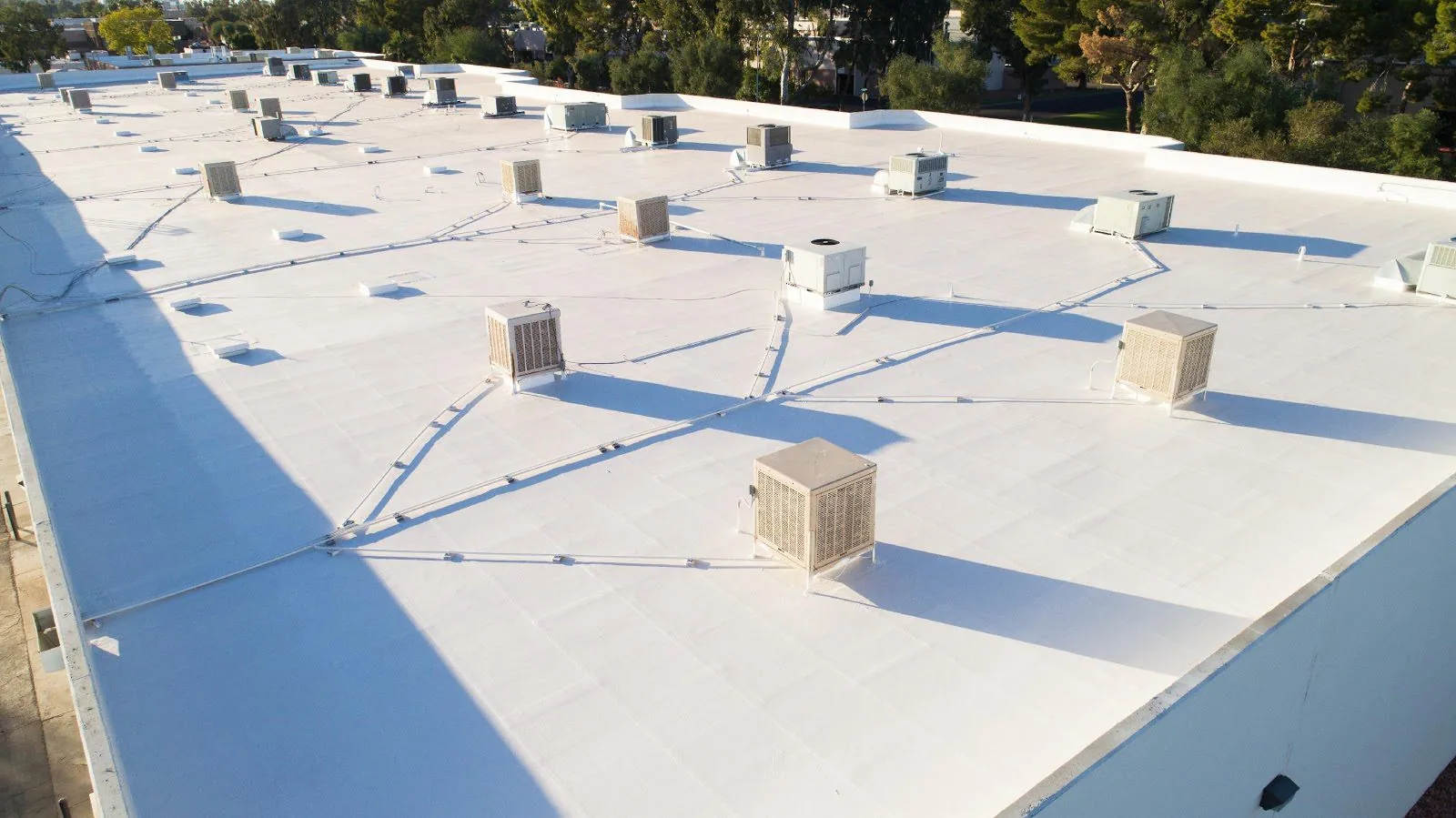
Commercial Spray Polyurethane Foam Roofing in Westminster, CO
Inspect Westminster SPF roofs for coating wear, foam exposure, ponding, and detail failure. Restore or replace the assembly from verified conditions.
Commercial Spray Polyurethane Foam Roofing
After a hot stretch, inspect the coating before exposed foam spreads across the roof. Spray polyurethane foam can create a continuous insulated surface, but it relies on a durable finish and sound details. Westminster's sun, hail, snow, and temperature swings put those layers through different stresses. We inspect the topcoat, foam, transitions, and outlets to determine whether restoration or a broader repair is supported.
Read the protective surface first
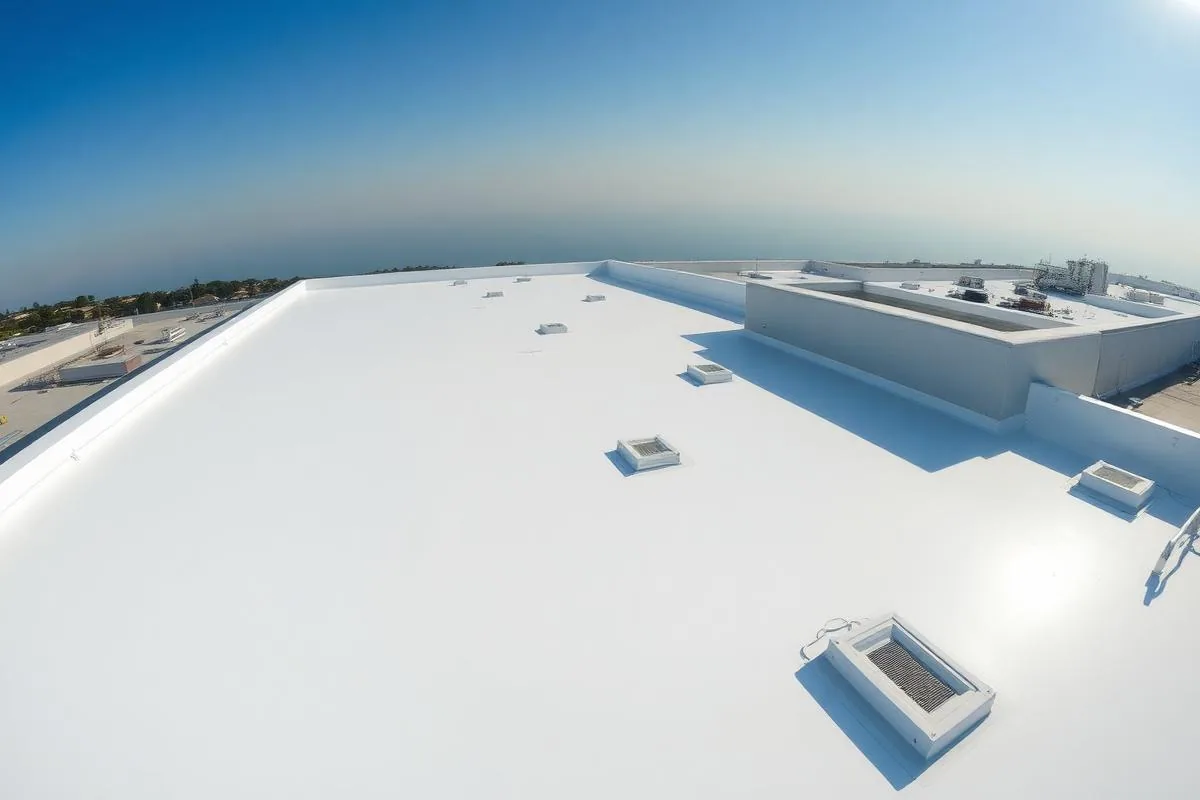
SPF forms a closed-cell foam layer that is shaped to the roof and protected by an elastomeric coating. The coating shields the foam from ultraviolet exposure and weather. We look for thin areas, cracks, blisters, exposed foam, erosion, and loss of adhesion. A worn finish can be recoated only after the substrate and previous coating are checked for compatibility.
Where foam is exposed, moisture can enter the material and weaken the surface. We mark the boundaries and check whether damage is local or spread across a slope. Soft foam, darkened areas, or a depression can point to a deeper issue, but the inspection should confirm before the scope assumes removal. A roof inspection records the coating, foam, and affected area separately.
Buildings around Westmoor Technology Park include office and industrial uses. Roof equipment, walk paths, and service work can abrade the coating. We note repeated traffic lines and protect those areas in the maintenance or repair plan.
Check how the foam directs water
SPF can be sprayed to shape a slope, but water still needs a clear route to drains or scuppers. We check foam contours, drains, overflows, parapets, and transitions to lower roof sections. Ponding can wear the coating and create a repair cycle if the outlet or slope remains unchanged.
Snowfall varies across the Denver metro, and Westminster roofs see both snowmelt and intense storms. We inspect the actual low points and water marks rather than applying a regional amount to the building. A drain assessment can document outlet condition and the visible path through the foam profile.
If a depression developed after installation, compare it with the prior roof plan and coating history. We note whether the foam is sound, compressed, or missing and whether additional slope work is feasible. A coating layer can protect the roof surface but cannot correct structural movement or a damaged deck.
Separate impact from coating wear
Hail may bruise a coating, expose foam, or mark metal details. A May 2024 hail report near Westminster gives local context for an inspection, but it does not establish damage on a specific roof. We record visible strikes, cracks, punctures, and exposed foam by area and compare those findings with prior coating condition.
Heat and ultraviolet exposure can age the coating over time. Wind can move debris or stress edge details; snow can retain water around drains and curbs. A storm inspection distinguishes new impact from older surface wear when the roof records support that comparison. We do not attribute a defect to weather without evidence at the building.
At a property along the 120th Avenue corridor, safe access and tenant operations can shape the inspection window. We coordinate roof entry and protect public areas below any work zone.
Repair foam before recoating
A repair begins with coating removal or preparation as the system requires. Damaged foam is cut back to sound material, rebuilt to the roof profile, and sealed with compatible coating. The project scope identifies whether the repair is a patch, foam rebuild, or broad restoration. Applying coating over wet or loose material can hide a defect without resolving it.
Coating selection depends on existing chemistry, adhesion, slope, ponding, and project requirements. A silicone finish and an acrylic coating have different properties and water exposure limits. We review the system data and test adhesion when needed instead of treating all coatings as interchangeable.
If foam is saturated, separated, or broadly damaged, removal or replacement may be required. A restoration assessment maps eligible and excluded areas. A replacement scope includes substrate, insulation, drains, and edge details rather than only the visible topcoat.
Inspect the coating and foam
Share the Westminster address, roof plan, SPF and coating history, leak or ponding area, and access contact. We will check the topcoat, foam, drainage, and transitions, then define repairs and any restoration testing needed.
Control the spray and coating sequence
SPF application depends on substrate dryness, temperature, wind, ventilation, and access control. The crew protects equipment and occupied areas from overspray. Foam is applied and trimmed to the design profile, then the surface is inspected before coating. The coating thickness and coverage follow the approved system requirements.
Weather can narrow the application window. Wind direction and nearby entries affect masking and site setup. The crew limits the work area to what can be completed with a proper coating layer and a secure tie-in. If moisture or an unsuitable substrate is found, the owner reviews the revised scope before work advances.
Penetrations, curbs, drains, and edges are completed with compatible materials. The team checks coating continuity and drainage at each transition. Photos record foam profile and repairs before the final protective surface covers them. At occupied properties, work is coordinated around ventilation intakes, deliveries, and rooftop service calls.
Renew coating before foam is exposed
Maintenance checks coating thickness where accessible, cracks, exposed foam, blisters, ponding, and detail transitions. The record should note areas repaired or recoated and the product used. Repeated foot traffic needs protection; placing equipment directly on foam can crush the profile or damage the finish.
Westminster commercial properties near Westmoor or North I-25 have different roof access and equipment layouts. The inspector maps each building rather than carrying one site's assumptions to another. Schedule follow-up around areas with recurring abrasion or standing water.
If a topcoat is nearing renewal, inspect the foam underneath first. A small test area can confirm adhesion and surface preparation. The owner sees the test result and proposed repair boundary before a broad coating application is authorized.
Keep foam and coating records together
The closeout identifies coating type where verified, foam areas repaired, surface preparation, drainage changes, and open conditions. Photos show the finish and transitions. If moisture or foam damage remains concealed, that boundary is listed for further testing rather than treated as resolved.
For a Westminster building, connect the SPF map with the roof plan and maintenance history. Record coating dates, repaired slopes, and follow-up items for the facility manager. Keep product data with the service file for future compatibility checks. Date each photo and note the roof section shown.
Send the address, roof plan, known SPF and coating history, leak or ponding location, and access contact. We will inspect the protective surface, foam, drainage, and details, then outline restoration or replacement based on the roof's condition.
Commercial Roofing Questions
Can you recoat an SPF roof?
Yes, when the foam and existing coating are sound enough for the selected system. We inspect exposed areas, repair damage, and confirm surface preparation and compatibility first.
What happens if spray foam is exposed?
Exposed foam can absorb moisture and deteriorate. We mark the affected boundary, check its depth and condition, and rebuild damaged material before applying a protective coating.
Does ponding mean an SPF roof must be replaced?
Not automatically. We inspect the foam profile, coating, drains, and water depth, then determine whether outlet maintenance, localized slope correction, or a broader scope is needed.
Which coating is best for an SPF roof?
The existing coating, slope, water exposure, and product compatibility guide the choice. We use system data and adhesion checks where needed before specifying a finish.
How often should an SPF roof coating be checked?
The service and exposure history guide the interval. Inspect after damaging weather and during planned maintenance, especially where equipment traffic or ponding wears the surface.
Related Roofing Work
Commercial Roof Inspection
Read more
Westmoor Technology Park
Read more
Commercial Roof Drains and Scuppers
Read more
Storm Damage Roof Repair
Read more
More Roof Systems in Westminster
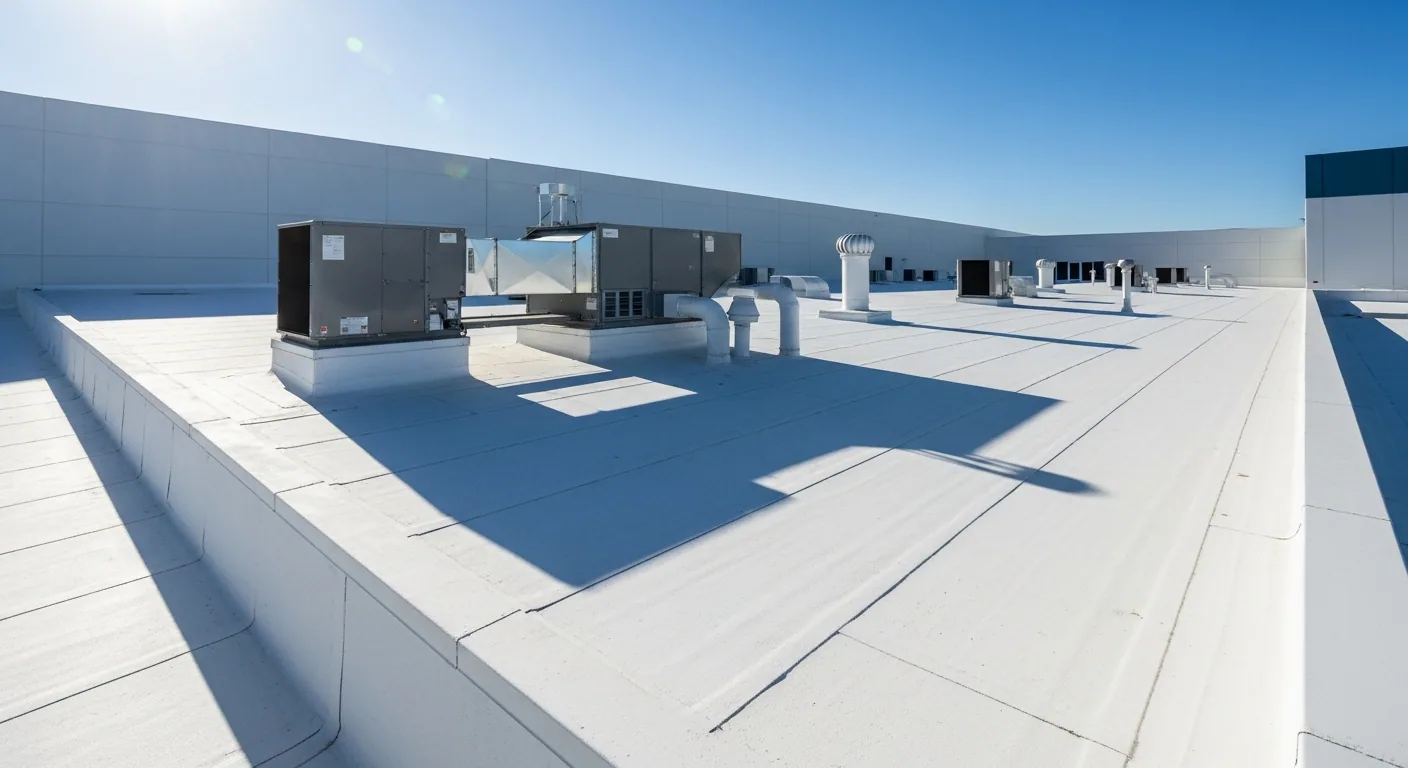
See the rest of our roof systems for Westminster commercial buildings, or call 555-555-5555 to talk through your roof.
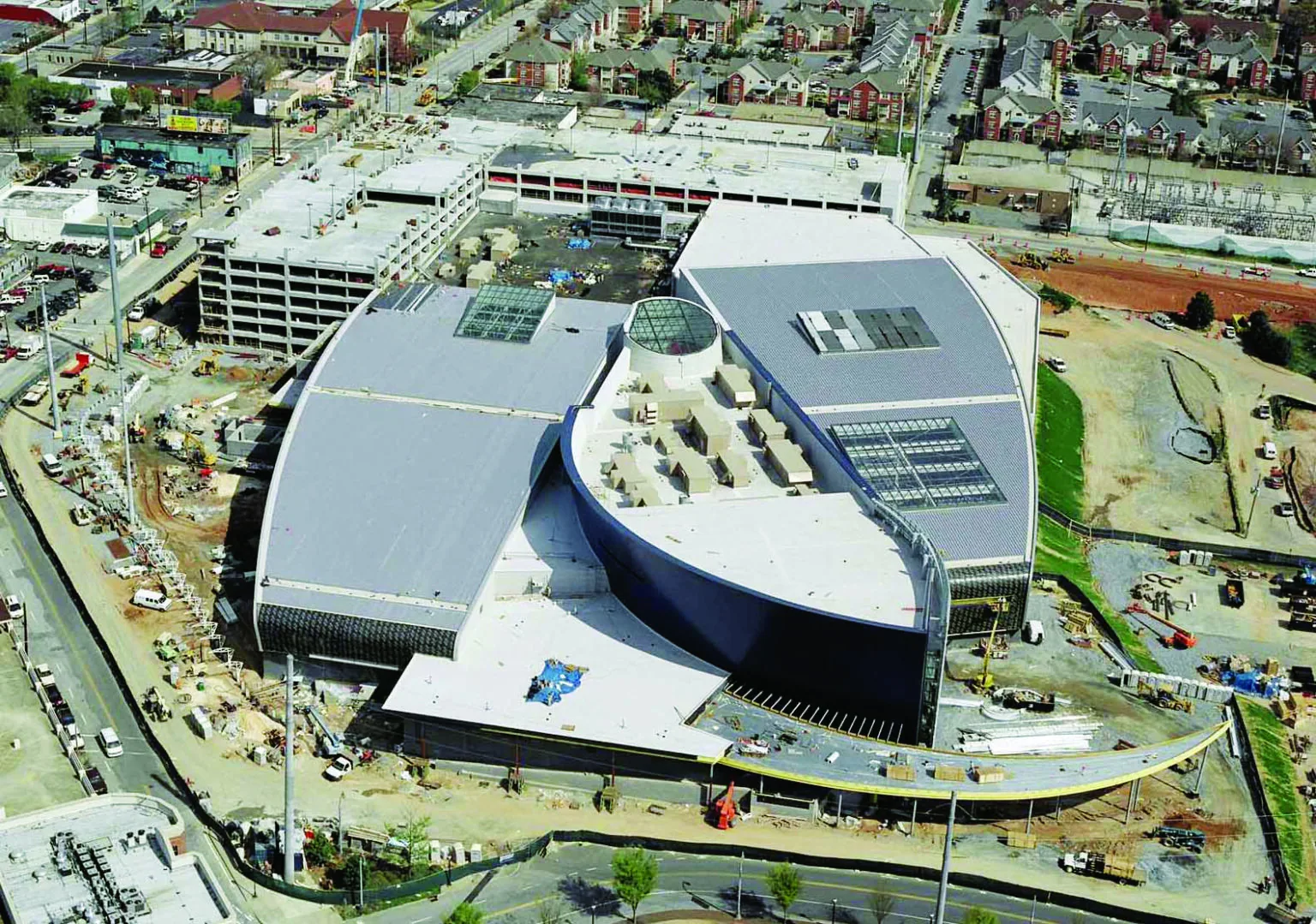
Commercial Spray Polyurethane Foam Roofing
Talk to Commercial Roofing Westminster
Call 555-555-5555 or send a request and we will schedule a visit to look at the roof, explain what we find and lay out your options.