
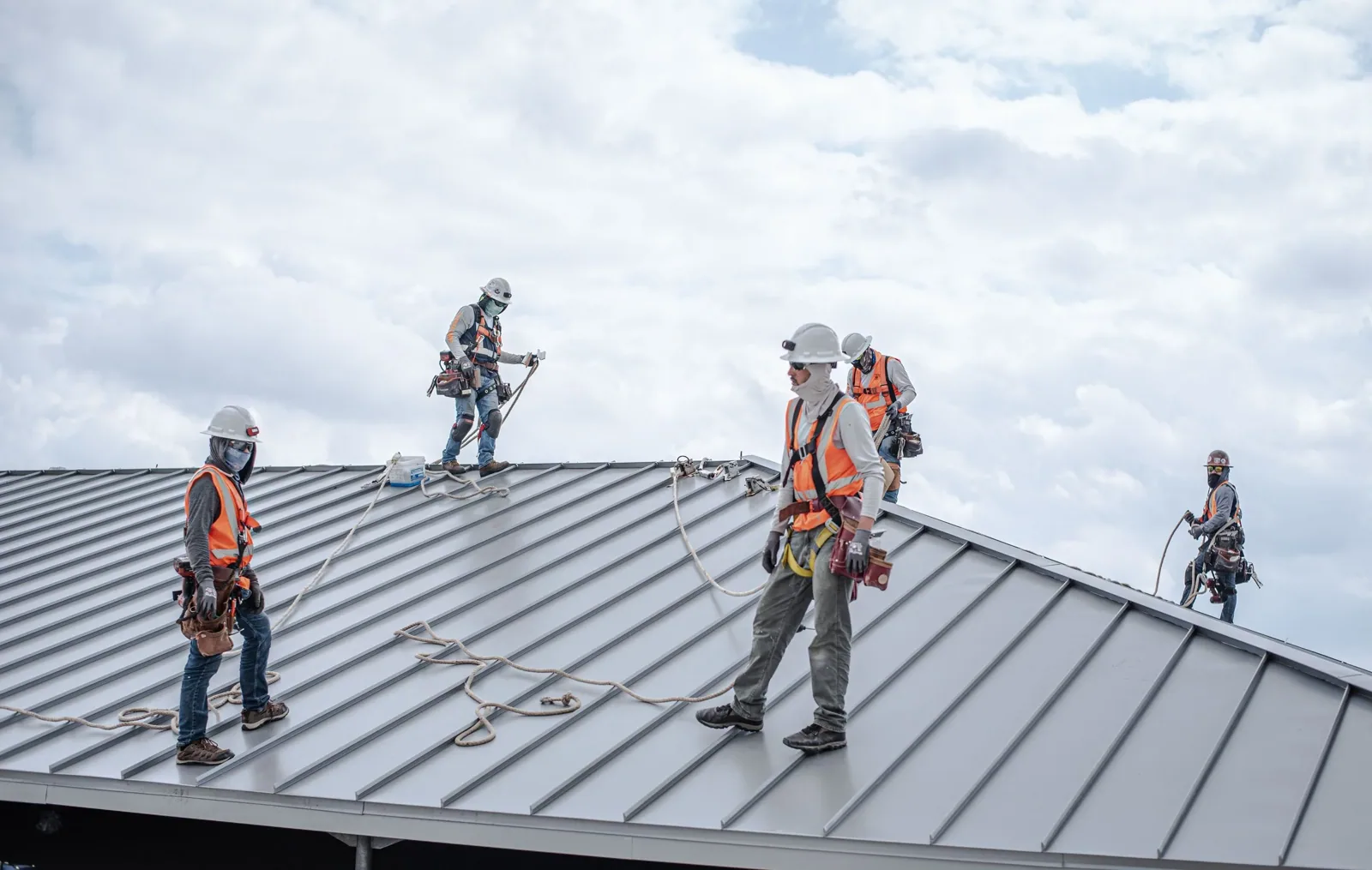
Commercial Roof Edge Metal, Coping and Gutters in Westminster, CO
Inspect Westminster coping, edge metal, gutters, and downspouts for movement, open seams, and drainage trouble. Get a repair scope tied to the roof assembly.
Commercial Roof Edge Metal, Coping and Gutters
After hail or a hard gust, start at the perimeter and check what moved. A roof walk can show a lifted cleat, open coping joint, bent gutter, or membrane that has pulled from the edge. Westminster's May 2024 hail report makes a post-weather look reasonable, but it does not establish damage at any one property. We record the actual metal condition, fasteners, seams, and nearby membrane before setting a repair boundary.
Read the whole roof edge
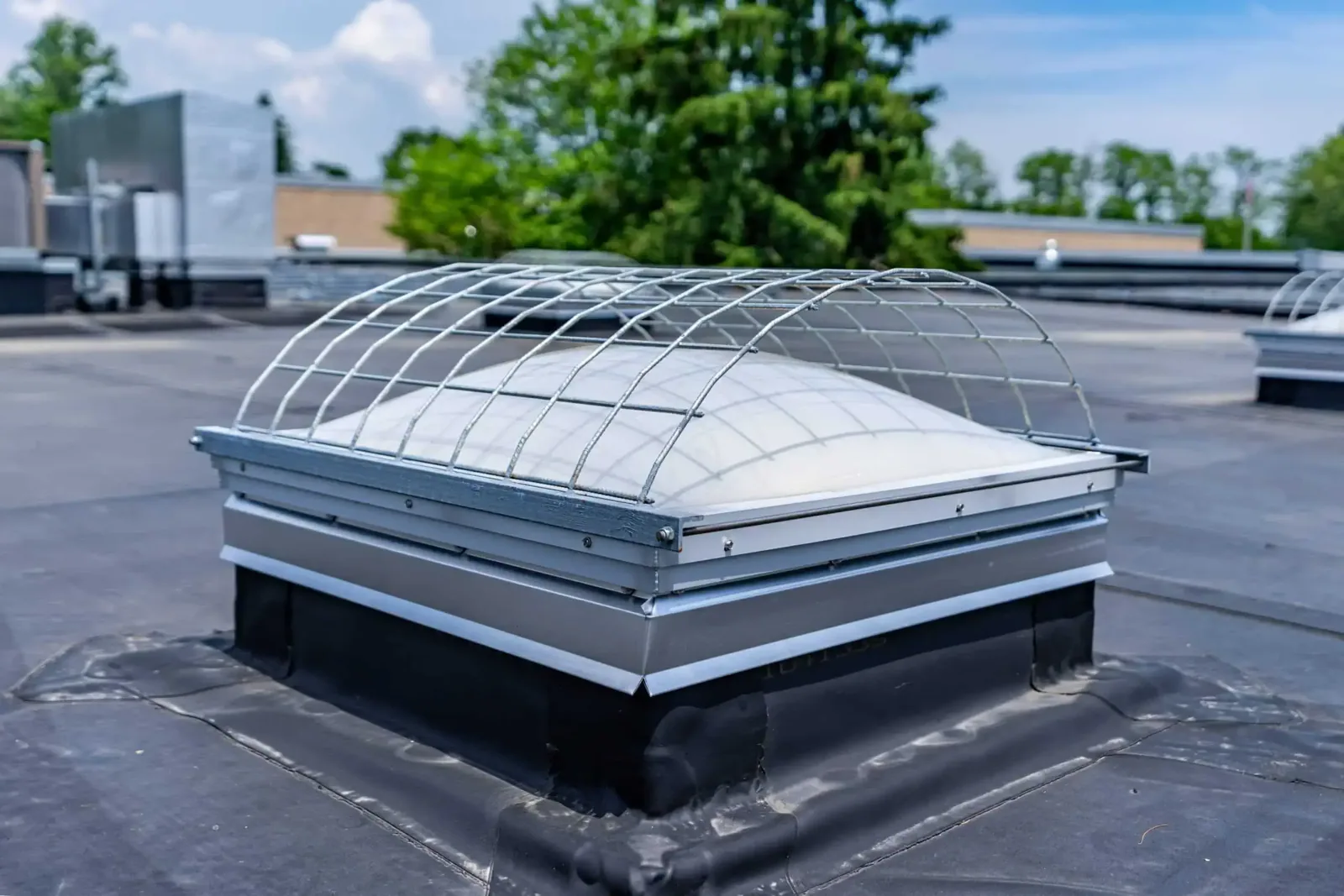
Edge metal is part of the roof assembly, not a decorative cap. We inspect the termination bar or cleat, metal gauge and profile where visible, splice plates, laps, corners, and fastener lines. At parapets, coping joints and cleats need to hold the cap while allowing the assembly to move as designed. At an open edge, the metal must tie into the membrane and resist wind forces. We note the observed condition instead of assuming a loose-looking piece has failed.
The membrane termination matters as much as the exposed metal. Water can enter behind a coping joint, travel under a termination, or reach the deck through a separate defect. We trace the path and compare it with any interior report. A roof repair assessment can separate a metal correction from membrane work when both are present.
On a building near the 120th Avenue corridor, several roof elevations may meet at one parapet line. We photograph corners and changes in height, then identify the run by roof section. A single loose joint does not automatically call for full-perimeter replacement.
Check movement after rough weather
A wind event can expose a weak attachment, but a roof inspection has to establish what shifted. We look for displaced coping, loose cleats, pulled fasteners, creased gutter metal, and fresh openings at transitions. Hail can leave impact marks in softer metal or damage nearby membrane and flashing. The inspection record should tie any impact marks to the metal run and roof zone where they appear. Photos show the locations that warrant repair or a closer look.
At the roof edge, a small opening can admit water and give wind access beneath the membrane. We check the metal-to-membrane tie-in, corner details, and roof-to-wall transitions. If the visible defect sits beside a larger field concern, an event-related roof inspection records both. The report distinguishes observed damage from areas that remain sound.
Gusts can also loosen debris or move downspout connections at grade. We document the roof-side gutter and visible outlet, then note where a separate drainage or site-plumbing check is needed. That keeps the roofing scope tied to components we can inspect.
Follow water through the gutter
A gutter should collect runoff without holding it against the roof edge or sending it behind the fascia. We check slope, hangers, seams, end caps, outlets, and downspout connections. Staining, sediment, and overflow marks help locate a recurring problem, but the roof and exterior wall still need separate observations. If water ponds near an outlet, we compare the gutter elevation with the drain path rather than treating every stain as a metal failure.
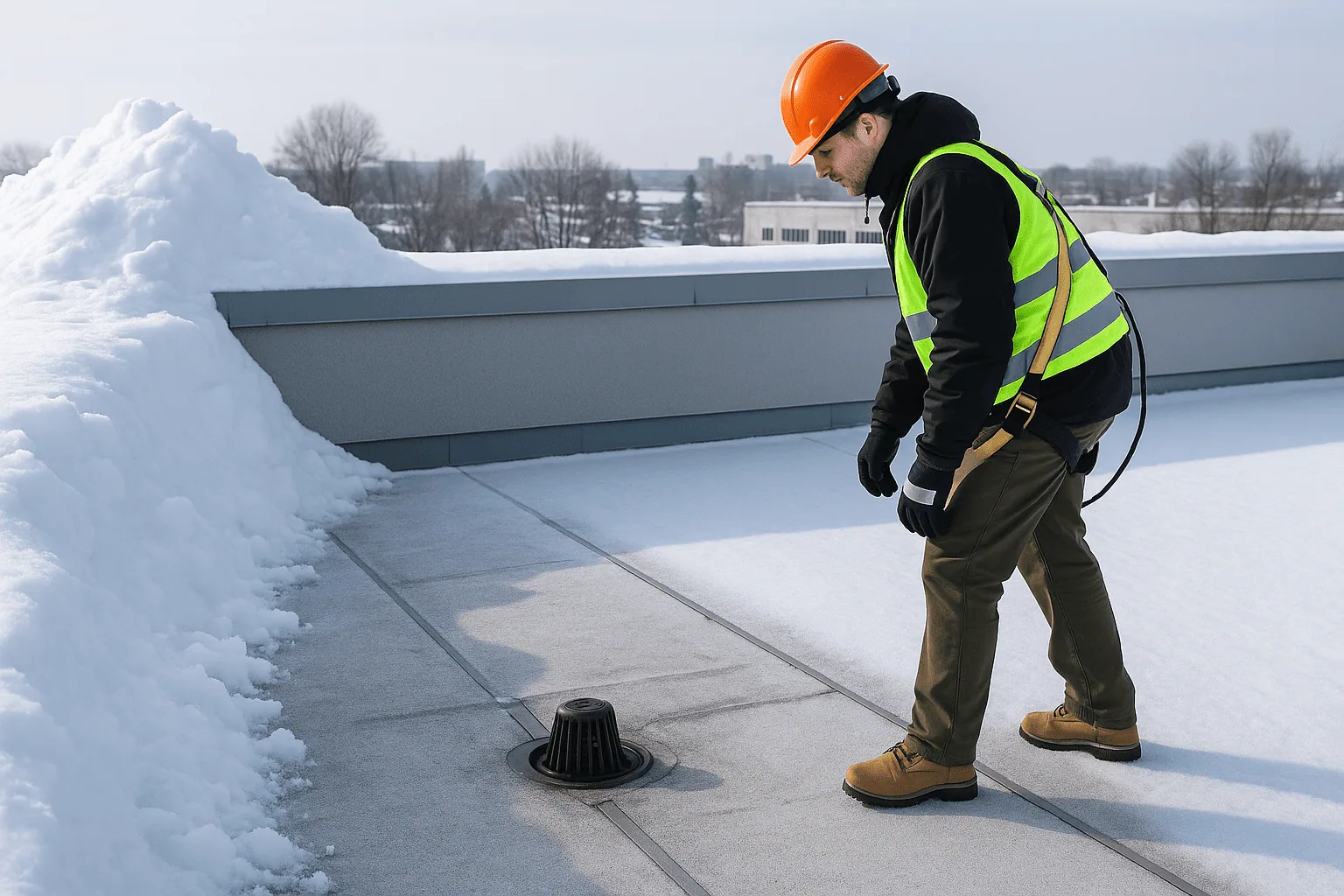
Snowfall varies across the Denver metro. The building's own gutter slope, outlet size, and discharge route determine what a roof walk can confirm. We note ice damage only when visible and do not infer a blocked line from a seasonal condition alone. Where roof drains and scuppers feed perimeter collection, a drainage review can trace the route from the low point through the outlet.
At retail and office properties around the Westminster Promenade, roof access and tenant activity shape the inspection window. The same check applies at a building near Westmoor Technology Park: record the exact run, keep debris contained, and identify any downspout extension or ground-side condition outside the roof scope.
Match the fix to the assembly
A repair may mean resetting a cleat, replacing a damaged coping section, rebuilding a corner, resealing a compatible joint, or replacing a gutter run. The right choice depends on metal condition, attachment, membrane termination, and whether water has reached the deck or wall. We identify the repair limits and note any concealed condition that would change the scope. A bead of sealant over moving metal is not a substitute for a secure attachment.
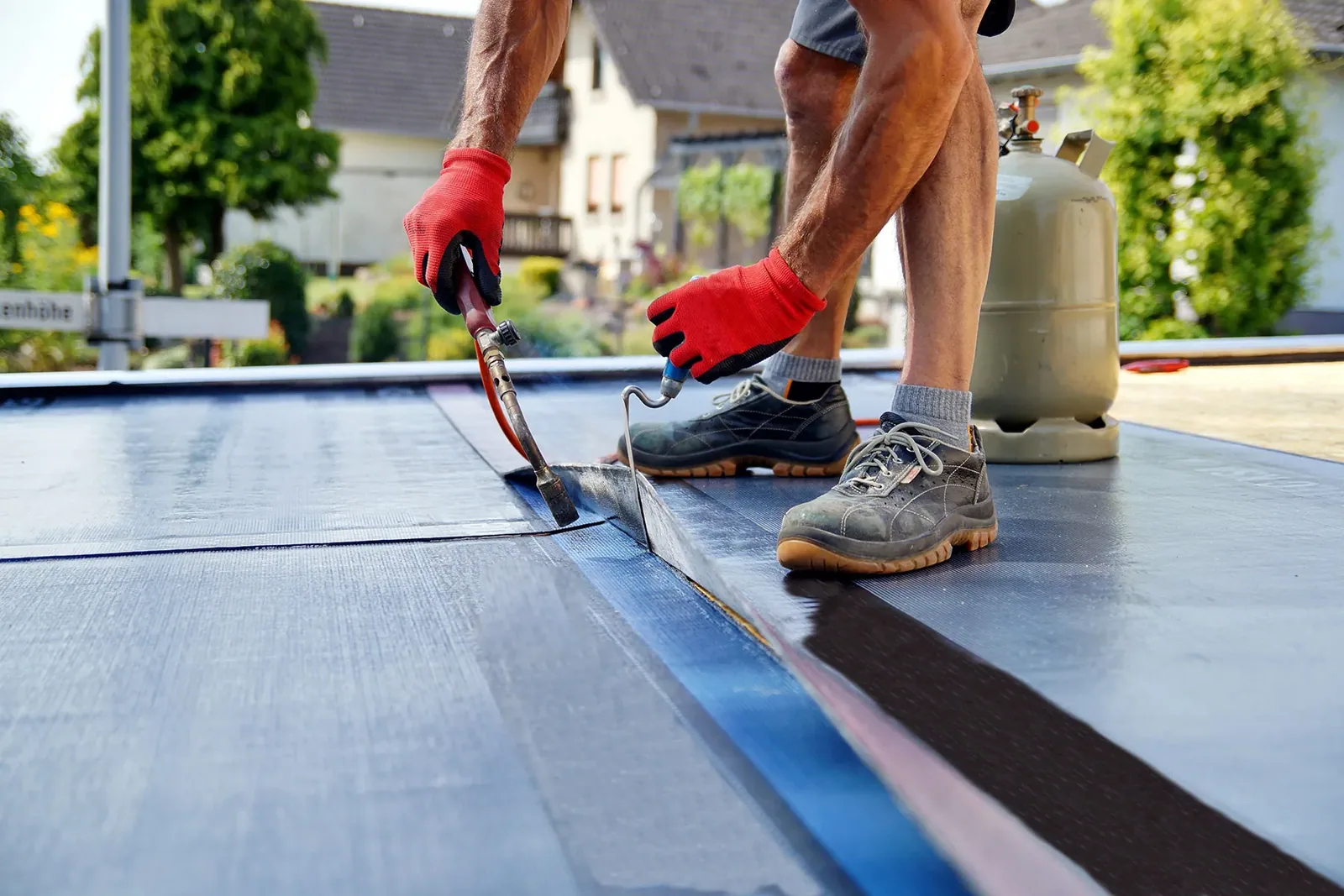
Coated and membrane roofs use different edge details. A thermoplastic roof, EPDM assembly, modified-bitumen system, or metal retrofit needs a compatible transition. If a recover is under consideration, added thickness can affect counterflashing and edge height. We compare the proposed roof buildup with the existing perimeter before work begins. A replacement plan should include edge metal and drainage transitions in its scope.
For a building manager, the practical question is how far the work extends and what stays in service. We mark the run, access route, adjacent tenant areas, and any temporary protection. A photo condition report preserves the before-and-after record and lists follow-up items separately.
Show us the edge that changed
Tell us whether wind, hail, runoff, or a leak prompted the call. Identify the building and perimeter run, share a roof plan or photos, and provide access details. We will inspect the metal, attachment, membrane transition, and drainage path, then set a repair boundary.
Plan safe access and sequencing
Edge inspections require a controlled route to the perimeter. We confirm ladder or hatch access, fall protection conditions, rooftop equipment, and areas that cannot be crossed. At occupied properties, the manager identifies loading activity, deliveries, and tenant-sensitive zones. If metal removal could expose the roof, the crew stages materials and temporary protection before opening the assembly.
Work near a storefront or entrance may need coordination below as well as above. We identify the drop zone and keep pedestrians away from active work. For a multi-building portfolio along the North I-25 commercial area, each structure gets its own edge map; a matching appearance does not establish that its details or attachment are identical.
Weather affects when exposed metal can be handled and when a repair can be closed. We schedule around precipitation and safe roof conditions, then record any temporary dry-in and the remaining permanent work. The written scope states what can be completed in the visit and what depends on concealed conditions.
Leave a clear perimeter record
The closeout identifies the roof edge, coping run, gutter segment, visible attachment, and discharge point reviewed. Photos show each repair and any nearby membrane detail. We list work performed, areas left unchanged, and any need for a follow-up check after rain or snowmelt. If a buried leader or wall condition requires another trade, the boundary is explicit.
North Park Plaza and Westminster Crossings sit within Westminster's retail districts, but each property has its own roof and drainage layout. We use the location to orient the service visit, then base the recommendation on the building-level evidence. A maintenance visit can track recurring gutter debris or loose hardware before it becomes a larger repair.
For a site with repeated perimeter issues, we can map each elevation and record the metal profile, joints, and repair dates. That gives the next inspection a useful starting point. Send the building address, recent weather or leak concern, roof plan if available, access contact, and the edge or gutter run affected.
Commercial Roofing Questions
Can coping be repaired without replacing every section?
A sound run can often remain in place when the defect is isolated and the attachment is secure. We inspect joints, corners, cleats, and the membrane tie-in before defining the replacement limit.
What makes a gutter overflow at the roof edge?
A blocked outlet, poor slope, separated seam, undersized path, or damaged downspout can contribute. We record what is visible and identify any below-grade drainage question separately.
Does hail damage roof edge metal?
Hail may leave dents or impact marks in exposed metal. The mark alone does not establish a leak. We check nearby seams, membrane, and flashing and document any opening or loss of attachment.
Can edge metal be changed during a reroof?
Yes. The new membrane thickness and termination detail affect the perimeter. We include coping, cleats, gutters, and transitions in the roof scope where the assembly requires them.
What should I send before a gutter inspection?
Share the building address, affected elevation, roof plan, photos from the ground, and any interior water report. Include access rules and timing limits so the visit covers the right run.
Related Roofing Work
Commercial Roof Repair
Read more
West 120th Avenue Corridor
Read more
Storm Damage Roof Repair
Read more
Commercial Roof Drains and Scuppers
Read more
More Commercial Roofing Services in Westminster
See the rest of our commercial roofing services for Westminster commercial buildings, or call 555-555-5555 to talk through your roof.
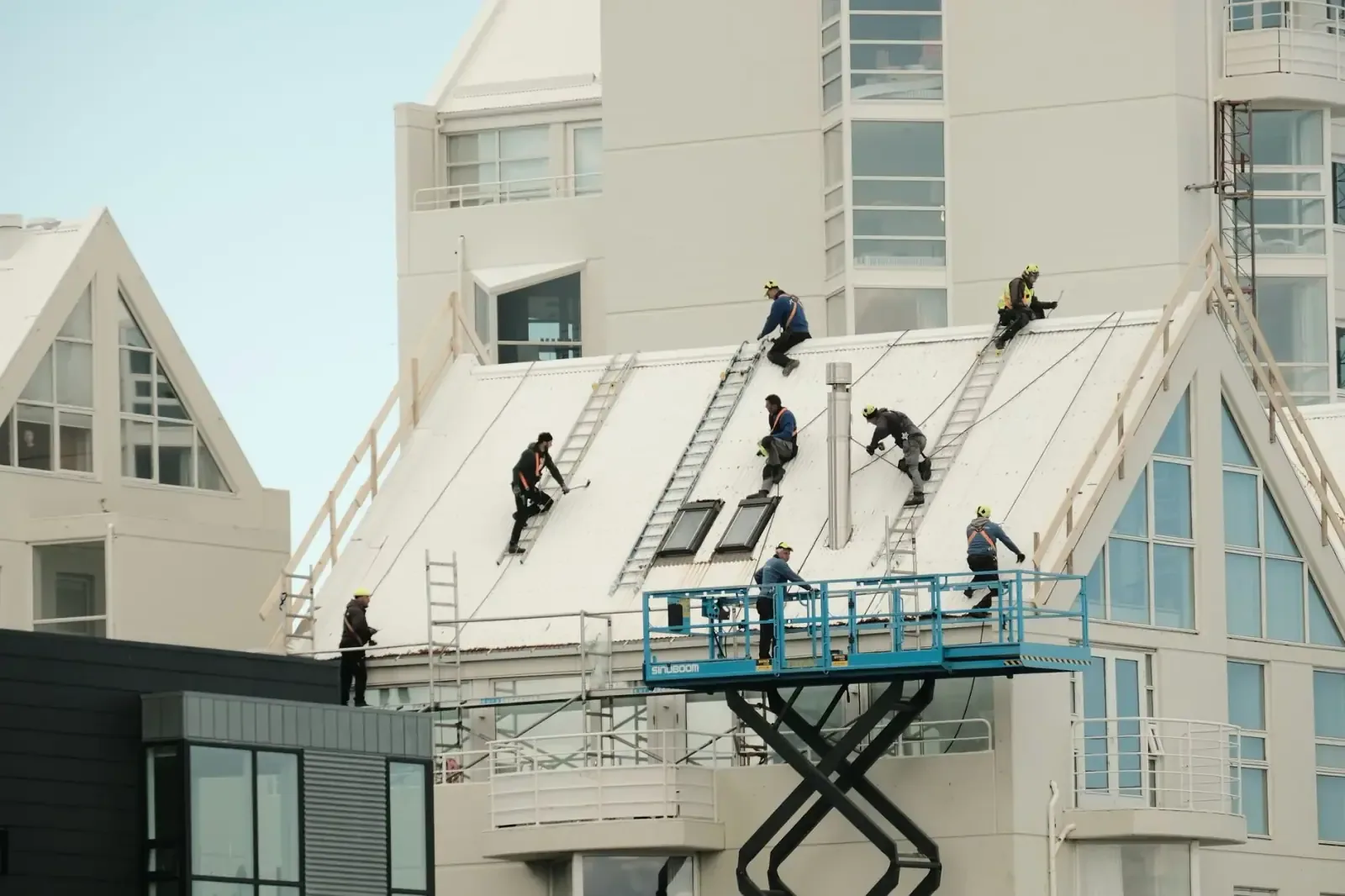
Commercial Roof Edge Metal, Coping and Gutters
Talk to Commercial Roofing Westminster
Call 555-555-5555 or send a request and we will schedule a visit to look at the roof, explain what we find and lay out your options.