
Commercial Roofing for Retail and Restaurant Chains in Westminster, CO
Manage Westminster retail and restaurant roofs with coordinated leak response, tenant access, grease-exhaust details, and repeatable repair records.
Retail and Restaurant Chains
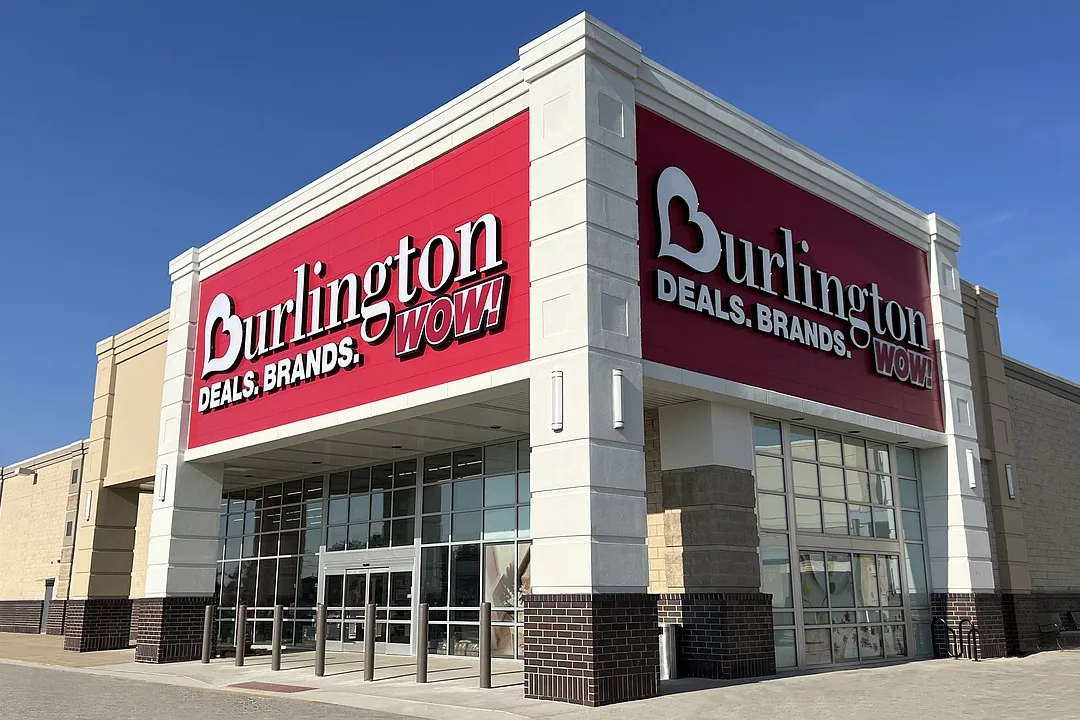
How does a chain keep a store open while a roof leak is traced? Start with the affected room, the roof section above it, and the next safe work window. Westminster's retail inventory spans the North I-25, U.S. 36, 120th Avenue, and City Center subareas. Shops at Walnut Creek and Westminster Promenade sit across U.S. 36 from one another, while restaurants and retail uses also line West 120th Avenue. Each store still needs its own inspection and access plan.
Keep a store trading through roof work
Retail operations have opening hours, deliveries, customer entrances, signage, and stock that may be exposed below a roof opening. The store contact identifies those constraints before the crew stages a lift or materials. Agree on a work zone, customer detour, interior protection, and daily closeout. If a roof detail sits above a kitchen, sales floor, or checkout area, schedule the task around the actual operation.
The U.S. 36 and Church Ranch Road/104th Avenue node includes Westminster Promenade and Shops at Walnut Creek as dominant retail projects. A Golden commercial roofing service area should coordinate site access and tenant activity for the specific property. Before mobilization, confirm the roof system, tenant schedule, access path, and work approval for the individual property.
A phased retail reroof plan can separate roof zones and maintain access to unaffected storefronts. Identify lift placement, staging, customer routes, noise windows, temporary dry-in, and who accepts the completed area. Keep each location's plan distinct even if the brand uses the same store layout elsewhere.
Protect kitchens and rooftop service details
Restaurant roofs may have exhausts, fans, ductwork, grease-related service, makeup air, and refrigeration equipment. The actual equipment and roof assembly must be confirmed at the site. Inspect curbs, flashing, fasteners, seams, penetrations, and access clearance around each unit. A service trade that moves a fan or duct can disturb the roof, so coordinate the opening and closure before equipment work begins.
If a leak reaches food preparation or storage, the operator determines interior protection and any room restrictions. A leak investigation can document the roof detail and temporary protection separately from permanent work. The report should identify water's visible path, affected area, materials installed, and any part of the roof that was not accessible.
Grease discharge or heat can affect nearby roof surfaces and flashing. Record visible residue, coating changes, and penetrations without assuming that a ventilation unit caused a leak. A roof inspection should compare the equipment curb with the membrane or metal around it and state whether the detail is intact, damaged, or needs further testing. Keep service access clear after the repair. If a fan, refrigeration line, or exhaust hood requires another visit, mark the route and curb so maintenance staff can reach it without stepping across a fresh patch or coating.
Compare locations with consistent records
A chain operator may use one work-order platform across several brands or cities. Keep each address linked to its own roof map, material information, maintenance photos, leak history, and access contact. Reuse the record structure, not the roof conclusion. A similar tenant layout does not prove that two sites use the same membrane or have the same remaining service life.
The North I-25 corridor contains Orchard Town Center, Westminster Crossings, and neighborhood shopping centers. The 120th Avenue corridor includes Sheridan Crossing, North Park Plaza, Bradburn Village, and Village at Park Centre. These distinct areas can help route service calls, but a field report still names the individual store and roof section.
A property management service file can coordinate lease contacts and access, while a hospitality roof program can address chain operations with overnight or guest-facing constraints. The operator decides which local manager receives notices and approves work at each property.
Use local conditions to plan roof checks
For retail locations, check scuppers, overflows, and parapet corners as one path; leave structural questions to the project design professional. After thaw, inspect the property's drains, scuppers, overflow routes, and low areas. After thaw, inspect the drains, scuppers, overflow routes, and low areas at the property to see whether outlets cleared. Record blockages, retained water, and interior reports with the roof-zone location.
Wind, hail, thunderstorms, heat, and winter weather can affect different details. A post-event check should look for actual changes in membrane, metal, skylights, edge flashing, and rooftop equipment. The weather event is a timing cue; the building's condition determines the repair scope. Photograph what is visible and compare it with the last inspection.
A scheduled maintenance check can track outlets and perimeter details before the winter season. If roof access is unsafe because of ice, wet surfaces, lightning, or wind, move the visit and notify the store contact. An active leak can receive separate interior protection while the inspection is rescheduled.
Coordinate roofing across retail locations
Provide the store list, roof plans, leak tickets, delivery and opening hours, renovation schedule, and regional facilities contact. We will document each location and its work limits.
Separate repair tickets from store renovations
A puncture, loose edge, open seam, or failed curb may support a localized repair if surrounding materials remain sound. A recurring leak, wet insulation, or several failing areas may need testing and a broader renewal proposal. The work order should identify a repair boundary, measured quantity, temporary closure, and any condition that could change the price or schedule.
Store renovations can add rooftop units, exhausts, signs, and penetrations. Share the roof drawing with the renovation team before work starts. A penetration and flashing scope can clarify who owns curb, boot, and edge details. Put the daily dry-in requirement and final inspection in the construction schedule rather than assuming another trade will close the roof.
Westminster adopted its current 2021 International code editions in June 2024. Each store permit and jurisdiction guide the building and energy review. A replacement scope should list assembly, demolition, edge details, store access, customer protection, and working hours for that address.
Close the visit with a store-level record
Return a report that identifies the property, building, roof zone, date, observed condition, materials installed, and follow-up action. Label photographs so the regional facilities team can match them to the correct ticket. If a section could not be reached, keep it open rather than marking the whole location inspected.
For a claim after weather, a roof claim record can preserve event timing, visible conditions, temporary protection, and completed repair. The chain should retain supporting invoices and prior photos. A claim document is strongest when it distinguishes observed damage from maintenance that was already due.
At a later visit, compare the same seam, curb, drain, or edge. Note whether the repair held and whether tenant activity or equipment changed. That gives the brand a usable maintenance history without treating every store as the same building. Regional staff can compare risk while retaining the property-level evidence.
Commercial Roofing Questions
Can a store stay open during a roof repair?
Often, if the operator approves work hours, customer routes, interior protection, and daily closure. Some tasks need a quieter period or a temporary service adjustment.
What information speeds up a restaurant leak call?
Send the store address, room or kitchen area, time, weather, affected equipment, roof access contact, and whether water is active.
Do all chain locations need the same roof maintenance plan?
They can share a record format, but each building needs its own assembly, drainage, repair history, and access schedule.
How should roof work coordinate with a store remodel?
List new equipment and penetrations before installation, assign responsibility for flashing, and include the temporary dry-in and final closure in the remodel schedule.
Can you document damage for an insurance claim?
Yes. We can record observed roof conditions, event timing supplied by the owner, photographs, temporary measures, and completed repair scope.
Related Roofing Work
Golden
Read more
Occupied Commercial Building Reroofing
Read more
Commercial Roof Leak Repair
Read more
Property Managers
Read more
More Industries We Serve in Westminster
See the rest of our industries we serve for Westminster commercial buildings, or call 555-555-5555 to talk through your roof.
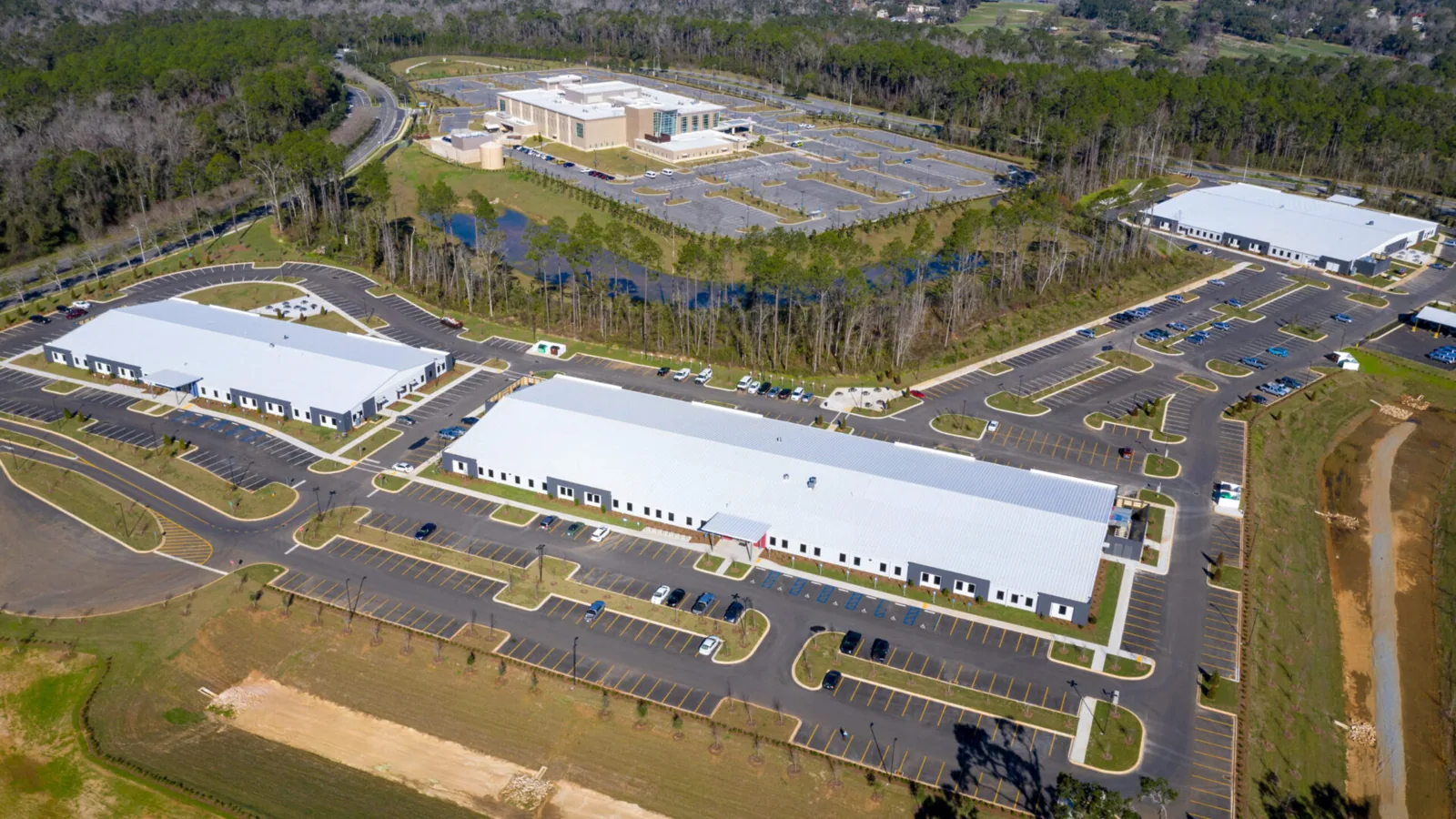
Retail and Restaurant Chains
Talk to Commercial Roofing Westminster
Call 555-555-5555 or send a request and we will schedule a visit to look at the roof, explain what we find and lay out your options.