
Commercial Skylight and Penetration Flashing in Westminster, CO
Inspect Westminster skylights, curbs, vents, and pipe boots for leaks, movement, and failed seals. Get a repair scope tied to the roof membrane.
Commercial Skylight and Penetration Flashing
After hail or a fast temperature shift, start at the curb and look for a change in the flashing. A cracked seal can be visible, but water may enter at a lap, corner, or fastener nearby. After the May 2024 hail event, inspect exposed Westminster roof details where the property may have been affected. We check each skylight, vent, pipe, and equipment penetration against the surrounding membrane and the interior report.

Check the curb before the glazing
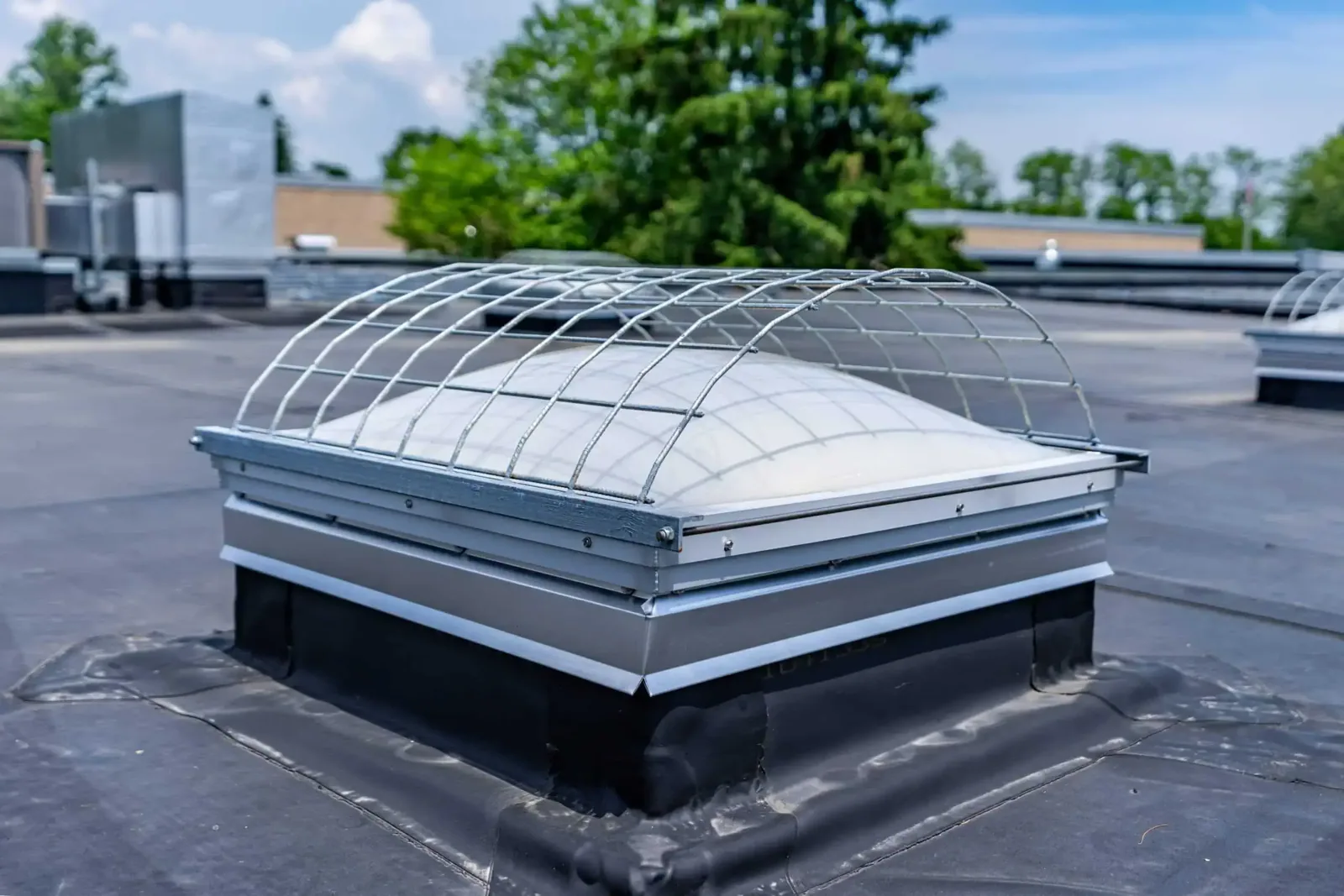
A skylight has several possible leak paths. We inspect the frame, curb height, corners, counterflashing, membrane upturn, and fasteners. Fogging or a failed glazing seal can look different from water entering at the roof connection. The first step is to identify where moisture appears and compare it with the roof-side detail. Photos capture the curb and each side before repair recommendations are made.
On a low-slope roof, the curb should keep water moving around the opening without creating a pocket at its uphill edge. We look for debris dams, low flashing, open laps, and membrane that has pulled away. If the assembly uses a manufacturer-specific curb or flashing component, we identify the visible system and do not assume a generic sealant is compatible. A TPO membrane detail needs a different repair method from EPDM or modified bitumen.
Large office and technology properties near Westmoor Technology Park may have multiple skylights and rooftop penetrations. We number the openings by roof section so an isolated repair does not turn into a vague site-wide allowance. The same record can be used at an occupied building along the 120th Avenue corridor.
Trace each pipe and equipment opening
Pipe boots, conduits, exhausts, and support posts each interrupt the membrane field. We check the boot material, clamping or compression, base flashing, storm collar when present, and the seal at the penetrant. A boot can split from movement or weathering. A metal collar can loosen. A line added later may have a base that was never integrated with the roof. We record the visible connection and the condition around it.
Equipment curbs require a separate look at the uphill side, corners, counterflashing, and service access. Repeated foot traffic can damage a detail even when the field membrane is sound. We note whether a walkway or protection pad is present and whether service personnel can reach equipment without crossing vulnerable seams. For units and supports, a curb and support inspection can distinguish roof work from mechanical scope.
When a leak appears after a storm, we compare the interior location with the roof layout. Moisture may follow a deck channel, insulation seam, or structural member before it reaches the interior. The wet ceiling does not identify the failed penetration by itself. An infrared moisture survey may help map suspected wet material when roof conditions and the assembly make that method useful.
Separate weather clues from roof evidence
Hail can mark a skylight frame or damage nearby membrane, while wind can move a loose counterflashing piece. Snowmelt can collect at the uphill curb if the drainage path is restricted. Inspect the skylight curb, surrounding slope, and uphill drainage path; record outlet condition and visible water marks to guide the next check.
We check for fresh marks, displaced metal, open seams, cracked sealant, and debris lodged against the detail. An impact mark is documented, but it does not automatically mean the assembly leaks. If water is active, a temporary dry-in may protect the interior while the permanent repair is scoped. The hail-damage review can record related membrane and metal conditions where the inspection finds them.
On buildings connected to Westminster's health and life-sciences activity, interior use can make a small leak disruptive. We coordinate the roof access window and identify the room or operation affected without assuming the roof is the only source. The written report ties each interior observation to a roof detail only when the evidence supports that connection.
Use a repair compatible with the roof
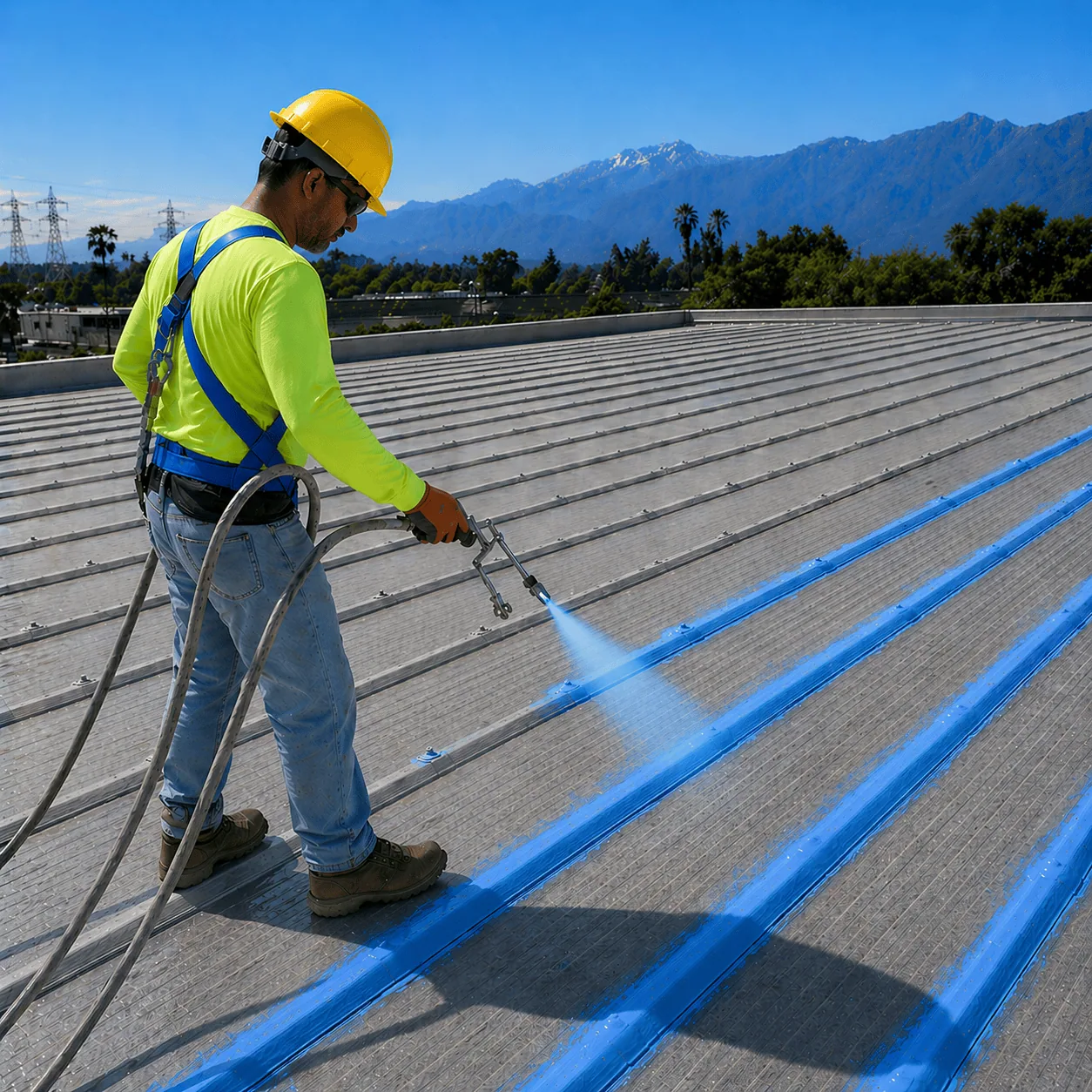
Flashing repair starts with a clean, sound surface and a material that belongs with the roof system. Thermoplastic membranes are welded; EPDM relies on compatible adhesives and seam materials; modified bitumen uses its own flashing approach. A coating can bridge a detail only when its system and substrate permit it. Smearing sealant over a moving curb can hide an opening without correcting the attachment.
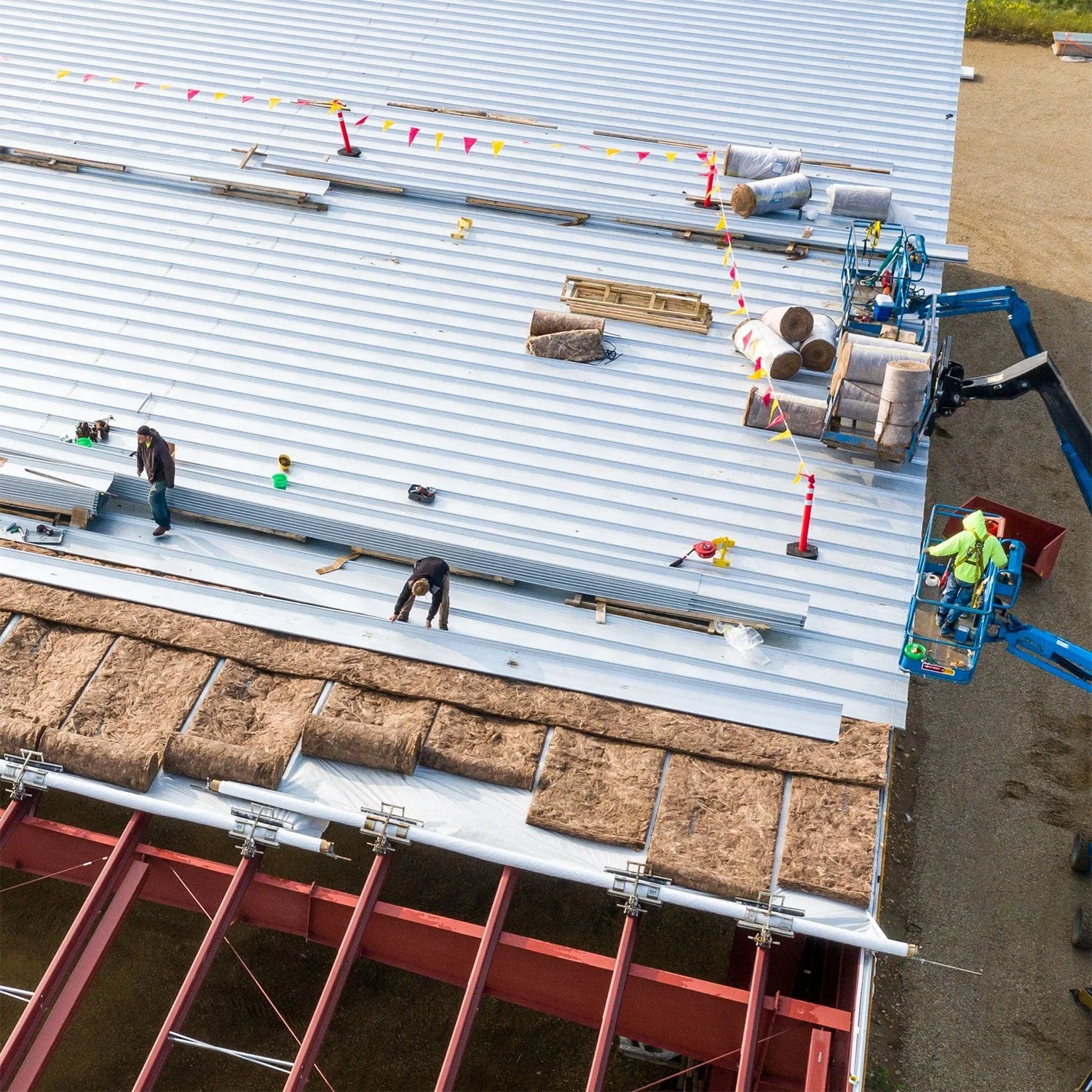
We explain whether the work is a boot replacement, membrane patch, curb rebuild, counterflashing correction, or glazing repair. If the curb or deck is deteriorated, opening the assembly may be necessary to see the full extent. The scope identifies that decision point and the work authorized before removal. A leak investigation can include a controlled repair boundary and an interior follow-up.
For an older roof, repeated detail repairs may prompt a broader condition review. We compare the number and distribution of failures with the remaining membrane condition, insulation, and edge details. A recover evaluation is a separate decision that must account for moisture, added height, attachment, and code requirements. A local adopted code edition is checked during project design rather than inferred from a skylight inspection.
Point us to the opening
Tell us where water appeared, which skylight or penetration is above it, and what weather preceded the report. Send the roof plan, access limits, and any photos. We will inspect the curb or flashing connection, compare it with the membrane, and document a repair boundary.
Keep the opening secure during work
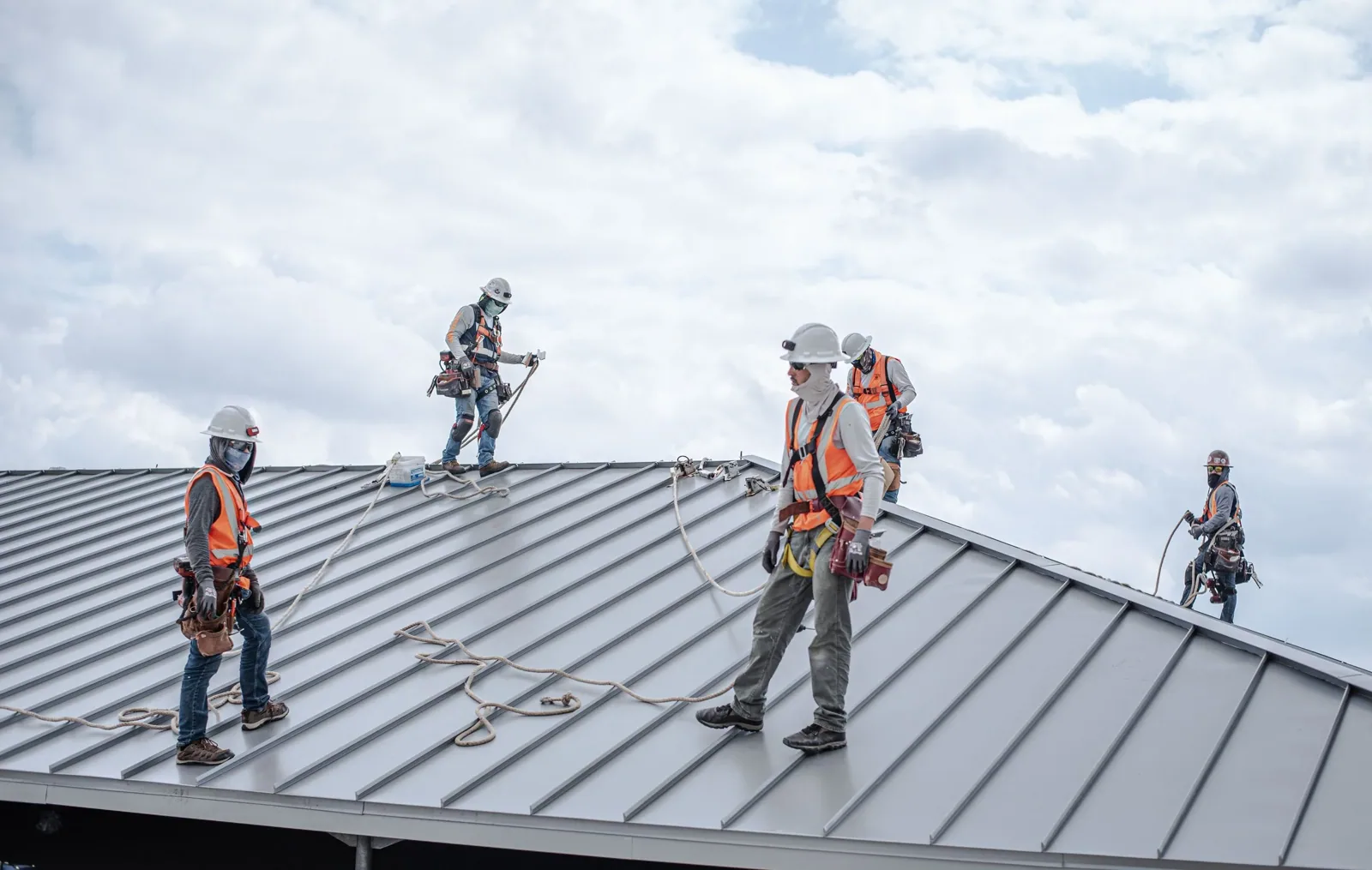
Skylight openings present a fall hazard, even when the glazing looks intact. We confirm the access route, fall protection, and whether a guard or cover is needed before work begins. The crew stages tools and materials so the skylight is not used as a platform. If a frame must be removed, the work area is protected from weather before the opening is exposed.
Interior coordination matters when a skylight sits above a patient area, production floor, office, or tenant space. We agree on timing, noise, access restrictions, and protection below. A manager can identify sensitive equipment or a room that cannot be entered during a shift. The crew documents any interior protection and keeps the roof repair boundary visible in the closeout.
Weather can change the safe sequence. Rain, snow, ice, or strong gusts may prevent a proper repair or leave a detail open longer than planned. We schedule around conditions, protect the area if a temporary measure is needed, and return for the permanent work when the surface and materials are ready.
Record the detail and its limits
The report identifies the opening, roof section, flashing layers visible, adjacent membrane, interior symptom, and repair performed. Photos show the curb corners and the tie-in after work. If glazing, a mechanical line, or concealed deck remains outside the roofing scope, that limit is stated. A condition report can preserve the detail history for the next inspection.
At a multi-building property near Westminster Promenade, label openings by building and roof zone. That makes a later leak call easier to compare with the prior condition. We can also track recurring access restrictions and any follow-up check requested by the manager.
Send the Westminster building address, roof plan, opening location, interior leak notes, and access contact when requesting a visit. Mention whether the concern followed hail, wind, or snowmelt. We will inspect the roof-side connection, document what is visible, and identify the next step the assembly supports.
Commercial Roofing Questions
How can I tell whether the skylight or roof flashing is leaking?
The interior stain alone cannot settle that. We inspect glazing, frame, curb, membrane, and nearby seams, then compare the roof-side findings with where moisture appeared indoors.
Can you repair one pipe boot without replacing the roof?
A localized boot repair is possible when the surrounding membrane is sound and the new flashing can tie into it. We check both conditions before setting that boundary.
Does hail always damage a skylight?
No. Hail may leave marks or cracks, but the inspection has to confirm the frame, glazing, and roof connection. We document visible impact and any opening separately.
Will a sealant bead fix a leaking curb?
Sealant can be part of a compatible repair, but it cannot correct loose attachment or failed membrane flashing by itself. We identify which layer has opened first.
What details help you find the right roof opening?
Share the interior room, leak timing, roof plan, nearby equipment, and safe access information. A photo from inside can help orient the first roof-side check.
Related Roofing Work
Commercial TPO Roofing
Read more
Westmoor Technology Park
Read more
West 120th Avenue Corridor
Read more
Commercial Rooftop Equipment Curbs and Supports
Read more
More Commercial Roofing Services in Westminster
See the rest of our commercial roofing services for Westminster commercial buildings, or call 555-555-5555 to talk through your roof.
Commercial Skylight and Penetration Flashing
Talk to Commercial Roofing Westminster
Call 555-555-5555 or send a request and we will schedule a visit to look at the roof, explain what we find and lay out your options.