
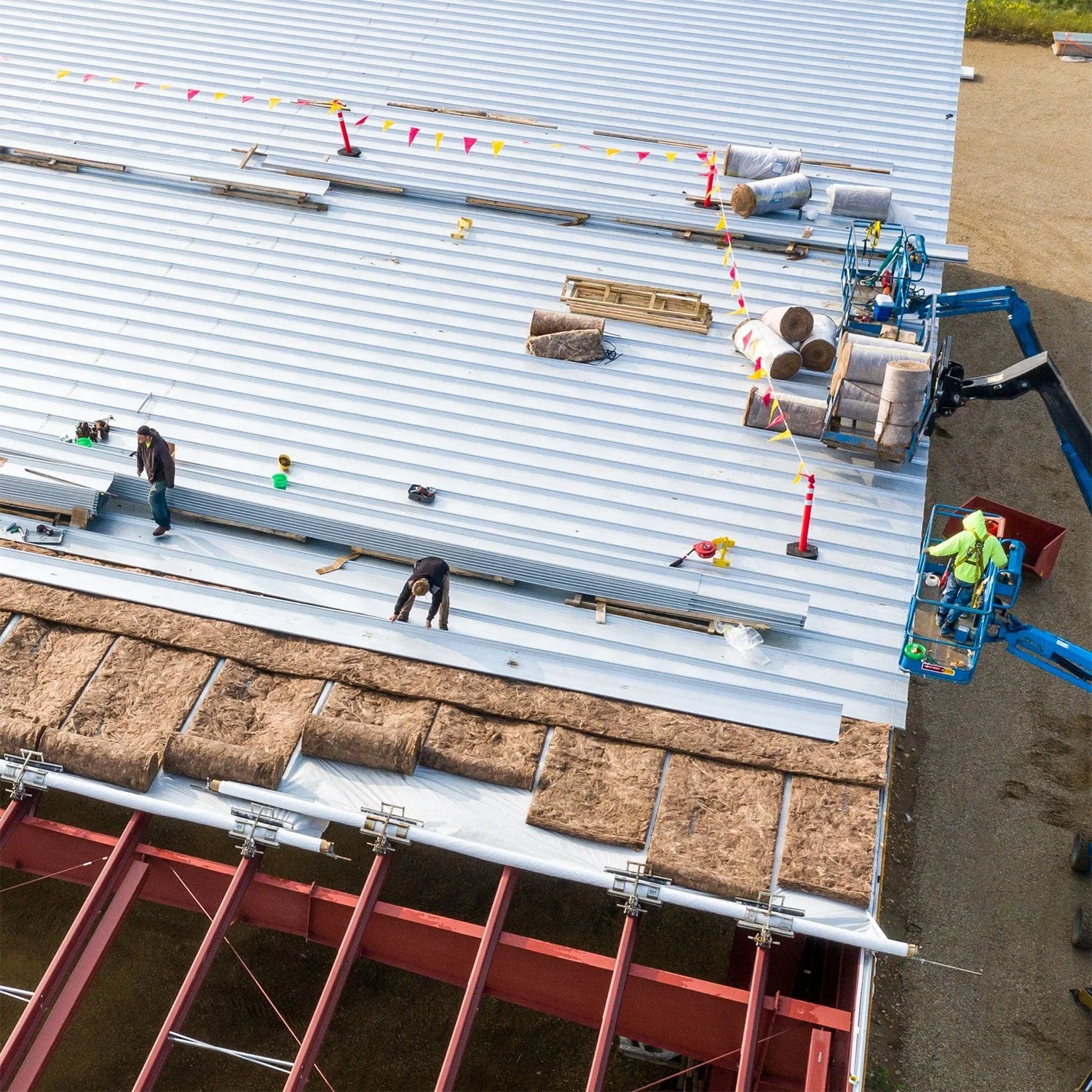
Commercial Roof Insurance Claim Assistance in Westminster, CO
Prepare Westminster roof claim records with dated inspection photos, repair scopes, measurements, and clear notes on observed versus unconfirmed conditions.
Commercial Roof Insurance Claim Assistance
A claim file is more useful when each roof photograph points to a building, section, and observed condition. Use the late-May 2024 hail event to organize the claim inspection, then tie each photographed condition to the insured building and roof zone. Regional weather history cannot establish loss at one address. We inspect the property, record visible evidence and access limits, and prepare a roofing scope that separates confirmed work from questions requiring more review. Coverage and settlement remain decisions for the insurer and policyholder.

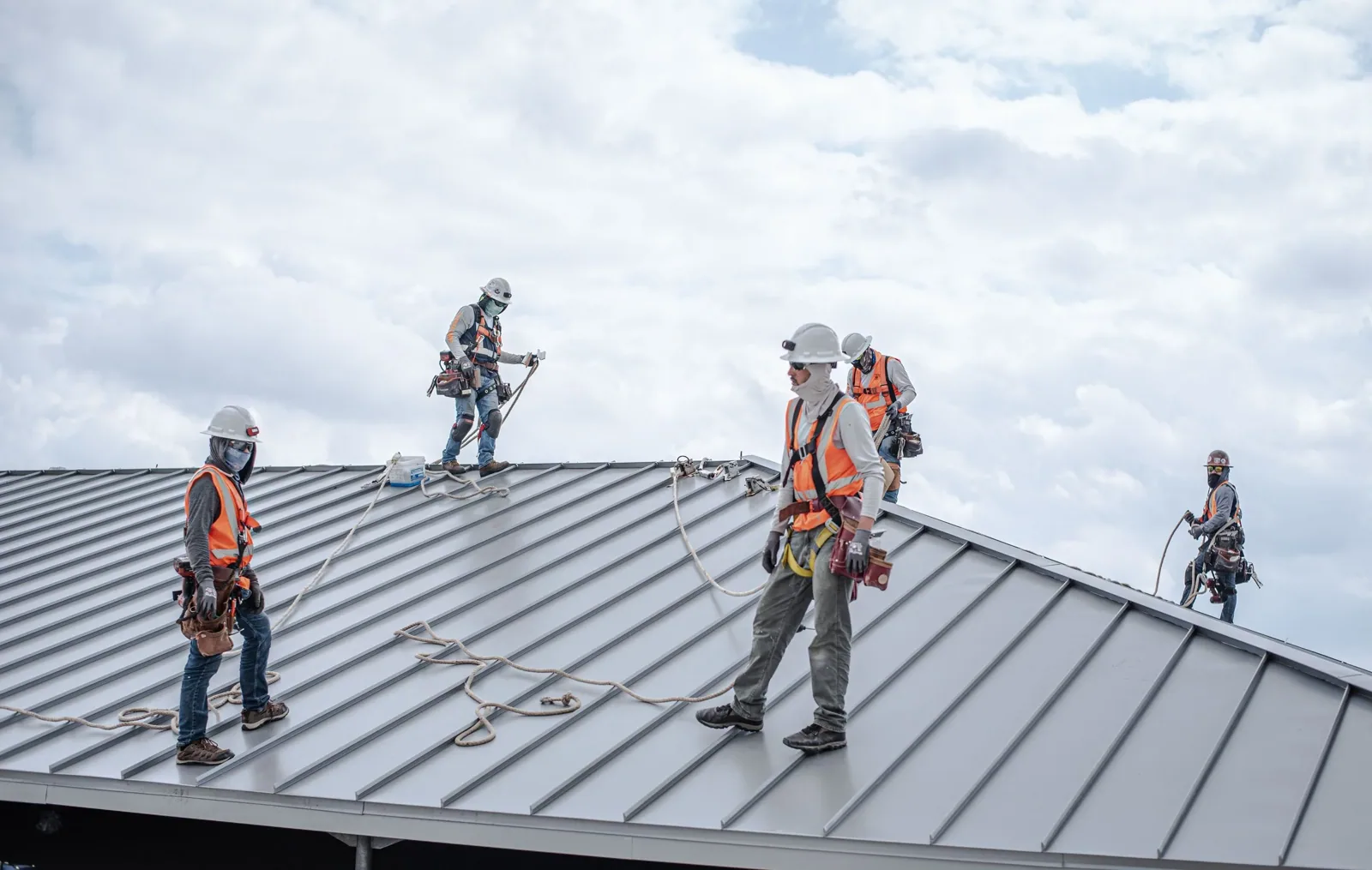
Build a dated record from the roof
We start with the address, reported event date, interior leak locations, roof plan, prior repair tickets, and any photographs taken before or after the event. At the site, we label each image by building and roof section. A wide view establishes location; a close view shows a seam, impact mark, flashing, metal edge, or drain detail. We record the visible condition and avoid describing a surface mark as concealed damage.
If multiple structures are involved, each receives its own photo group and scope. A roof plan can show where the team walked and which areas remained inaccessible. The report identifies whether a test opening, moisture survey, or additional access could change the repair quantity. A commercial roof inspection provides the field observations; a moisture survey is a separate service when hidden layers need evaluation.
Westminster's business districts range from Westmoor Technology Park to retail centers in the North I-25 corridor. That context can help distinguish the property and work access in a claim record. The inspection record identifies roof size, assembly, and observed damage from the building's plans and field conditions. We verify the address, building identifier, and roof area included in the inspection before describing the scope.
Separate roofing findings from coverage questions
A roofing report can state what the crew observed, what was tested, what material was used, and what repair is recommended. It cannot determine policy coverage, depreciation, deductibles, or claim approval. Coverage and payment decisions follow the policy and insurer's review; our work documents roof conditions and proposed repairs. If the owner asks for claim support, we organize the technical record and explain how the proposed repair relates to the observed roof condition.
Storm-related findings should be distinguished from pre-existing wear, prior patches, maintenance needs, and conditions that could not be confirmed. We compare available repair history and photographs. When the source or extent is uncertain, we state what test or opening would resolve it. A storm damage assessment records event-related observations; an ordinary maintenance item remains separately listed.
For example, a displaced edge, open seam, puncture, dented accessory, and blocked outlet each require a different description. A metal edge repair should not be combined with a membrane patch unless the scope shows how those components connect. We list quantities and methods only where the inspection establishes them. Unknown substrate conditions remain noted as unknown rather than entered as measured damage.
Make the repair estimate traceable
A repair estimate should let the owner compare the observed condition with the proposed work. It identifies roof area, detail, material, surface preparation, access equipment, temporary protection, testing, and exclusions. If one section is damaged and another was not inspected, those boundaries remain distinct. Photographs reference the same labels as the estimate so a reviewer can locate the work without guessing.
When tear-off is proposed, the scope distinguishes known layers from concealed conditions that may appear after removal. It identifies the dry-in approach and how deck or insulation findings will be documented before work continues. A focused repair option can be compared with a replacement scope if inspection shows broader failure. We keep options separate and explain the assumptions behind each.
Westminster enforces its adopted 2021 building and energy codes for applicable projects. If the proposed work alters an assembly, the design and permitting team confirms requirements for the project. The claim record can include the applicable work scope, but it should not describe an ordinary repair as a full code upgrade unless the design requires one.
Prepare for an insurer or adjuster visit
The owner can share a roof map, photo index, reported leak history, prior repairs, and the roofer's scope before a joint inspection. We can identify the affected sections and explain what was physically observed. If an adjuster asks about a quantity, we show the measurement method and the boundaries used. If the question involves concealed moisture or layers, we identify the test location and result rather than generalize from one sample. When new information changes the repair area, we update the map, quantities, and scope date instead of overwriting the earlier record. This preserves the difference between the initial inspection, later testing, and work authorized after review.
A roof visit may need a lift, escort, access key, traffic control, or tenant coordination. A site in Westmoor Technology Park may have different entry rules from a retail building near Westminster Promenade. The property contact confirms actual access and work windows. We record delays or areas that could not be entered so the inspection record remains complete about its own limits.
Keep communications factual and preserve the original photographs and dates. If later cleanup or temporary protection changes the roof, note when it occurred and which contractor performed it. Those details help separate the initial condition from later work. They also help a follow-up inspection compare the same roof area and confirm whether the temporary measure remains in place.
Put the roof findings in order
Tell us what weather event prompted the claim review, which building and roof area are affected, and how the property can be accessed. Send the roof plan, earlier repair records, and existing photographs. We will document observed conditions and a traceable repair scope.
Keep the claim file useful after repair
After approved work, the closeout can include the final scope, invoices, materials, repair photographs, test results, and any conditions found during removal. We label completed repairs separately from temporary work and list areas outside the authorized scope. The owner can retain the file with the roof plan for future maintenance, resale, warranty review, or another weather event.
For portfolios spanning Westminster's U.S. 36, North I-25, and 120th Avenue commercial areas, retain one claim record per property. 36/Church Ranch area, Westmoor, and North I-25. A portfolio tracker can hold common claim dates, but the supporting roof records should remain attached to each property. A condition report can preserve the images and repair boundary; a roof asset file can retain the building's longer service history. Store the initial observation, repair authorization, work photographs, and completion date as separate items. A later assessor or facility manager can trace which part of the record describes the original loss and which reflects completed work.
To prepare a claim-related inspection, send the Westminster address, policyholder or property contact, reported event, roof plan, repair history, prior photographs, and access requirements. Tell us what question the roofer's findings should answer. We will document the roof condition and scope without representing what an insurer will decide.
Commercial Roofing Questions
Will insurance cover the roof repair?
Coverage depends on the policy and loss review. We document the roof and prepare a repair scope; the insurer and policyholder decide coverage.
What should be in a roof claim photo set?
Use dated images labeled by property and roof section. Include overview and detail views, plus the inspection notes that explain what each image shows.
Can you estimate damage before opening the roof?
We can estimate visible work and identify assumptions. Concealed insulation or deck conditions may remain unknown until testing or removal confirms them.
Do pre-existing repairs need to be listed?
Yes. We note prior patches or maintenance findings separately from observed event damage when the records or roof condition identify them.
What should we send before a joint inspection?
Provide the address, roof plan, reported event date, leak locations, past repairs, prior photos, insurer visit time, and access contact.
Related Roofing Work
Commercial Roof Inspection
Read more
Infrared Moisture Survey
Read more
Storm Damage Roof Repair
Read more
Commercial Roof Edge Metal, Coping and Gutters
Read more
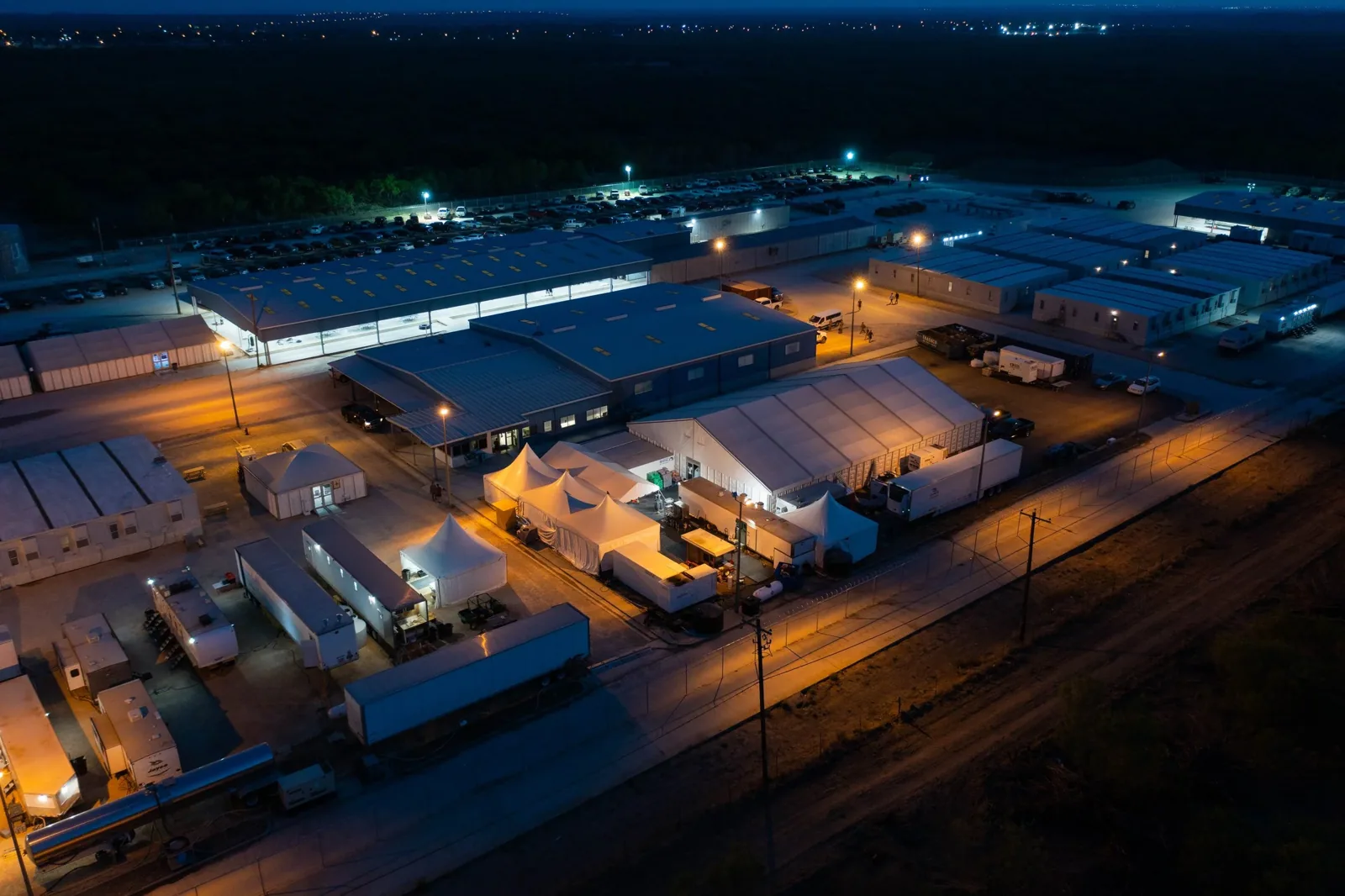
More Commercial Roofing Services in Westminster
See the rest of our commercial roofing services for Westminster commercial buildings, or call 555-555-5555 to talk through your roof.
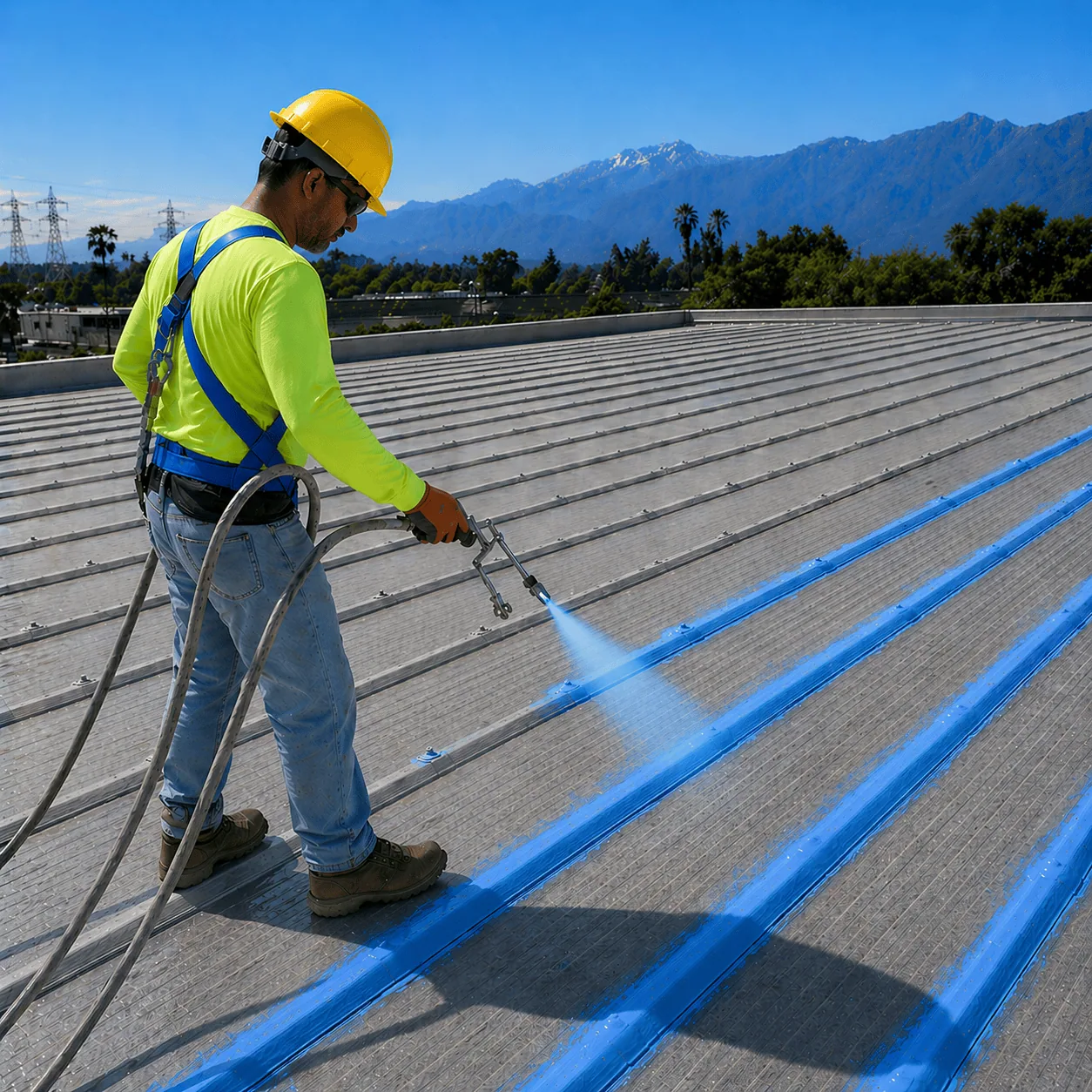
Commercial Roof Insurance Claim Assistance
Talk to Commercial Roofing Westminster
Call 555-555-5555 or send a request and we will schedule a visit to look at the roof, explain what we find and lay out your options.