
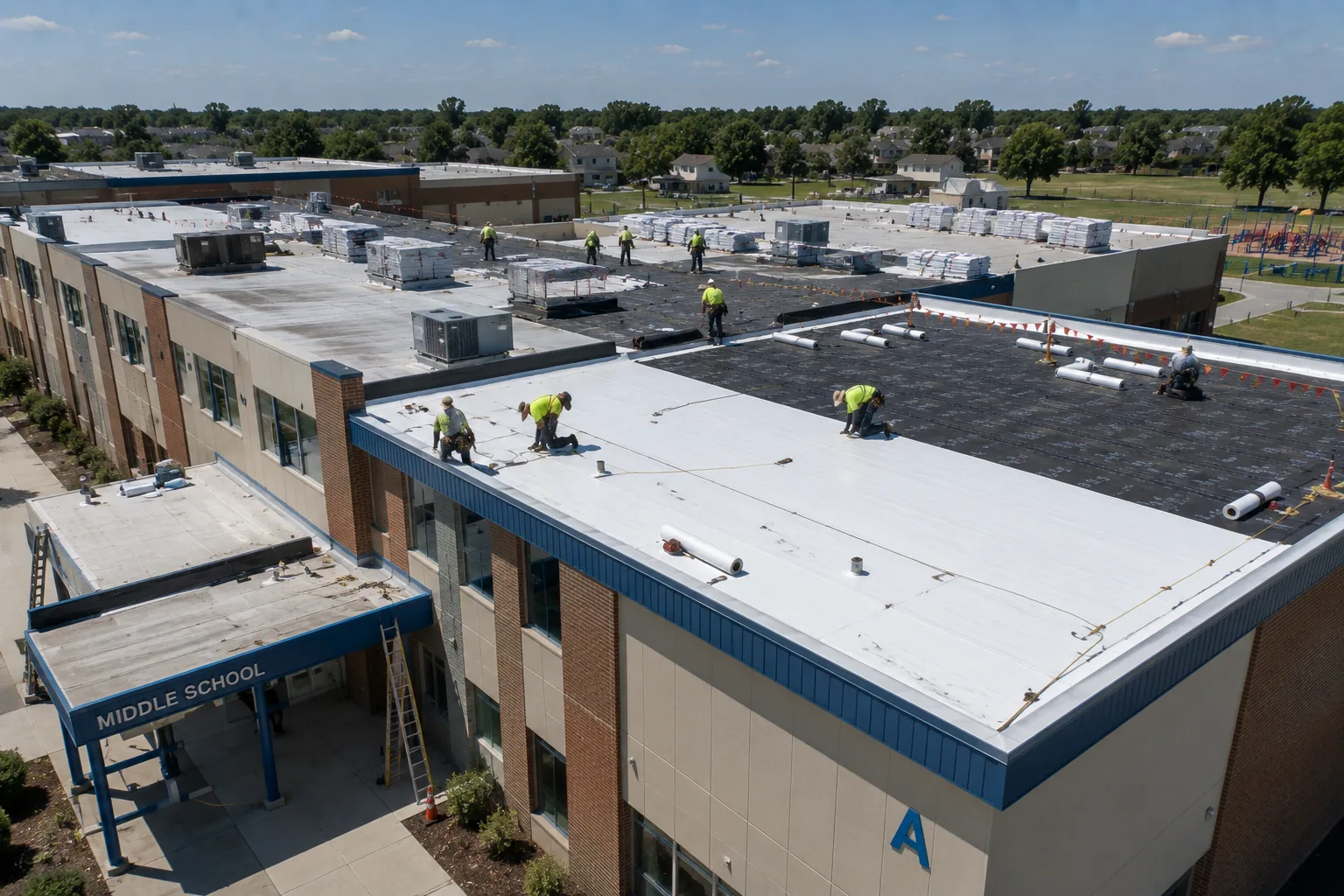
Commercial Roof Capital Planning in Westminster, CO
Plan Westminster roof repairs and replacements using documented condition, scope, access, code review, and timing instead of a single age estimate.
Commercial Roof Capital Planning
A capital request needs more than a roof age. It needs a condition, a defined scope, and a reason the work belongs in this budget cycle. Start with the building record and confirm what an inspection can see. Westminster properties face hail, wind, heat, snow, and cold, but a regional weather pattern does not set a replacement date for one roof.
Build the request from confirmed findings
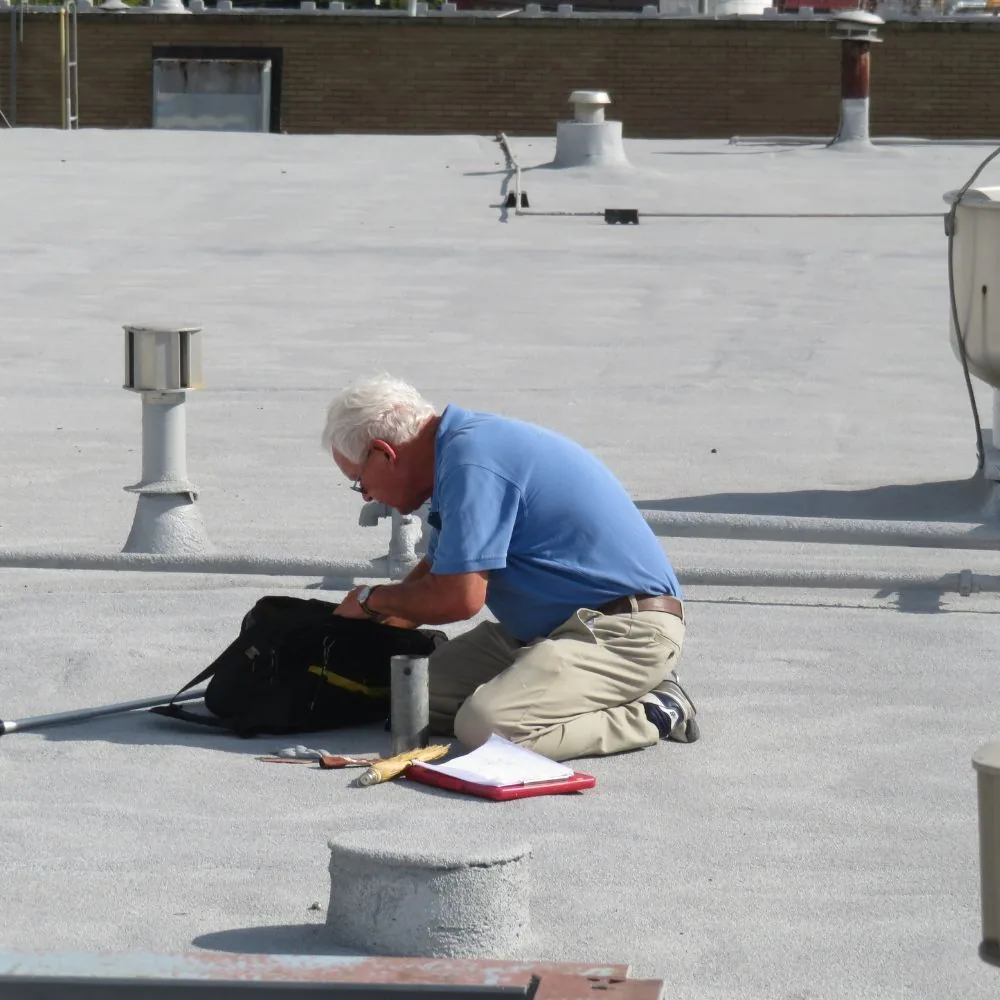
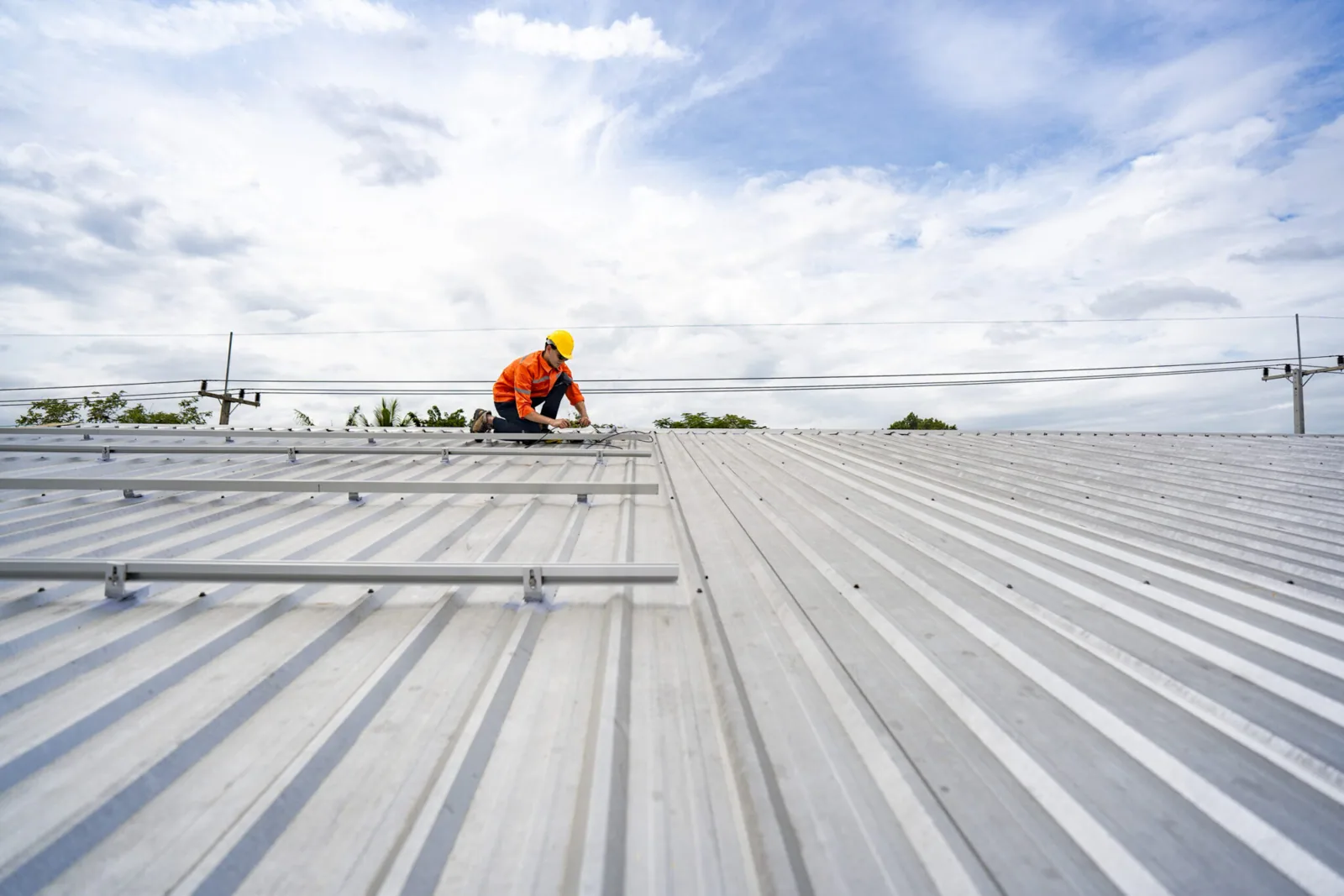
Separate active leaks, local defects, wet materials, and broad system wear. Note the roof zone, photo reference, access limits, and the next action for every finding. A patchable detail may belong in maintenance; widespread moisture or repeated failures may support a larger scope. If the evidence is incomplete, price the investigation as its own decision instead of presenting a replacement as certain.
A roof condition report can connect images and observations to a repair boundary. Pair that record with the roof's maintenance history and any plans available. A portfolio asset register helps locate prior repairs, but the field condition still needs confirmation before a budget number is approved.
Westminster's 2040 Comprehensive Plan guides development and redevelopment. In a property portfolio, that context can matter to timing when a building's use or planned work is changing. It does not tell an owner what condition the roof is in. Record the facility decision separately from the roof finding so each assumption can be tested on its own.
Compare repair and replacement paths
For each roof area, describe a repair path, a larger restoration or recover option when technically suitable, and replacement when supported by conditions. State what each path includes, what remains, and which inspection finding would change the recommendation. Keep alternatives distinct rather than adding them into one cumulative scope. A repair estimate and a replacement scope should make their limits easy to compare.
Check the assembly before comparing surface work. Wet insulation, deck conditions, drainage, edge attachment, and existing layers can change the available options. A coating may extend a suitable surface only after compatibility and preparation are confirmed. A recover can preserve layers only when the assembly and code requirements allow it. If concealed conditions remain, explain how they will be opened, tested, and handled if found.
Replacement timing also depends on access, tenant operations, staging, material lead time, weather windows, and permit review. Westminster currently enforces the 2021 International Codes, including building and energy conservation codes. Confirm the applicable code path and project documents for the specific scope. Do not assume that a repair and a full reroof have identical review requirements.
Set the year by risk and readiness
Rank projects by water entry, safety exposure, extent of moisture, system condition, and ability to complete a durable scope. A roof with an active leak over occupied space may need action before a roof with surface wear and no reported water. State why the order is proposed. “Oldest first” is not a complete capital method when the assemblies and observed conditions differ.
Westminster's retail activity runs through subareas such as U.S. 36, North I-25, and 120th Avenue. Work at a shopping property may need to protect customer access and coordinate around tenant hours. An office campus may require separate access and equipment plans for each building. The property context can shape phasing and schedule, but it does not replace a roof walk or authorize a particular repair.
Build a readiness list beside the target year: current photos, system identification, moisture testing if needed, bid scope, permit questions, access approval, and budget authorization. A pre-budget inspection can close evidence gaps. For a group of buildings, a multi-site work plan can sequence mobilization while each building retains its own condition and scope.
Use weather as a planning input
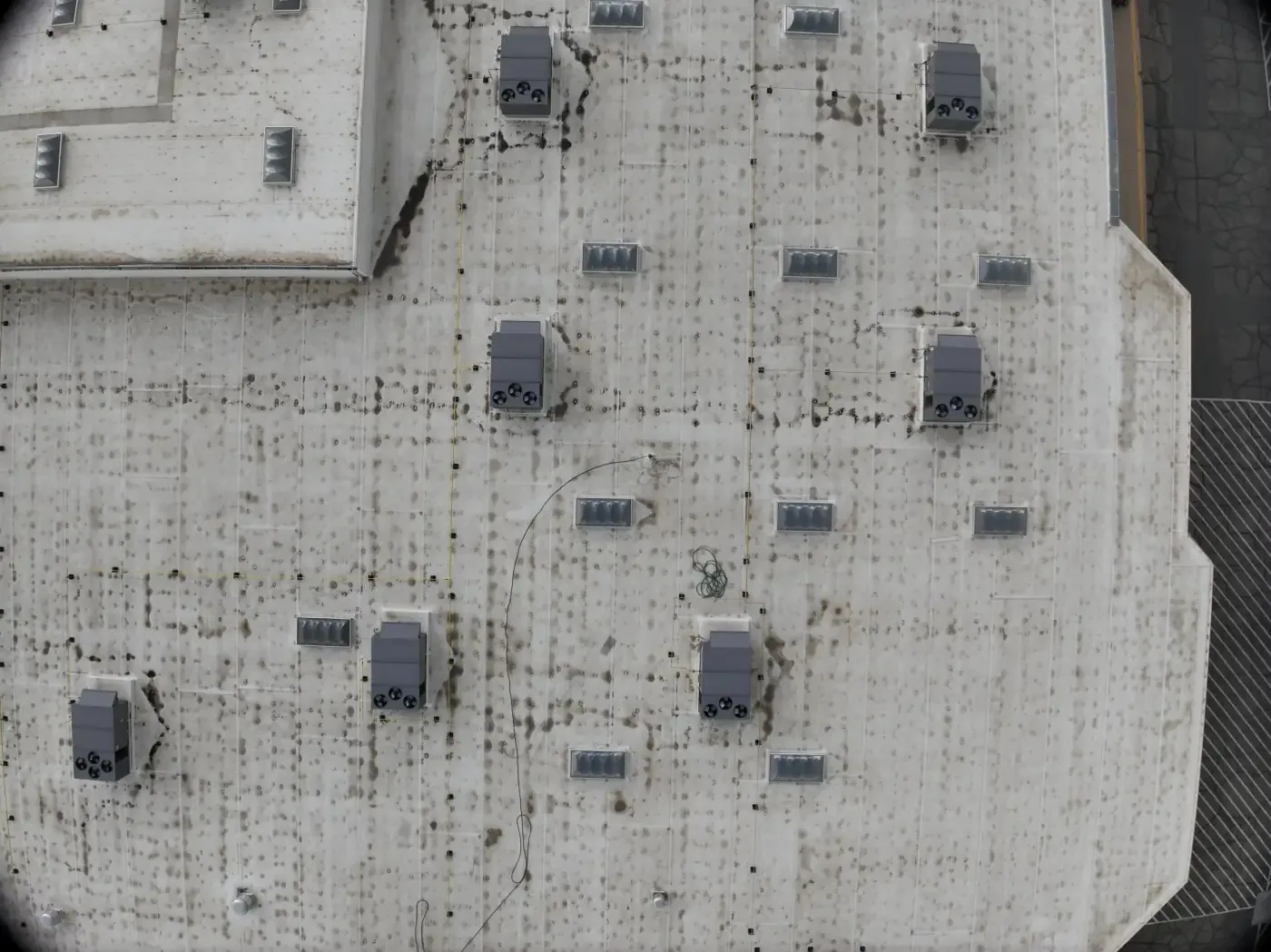
The May 2024 hailstorm affected the northern Denver metro, and weather records documented roof damage during that event. An owner planning later work can use such a storm as a prompt to review dated inspection records. For capital planning reviews, mark low points before tracing runoff to the drain; keep photos attached to the correct roof-zone record. Use the building's actual roof observations: blocked outlets, recurring ponding, membrane movement, or damage at exposed details. Do not convert a regional climate number into a roof capacity or useful-life claim. A post-hail roof review can distinguish observed impact from ordinary aging in the budget backup.
Circle Point and Westmoor Technology Park both sit in the U.S. 36 corridor and include office uses. Their separate buildings and roof zones may have different access needs and maintenance records. When capital work is phased, identify which building is included in each year and what access or occupancy condition controls the sequence. A Westmoor roof assessment should document its own scope rather than borrow conclusions from a nearby property.
Build a defensible roof budget
Share the Westminster property list, current roof reports, known leaks, target budget year, and access constraints. We will verify conditions and prepare clearly separated repair and replacement paths.
Show what drives the budget
A useful planning range states the roof area or zone, selected system, preparation, removal or recover assumption, insulation work, flashing, edge metal, drainage, access, protection, and disposal. Identify exclusions and allowances clearly. Cost changes when concealed wet materials, deck repair, equipment relocation, or difficult access are involved. If the owner needs a firm bid, complete the investigation and define the work before comparing proposals.
Separate base work from alternates. One line can cover the confirmed repair; another can cover optional testing or a defined upgrade. Do not price the same area twice across alternatives. Include the schedule assumptions that affect tenants and building operations, plus the conditions that could move the start date. This makes the financial decision readable without presenting a planning estimate as a fixed final price.
Track the basis for each forecast. Record who prepared it, what inspection supports it, what date it reflects, and what would trigger revision. Update the projection when the roof changes, a leak occurs, or an investigation finds concealed damage. Keep a current repair number distinct from a future replacement allowance so management can see which decision is being requested now.
Carry the decision into the work
Once funding is approved, reconcile the budget scope with the field conditions and construction documents. Confirm the roof area, materials, edge and penetration details, drainage corrections, phasing, access, temporary protection, closeout photos, and warranty requirements. Changes discovered after opening the assembly should be documented as a separate condition with its effect on price and schedule.
Keep rejected options and the reason for rejection in the planning record. A repair may be deferred because the affected material is not accessible, while a replacement could wait until a planned tenant transition. These are different decisions with different risk. Set a review date for deferred work and identify the condition that would move it forward.
For Westminster owners, share the property list, roof records, known leak history, intended budget period, and operational constraints. We can inspect the roof areas, define the evidence, and prepare options that distinguish immediate repairs from planned capital work. The next budget should follow the roof's documented condition and the building's actual schedule.
Commercial Roofing Questions
Should we set replacement timing by roof age alone?
No. Age can frame the review, but condition, repairs, moisture, drainage, and the building's needs determine the next action.
Can a planning estimate be used as a bid?
Use it for budgeting only when its assumptions are clear. A firm scope needs confirmed areas, materials, access, and treatment of concealed conditions.
How do we compare repair with replacement?
Review distinct scopes, what each leaves in place, the evidence behind the recommendation, and the future inspection or maintenance each path requires.
Does the Westminster code edition affect reroof planning?
It can. Confirm the code and permit requirements that apply to the actual project scope before the budget and schedule are finalized.
What can move a roof project to an earlier year?
A new leak, safety concern, spreading moisture, or a failed detail may change priority. Document the finding and update the approved sequence.
Related Roofing Work
Commercial Roof Condition Reports
Read more
Commercial Roof Asset Management
Read more
Commercial Roof Repair
Read more
Commercial Roof Replacement
Read more

More Roofing Capabilities in Westminster
See the rest of our roofing capabilities for Westminster commercial buildings, or call 555-555-5555 to talk through your roof.
Commercial Roof Capital Planning
Talk to Commercial Roofing Westminster
Call 555-555-5555 or send a request and we will schedule a visit to look at the roof, explain what we find and lay out your options.