

Commercial Roof Due Diligence Surveys in Westminster, CO
Assess Westminster roofs for acquisition or refinancing with mapped findings, repair priorities, records review, access limits, and open questions.
Commercial Roof Due Diligence Surveys
A closing date can arrive before every roof record does. A due diligence survey needs to separate what the team can inspect from what remains unconfirmed. Start with the roof areas, access, visible system, repair history, and any active interior reports. In Westminster, weather exposure varies, but the transaction decision should follow the property evidence.
Set the survey boundary first
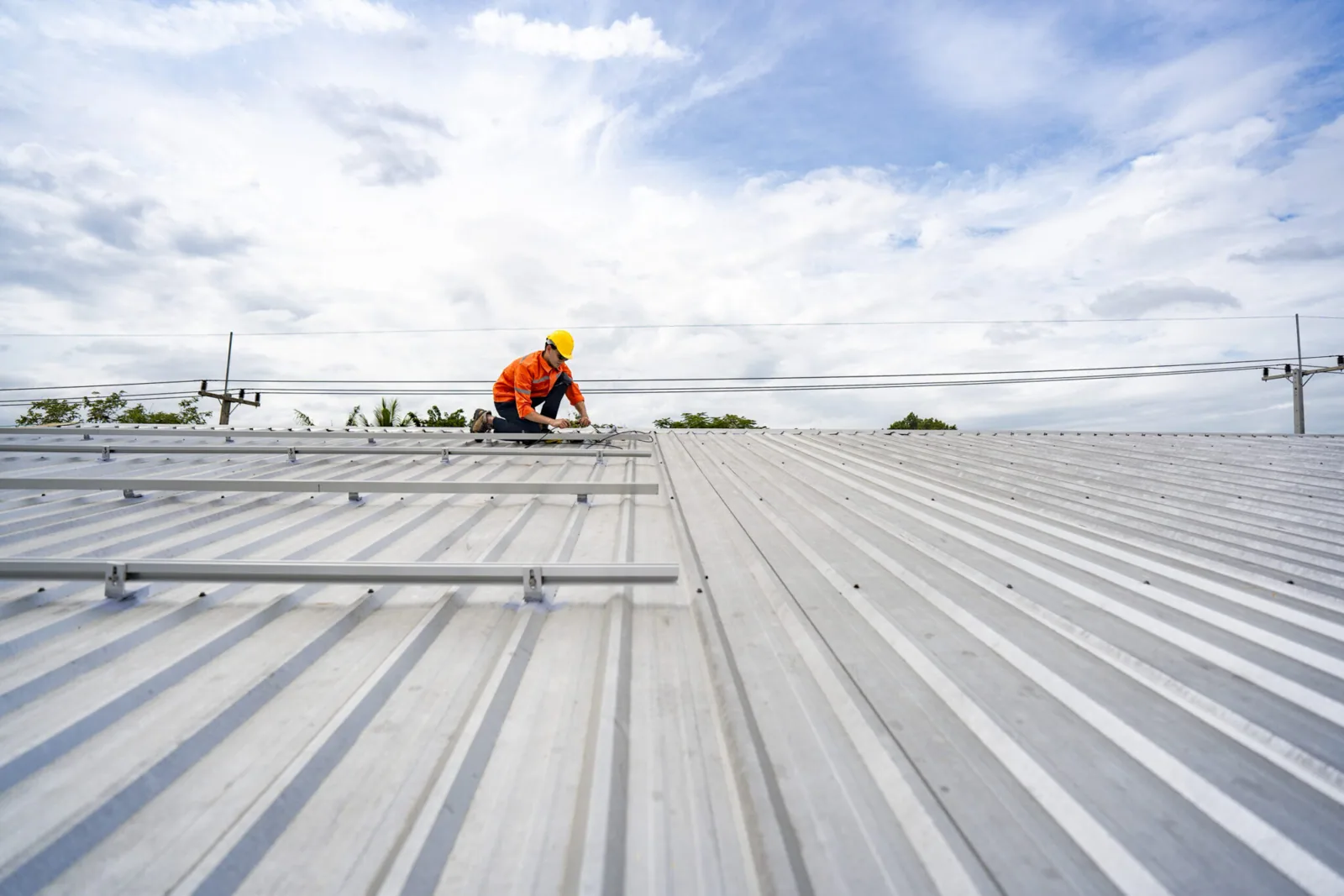
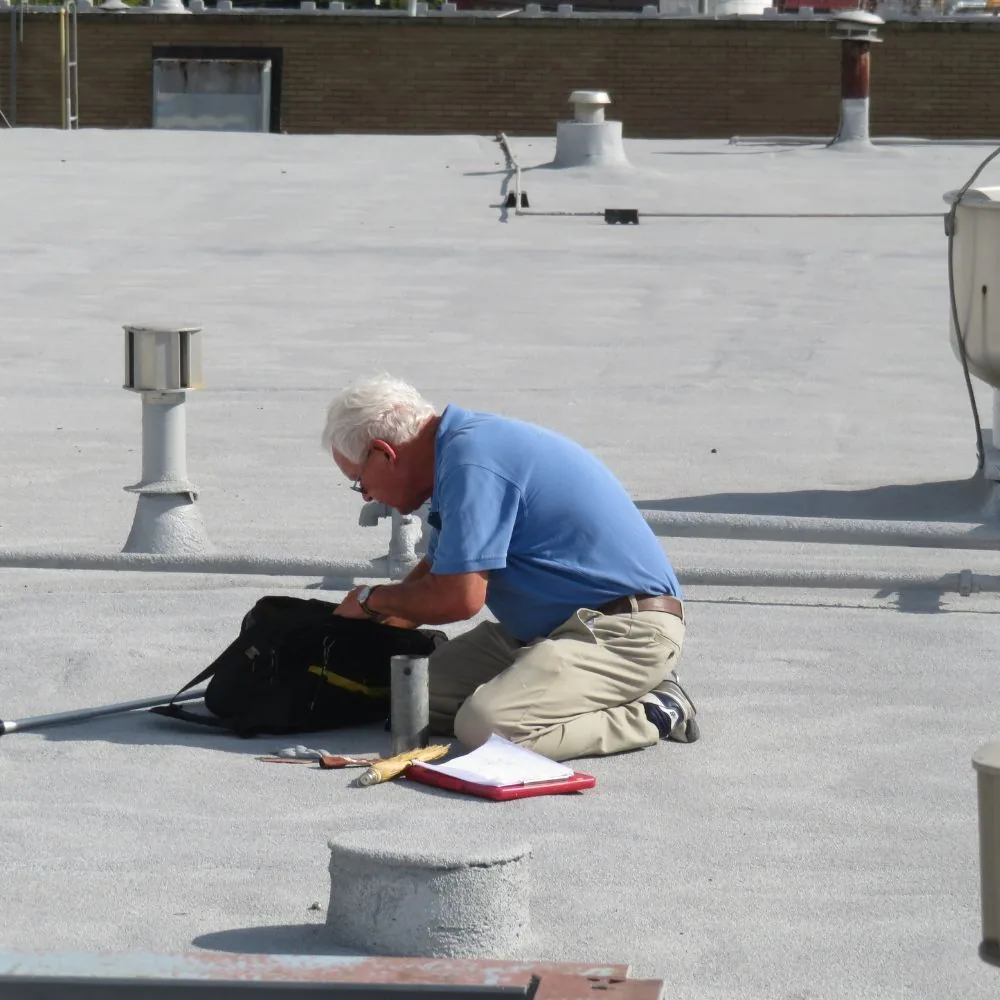
Confirm the property list, building identifiers, roof plans, access method, escort needs, and time available. Identify which roofs can be entered and which require a lift, key, tenant notice, or separate safety plan. If the schedule limits the walk, define the excluded areas before the survey starts. A report based on partial access should not imply complete coverage.
Westmoor Technology Park is a multi-building office and flex campus in Westminster's U.S. 36 corridor. A Westmoor portfolio survey needs a building-by-building boundary, even when the transaction treats the campus as one property. Circle Point includes separate office buildings and planned development. Keep inspected areas distinct from structures that were not part of the assignment.
Ask for available roof plans, warranties, prior inspections, leak logs, replacement records, and capital work orders. Missing documentation is itself a transaction question, not proof that work was never done. Note when a record could not be reconciled with the visible roof. If a plan labels an assembly differently from field observations, preserve both and recommend confirmation before budgeting a major scope.
Identify each roof assembly
Record the visible membrane or metal clues, number of layers when known, drainage layout, perimeter details, penetrations, equipment, and transitions. Do not assign an installation year or product based on appearance alone. Mark uncertain systems for records review or targeted investigation. The assembly matters because repair compatibility, recover eligibility, and replacement scope depend on what is beneath the exposed surface.
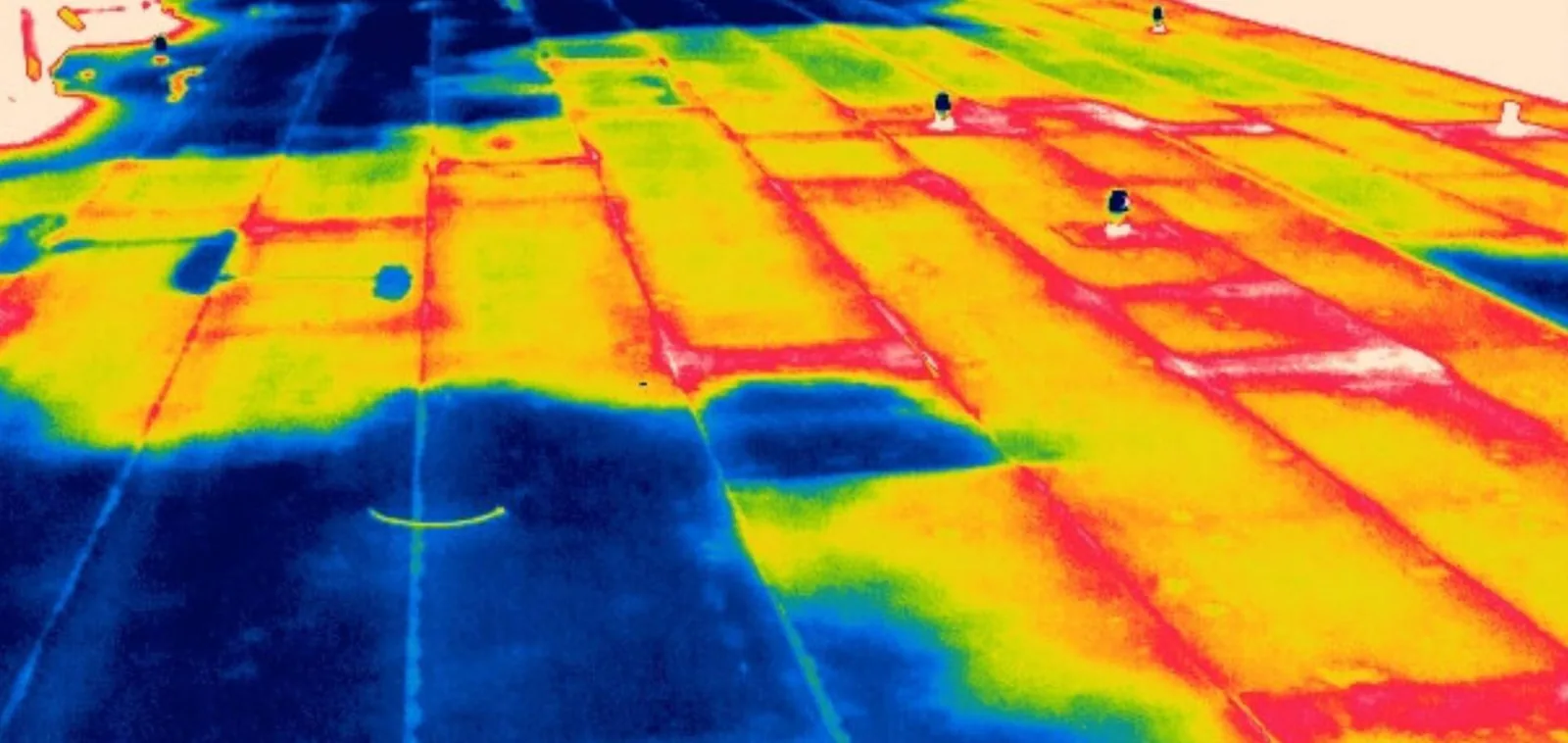
Walk the field and details in separate passes. Note open laps, patches, exposed reinforcement, damaged flashing, ponding, blocked drains, and visible movement. Photograph the observation with a location marker, then state whether water entry or interior impact was reported. Surface inspection cannot confirm concealed insulation or deck condition. A moisture survey may help investigate suspected wet areas if the roof and weather conditions suit that method.
Separate immediate safety concerns, active leaks, maintenance needs, and longer-term capital questions. For each, identify the location, evidence, access limitation, and recommended next step. A mapped condition report can keep those categories legible to the acquisition team without suggesting that every visible defect requires full replacement.
Describe risk without overstating certainty
A due diligence finding should say what may happen if it is left unresolved, while identifying the evidence behind that concern. An open flashing joint can create a water-entry path. A drain obstruction can hold water. Neither observation by itself reveals the full extent of concealed damage. State what inspection can confirm and what testing, opening, or records review would reduce the uncertainty.
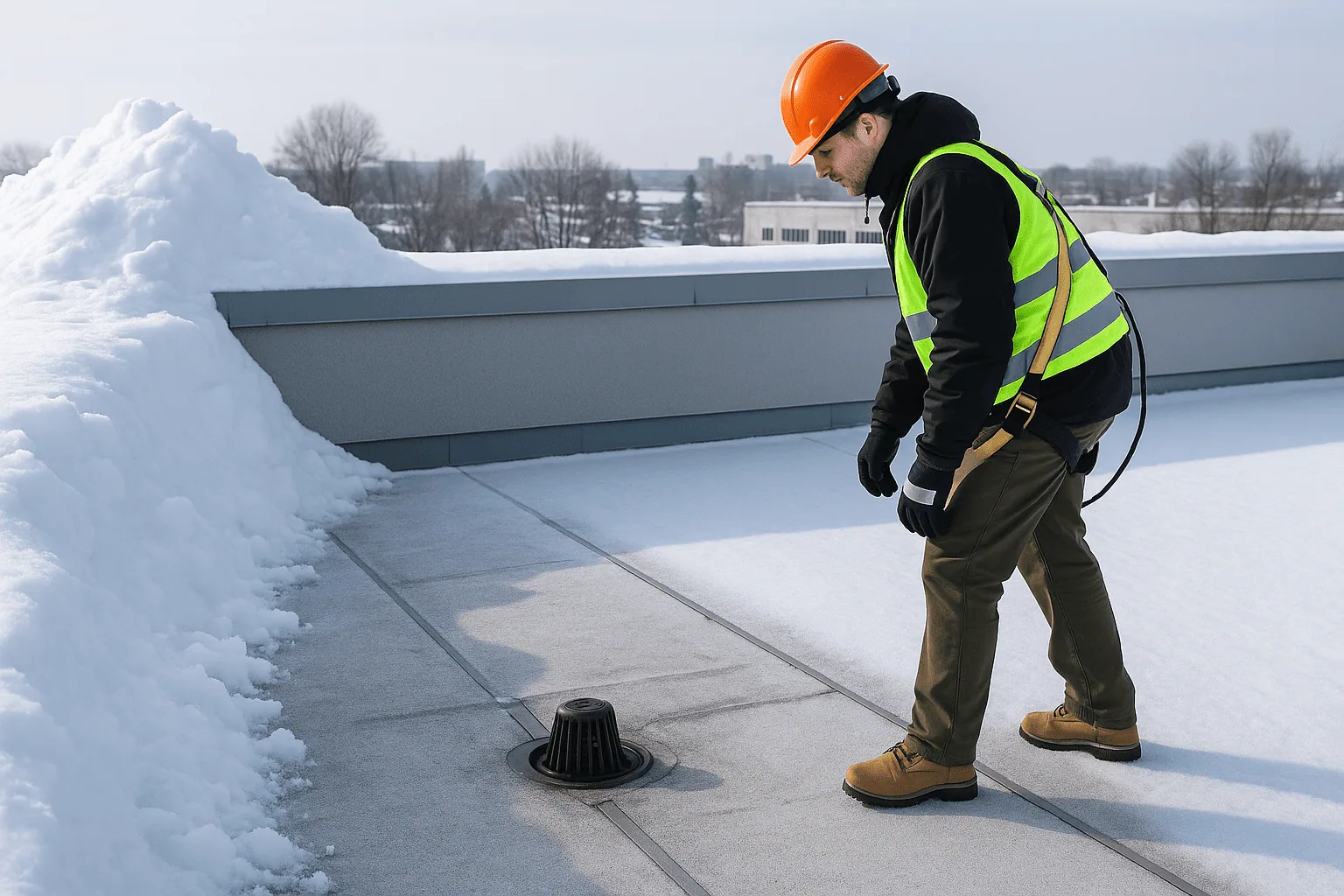
Use clear limits. Note roof zones not entered, conditions hidden by snow or equipment, and areas where safe access was unavailable. If a leak report exists but the entry point was not found, say so. If moisture testing produced a suspect area, distinguish the test result from confirmed wet insulation. Keep estimates tied to an identified scope, with allowances for conditions that have not been opened.
Westminster weather includes hail, wind, winter weather, heat, and cold. The May 2024 hailstorm was tracked across the northern metro, with roof damage documented during the event. That context may justify reviewing the seller's inspection and repair files; it does not show that the surveyed building sustained damage. A hail condition review should rely on observed marks at the subject property.
Turn findings into repair questions
Organize recommendations by action and time horizon: protect an active opening, complete a defined repair, investigate concealed conditions, maintain a functioning roof, or plan a larger project. Separate cost drivers such as access, removal, insulation replacement, edge work, drainage, and tenant coordination. A survey can support a budget conversation, but a firm bid requires a defined scope and confirmation of concealed conditions.
For replacement or recovery, identify the assembly information still needed, areas of wet material, edge and penetration details, drainage changes, and applicable permit questions. Westminster enforces the 2021 International Building and Energy Conservation Codes. Confirm the code and review path for the actual project; a survey does not replace design or permit review.
Properties near Downtown Westminster are part of an ongoing redevelopment district, while the U.S. 36 corridor includes office and commercial uses. Transaction teams may have their own planned improvements or occupancy milestones. Record those dates as deal constraints, not as roof defects. A capital planning analysis can compare the documented roof work with the buyer's timing and budget assumptions.
Review a Westminster roof before closing
Share the asset list, available plans and warranty files, leak history, transaction schedule, and access contacts. We will define inspected areas, document findings, and identify unresolved questions.
Coordinate findings with the deal team
Agree who receives urgent findings during the survey and how the property contact will approve access or temporary protection. If active water appears, document the location, protect contents from a safe position, and keep mitigation separate from the transaction report. Do not delay a building-protection step while waiting for a complete condition schedule.
For a portfolio acquisition, use the same observation categories and photo conventions across properties, but do not combine conclusions. One site may have active leaks while another has drainage or edge concerns. Keep the roof map, inspected area, and recommendation linked to the right building. A roof asset register can carry the survey findings into the buyer's maintenance program after closing.
At a Westminster shopping center along U.S. 36 or 120th Avenue, the inspection may need to work around customer traffic and tenant operations. Note the access route, staging area, and any roof area not reached because of those constraints. Those facts matter to the follow-up plan, but they should not be used to infer the physical condition of an uninspected section.
Leave the buyer with a usable record
Deliver the property and building list, roof-zone map, condition summary, photo set, records reviewed, areas excluded, active leak reports, priority actions, and unresolved questions. Identify whether each recommendation is a visual observation, a test result, or an assumption awaiting confirmation. Include the survey date and weather conditions so the team can judge how current the findings are.
Keep repair recommendations specific enough to request pricing. Identify the affected assembly, boundaries, preparation, and any testing needed before work. List items that should be monitored and what change would call for another visit. Avoid broad labels such as “poor roof” when the report can describe the exact detail and next action.
Share the transaction schedule, available records, building contacts, and intended use of the survey. We can inspect the accessible roof areas, map findings, and identify where more investigation or a defined repair scope is needed. The buyer can then separate confirmed near-term work from assumptions that still need evidence before closing or refinancing.
Commercial Roofing Questions
Can a roof survey certify that every area is sound?
A visual survey describes areas reached and the evidence available. Concealed conditions, restricted access, and testing limits should remain explicit.
What records should a buyer provide?
Roof plans, warranties, prior inspections, repairs, leak history, replacement documents, and access details help focus the field review.
Does a roof survey include a firm replacement price?
Only a defined scope can support a firm proposal. Unopened layers, wet insulation, and access limits may require additional investigation.
How should we handle a reported leak that is not visible?
Record the room, timing, weather, and roof zone above it. Keep the entry point unresolved until inspection or testing confirms a path.
Can a regional hail report establish damage to the property?
No. Use it to review the property's own inspection and repair records, then document what the roof walk confirms.
Related Roofing Work
Westmoor Technology Park
Read more
Infrared Moisture Survey
Read more
Commercial Roof Condition Reports
Read more
Commercial Hail Damage Roof Repair
Read more
More Roofing Capabilities in Westminster
See the rest of our roofing capabilities for Westminster commercial buildings, or call 555-555-5555 to talk through your roof.
Commercial Roof Due Diligence Surveys
Talk to Commercial Roofing Westminster
Call 555-555-5555 or send a request and we will schedule a visit to look at the roof, explain what we find and lay out your options.